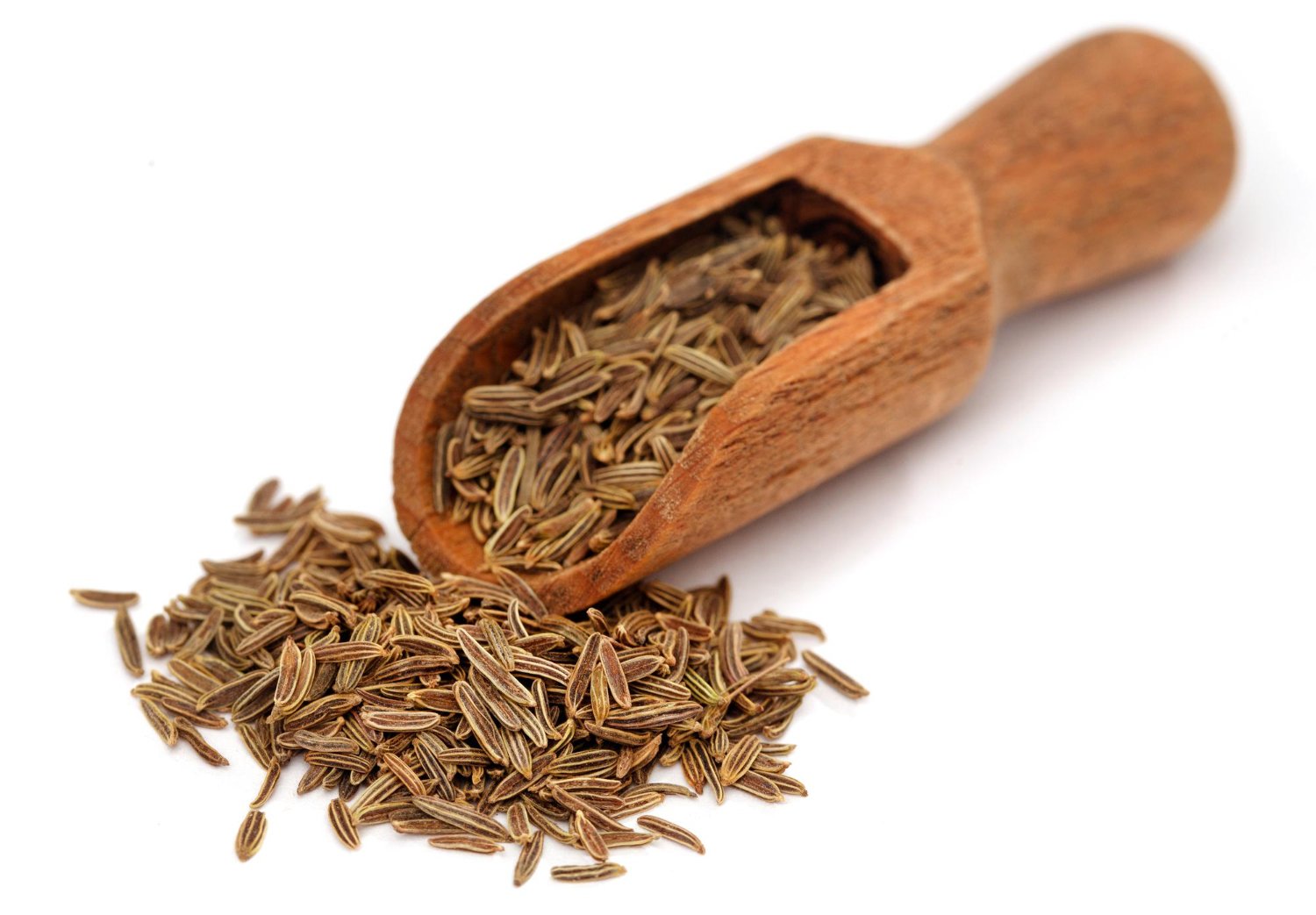
When it comes to flavorful and healing spices, anise seeds often go unnoticed next to popular stars like cumin, fennel, or cinnamon. Yet, these tiny seeds pack a remarkable punch — offering not just a sweet, licorice-like aroma but also a wide range of health, culinary, and even cosmetic benefits.
In this article, we’ll explore everything you need to know about anise seeds, from their origins and nutritional value to their health benefits and uses.
🌱 What Are Anise Seeds?
Anise seeds (Pimpinella anisum) come from a flowering plant native to the Eastern Mediterranean and Southwest Asia. Despite often being confused with star anise (which comes from a completely different plant), true anise seeds have a distinctively sweet, mildly spicy flavor reminiscent of licorice.
They have been used for thousands of years — from ancient Egyptian and Greek civilizations to modern herbal medicine — for both culinary and therapeutic purposes.
⚖️ Nutritional Profile
Anise seeds may be small, but they are dense in nutrients. A single tablespoon (6 grams) contains:
- Calories: ~23
- Protein: 1 gram
- Fiber: 1 gram
- Iron: 13% of the daily recommended intake
- Calcium: 6% of the daily recommended intake
- Magnesium: 5% of the daily recommended intake
In addition, they contain antioxidant compounds such as anethole, limonene, and quercetin — all known for their protective effects against oxidative stress.
💪 Top Health Benefits of Anise Seeds
1. Supports Digestive Health
Anise seeds are traditionally known as a digestive aid. They can help reduce bloating, gas, and indigestion by relaxing the muscles of the gastrointestinal tract. Many herbal teas for stomach comfort include anise as a key ingredient.
2. Balances Hormones and Eases Menstrual Discomfort
Studies show that anethole, the main compound in anise, mimics estrogen activity in the body. This makes anise seeds helpful in reducing menstrual cramps and managing symptoms of menopause like hot flashes.
3. Boosts Respiratory Health
Anise has mild expectorant properties, which help clear mucus from the airways. It’s commonly used in traditional medicine for coughs, bronchitis, and asthma.
4. Promotes Better Sleep and Reduces Stress
Anise seed tea has calming effects and can act as a natural mild sedative, helping reduce stress and promote restful sleep.
5. Antimicrobial and Antifungal Properties
Anise oil has been shown to inhibit the growth of bacteria and fungi, including Candida albicans. This makes it useful in maintaining oral and skin health.
🍽️ Culinary Uses of Anise Seeds
Anise seeds are widely used in global cuisines:
- Baking: Adds a sweet, aromatic flavor to bread, cakes, and cookies.
- Beverages: Used in liqueurs such as Ouzo (Greece), Raki (Turkey), and Anisette (France).
- Cooking: Enhances flavor in soups, curries, and stews.
- Herbal Teas: Steeped to create a soothing tea for digestion and relaxation.
Pro Tip: Slightly roast or crush anise seeds before using to release their full aroma.
🧴 Beyond the Kitchen: Cosmetic and Aromatic Uses
- Essential Oil: Used in aromatherapy for its relaxing and uplifting properties.
- Skin Care: Helps soothe irritated skin and reduce acne-causing bacteria.
- Hair Care: Stimulates scalp circulation and helps strengthen hair roots.
⚠️ Precautions and Side Effects
While generally safe, anise seeds should be consumed in moderation. People with hormone-sensitive conditions (like breast cancer or endometriosis) should consult a doctor before regular use due to its mild estrogenic effects.
Also, pregnant or breastfeeding women should use caution and seek medical advice before taking anise supplements.
🌼 Final Thoughts
Anise seeds are far more than a fragrant kitchen spice — they are a powerhouse of nutrients, antioxidants, and natural healing compounds. From enhancing your digestion to soothing your nerves, these seeds can play a valuable role in your overall wellness.
Whether you sprinkle them in your desserts, brew them into tea, or use them in aromatherapy, anise seeds are a simple way to add both flavor and health to your daily life.
