

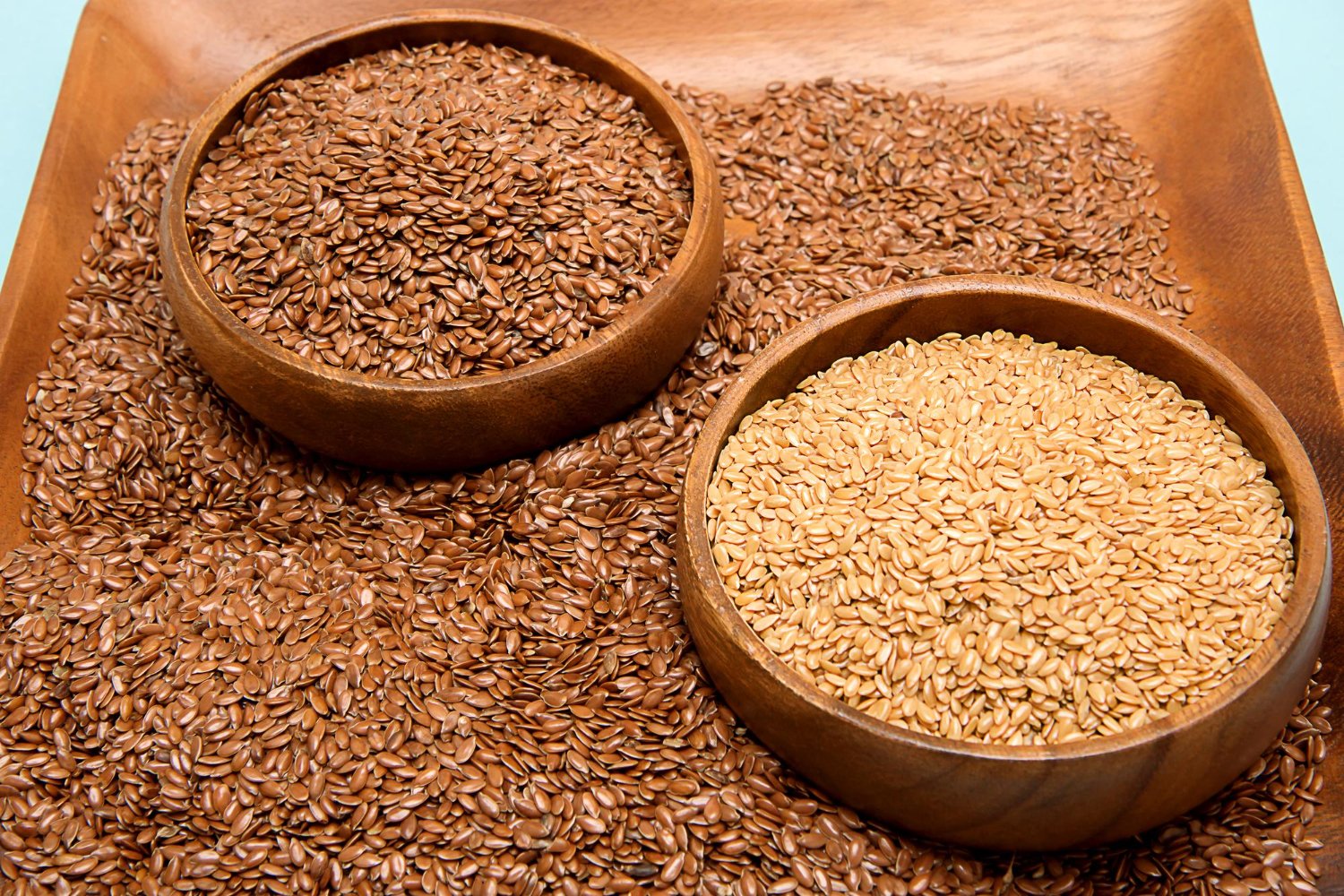
Linseeds, commonly known as flaxseeds, are tiny nutritional powerhouses that have gained significant attention in the health and wellness community. Available in two primary varieties—brown and golden—these seeds offer remarkable health benefits backed by scientific research. Whether you’re seeking to improve heart health, manage blood sugar, or reduce cancer risk, linseeds deserve a prominent place in your daily diet.
What Are Linseeds? Understanding Brown vs. Golden Flaxseeds
Linseeds come from the Linum usitatissimum plant and are available in two main varieties. Brown flaxseeds are the traditional variety, while golden (yellow) flaxseeds are a newer cultivar that offers a milder flavor and lighter appearance. Both types contain similar health-promoting compounds, but with notable differences in their nutritional profiles.
The choice between brown and golden often depends on your specific health goals and taste preferences. Brown flaxseeds contain approximately 20 percent more omega-3 fatty acids than their golden counterparts and boast 30% more antioxidant power[1][2]. However, golden flaxseeds show superior effectiveness at lowering cholesterol levels, making them valuable for cardiovascular support[1][2].
Key Nutritional Benefits of Linseeds
Omega-3 Fatty Acids for Heart Health
One of the most celebrated nutritional components of linseeds is their high content of alpha-linolenic acid (ALA), a plant-based omega-3 fatty acid[3]. A single tablespoon (7 grams) of ground flaxseed delivers 2 grams of polyunsaturated fatty acids, including essential omega-3s[7].
Research indicates that omega-3s, including ALA, may help reduce inflammation and prevent the buildup of fat in arteries (atherosclerosis)[3]. This makes linseeds an excellent choice for vegetarians and vegans seeking plant-based omega-3 sources.
Lignans: Powerful Anticancer Compounds
Brown flaxseeds contain approximately 60 percent more lignans than golden varieties, making them particularly potent for cancer prevention[1][2]. Lignans are polyphenolic compounds that function as antioxidants and are activated by beneficial gut bacteria. These compounds have demonstrated significant protective benefits, particularly against breast cancer and other hormone-sensitive cancers[1][2].
Exceptional Fiber Content
Linseeds are rich sources of dietary fiber, with 100 grams containing up to 40% fiber content[6]. This comprises both soluble fiber (25%) and insoluble fiber (75%)[6]. The soluble fiber components—including gums, pectin, and β-glucans—play crucial roles in:
- Reducing blood glucose levels
- Absorbing cholesterol and triglycerides
- Supporting digestive health
- Promoting healthy gut microbiome function
Essential Vitamins and Minerals
A single tablespoon of ground flaxseed provides significant quantities of essential micronutrients[4]:
- Thiamine (Vitamin B1): 10% of daily recommended amount—crucial for converting food into energy
- Copper: Essential for brain development, immune health, and iron metabolism
- Magnesium: 57mg per tablespoon
- Iron: Supports oxygen transport and energy production
- Potassium: Flaxseed contains more potassium than bananas, supporting cell and muscle function
- Folate: Important for cell division and DNA synthesis
Protein and Amino Acids
Ground flaxseeds provide 4 grams of protein per tablespoon, making them valuable for plant-based protein intake[4]. Additionally, linseeds contain peptides and hydrolysates with bioactive properties including antioxidant, anti-inflammatory, and antidiabetic activities[6].
Comprehensive Health Benefits of Linseeds
1. Cardiovascular Protection and Blood Pressure Management
Both brown and golden linseeds lower blood pressure similarly through improved lipid metabolism and anti-inflammatory mechanisms[1][2]. Regular flaxseed consumption helps lower blood pressure and reduce the risk of dyslipidemia and obesity by decreasing body weight and BMI[6].
The combination of omega-3 fatty acids, lignans, protein, and soluble fiber positions flaxseeds as powerful agents in preventing cardiovascular diseases such as atherosclerosis or ischemic heart disease[6].
2. Cholesterol Reduction
While both varieties benefit heart health, golden flax appears particularly effective at lowering cholesterol levels[1][2]. Flaxseed ingestion has been linked to improved serum lipid and lipoprotein levels, making it an excellent dietary addition for managing lipid profiles[6].
3. Blood Sugar Control and Diabetes Management
Flaxseeds help reduce blood glucose in both those with diabetes and prediabetes[5]. Regular consumption can lower fasting glucose and insulin resistance index (HOMA-IR), supporting metabolic health and reducing diabetes risk[6].
4. Cancer Prevention and Protection
Scientific evidence demonstrates that flaxseeds offer significant protective benefits against breast cancer, thanks to their protective plant compounds and anti-inflammatory omega-3 profile[5]. The lignans in flaxseeds are particularly noted for their anticancer properties, with brown varieties offering superior protection due to their higher lignan concentration[1][2].
5. Gastrointestinal Health and Gut Integrity
Both golden and brown linseeds help seal a leaky gut, with brown varieties showing superior effectiveness at reducing endotoxemia (the presence of bacterial toxins in the bloodstream)[1][2]. The high fiber content supports:
- Regular bowel movements
- Healthy microbiome development
- Relief from IBS and digestive symptoms
- Improved intestinal barrier function
6. Weight Management and Satiety
The fiber and protein content in linseeds promotes feelings of fullness, supporting weight loss goals and helping maintain a healthy body weight[5][6].
7. Brain Development and Cognitive Support
Animal studies suggest that maternal diets including flaxseed support healthy brain development in newborns[5]. The omega-3 content helps increase learning, memory, and blood flow to the brain, with potential protective effects against neurodegenerative diseases[6].
8. Menopausal Symptom Relief
Regular flaxseed consumption can significantly reduce the intensity of symptoms associated with menopause and support hormonal balance through phytoestrogen content[6].
9. Skin Health and Wound Healing
Beyond internal benefits, linseeds improve skin condition and accelerate wound healing, thanks to their anti-inflammatory and antioxidant properties[6].
How to Use Linseeds: Practical Applications
Ground vs. Whole Flaxseed
Most nutrition experts recommend ground over whole flaxseed because the ground form is easier to digest[7]. Whole flaxseed may pass through your intestine undigested, meaning you won’t access all the nutritional benefits[7]. Ground flaxseed allows your body to absorb the valuable omega-3s, fiber, and lignans effectively.
Culinary Uses
Incorporate linseeds into your daily diet through:
- Smoothies and beverages: Mix ground flaxseed into morning smoothies
- Breakfast foods: Sprinkle over cereals, yogurt, or porridge
- Baked goods: Add to bread, muffins, and cookies
- Salads: Use as a nutritious topping
- Puddings and desserts: Create chia pudding-style recipes with ground flax
Recommended Dosage
A typical serving is one tablespoon (7 grams) of ground flaxseed, containing approximately:
- 37-76 calories
- 4 grams protein
- 6 grams fat
- 3.3 grams fiber
- 2 grams polyunsaturated fatty acids (including omega-3s)[7]
Increase water intake when consuming flaxseeds to maximize fiber benefits and prevent digestive discomfort.
Medicinal Applications and Research
Beyond culinary use, linseeds demonstrate significant potential in therapeutic applications. Flaxseed peptides and hydrolysates exhibit multiple bioactive properties[6]:
- Antihypertensive: Help reduce blood pressure
- Antioxidant: Combat free radical damage
- Anti-inflammatory: Reduce systemic inflammation
- Antidiabetic: Support glucose metabolism
- Antimicrobial: Display antifungal properties
- Immunosuppressive: Modulate immune responses
- Antithrombotic: Help prevent blood clotting disorders
Research continues to explore specialized compounds like cyclolinopeptides, which show antimalarial and antithrombotic properties, though these medicinal applications remain largely experimental[6].
Choosing Between Brown and Golden Linseeds
Brown linseeds are the superior choice if your priority is maximizing antioxidant power, omega-3 content, and cancer protection through higher lignan concentrations. They’re ideal for comprehensive health optimization and disease prevention.
Golden linseeds excel for cholesterol management and offer a milder taste, making them more palatable for those new to flaxseeds. They’re equally effective at lowering blood pressure and supporting gut health.
For optimal results, consider rotating between both varieties or consuming whichever aligns with your specific health objectives.
Final Takeaway
Linseeds represent a nutritional investment in your long-term health, offering a unique combination of omega-3 fatty acids, lignans, fiber, protein, and essential micronutrients. Whether you choose brown or golden varieties, regular consumption supports cardiovascular health, blood sugar management, cancer prevention, digestive wellness, and cognitive function.
Ground flaxseed is the recommended form for maximum bioavailability and nutrient absorption. Start with one tablespoon daily and increase gradually as your digestive system adapts to the increased fiber content. With consistent incorporation into your diet, linseeds can significantly contribute to improved health outcomes and disease prevention.
