
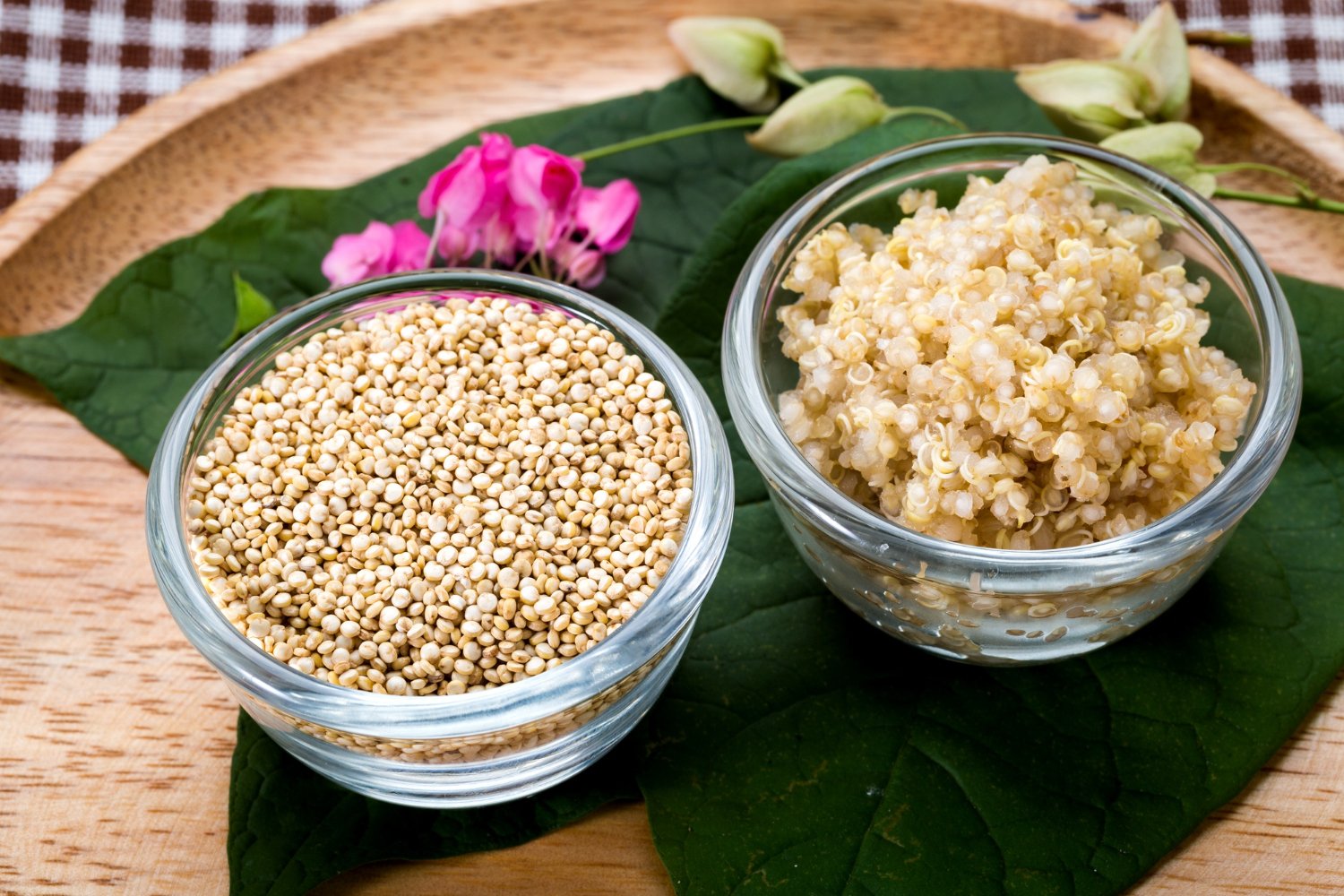
Quinoa is far more than just a trendy superfood—it’s a nutritionally complete pseudo-grain that has earned recognition as one of the world’s most nutritious seeds. Originally cultivated by ancient Andean civilizations for thousands of years, quinoa has become a staple for health-conscious individuals, athletes, and anyone seeking plant-based nutrition. Whether you’re vegan, vegetarian, or simply looking to diversify your diet, quinoa seeds offer exceptional health benefits backed by scientific research.[1][2][5]
What is Quinoa?
Quinoa (Chenopodium quinoa Willd) is technically a seed, not a grain, though it’s classified nutritionally as a whole grain.[5][6] Unlike most plant-based foods, quinoa is a complete protein, containing all nine essential amino acids that your body cannot produce on its own.[1][2][5] The Food and Agriculture Organization (FAO) recognized quinoa’s exceptional nutritional value by declaring 2013 the “Year of Quinoa,” highlighting its potential to combat world hunger and malnutrition.[6]
Key Nutritional Benefits of Quinoa Seeds
Complete Protein Source
One of quinoa’s most significant advantages is that it provides all nine essential amino acids, making it a complete protein.[1][2][4][5] A single cup of cooked quinoa delivers approximately 8 grams of protein.[5][7] This is particularly valuable for vegans and vegetarians who often struggle to find plant-based complete proteins.
Quinoa is exceptionally rich in lysine, an amino acid typically lacking in plant foods, along with methionine and histidine, further enhancing its protein quality.[2] Additionally, the protein in quinoa is highly digestible, meaning your body can efficiently absorb and utilize these amino acids for muscle building and immune system support.[2]
High Fiber Content
Quinoa contains 5.18 grams of fiber per 185-gram cup, significantly higher than most other grains.[3] This substantial fiber content supports digestive health by preventing constipation and promoting regular bowel movements. Research shows that people consuming the highest amounts of fiber have lower risks of colon cancer, as fiber moves food waste through the colon more quickly, reducing exposure to harmful substances.[4]
The fiber in quinoa also benefits heart health by helping regulate cholesterol and blood sugar levels, lowering your risk of diabetes and heart disease.[1]
Essential Vitamins and Minerals
Quinoa provides more magnesium, iron, fiber, and zinc than many common grains.[2][3] Here’s what one cup of cooked quinoa delivers:
| Nutrient | Amount | Daily Value Contribution |
|---|---|---|
| Protein | 8g | 16% |
| Fiber | 5g | 20% |
| Magnesium | 118mg | 28-38% |
| Manganese | 1.17mg | Essential for metabolism |
| Iron | Significant amount | Supports oxygen transport |
| Zinc | Present | Immune system support |
| Folate | Included | Cell division and growth |
| Phosphorus | Present | Bone health |
| Copper | Included | Collagen formation |
| Potassium | Present | Heart health |
| B Vitamins | B1, B6, Riboflavin | Energy metabolism |
Powerful Health Benefits of Quinoa Seeds
1. Weight Loss and Appetite Control
Quinoa’s combination of high protein and fiber makes it an ideal food for weight management.[1][4] Both nutrients take longer to digest, helping you feel fuller longer and reducing overall food intake. Unlike processed carbohydrates that cause blood sugar spikes, quinoa provides sustained energy that keeps hunger at bay throughout the day.[7]
2. Heart Health Support
The fiber in quinoa helps regulate cholesterol and blood sugar levels, directly supporting cardiovascular health.[1] Additionally, quinoa is rich in antioxidants—including kaempferol and squalene—which prevent damage to your heart and other organs.[1][2] A diet high in antioxidants has been linked with decreased risk of heart disease.[1][7]
Quinoa also contains phytosterols (118 mg per 100g), compounds that provide cholesterol-lowering effects and anti-inflammatory properties.[6] These plant compounds work synergistically to protect your cardiovascular system from chronic disease.
3. Blood Sugar Control and Diabetes Prevention
Research demonstrates that quinoa consumption helps lower blood sugar levels and triglycerides.[2] One study found that eating more quinoa significantly reduced diabetes risk in older individuals with prediabetes.[4] The combination of complex carbohydrates, fiber, and magnesium in quinoa helps stabilize blood glucose levels and improve insulin sensitivity.
Quinoa is also rich in magnesium—a mineral many people don’t get enough of—and higher dietary magnesium intake is associated with lower Type 2 diabetes risk.[4]
3. Digestive Health and Colon Cancer Prevention
The high fiber content in quinoa prevents or treats constipation and supports beneficial gut bacteria growth.[1] Research shows that fiber consumption significantly reduces colon cancer risk by moving waste through the digestive system quickly, preventing harmful substances from causing cell damage.[4]
4. Antioxidant Protection
Quinoa contains several powerful antioxidants including kaempferol, a polyphenol that may reduce your risk of chronic diseases, including cancer.[2] These antioxidant compounds protect your cells from oxidative damage and support overall longevity.[1][2][6]
5. Gluten-Free Alternative
Quinoa is naturally gluten-free, making it safe for people with celiac disease or gluten sensitivity.[2][5] For those seeking to replace traditional grains like wheat or rice, quinoa offers comparable or superior nutritional profiles while eliminating gluten concerns.[5]
6. Brain and Nervous System Health
One cup of cooked quinoa provides 39 grams of carbohydrates, which are the brain’s preferential fuel source.[7] Additionally, quinoa’s B vitamins play crucial roles in energy metabolism and maintaining a healthy nervous system, supporting cognitive function and mental clarity.[7]
How to Use Quinoa Seeds
Quinoa’s versatility makes it easy to incorporate into any diet:
- Breakfast bowls – Mix cooked quinoa with yogurt, berries, nuts, and honey
- Salads – Combine quinoa with fresh vegetables, olive oil, and lemon dressing
- Main courses – Use as a rice substitute in stir-fries or grain bowls
- Soups and stews – Add cooked quinoa for extra protein and nutrition
- Baking – Incorporate quinoa flour into bread and baked goods
- Energy balls – Mix with dates, nuts, and dark chocolate
Medicinal and Therapeutic Uses
Obesity Management
The complete protein and high fiber content in quinoa make it an excellent choice for weight management programs.[1][4]
Diabetes Prevention and Management
Studies indicate that quinoa consumption helps lower blood sugar levels and may prevent Type 2 diabetes, particularly when combined with fruits, vegetables, and other whole grains.[4]
Cardiovascular Disease Prevention
Quinoa’s fiber, antioxidants, and phytosterols work together to reduce heart disease risk by lowering cholesterol and blood pressure.[1][7]
Anemia Support
With significant iron content and enhanced absorption due to its acidic properties, quinoa can help address iron-deficiency anemia.[6]
Celiac Disease and Gluten Sensitivity
As a naturally gluten-free whole grain, quinoa provides complete nutrition for those who cannot tolerate gluten.[5]
Nutritional Comparison: Quinoa vs. Other Grains
Quinoa’s nutritional profile significantly exceeds common grain alternatives like rice, wheat, and oats, particularly in protein completeness and mineral density.[2][3]
Reducing Anti-Nutrients
One consideration: quinoa contains phytic acid, an anti-nutrient that can reduce mineral absorption.[2] However, this can be easily minimized by soaking or sprouting quinoa before cooking, which significantly reduces phytic acid content while preserving all other nutrients.[2]
Final Thoughts
Quinoa seeds represent an evidence-based nutritional investment for anyone seeking to optimize their health. Whether your goal is weight loss, improved heart health, diabetes prevention, or simply increasing your daily nutrient intake, quinoa delivers measurable results. Replacing traditional grains like rice or wheat with quinoa is an excellent way to boost your diet’s nutritional density while maintaining a versatile, delicious eating experience.
Start incorporating quinoa into your meals today and experience the transformative power of this ancient superfood.[1][2][5]
