In the vibrant world of leafy greens, one vegetable stands out for its unique crunch, mild flavor, and staggering nutritional profile: Bok Choy. Also known as Pak Choi or Chinese cabbage, this humble vegetable is a cornerstone of Asian cuisine and is rapidly gaining superstar status in Western kitchens. But what exactly is Bok Choy, and why should you make it a staple in your diet?
This comprehensive guide will delve deep into the world of Bok Choy. We’ll explore its rich history, unpack its powerful medical benefits backed by science, break down its complete nutrition facts, and explain its potent role in weight management. We’ll also cover who can safely enjoy this green giant and who might need to exercise caution. Prepare to discover why Bok Choy is more than just a side dish—it’s a nutritional powerhouse.
What is Bok Choy? A Brief Introduction
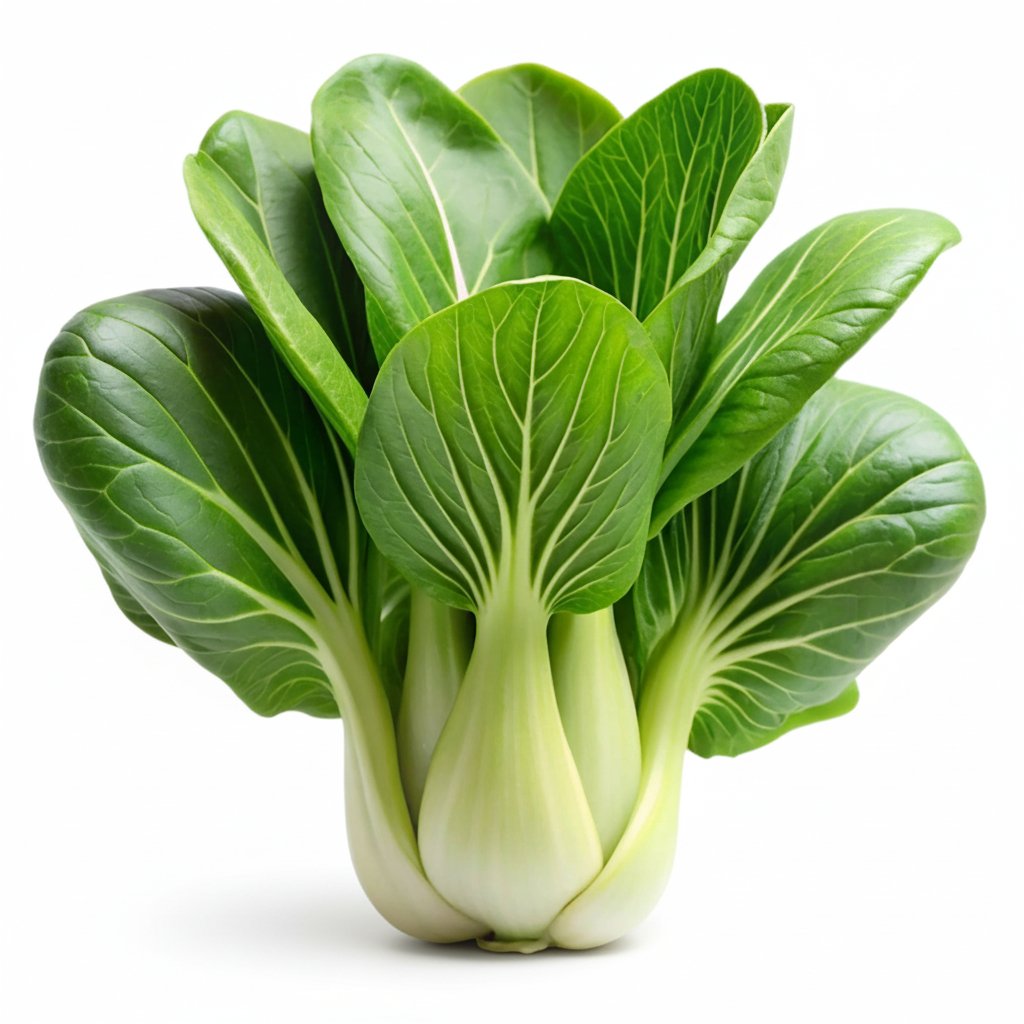
Bok Choy (Brassica rapa subsp. chinensis) is a type of Chinese cabbage that belongs to the cruciferous vegetable family, making it a close relative of broccoli, kale, cauliflower, and Brussels sprouts. Unlike its round-headed cousins, Bok Choy doesn’t form a tight head. Instead, it features dark, leafy greens with crisp, white or pale green stalks that resemble celery, all bundled together.
Its flavor is subtly sweet and mildly peppery, with a satisfying crunch from the stalks and a tender texture from the leaves. This versatility makes it a fantastic addition to a myriad of dishes, from quick stir-fries and hearty soups to fresh salads.
A Culinary Staple for Centuries With a history spanning over 1,500 years in Eastern Asia, Bok Choy is deeply embedded in Chinese culture and medicine. It was traditionally valued not only for its taste but also for its cooling properties and ability to support overall wellness. Today, modern science is catching up, confirming what ancient practitioners long believed.
The Remarkable Medical Benefits of Bok Choy: More Than Just a Green
Bok Choy isn’t just low in calories; it’s densely packed with vitamins, minerals, and unique plant compounds that offer profound health advantages. Incorporating this vegetable into your diet can contribute significantly to your long-term well-being.
1. Potent Cancer-Fighting Properties
As a cruciferous vegetable, Bok Choy is rich in glucosinolates. These sulfur-containing compounds are broken down during chewing and digestion into biologically active substances like indoles and isothiocyanates, which have been extensively studied for their anti-cancer effects.
- Research Insight: Studies have shown that these compounds can help inhibit the development of cancer cells by protecting cells from DNA damage, inactivating carcinogens, and exhibiting anti-inflammatory effects. Regular consumption of cruciferous vegetables like Bok Choy is associated with a lower risk of several cancers, including lung, prostate, breast, and colorectal cancer.
2. Promotes Strong and Healthy Bones
Bok Choy is an excellent source of Vitamin K and a good source of calcium and phosphorus—three essential nutrients for bone health.
- Vitamin K: Acts as a modifier of bone matrix proteins, improves calcium absorption, and may reduce urinary excretion of calcium. Just one cup of cooked Bok Choy provides well over 100% of your daily Vitamin K needs.
- Calcium & Phosphorus: These minerals work in tandem to build and maintain the structural integrity of your bones and teeth.
3. Supports Heart Health and Regulates Blood Pressure
The nutrient profile of Bok Choy is a recipe for a healthy cardiovascular system.
- Potassium: This vital mineral acts as a vasodilator, meaning it helps to relax blood vessels, improving blood flow and reducing strain on the cardiovascular system. This directly contributes to lowering high blood pressure.
- Folate and Vitamin B6: These B vitamins help break down homocysteine, an amino acid that, at high levels, can damage blood vessel walls and increase the risk of heart disease.
- Antioxidants: The antioxidants in Bok Choy, including Vitamin C and beta-carotene, combat oxidative stress and inflammation, which are key drivers of heart disease.
4. Boosts Immunity and Enhances Skin Health
Bok Choy is loaded with Vitamin C, a powerful antioxidant that is crucial for a robust immune system. It stimulates the production and function of white blood cells. Furthermore, Vitamin C is essential for the production of collagen, the primary structural protein in your skin. Adequate collagen leads to firmer, more youthful, and resilient skin.
5. Improves Eye Health and Vision
The dark green leaves of Bok Choy are rich in Vitamin A in the form of beta-carotene, as well as other carotenoids like lutein and zeaxanthin. These compounds are known to protect the eyes from harmful blue light and reduce the risk of age-related macular degeneration (AMD) and cataracts.
6. Powerful Anti-Inflammatory Effects
Chronic inflammation is at the root of many modern diseases, from arthritis to diabetes. The antioxidants and phytonutrients in Bok Choy, such as the aforementioned glucosinolates and various flavonoids, have strong anti-inflammatory properties, helping to calm systemic inflammation throughout the body.
Bok Choy Nutrition: A Deep Dive into the Powerhouse
To truly appreciate Bok Choy, let’s look at its nutritional data. The numbers are impressive, especially for such a low-calorie food.
Nutritional Profile of Bok Choy (per 1 cup, shredded, raw – 70g)
| Nutrient | Amount | % Daily Value (DV) |
|---|---|---|
| Calories | 9 kcal | <1% |
| Protein | 1.05 g | 2% |
| Total Fat | 0.14 g | <1% |
| Carbohydrates | 1.53 g | <1% |
| Dietary Fiber | 0.7 g | 3% |
| Sugars | 0.83 g | |
| Vitamins | ||
| Vitamin A (RAE) | 312.5 µg | 35% |
| Vitamin C | 31.5 mg | 35% |
| Vitamin K | 31.9 µg | 27% |
| Folate (B9) | 46.2 µg | 12% |
| Minerals | ||
| Calcium | 74 mg | 6% |
| Iron | 0.56 mg | 3% |
| Potassium | 176 mg | 4% |
| Manganese | 0.13 mg | 6% |
Source: USDA FoodData Central
Key Takeaways from the Data:
- Extremely Low-Calorie: With only 9 calories per cup, it’s a “free” food for weight loss.
- Nutrient Density Champion: It provides a significant percentage of Vitamins A, C, and K for a negligible calorie cost.
- Hydrating: It has a very high water content, which aids in hydration and satiety.
- Low-Carb and Low-Sugar: Its minimal carbohydrate and sugar content make it ideal for low-carb and ketogenic diets.
Bok Choy for Weight Loss: Your Secret Weapon for Shedding Pounds
If you’re on a journey to lose weight, Bok Choy deserves a permanent spot on your grocery list. Here’s how it supports your goals:
1. Incredibly Low in Calories
The fundamental principle of weight loss is a calorie deficit. Bok Choy allows you to add significant volume to your meals without adding significant calories. You can bulk up stir-fries, soups, and salads, making you feel full and satisfied while keeping your overall calorie intake low.
2. High Water and Fiber Content for Satiety
Bok Choy is composed of over 95% water. Foods with high water content have a low energy density, meaning they fill up your stomach with very few calories. Combined with its dietary fiber, which slows down digestion, it promotes a lasting feeling of fullness (satiety). This helps curb cravings and prevents overeating and snacking between meals.
3. Rich in Nutrients That Support Metabolism
Weight loss isn’t just about calories; it’s about a healthy metabolism. Bok Choy provides nutrients that are co-factors in the body’s energy-production processes.
- B Vitamins: Essential for converting food into usable energy.
- Iron: Crucial for oxygen transport in the blood, which is necessary for energy production and physical endurance.
Simple Weight-Loss Friendly Recipe Idea: Garlic Ginger Bok Choy Stir-Fry
markdown
1.  **Chop** one large head of Bok Choy, separating the crunchy white stalks from the green leaves.
2.  **Heat** 1 tbsp of avocado oil in a wok or large pan over medium-high heat.
3.  **Sauté** 2 minced garlic cloves and 1 tbsp of freshly grated ginger for 30 seconds until fragrant.
4.  **Add** the chopped Bok Choy stalks and stir-fry for 2-3 minutes.
5.  **Add** the green leaves and 2 tbsp of low-sodium soy sauce or tamari.
6.  **Stir-fry** for another 1-2 minutes until the leaves are wilted and the stalks are tender-crisp.
7.  **Serve** immediately as a side or over brown rice with grilled chicken or tofu for a complete, low-calorie meal.
Who Can and Should Eat Bok Choy?
Bok Choy is a wonderfully inclusive vegetable that can benefit almost everyone.
- People on Weight Loss Journeys: Its low-calorie, high-volume nature is perfect for creating satisfying meals.
- Those with Heart Concerns: Its potassium and folate content supports cardiovascular health.
- Individuals Looking to Boost Immunity: The high Vitamin C content is a major immune booster.
- People on Plant-Based or Vegan Diets: It’s a great source of plant-based calcium.
- Anyone Seeking a Nutrient-Dense Diet: It’s one of the best ways to load up on essential vitamins and minerals.
Who Should Be Cautious with Bok Choy?
While Bok Choy is safe and healthy for most people, there are two primary groups who should moderate their intake.
1. Individuals on Blood Thinners (e.g., Warfarin/Coumadin)
Bok Choy is extremely high in Vitamin K, which plays a central role in blood clotting. For individuals taking blood-thinning medications, a sudden and significant increase or decrease in Vitamin K intake can interfere with the medication’s efficacy. It’s crucial for these individuals to maintain a consistent intake of Vitamin K-rich foods rather than avoid them entirely. Always consult with your doctor or a registered dietitian for personalized advice.
2. People with Thyroid Conditions (in very high, raw consumption)
As a cruciferous vegetable, Bok Choy contains compounds called goitrogens, which can interfere with thyroid hormone production by inhibiting iodine uptake by the thyroid gland. However, this is generally only a concern for individuals with an existing iodine deficiency or those consuming very large quantities of raw Bok Choy daily.
For the vast majority of people, this is not an issue. Cooking significantly reduces the goitrogenic activity. If you have a thyroid condition, it is perfectly safe to enjoy cooked Bok Choy in moderation as part of a balanced diet.
