
Introduction
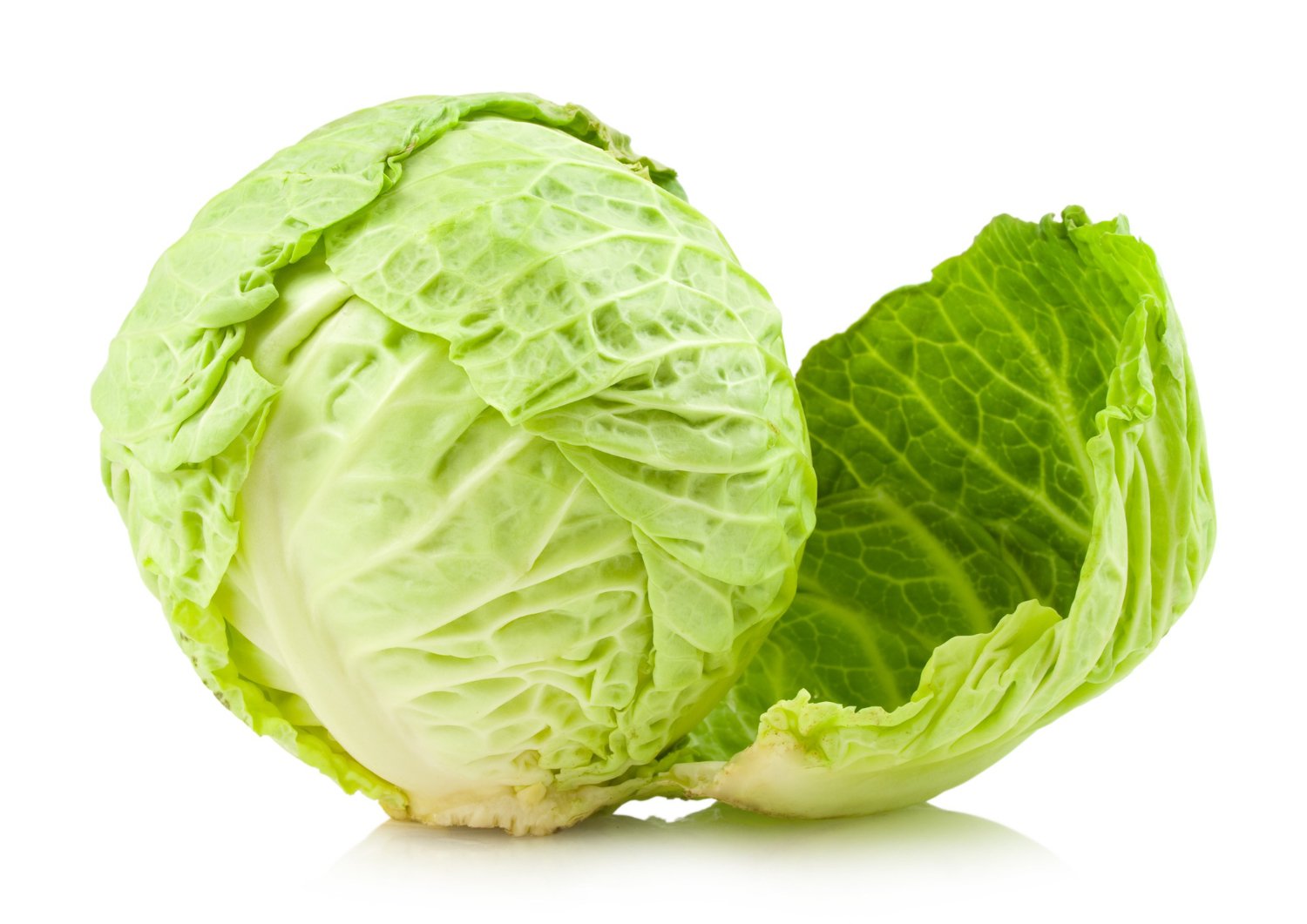
Cabbage (Brassica oleracea var. capitata) is a cool-season vegetable grown worldwide for its compact, layered heads and versatile culinary uses. Low in calories but rich in vitamins, minerals, fiber, and beneficial phytochemicals, cabbage is a great choice for home gardens and small farms. This guide explains cabbage’s botanical background, nutritional benefits, popular varieties, step-by-step growing instructions, care and pest management, harvesting and storage tips, culinary uses, and sustainability practices to help you succeed from seed to table.
What is Cabbage? (Botanical background)
Cabbage is a member of the Brassicaceae family and part of the species Brassica oleracea. The capitata group is characterized by tightly packed leaves forming a round or slightly flattened head. Cabbage shares a species with kale, broccoli, cauliflower, Brussels sprouts, and kohlrabi — all are cultivated varieties of B. oleracea. Native to temperate regions of Europe, cabbage has been domesticated for millennia and adapted to many climates. It grows best in cool weather and is typically produced as a spring or fall crop.
Nutritional Value & Health Benefits
Cabbage is nutrient-dense:
- Vitamins and minerals:
- High in vitamin C and vitamin K.
- Contains B vitamins, vitamin A (small amounts), potassium, calcium, magnesium, and iron.
- Fiber:
- A good source of dietary fiber, aiding digestion and satiety.
- Phytochemicals:
- Contains glucosinolates and antioxidants (e.g., anthocyanins in red cabbage), linked to anti-inflammatory and potential cancer-protective effects.
- Fermented benefits:
- Sauerkraut and kimchi add probiotics, supporting gut health and immunity.
Regular consumption supports immune function, bone health (via vitamin K), and digestive wellness. Cooking reduces some vitamin C but can improve the availability of other nutrients; raw and lightly cooked preparations both have value.
Popular Varieties
- Green cabbage — the most common type with firm, dense heads suitable for cooking and long-term storage.
- Red (purple) cabbage — vibrant color from anthocyanins; excellent raw or pickled.
- Savoy cabbage — crinkled, tender leaves; milder flavor, great for salads and stuffing.
- Napa (Chinese cabbage) — elongated heads, softer leaves; central to many Asian dishes.
- Early vs. late maturity — early varieties mature quickly for spring harvests; late-season storage types keep into winter when stored properly.
Choose varieties based on climate, days-to-maturity, intended use (fresh eating, fermentation, storage), and available space.
How to Grow Cabbage (Step-by-step)
- Site selection and soil preparation
- Sunlight: Full sun (6–8 hours daily) for best head development.
- Soil: Well-draining loam, rich in organic matter; ideal pH 6.0–7.0.
- Preparation: Work in 2–4 inches of compost or well-rotted manure before planting to supply steady nutrients.
- Starting seeds and transplanting
- Start seeds indoors 6–8 weeks before the last frost for spring crops. For fall crops, start seeds in midsummer or plant transplants in mid to late summer for a cool-season finish.
- Harden off transplants for 7–10 days before planting outside to reduce shock.
- Planting and spacing
- Transplant seedlings 12–24 inches (30–60 cm) apart depending on variety size; rows 24–36 inches (60–90 cm) apart.
- Plant at the same depth as in the pot; press soil firmly to eliminate air pockets.
- Watering and mulching
- Maintain even soil moisture — about 1–1.5 inches per week. Irregular watering can cause split heads or bitter taste.
- Apply 2–3 inches of organic mulch (straw, shredded leaves) to retain moisture, regulate soil temperature, and suppress weeds.
- Fertilization
- Cabbage is a heavy feeder: side-dress with a nitrogen-rich fertilizer when plants are established and again as heads begin to form. Over-fertilization late in the season can reduce storage life, so balance nitrogen with potassium and phosphorus for root and head quality.
- Timing and climate notes
- Ideal temperature range is 45–75°F (7–24°C). Heat may cause bolting (premature flowering) or loose, poorly formed heads. In hot climates, grow cabbage as a cool-season crop in fall and winter where possible.
Care & Maintenance
- Thinning and crowd control:
- Thin seedlings if multiple seeds were sown in one spot. Proper spacing ensures full head development and disease airflow.
- Weed and soil care:
- Keep beds weed-free with shallow cultivation to avoid damaging shallow roots. Mulches help reduce weeds.
- Crop rotation:
- Rotate brassicas with unrelated crops (legumes, solanaceae, etc.) on a 3-year cycle to minimize soil-borne diseases and pests.
- Monitoring nutrient needs:
- Pale or yellow leaves often indicate nitrogen deficiency; address early with balanced fertilization or compost teas.
Common Pests & Diseases and Management
- Common pests:
- Cabbage worms (cabbage loopers, imported cabbageworms), aphids, flea beetles, cabbage root maggot, slugs/snails.
- Preventive measures: floating row covers protect young plants; handpick visible caterpillars and slugs; use diatomaceous earth around plants if needed.
- Biological controls: Bacillus thuringiensis (Bt) targets caterpillars; encourage beneficial insects (ladybugs, lacewings, parasitic wasps).
- Diseases:
- Black rot (bacterial), clubroot (soil), downy mildew, fusarium wilt.
- Management: use disease-resistant varieties when available, ensure good drainage, avoid overhead watering, maintain crop rotation, and remove infected plants promptly. For clubroot, liming acidic soils can reduce severity.
- Integrated Pest Management (IPM):
- Combine cultural controls (row covers, rotation), biological tools (predators, Bt), and targeted chemical controls only when needed. Regular monitoring and early action reduce crop loss and pesticide dependence.
Harvesting & Storage
- Harvest timing:
- Harvest when heads are firm to the touch and reach expected size for the variety. Cut heads with a sharp knife at the base, leaving outer leaves and roots if you plan to harvest secondary heads or regrow in mild climates.
- Storage:
- Storage varieties (especially green and some savoy types) can keep 1–4 months at 32–40°F (0–4°C) with high humidity. Avoid bruising, and store whole heads in perforated plastic or a cool root cellar.
- Short-term refrigeration: up to 2 weeks. Fermentation: shredded and salted for sauerkraut or kimchi extends shelf life and adds probiotics.
Culinary Uses & Recipe Ideas
- Raw:
- Coleslaw, shredded salads, wraps. Red cabbage adds color and antioxidants.
- Cooked:
- Sautéed or braised cabbage with bacon or vinegar, stir-fries, soups, and stuffed cabbage rolls. Cook gently to preserve texture and nutrients.
- Fermented:
- Sauerkraut and kimchi — add probiotics and intense flavor. Fermented cabbage pairs with meats, sandwiches, and as a side dish.
- Tips:
- Slice thin for raw dishes; salt slightly and let sit to soften. Add acid (lemon, vinegar) to brighten cooked cabbage flavors. Use the core in stocks to avoid waste.
Sustainability & Companion Planting
- Companion planting:
- Plant dill, thyme, onions, and herbs nearby to attract beneficial insects; marigolds may deter some pests. Avoid planting brassicas next to strawberries and tomatoes which can suffer from shared pests and diseases.
- Soil health:
- Incorporate compost and rotate crops to maintain fertility and reduce disease pressure. Use cover crops in off-season to prevent erosion and fix nitrogen (legumes).
- Water efficiency:
- Use drip irrigation and mulch to reduce evaporation and conserve water.
FAQs
- When should I plant cabbage?
- Start seeds indoors 6–8 weeks before the last frost for spring crops. For fall crops, transplant in mid-summer for maturity in cooler weather.
- Why are my cabbage heads loose?
- Causes include heat stress, inconsistent water, low fertility, or planting a variety not suited to your season. Ensure proper watering, feeding, and choose appropriate varieties.
- How do I prevent cabbage worms?
- Use floating row covers until plants are large, handpick caterpillars, encourage predators, and use Bt if necessary.
- Can cabbage be grown in containers?
- Yes. Use a large container (minimum 12–18 inches deep), quality potting mix, and a compact variety. Ensure regular watering and fertilization.
