Introduction
Red cabbage, also known as purple cabbage, is a nutrient-dense vegetable prized for its vibrant color, crunchy texture, and impressive health benefits. A member of the Brassica family, it’s closely related to green cabbage, kale, and Brussels sprouts, but stands out for its higher antioxidant content and unique phytochemical profile[1][5]. This article explores everything you need to know about red cabbage—from its nutritional value and health perks to simple, tasty ways to prepare it.
What Is Red Cabbage?
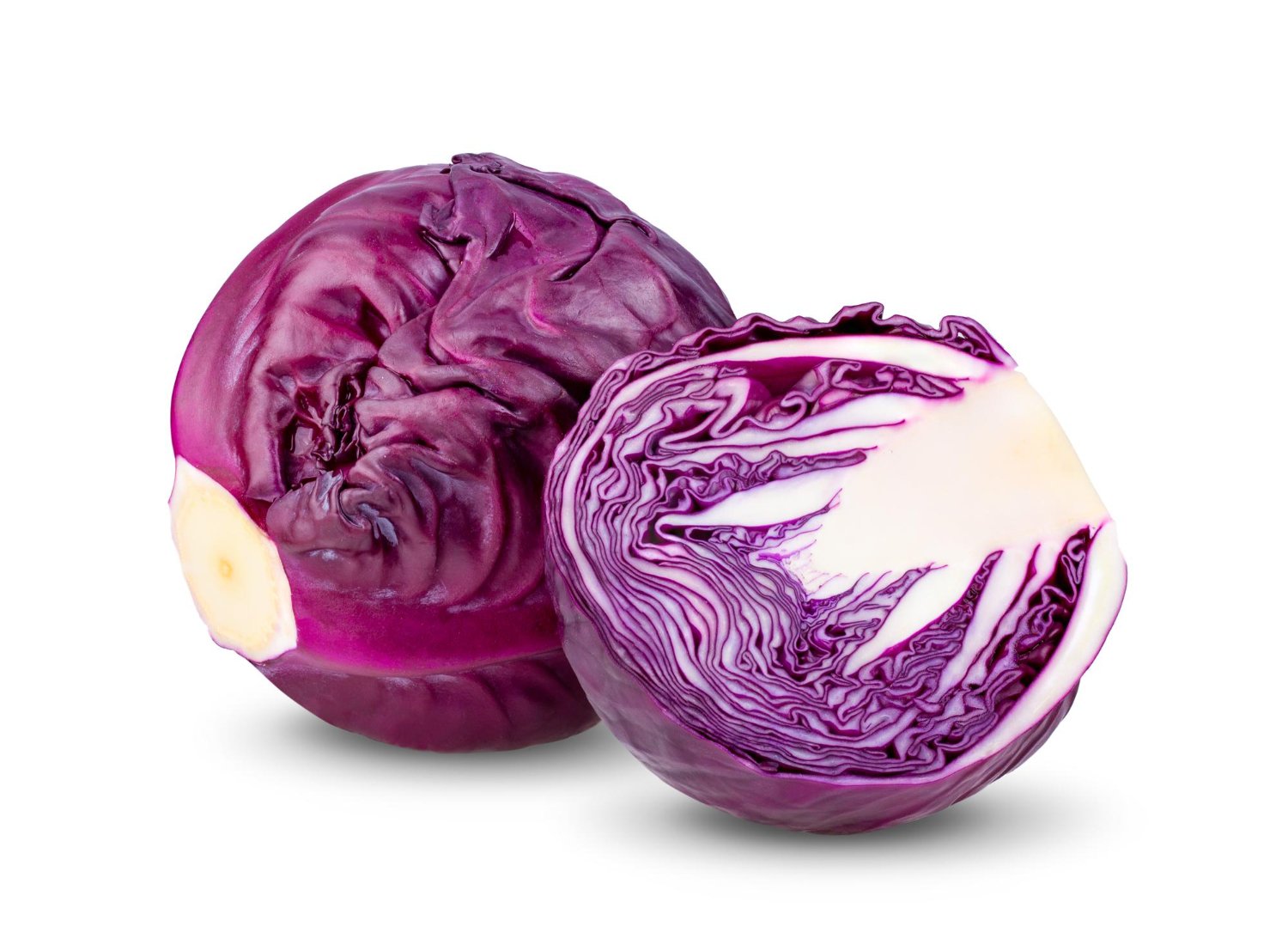
Red cabbage is a round, dense vegetable with deep purple-red leaves. It’s in season from September to December in the UK, but available year-round in many regions[1]. The color comes from natural plant pigments called anthocyanins, which also contribute to its health-promoting properties[3][4]. It can be eaten raw or cooked, offering a slightly peppery flavor when raw and a sweeter, softer taste when cooked[1].
Nutritional Profile of Red Cabbage
Red cabbage is low in calories but high in essential vitamins, minerals, and fiber. Here’s a detailed look at its nutritional content per typical serving:
| Nutrient | Amount per 80g (boiled)[1] | Amount per 100g (raw)[2] | % Daily Value (Raw, per cup)[4] |
|---|---|---|---|
| Calories | 12 kcal | ~22 kcal | — |
| Protein | 0.6g | 1.28g | — |
| Fat | 0.2g | 0.1g | — |
| Carbohydrates | 1.8g | 5.8g | — |
| Fiber | 1.8g | 2.5g | — |
| Vitamin C | 26mg | — | 56% |
| Vitamin K | — | — | 28% |
| Potassium | 104mg | — | — |
| Folate | 25mcg | — | — |
| Calcium | — | 40mg | — |
| Iron | — | 0.47mg | — |
| Anthocyanins | High | Very High | — |
Key Points:
- Low in calories—ideal for weight management[1][3].
- Excellent source of vitamin C—supports immunity and skin health[1][3][4].
- Rich in fiber—promotes digestive health[1][3].
- Contains vitamin K, folate, potassium, calcium, and iron[1][2][4].
- Packed with anthocyanins—powerful antioxidants responsible for its color and many health benefits[3][4][5].
Health Benefits of Red Cabbage
1. Rich in Antioxidants
Red cabbage is one of the best vegetable sources of antioxidants, especially anthocyanins. These compounds help neutralize harmful free radicals, reducing oxidative stress and inflammation in the body[2][4][5]. In fact, red cabbage may contain up to eight times more antioxidants than green cabbage[5].
2. Supports Heart Health
Population studies link higher anthocyanin intake to a reduced risk of cardiovascular disease, lower blood pressure, and a lower likelihood of heart attacks[3][4]. Red cabbage contains over 36 types of anthocyanins, making it a standout for heart health[4].
3. Fights Inflammation
The antioxidants and phytochemicals in red cabbage have anti-inflammatory effects, which may help protect against chronic diseases like arthritis and certain cancers[1][2].
4. May Have Anti-Cancer Properties
Red cabbage contains glucosinolates and other compounds that have been studied for their potential to inhibit cancer cell growth[1][2]. Regular consumption of cruciferous vegetables like red cabbage is associated with a lower risk of certain cancers.
5. Promotes Gut Health
The fiber in red cabbage supports healthy digestion and feeds beneficial gut bacteria, which is important for overall health and may reduce the risk of colorectal cancer[1][5].
6. Strengthens Bones
Red cabbage provides vitamins C and K, calcium, manganese, and zinc—all essential for bone health and maintenance[4].
7. May Extend Lifespan
Emerging research in cell and animal models suggests that red cabbage extracts can increase stress resistance and lifespan, likely due to their high levels of bioactive compounds[2].
Red Cabbage vs. Green Cabbage
While both are nutritious, red cabbage has some distinct advantages:
| Feature | Red Cabbage | Green Cabbage |
|---|---|---|
| Antioxidants | Much higher (esp. anthocyanins)[5] | Lower |
| Vitamin C | Higher[7] | Lower |
| Vitamin A | Higher[7] | Lower |
| Vitamin K | Slightly lower[7] | Higher |
| Folate | Slightly lower[7] | Higher |
| Color | Deep purple-red | Pale green |
| Flavor | Peppery, earthy | Milder, sweeter |
Both types are low in calories, high in fiber, and rich in vitamins and minerals.
How to Select and Store Red Cabbage
- Choose heads that feel heavy for their size, with crisp, tightly packed leaves and vibrant color.
- Avoid cabbages with wilted, browning, or damaged outer leaves.
- Store whole heads in the refrigerator crisper drawer, wrapped in plastic, for up to 2 weeks. Once cut, wrap tightly and use within a few days.
How to Prepare and Cook Red Cabbage
Red cabbage is versatile—enjoy it raw, steamed, braised, or fermented. Here are some easy ideas:
Raw Red Cabbage Recipes
- Slaws and Salads: Shred and toss with olive oil, vinegar, salt, and pepper for a crunchy, colorful salad[3]. Add carrots, apples, or nuts for extra texture.
- Tacos and Wraps: Use raw shredded red cabbage as a topping for added crunch and nutrition.
Cooked Red Cabbage Recipes
- Braising: Cook with apples, onions, vinegar, and a touch of honey or cider for a sweet-sour side dish[1].
- Stir-Fries: Add sliced red cabbage to stir-fries for color and crunch.
- Soups and Stews: Incorporate into soups for extra fiber and antioxidants.
Fermented Red Cabbage
- Sauerkraut: Ferment shredded red cabbage with salt to create a probiotic-rich condiment.
Potential Drawbacks and Considerations
- Goitrogens: Like other cruciferous vegetables, red cabbage contains compounds that may interfere with thyroid function in large amounts, especially if eaten raw. Cooking reduces this effect.
- Gas and Bloating: High fiber content may cause digestive discomfort in some people. Start with small portions if you’re not used to high-fiber foods.
- Oxalates: Contains low to moderate levels of oxalates, which may be a concern for people with a history of kidney stones.
Frequently Asked Questions
Is red cabbage better than green cabbage?
Red cabbage generally has more antioxidants, vitamin C, and vitamin A, while green cabbage has more vitamin K and folate. Both are healthy choices, but red cabbage stands out for its anthocyanin content[5][7].
Can you eat red cabbage raw?
Yes, red cabbage is delicious and nutritious when eaten raw in salads and slaws[3].
Does cooking red cabbage destroy its nutrients?
Some nutrients, like vitamin C, can be reduced by cooking, but others become more bioavailable. A mix of raw and cooked red cabbage is ideal for maximizing benefits.
How much red cabbage should I eat?
Aim for at least one 80g serving (about 1 cup shredded) several times a week as part of a varied diet[1].
Conclusion
Red cabbage is a nutritional powerhouse, offering a unique combination of vitamins, minerals, fiber, and potent antioxidants. Its health benefits range from supporting heart and bone health to potentially reducing cancer risk and promoting longevity[1][2][4]. Easy to prepare and delicious in a variety of dishes, red cabbage is a smart addition to any diet. Try incorporating it into your meals to enjoy its vibrant color, crisp texture, and impressive health perks.
