

Why Jamun Beats Most Berries for Blood Sugar Control

By A Reza, Health & Nutrition Writer
7 June 2026 · 6 min read · 100 views
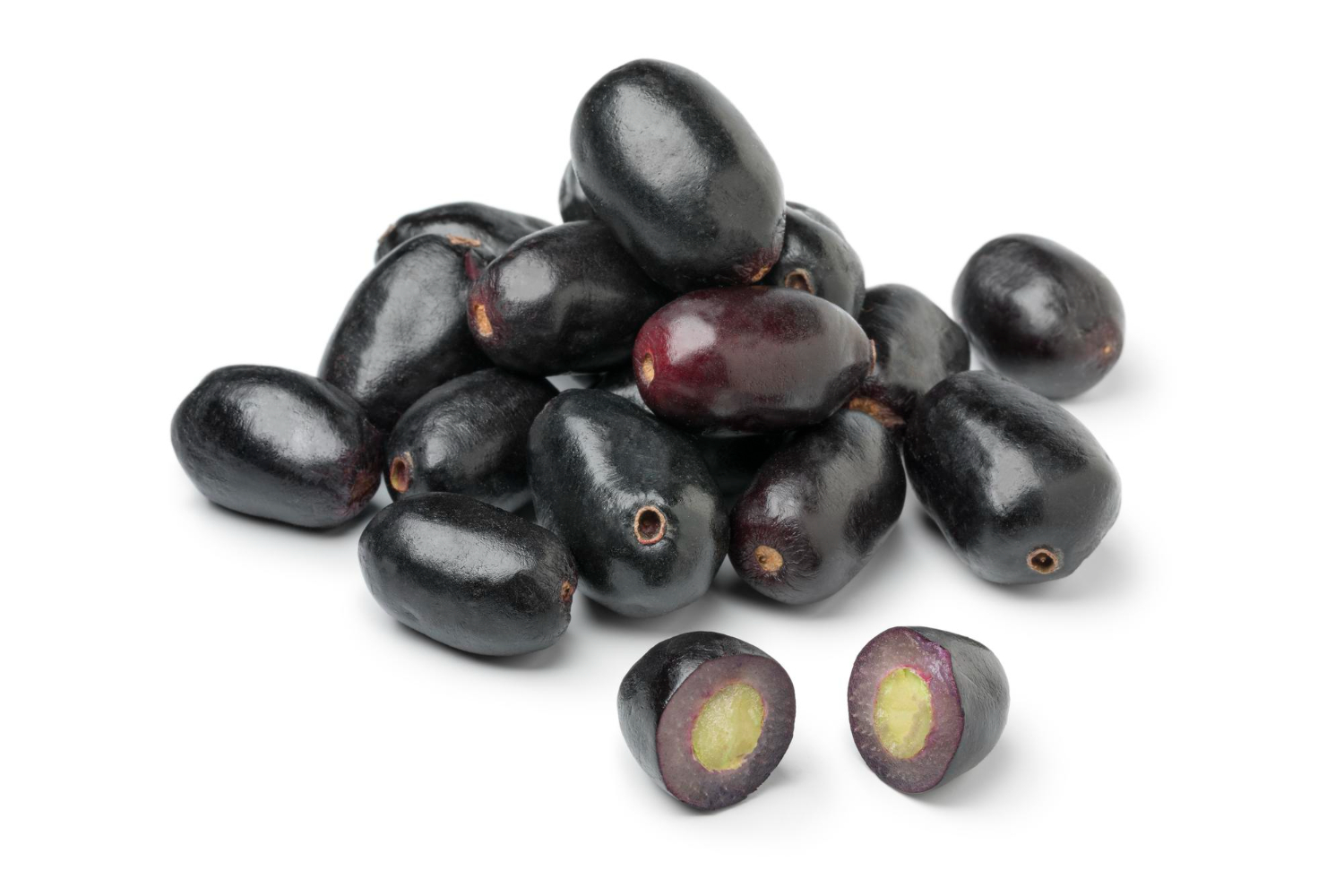
Jamun outperforms many popular berries when it comes to managing blood sugar. Here's what makes this humble Indian fruit so powerful for glucose control.
Why Jamun Beats Most Berries for Blood Sugar Control
Pick up a handful of jamun — those deep purple, slightly tart fruits that stain your tongue — and you're holding one of the most underrated blood sugar-friendly foods in existence. While blueberries and acai get all the superfood glory, jamun (Syzygium cumini) has been quietly doing the hard work in Ayurvedic medicine for centuries. Modern science is now catching up, and the results are genuinely interesting.
What Makes Jamun Different from Other Berries
Most berries earn their health reputation from antioxidants like anthocyanins. Jamun has those too — in fact, its deep violet colour comes from a dense concentration of them. But what sets jamun apart is a specific set of compounds that directly influence how your body processes sugar.
Jamun contains jamboline and jambosine, two alkaloids found almost nowhere else in the fruit world. These compounds are believed to slow the conversion of starch into sugar in the digestive tract, which means glucose enters your bloodstream more gradually after a meal. That's exactly what you want for steady energy and better blood sugar management.
Blueberries, raspberries, and strawberries are excellent fruits. But none of them carry this particular combination of glucose-slowing compounds. That's the key difference.
The Glycemic Index Angle
Jamun has a glycemic index (GI) of around 25, which places it firmly in the low-GI category. For context, that's lower than most common fruits, including apples and grapes. A low GI means the fruit causes a slower, more gradual rise in blood glucose compared to high-GI foods.
Blueberries sit at a GI of roughly 53 — still moderate and perfectly fine for most people — but noticeably higher than jamun. Strawberries come in around 40. Cherries are close to 20, making them a fair rival, but they lack jamun's unique alkaloid profile.
For someone actively managing type 2 diabetes or pre-diabetes, that difference between a GI of 25 and 53 can genuinely matter over daily meals.
How Jamun Supports Insulin Function
Beyond slowing sugar absorption, jamun appears to support insulin activity itself. Research in animal models and some early human studies suggests that jamun seed extract may help improve insulin sensitivity and support pancreatic beta cell function — the cells responsible for producing insulin.
The seeds are particularly potent. Dried jamun seed powder has been used traditionally in India as a remedy for diabetes-related symptoms. While it's not a replacement for prescribed medication, it's one of the reasons healthcare practitioners in integrative medicine still recommend it as a dietary adjunct.
The fruit's polyphenols also reduce oxidative stress, which is known to worsen insulin resistance over time. So you're getting multiple angles of support from a single fruit.
Jamun vs. Popular "Superfood" Berries

Let's put it side by side honestly:
| Fruit | GI | Unique Blood Sugar Compound | Antioxidants |
|---|---|---|---|
| Jamun | ~25 | Jamboline, Jambosine | Very High |
| Blueberry | ~53 | None specific | High |
| Strawberry | ~40 | None specific | Moderate-High |
| Acai | ~15 | None specific | Very High |
| Blackberry | ~25 | None specific | High |
Acai comes close on GI and antioxidants, but it doesn't have jamun's specific anti-diabetic alkaloids, and in India and South Asia, fresh acai is expensive and hard to find. Jamun grows locally, ripens in summer, and costs a fraction of imported superfoods.
Practical Ways to Eat More Jamun
Fresh jamun is seasonal — mostly available between June and August in India. Here's how to make the most of it:
- Eat it fresh with a pinch of rock salt. The salt enhances its slightly astringent flavour and makes it easier to eat in larger quantities.
- Make jamun vinegar. Fermented jamun vinegar is a traditional preparation that retains many beneficial compounds and can be added to salad dressings or water.
- Use dried jamun seed powder. Available year-round at Ayurvedic stores, it can be stirred into warm water or added to smoothies. Start with a small amount — about half a teaspoon — and see how your body responds.
- Jamun juice (unsweetened). Commercially available, though always check the label. Avoid varieties with added sugar, which would defeat the purpose entirely.
- Freeze them. If you can get fresh jamun during season, freeze a batch. They retain most of their nutritional profile when frozen, similar to how frozen blueberries work.
Who Should Be Especially Interested
If you have pre-diabetes or type 2 diabetes, regularly eating jamun during its season is a simple, affordable dietary addition worth considering. Talk to your doctor or dietitian before dramatically increasing your intake, especially if you're on blood sugar medication — because jamun can actually lower glucose levels and you'd want to avoid going too low.
People with a family history of diabetes, or those who notice blood sugar fluctuations after meals, can also benefit from including jamun as part of a balanced, low-GI diet.
It's also a good fruit for weight management. Jamun is low in calories (around 60-70 per 100g), high in water content, and reasonably filling. The fibre helps slow digestion, which has the added benefit of keeping you fuller for longer.
A Note on Realistic Expectations
Jamun is not a cure. Eating a cup of jamun won't fix insulin resistance that's been building for years, and it won't replace medication or lifestyle changes. What it can do is contribute meaningfully to a dietary pattern that supports better blood sugar control over time.
Think of it like this: if you're building a healthy diet brick by brick, jamun is a surprisingly strong brick that most people in Western countries overlook simply because they haven't heard of it.
Latest Articles
How to Eat Soaked Almonds Daily for Best Results
Soaked almonds pack more nutrition than raw ones. Here's exactly how to eat them daily — the right time, quantity, and simple habits that actually work.
How to Feed Goats During Monsoon Season
Monsoon changes everything for goat farmers. Learn exactly what to feed your goats during the rainy season to keep them healthy, productive, and disease-free.

Best Feed for Goats in Summer Heat
Struggling to keep your goats healthy in hot weather? Discover the best summer feed for goats to maintain weight, milk, and energy when temperatures soar.

Goat Milk for Lactose Intolerance: Does It Help?
Think goat milk is lactose-free? It's not — but it may still be easier to digest. Here's what the science actually says about goat milk and lactose intolerance.
Is Goat Meat Good for Weight Loss?
Wondering if goat meat fits into a weight loss diet? Here's what its nutrition profile really means for your goals — no fluff, just facts.

Goat Milk vs Cow Milk: Which Is Better for You?
Goat milk vs cow milk — which should you choose? Compare nutrition, digestion, taste, and health benefits to find the best fit for your diet.
Frequently Asked Questions
⚕️ Medical Disclaimer
This article is for informational and educational purposes only and is not a substitute for professional medical advice, diagnosis, or treatment. Always consult a qualified healthcare provider with any questions about a medical condition. Read full disclaimer.
Get healthy tips in your inbox
Join the Nutrikoo newsletter for science-backed nutrition, recipes and wellness — no spam, unsubscribe anytime.