
What Do Sheep Eat for Best Growth?

By Nadeem Akhtar, Fitness & Lifestyle Writer
15 June 2026 · 7 min read · 3 views
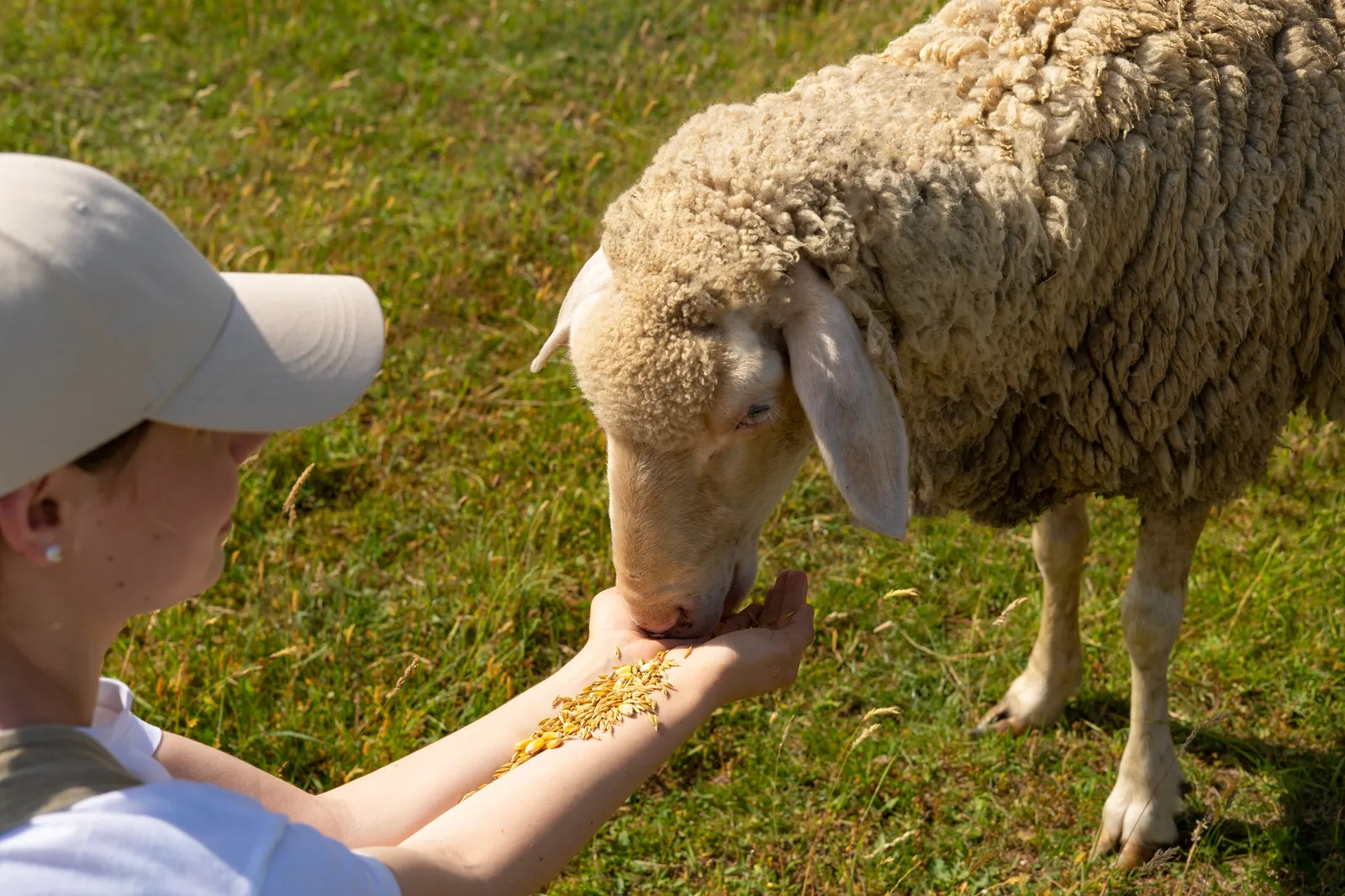
Wondering what sheep eat for healthy growth? This guide covers the best feed, forage, minerals, and feeding tips to raise thriving, fast-growing sheep.
What Do Sheep Eat for Best Growth?
A well-fed sheep is a healthy sheep — and a profitable one. Whether you're raising a small backyard flock or managing a larger operation, what you put in front of your sheep every day shapes how fast they grow, how healthy their wool is, and how well they reproduce. Get the nutrition right, and the results speak for themselves.
So, what exactly should sheep eat to grow at their best? Let's break it down, question by question.
Are Sheep Natural Grazers — What Do They Eat in the Wild?
Sheep (Ovis aries) are ruminants. They have a four-chambered stomach that ferments and digests fibrous plant material that most animals simply can't handle. Left to their own devices, sheep graze on a wide variety of grasses, shrubs, weeds, and legumes — often covering a lot of ground in a day.
This grazing instinct is your best starting point. Good pasture is not just free feed; it's the foundation of a balanced sheep diet. Healthy pasture provides energy, protein, fibre, and many of the trace minerals sheep need to thrive.
What Is the Most Important Feed for Sheep?
Forage — in the form of grass, hay, or silage — should make up the bulk of a sheep's diet. A general rule of thumb: sheep need roughly 2–4% of their body weight in dry matter daily, and most of that should come from roughage.
Here's how different forage types compare:
- Fresh pasture grass: The gold standard when available. High moisture, good protein (especially legume-rich pastures), and natural minerals.
- Hay: Dried grass or legumes — great for dry seasons or winter months. Timothy hay, oat hay, and Rhodes grass are popular choices. Lucerne (alfalfa) hay is protein-rich and particularly useful for lambs and lactating ewes.
- Silage: Fermented forage that works well for larger flocks. It's more digestible than dry hay but needs careful storage to avoid spoilage.
Think of hay as the bread-and-butter of sheep feeding. Even if your pasture is decent, having good hay as a backup keeps growth consistent year-round.
Do Sheep Need Grain or Concentrates?
For everyday adult maintenance, good forage is often enough. But sheep in specific life stages — growing lambs, pregnant ewes in late gestation, lactating mothers, or animals being finished for meat — benefit significantly from supplemental concentrates.
Common concentrate feeds for sheep include:
- Maize (corn): High energy, good for weight gain. Use in moderation to avoid digestive upset.
- Barley and oats: Excellent energy sources, slightly easier on the rumen than maize.
- Soybean meal or cottonseed cake: High protein, ideal for young lambs building muscle.
- Wheat bran: Adds fibre and energy; useful as a transition feed.
A typical finishing ration for meat lambs might be 70% forage and 30% grain concentrate. Always introduce grains gradually — the rumen needs time to adjust, and too much too fast can cause bloat or acidosis.
What Minerals and Vitamins Do Sheep Need for Growth?
This is where many small-scale farmers quietly lose growth potential. Minerals don't bulk up a feed bag, but their absence shows up fast — in poor fleece quality, slow growth, reproductive failure, and weak lambs.
Key minerals for sheep growth:
- Calcium and phosphorus: Critical for bone development. The ratio matters — aim for roughly 2:1 (calcium to phosphorus). Legume-based fodders like moringa leaves are surprisingly good natural sources. Speaking of which, if you're curious about moringa's broader nutritional value, moringa has some impressive health credentials worth knowing about.
- Copper: Supports wool quality and immune function, but be careful — sheep are more sensitive to copper toxicity than goats. Avoid goat-specific mineral mixes.
- Selenium and vitamin E: Deficiency causes white muscle disease in lambs. Selenium-deficient soils are common in parts of India and Asia, so supplementation is often necessary.
- Salt (sodium chloride): Sheep need free-choice access to a plain salt lick at all times.
- Zinc: Supports skin health, hoof integrity, and immunity.
Loose mineral mixes formulated specifically for sheep are available commercially and are worth the investment. Alternatively, a good mineral block placed in the paddock works well for smaller flocks.
How Much Water Do Sheep Need Daily?
Water might seem obvious, but it's genuinely underestimated. Sheep need between 1–5 litres of fresh water per day depending on their size, life stage, temperature, and the moisture content of their feed. A lactating ewe can need considerably more.
Dirty or stagnant water sources lead to reduced intake, which directly affects feed conversion and growth. Clean troughs daily if possible, and ensure every animal — including shy, lower-ranking sheep — has easy access.
What Should Lambs Eat for the Fastest Growth?
Young lambs have different needs from adult sheep. For the first few weeks, colostrum and mother's milk are everything — they provide immunity, energy, and essential nutrients that no formula can fully replicate.
From around 2–3 weeks of age, lambs begin nibbling on solid feed. This is called the "creep feeding" stage:
- Offer high-quality, palatable hay (lucerne works well here).
- Introduce a creep feed mix — typically high-protein pellets or a grain-legume blend.
- Keep creep areas accessible only to lambs, away from adult sheep.
By 8–12 weeks, lambs are primarily eating solid feed. Targeting a daily weight gain of 200–300 grams per day for meat lambs is a realistic benchmark with good nutrition.
Are There Any Foods Sheep Should Never Eat?
Yes — and this matters more than many new flock owners realise.
Avoid feeding sheep:
- Brassicas in large quantities (kale, cabbage, turnips) — can cause anaemia and digestive issues if overfed.
- Bracken fern (Pteridium aquilinum) — toxic even in small amounts.
- Avocado leaves and bark — contain persin, which is toxic to many animals.
- Grain overload — sudden access to large amounts of grain is one of the most common causes of sheep death on farms.
- Mouldy hay or spoiled silage — mycotoxins are a serious health risk.
Stick to familiar, tested feeds. When introducing anything new, do it slowly and watch for signs of digestive discomfort.
How Should You Structure a Daily Feeding Routine?
Consistency matters. Sheep that eat at predictable times tend to have better rumen health and steadier growth. A practical daily routine for a mixed flock might look like:
- Morning: Fresh pasture access or morning hay ration.
- Midday: Water check and top-up.
- Afternoon: Concentrate feed for growing lambs or late-pregnant ewes; evening hay for all.
Monitor body condition score (BCS) regularly — a scale of 1 to 5, where 3 is ideal for most adult sheep. Thin animals (BCS below 2.5) need more energy-dense feed immediately; overly fat sheep (above 4) may have lambing difficulties.
Latest Articles
How to Eat Soaked Almonds Daily for Best Results
Soaked almonds pack more nutrition than raw ones. Here's exactly how to eat them daily — the right time, quantity, and simple habits that actually work.
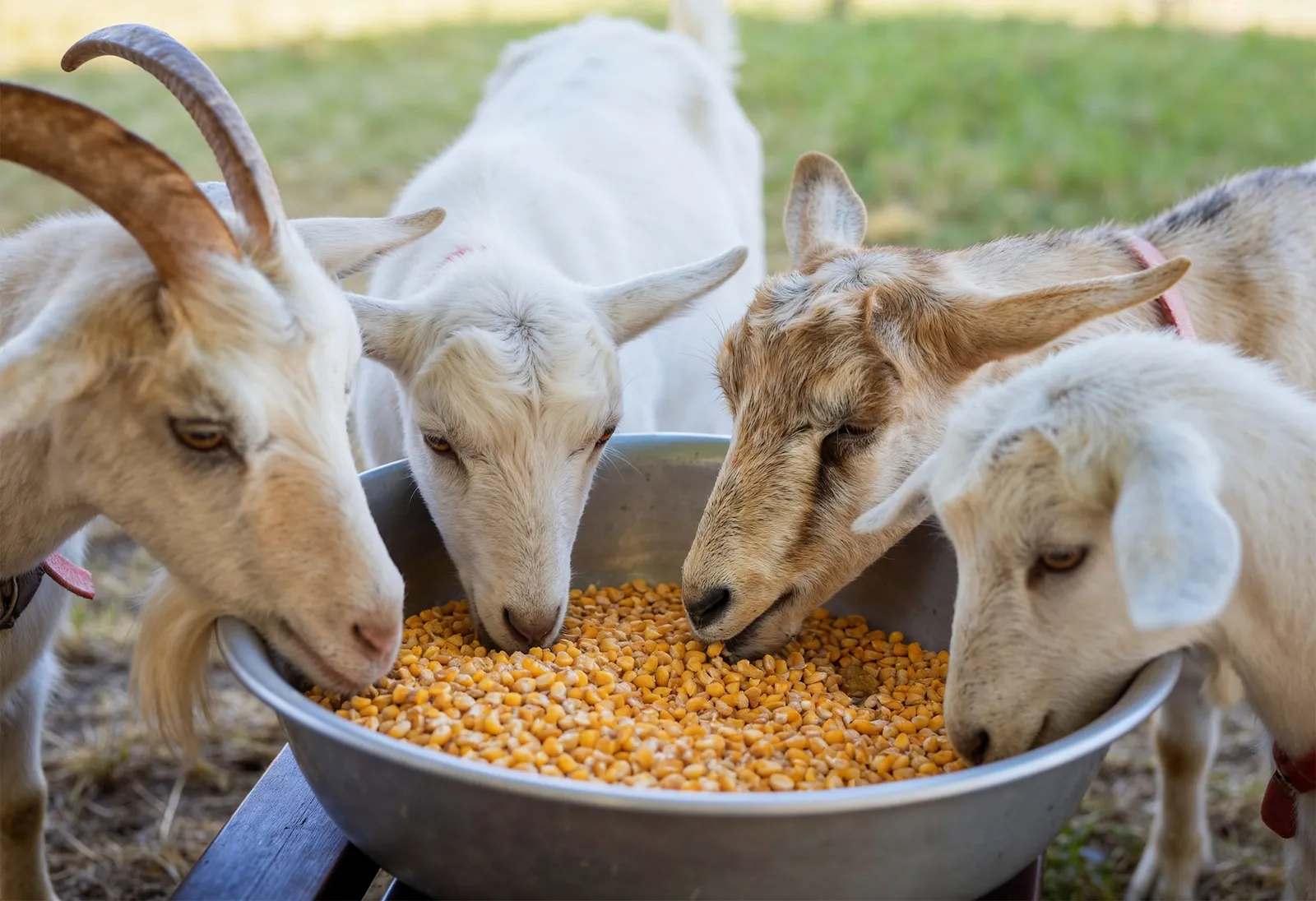
How to Feed Goats During Monsoon Season
Monsoon changes everything for goat farmers. Learn exactly what to feed your goats during the rainy season to keep them healthy, productive, and disease-free.
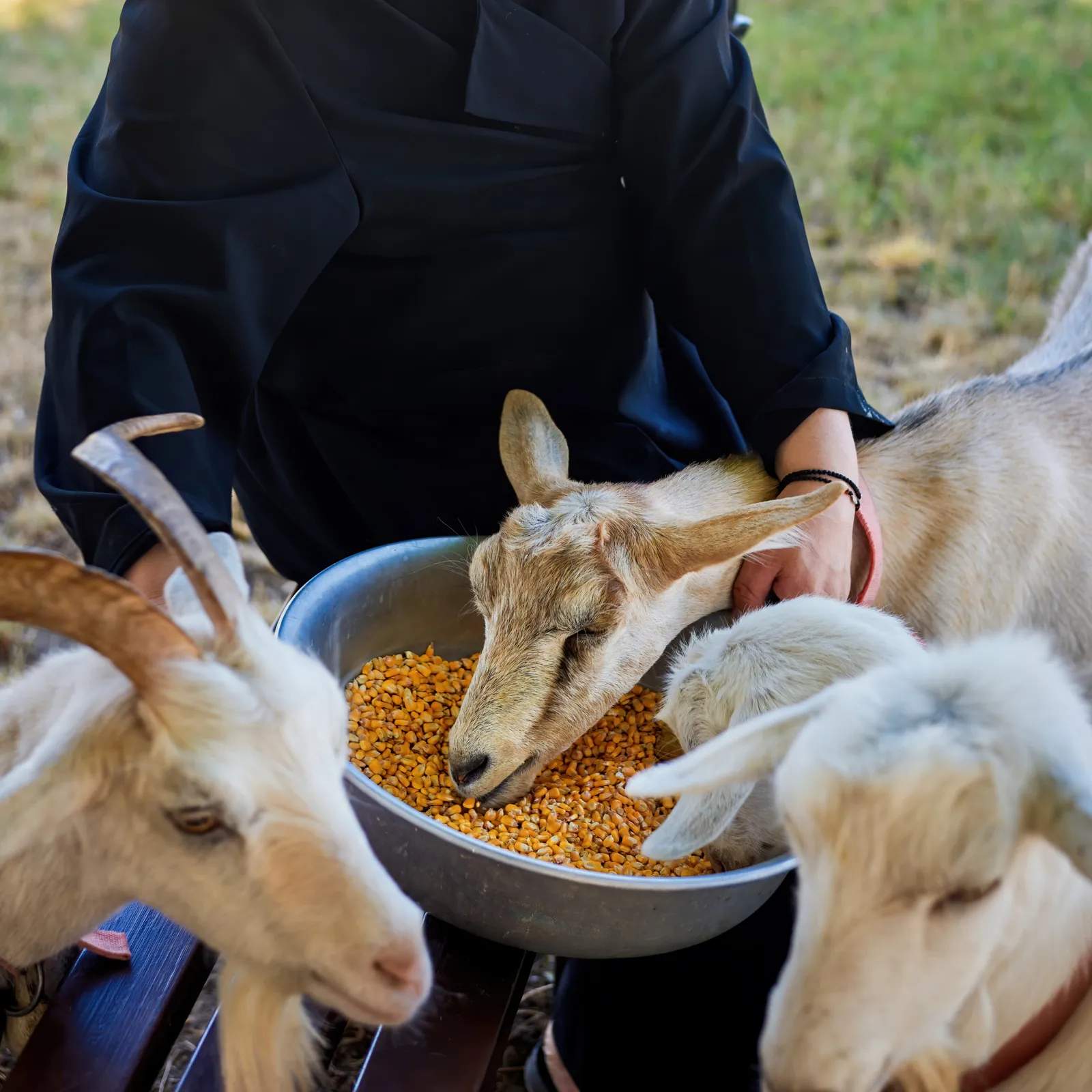
Best Feed for Goats in Summer Heat
Struggling to keep your goats healthy in hot weather? Discover the best summer feed for goats to maintain weight, milk, and energy when temperatures soar.
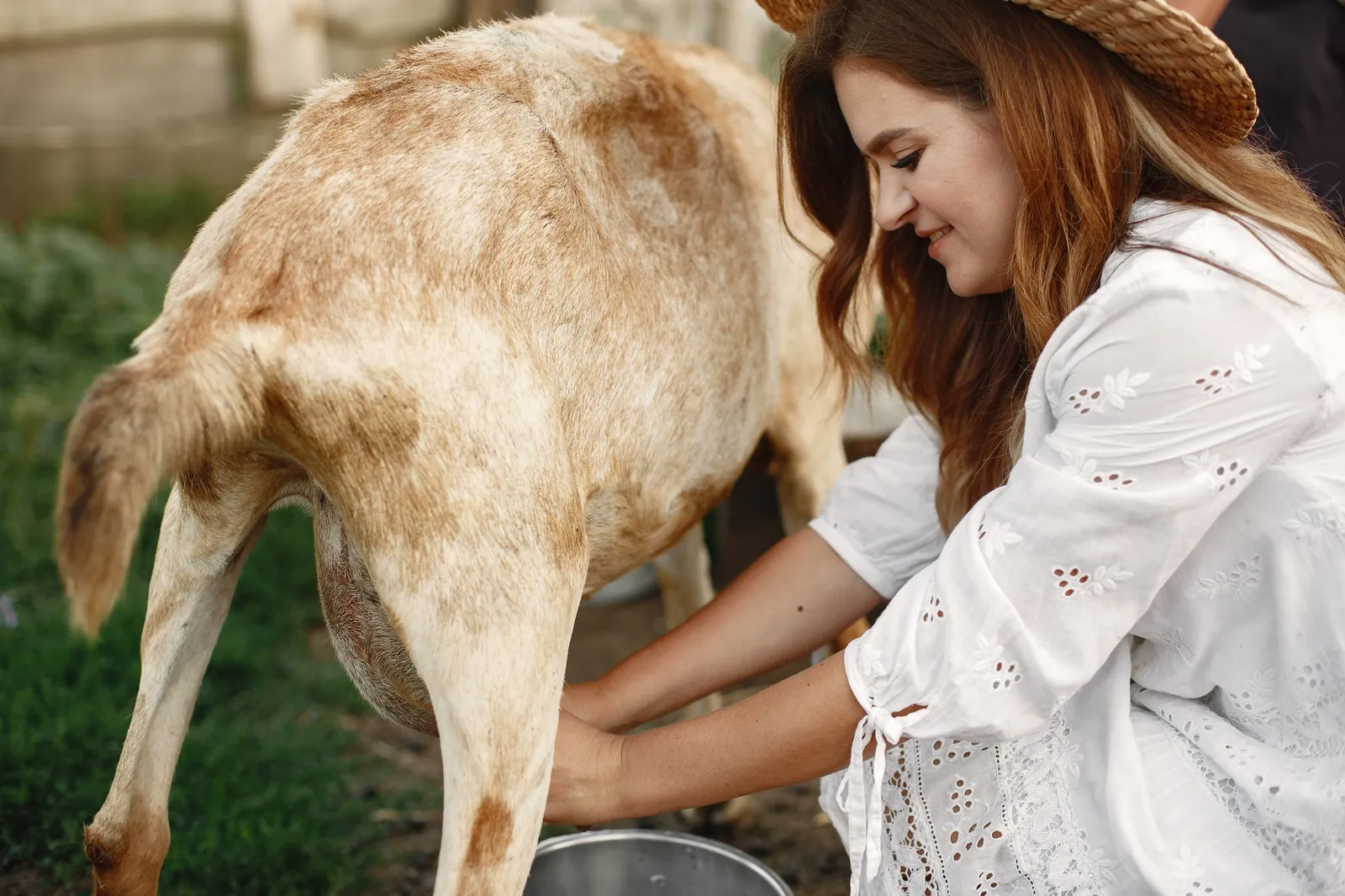
Goat Milk for Lactose Intolerance: Does It Help?
Think goat milk is lactose-free? It's not — but it may still be easier to digest. Here's what the science actually says about goat milk and lactose intolerance.
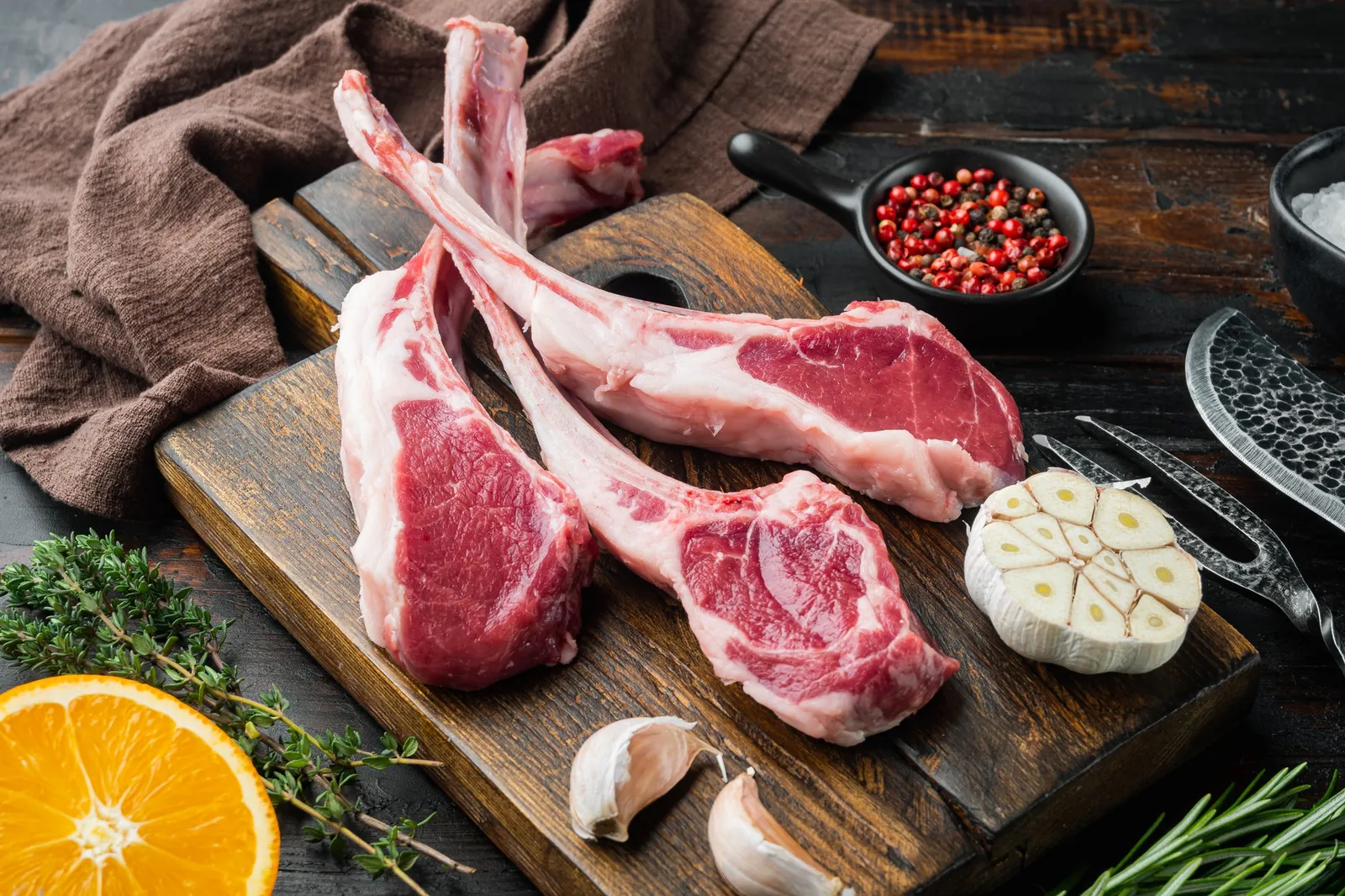
Is Goat Meat Good for Weight Loss?
Wondering if goat meat fits into a weight loss diet? Here's what its nutrition profile really means for your goals — no fluff, just facts.
Goat Milk vs Cow Milk: Which Is Better for You?
Goat milk vs cow milk — which should you choose? Compare nutrition, digestion, taste, and health benefits to find the best fit for your diet.
Frequently Asked Questions
⚕️ Medical Disclaimer
This article is for informational and educational purposes only and is not a substitute for professional medical advice, diagnosis, or treatment. Always consult a qualified healthcare provider with any questions about a medical condition. Read full disclaimer.
Get healthy tips in your inbox
Join the Nutrikoo newsletter for science-backed nutrition, recipes and wellness — no spam, unsubscribe anytime.