

How to Feed Goats During Monsoon Season

By Nadeem Akhtar, Fitness & Lifestyle Writer
15 June 2026 · 7 min read · 6 views
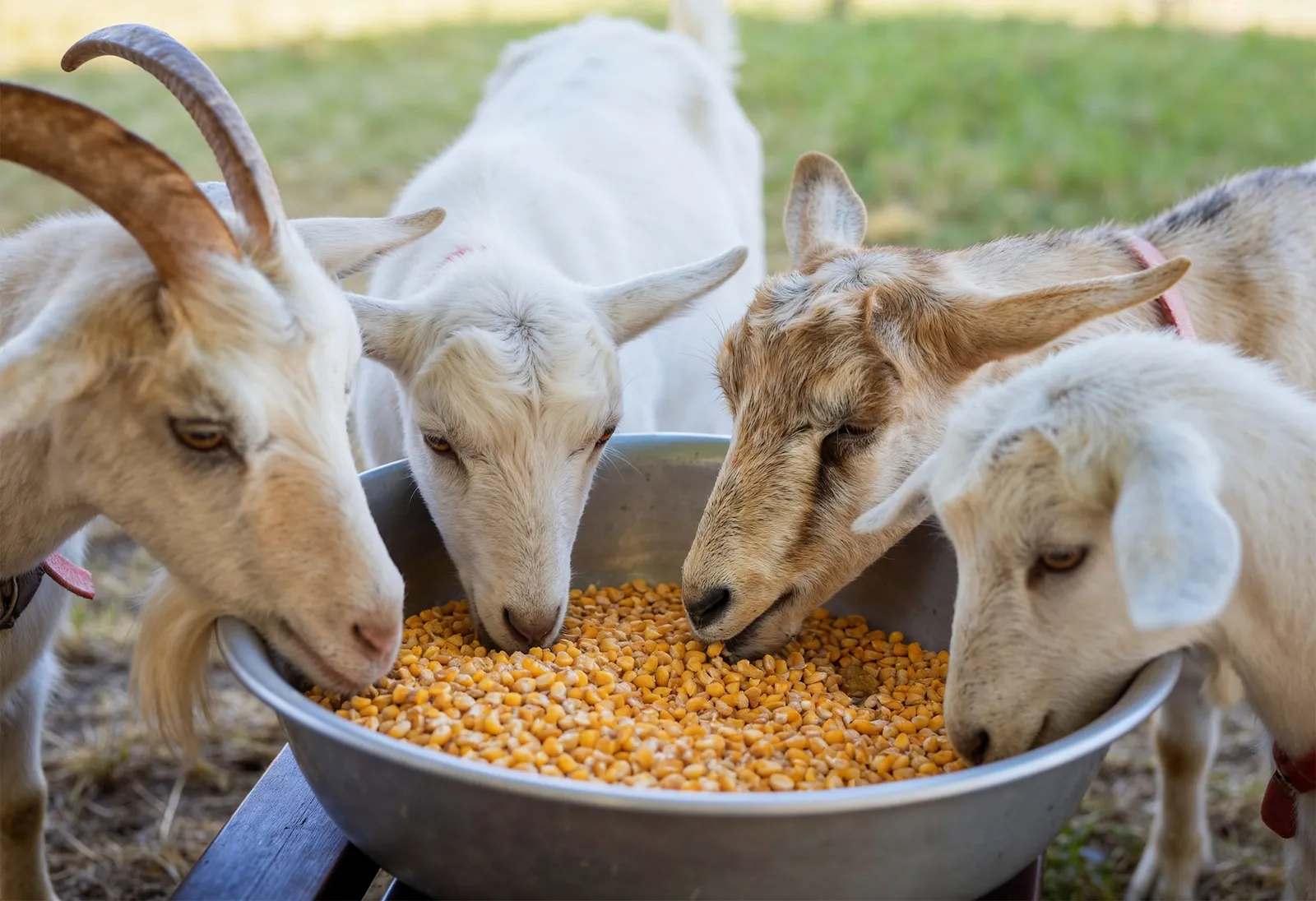
Monsoon changes everything for goat farmers. Learn exactly what to feed your goats during the rainy season to keep them healthy, productive, and disease-free.
How to Feed Goats During Monsoon Season
The rains are here — and if you keep goats, that changes your entire feeding routine. What worked well in summer can suddenly become a problem. Wet pastures, humidity-spoiled feed, and the explosion of parasites that comes with rain can hit your herd fast if you're not prepared.
This guide walks you through exactly what to feed your goats during the monsoon season, what to avoid, and how to keep your animals healthy and productive through the wet months.
Why Monsoon Is a Tricky Time for Goat Nutrition
Goats are hardy animals, but the rainy season stacks up multiple challenges at once. Pasture grass grows rapidly, but it's often waterlogged and low in dry matter. Stored feed can go mouldy in high humidity. And internal parasites — particularly barber's pole worm (Haemonchus contortus) — thrive in warm, wet conditions, quietly draining your goats' nutrition from the inside.
On top of that, goats naturally hate getting wet. Stressed, rain-soaked animals eat less and digest poorly. So feeding well during monsoon isn't just about what you put in the trough — it's about the whole environment around mealtime.
Step 1: Reduce Dependence on Wet Pasture Grass
Fresh green grass after rain looks lush and inviting, but letting your goats graze heavily on wet, immature grass is one of the most common mistakes during monsoon. Young, fast-growing grass is high in water content and low in fibre. Too much of it causes loose stools, bloat, and digestive upsets.
What to do instead:
- Limit grazing to drier parts of the day, typically late morning after dew has dried off.
- Allow pasture to grow to a reasonable height (at least 15–20 cm) before grazing — young shoots have poor nutritional value.
- Always supplement with dry roughage even when green fodder is available.
If you're curious how summer grazing compares, this guide on the best feed for goats in summer heat gives useful context on seasonal feed shifts.
Step 2: Make Dry Roughage the Foundation of the Diet
This is the single most important rule for monsoon feeding: keep dry hay or straw available at all times. Dry roughage keeps the rumen working properly, prevents bloat, and ensures your goats are getting enough fibre even when green fodder is plentiful.
Good dry roughage options during monsoon:
- Dry legume hay (groundnut, cowpea, lucerne/alfalfa) — these are protein-rich and highly palatable
- Sorghum or maize stover — good fibre source, widely available in India
- Rice straw — lower in nutrition but useful as a filler and rumen stabiliser
- Dry grass hay — store it carefully in a raised, well-ventilated area to prevent mould
Store your hay off the ground on wooden pallets or raised platforms. Even a small leak in your storage area can ruin a week's worth of feed with mould.
Step 3: Manage Concentrate Feed Carefully
Concentrate feed (grain mixes, oil cakes, pelleted feed) remains important during monsoon, especially for lactating does, pregnant animals, and growing kids. However, high humidity means concentrates spoil faster.
Practical tips:
- Buy concentrate in smaller quantities and use within a week.
- Store in sealed, airtight containers or bins raised off the floor.
- Check for clumping, unusual smells, or visible mould before every feeding.
- Never feed mouldy grain — mycotoxins from mould can seriously damage a goat's liver and immune system.
A reasonable daily concentrate ration for an adult goat is 200–400 grams, adjusted upward for lactating or pregnant animals. If you're raising goats partly for milk production, keeping nutrition steady through monsoon directly affects yield.
Step 4: Prioritise Minerals and Vitamins
Monsoon is when mineral deficiencies quietly creep in. Waterlogged soils leach minerals, and goats grazing wet pastures often end up low in copper, zinc, and selenium — all critical for immunity, hoof health, and reproductive performance.
What to include:
- A good-quality loose mineral mix or mineral lick block, kept under shelter so it doesn't dissolve in rain
- Copper supplementation is especially important — deficiency shows up as dull coat and poor growth
- If your goats look pale inside their lower eyelids (a sign called FAMACHA), they may have heavy worm burdens affecting iron levels — consult a vet promptly
Vitamin B complex injections or drenches are sometimes recommended during monsoon by local vets, especially for animals under stress or recovering from illness.
Step 5: Step Up Your Parasite Management
No feeding plan works if your goats are carrying a heavy worm load. Monsoon is prime time for internal parasites, and an infected goat will lose weight and condition no matter how well you feed it.
- Work with your vet to set up a deworming schedule suited to your region.
- Rotate grazing areas where possible — larvae concentrate heavily on overgrazed, wet paddocks.
- Isolate and treat animals that look thin, lethargic, or bottle-jawed (swelling under the jaw is a classic sign of H. contortus infestation).
Feeding well and managing parasites go hand in hand — one without the other won't keep your herd thriving. The same principle applies to sheep, and you'll find more on what sheep eat for best growth if you keep a mixed flock.
Step 6: Keep Feed Areas Clean and Dry
Moisture and mud around feeding areas invite disease fast. Foot rot (Dichelobacter nodosus) spreads in muddy, wet conditions. Mould on spilled feed can cause respiratory issues.
Simple fixes that make a real difference:
- Use elevated feed troughs or bunks — never feed off the ground during monsoon
- Clean troughs daily; leftover wet feed ferments and causes digestive problems
- Ensure the area where goats eat and sleep has adequate drainage
- Add a layer of dry sand or gravel around the feeding area if it becomes waterlogged
Adjusting for Different Goat Types
Not every goat in your herd has the same needs during monsoon:
- Pregnant does (last trimester): Increase concentrate by 15–20% and ensure adequate calcium and phosphorus.
- Lactating does: Maintain consistent energy intake; drops in feed quality directly reduce milk output.
- Growing kids: More vulnerable to worms and cold stress; keep them on dry, clean bedding and supplement with small amounts of high-protein feed.
- Bucks: Often neglected during monsoon — maintain body condition with good hay and minerals, especially if breeding season follows.
Latest Articles
How to Eat Soaked Almonds Daily for Best Results
Soaked almonds pack more nutrition than raw ones. Here's exactly how to eat them daily — the right time, quantity, and simple habits that actually work.
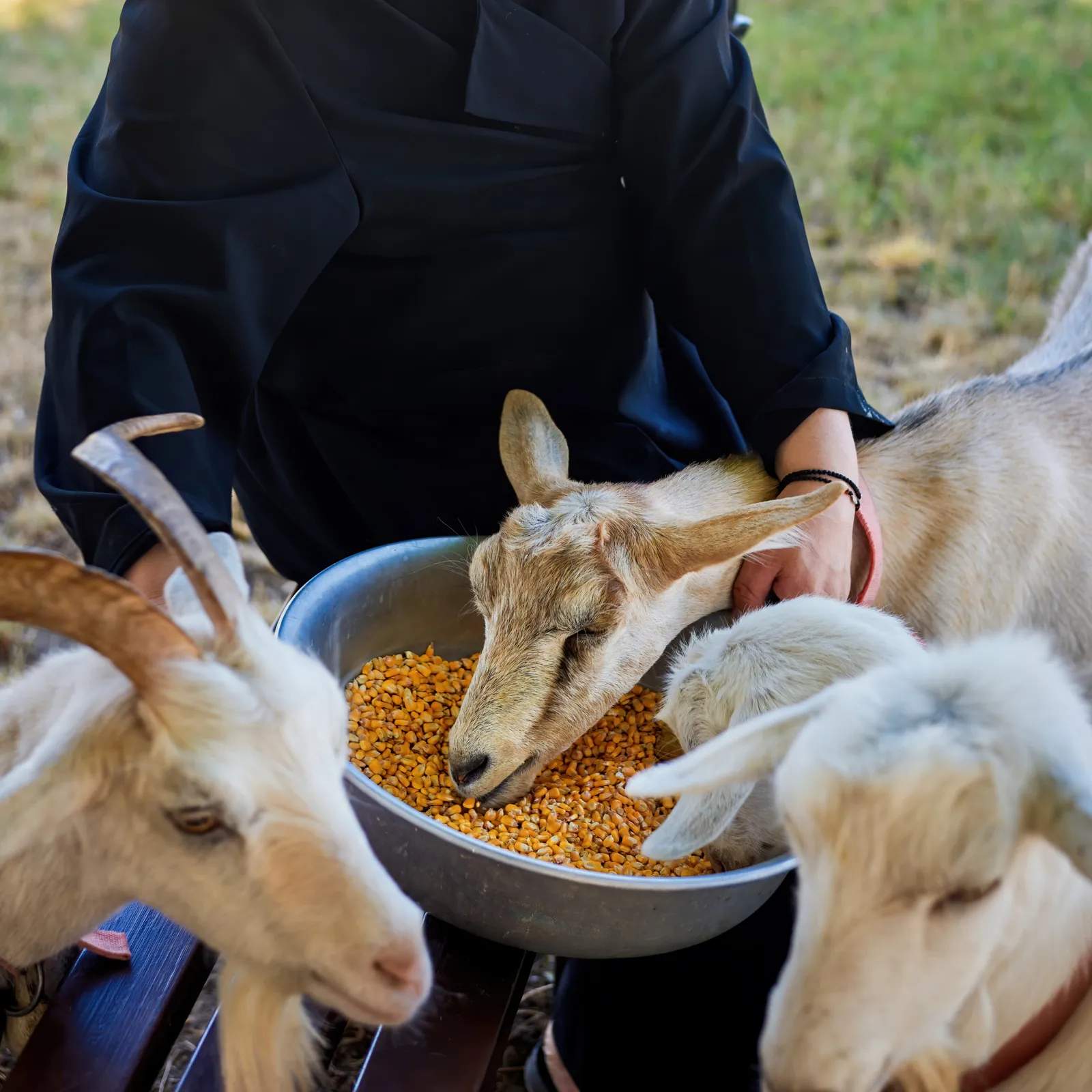
Best Feed for Goats in Summer Heat
Struggling to keep your goats healthy in hot weather? Discover the best summer feed for goats to maintain weight, milk, and energy when temperatures soar.
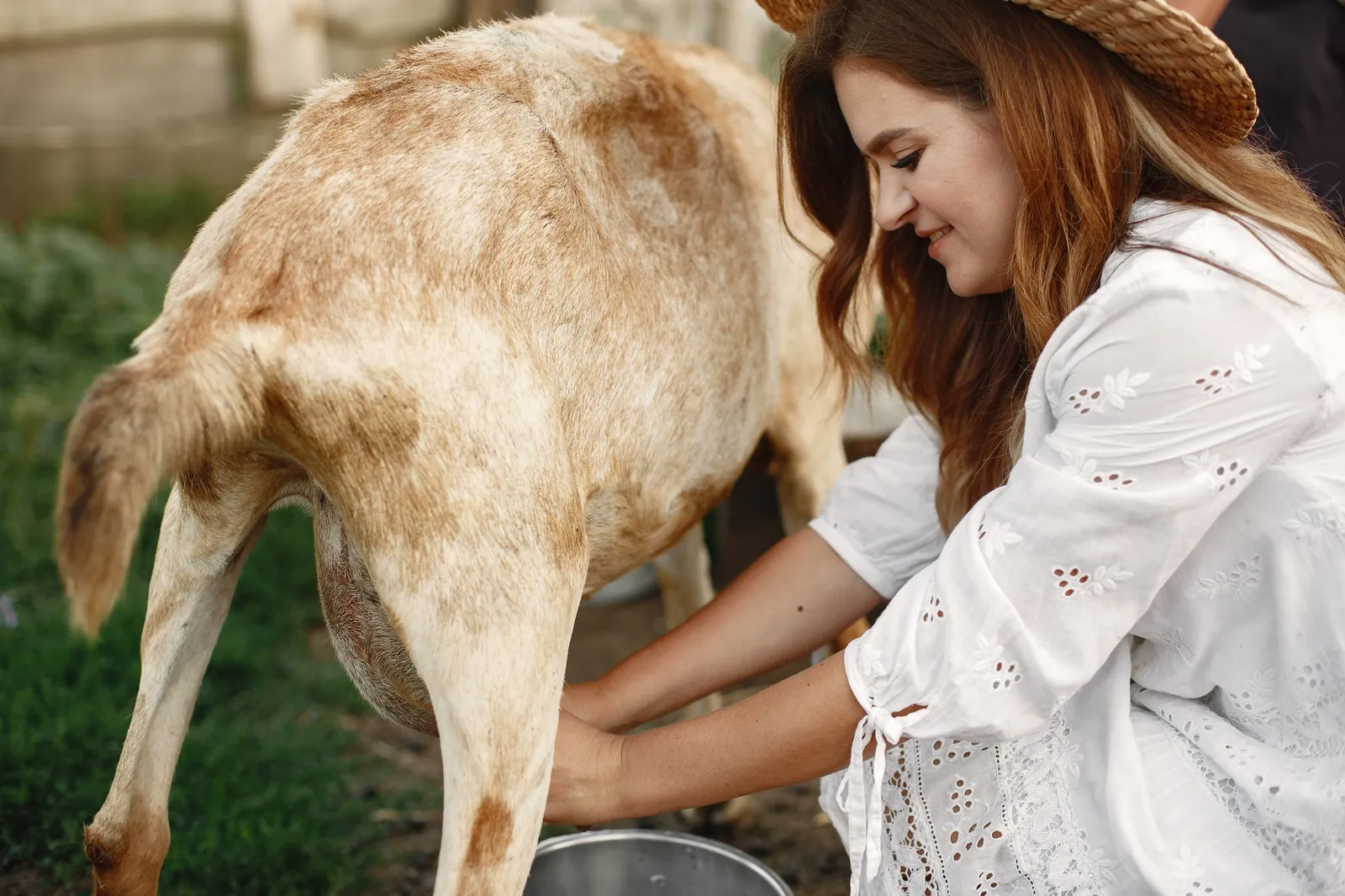
Goat Milk for Lactose Intolerance: Does It Help?
Think goat milk is lactose-free? It's not — but it may still be easier to digest. Here's what the science actually says about goat milk and lactose intolerance.
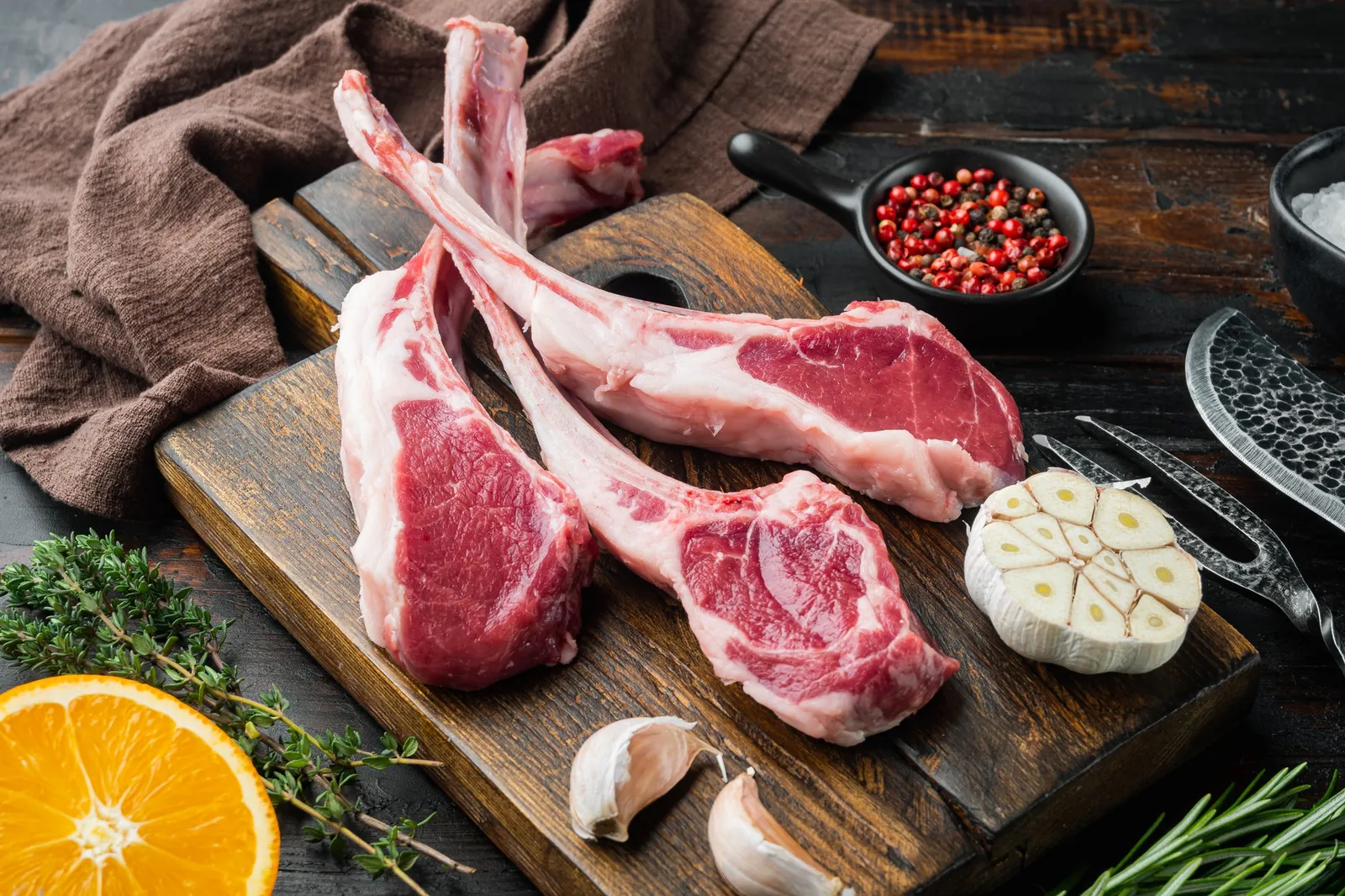
Is Goat Meat Good for Weight Loss?
Wondering if goat meat fits into a weight loss diet? Here's what its nutrition profile really means for your goals — no fluff, just facts.
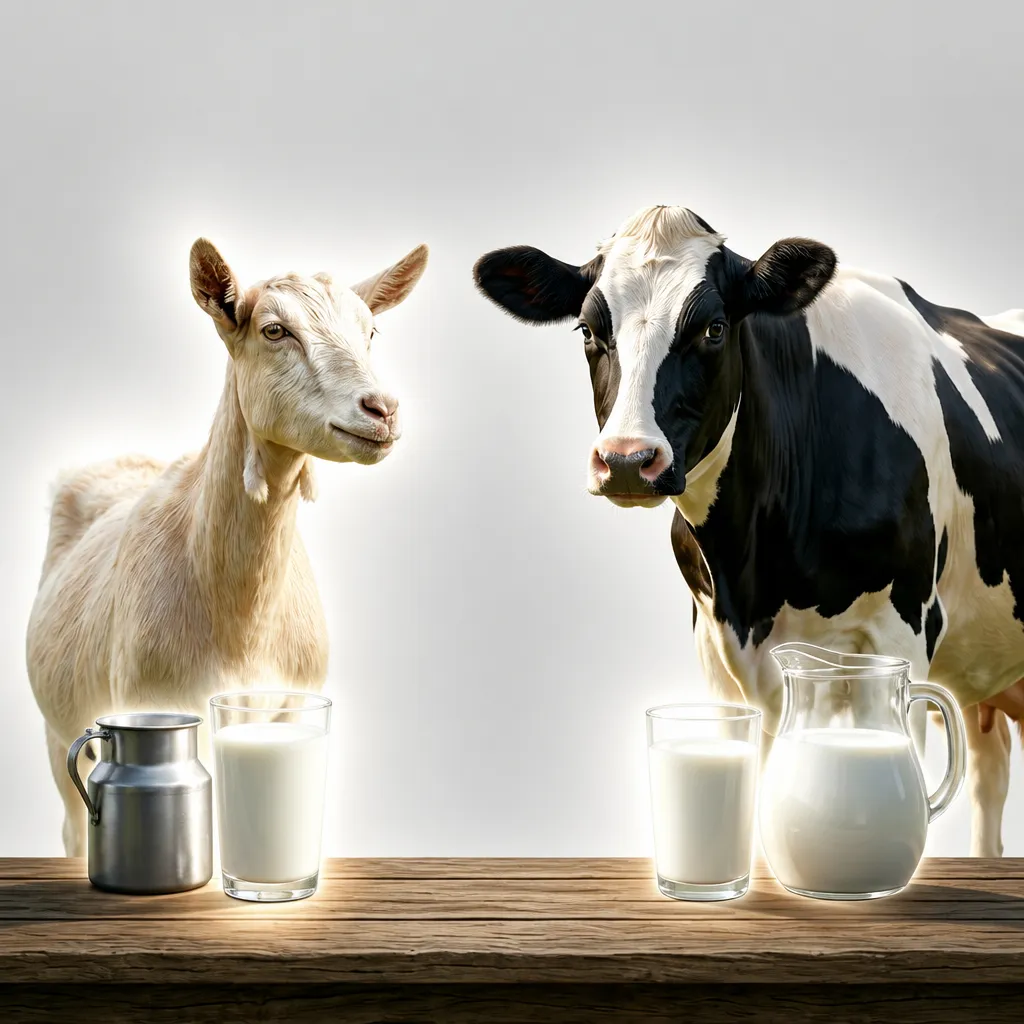
Goat Milk vs Cow Milk: Which Is Better for You?
Goat milk vs cow milk — which should you choose? Compare nutrition, digestion, taste, and health benefits to find the best fit for your diet.
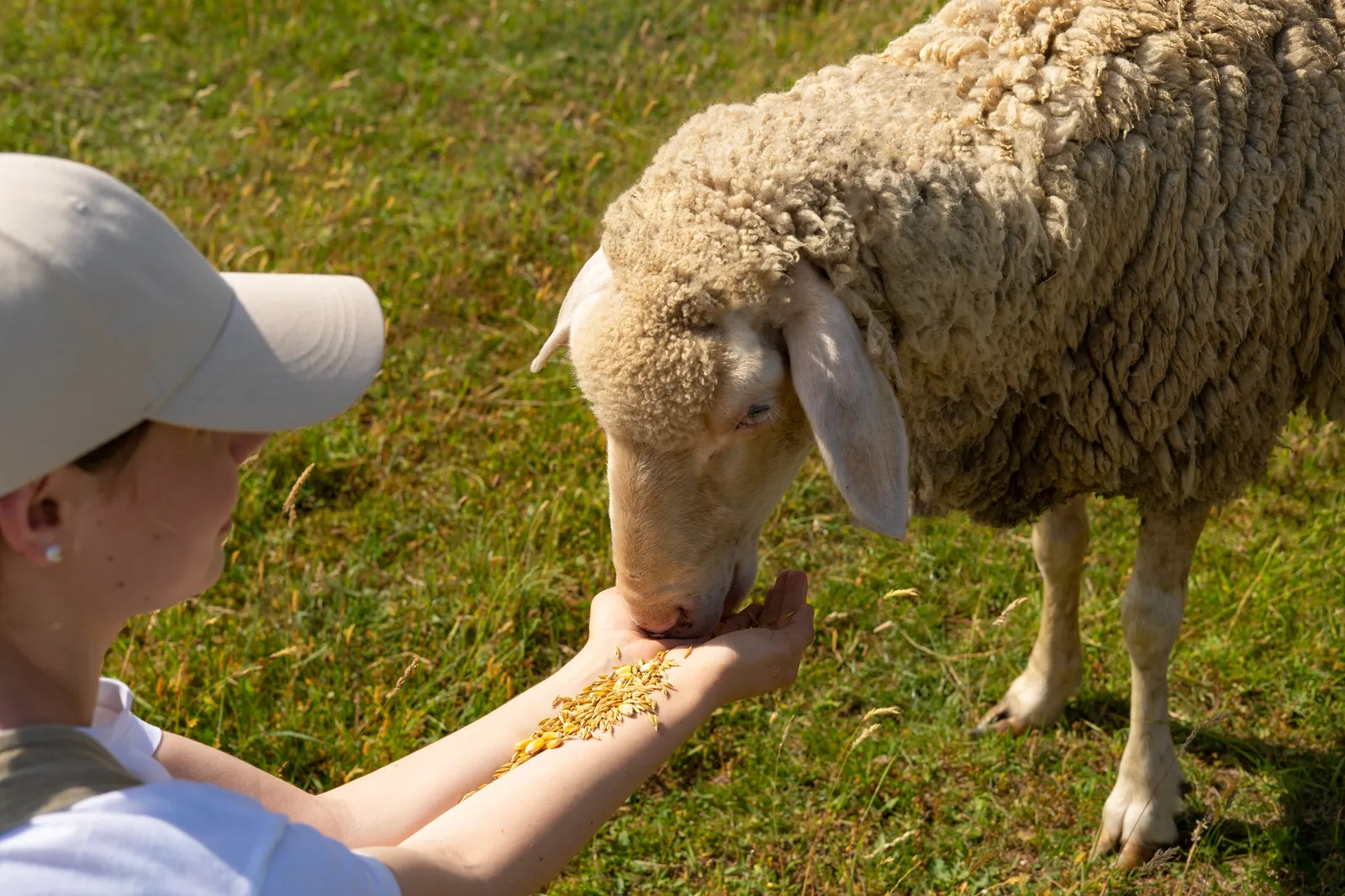
What Do Sheep Eat for Best Growth?
Wondering what sheep eat for healthy growth? This guide covers the best feed, forage, minerals, and feeding tips to raise thriving, fast-growing sheep.
Frequently Asked Questions
⚕️ Medical Disclaimer
This article is for informational and educational purposes only and is not a substitute for professional medical advice, diagnosis, or treatment. Always consult a qualified healthcare provider with any questions about a medical condition. Read full disclaimer.
Editorial note: This article was researched and written with the assistance of AI tools and reviewed by the Nutrikoo editorial team for accuracy and clarity. It is for general information only and is not medical advice. See our editorial policy.
Get healthy tips in your inbox
Join the Nutrikoo newsletter for science-backed nutrition, recipes and wellness — no spam, unsubscribe anytime.