
Goat Milk vs Cow Milk: Which Is Better for You?

By Nadeem Akhtar, Fitness & Lifestyle Writer
15 June 2026 · 7 min read · 5 views
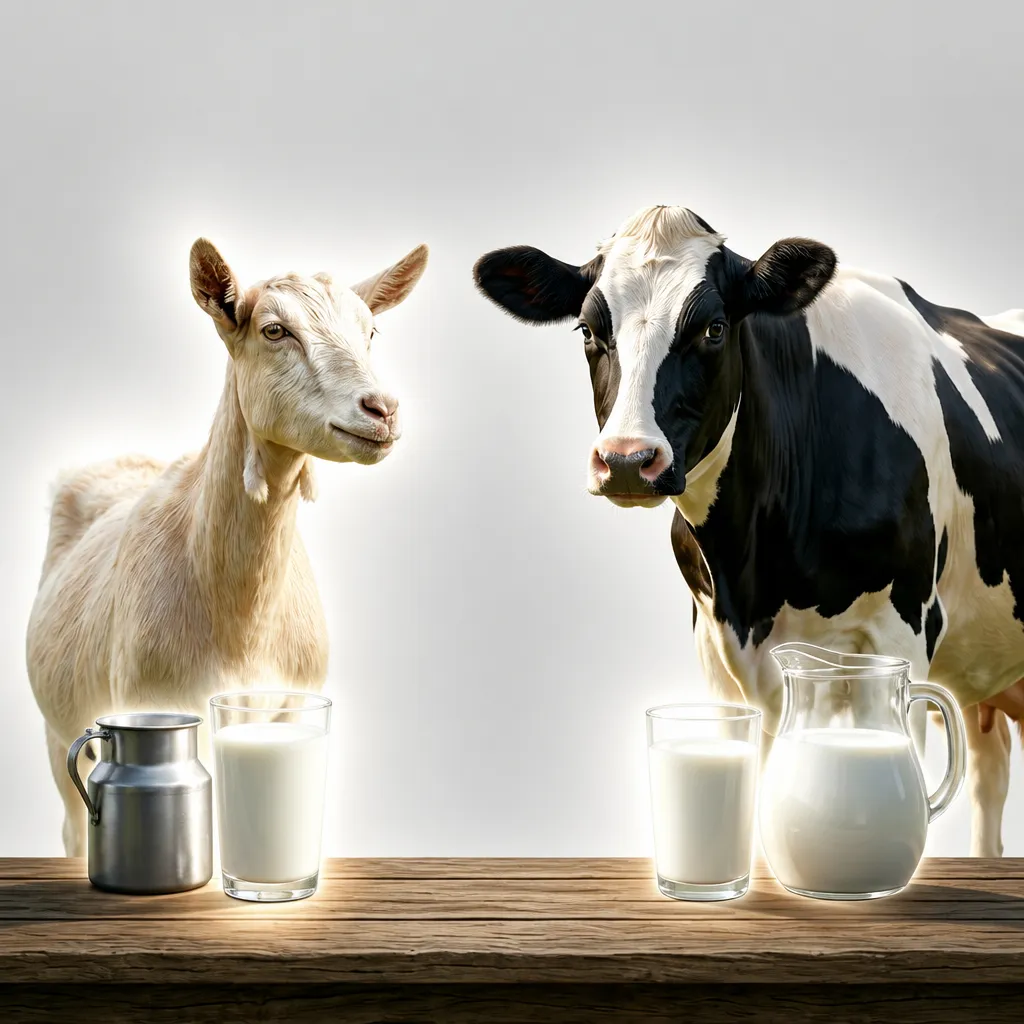
Goat milk vs cow milk — which should you choose? Compare nutrition, digestion, taste, and health benefits to find the best fit for your diet.
Goat Milk vs Cow Milk: Which Is Better for You?
Most of us grew up with cow milk as the default — on our breakfast table, in our chai, in every dal-based mithai our grandmothers made. But goat milk has been quietly gaining attention, and for good reason. If you've ever wondered whether switching makes sense, here's a practical, side-by-side look at what both milks actually offer.
No hype, no sweeping claims — just a clear breakdown to help you decide what works for your body and lifestyle.
Start with the Basics: What's in Each Milk?
Both goat milk and cow milk are nutritionally rich, whole foods. They share a lot — calcium, protein, B vitamins, phosphorus — but the differences in their fat structure, protein composition, and digestibility are where things get interesting.
Per 240 ml (approximately 1 cup), here's a rough comparison:
| Nutrient | Goat Milk | Cow Milk (whole) |
|---|---|---|
| Calories | ~168 | ~149 |
| Protein | ~9 g | ~8 g |
| Fat | ~10 g | ~8 g |
| Calcium | ~330 mg | ~280 mg |
| Lactose | ~11 g | ~12 g |
These are approximate values and can vary by breed, feed, and season — but the pattern is consistent. Goat milk is slightly richer in calories, fat, and calcium per cup.
Step 1: Understand How Each Milk Digests
This is often the deciding factor for people. Goat milk (Capra hircus milk, technically) forms a softer, looser curd in your stomach compared to cow milk. This is partly because goat milk fat globules are smaller and more evenly distributed, which means digestive enzymes can break them down faster.
Goat milk also contains slightly less lactose than cow milk, which may make it more tolerable for people who are mildly lactose-sensitive — though it's not lactose-free, so it's not a fix for severe lactose intolerance.
The protein story matters too. Cow milk contains both A1 and A2 beta-casein proteins. Some people find A1 casein harder to digest, reporting bloating or discomfort. Goat milk contains predominantly A2 beta-casein, which is why some people who struggle with cow milk tolerate goat milk better. If you've ever noticed cow milk sitting heavy but never quite pinpointed why, this could be the reason.
For anyone interested in how diet and digestion connect, our guide on Ridge Gourd Curry: The Best Sabzi for Digestion covers gut-friendly foods worth pairing with any milk choice.
Step 2: Compare the Fat Profiles
Fat isn't the enemy here — the type of fat matters.
Goat milk is naturally higher in medium-chain triglycerides (MCTs) compared to cow milk. MCTs are absorbed more quickly by the body and are less likely to be stored as fat. They're also gentler on the liver. This is one reason goat milk has historically been recommended in clinical settings for people with digestive or fat-absorption issues.
Cow milk fat is longer-chain and more slowly metabolised — not inherently bad, but different in how your body handles it.
Both milks contain saturated fat, so neither is a free pass if you're watching cardiovascular health. But if you're managing weight or watching your fat intake, the MCT content in goat milk is worth noting. You can also pair it with a smart diet approach — check out our article on Low Carb Diet for Belly Fat Loss: Does It Work? for the bigger picture.
Step 3: Look at the Mineral and Vitamin Content
Here's where goat milk quietly outperforms. It delivers:

- More calcium per cup than standard cow milk
- More potassium, which supports blood pressure
- More magnesium, good for muscle and nerve function
- More vitamin A (in its active form, not just as beta-carotene)
Cow milk, particularly fortified versions, tends to have more vitamin D and B12 than plain goat milk. If you switch to goat milk, keep an eye on B12 intake. Our article on Vitamin B12 for Anxiety and Mood: What Science Says explains why B12 is worth tracking in general.
One underappreciated bonus: goat milk contains prebiotic oligosaccharides — compounds that feed good gut bacteria — at levels closer to human breast milk than cow milk does. It's a small but meaningful advantage for gut health over time.
Step 4: Think About Protein Quality
Both milks are excellent protein sources with complete amino acid profiles. Goat milk has slightly more protein per cup. The difference isn't dramatic, but if you're using milk as a significant protein source — say, in smoothies or post-workout meals — goat milk gives you a small edge.
If you're actively trying to meet protein targets through food, our picks on High Protein Sabzi for Weight Loss: Best Picks pair well with either milk as part of a balanced plate.
Step 5: Consider Taste and Practical Use
Let's be honest — goat milk has a reputation. Some people describe it as slightly tangy, "earthy", or gamey. The intensity varies enormously depending on how the milk was handled post-collection and the goat's diet. Fresh, well-stored goat milk from a reputable source is much milder than the canned versions some people tried once and swore off.
Cow milk is neutral, creamy, and familiar — which is a real advantage in chai, kheer, or any recipe where you don't want the milk to assert itself.
A few practical notes:
- Goat milk whips less easily than cow milk (lower casein content)
- It works beautifully in soft cheeses and yogurt
- It's fine in smoothies and warm drinks
- The flavour mellows significantly when heated
Step 6: Who Should Consider Goat Milk?
Goat milk may be worth trying if you:
- Experience bloating or discomfort with cow milk and haven't found a clear reason
- Have mild lactose sensitivity (not full intolerance)
- Want a slightly higher calcium intake from your milk
- Are interested in the gut health benefits of natural prebiotics
- Care about animal welfare — goats are typically raised in smaller, more humane setups than industrial dairy cattle
Stick with cow milk if you:
- Have no digestive issues with it
- Rely on fortified milk for vitamin D
- Prefer a neutral flavour for cooking and baking
- Find goat milk cost-prohibitive (it is generally more expensive)
What About Goats Themselves?
If you're raising goats for milk — either for personal use or small-scale farming — what you feed them directly shapes the quality of the milk. Goat nutrition is a whole subject in itself. Our article on What Do Sheep Eat for Best Growth? touches on related principles for small ruminant care that apply to goats too.
Latest Articles
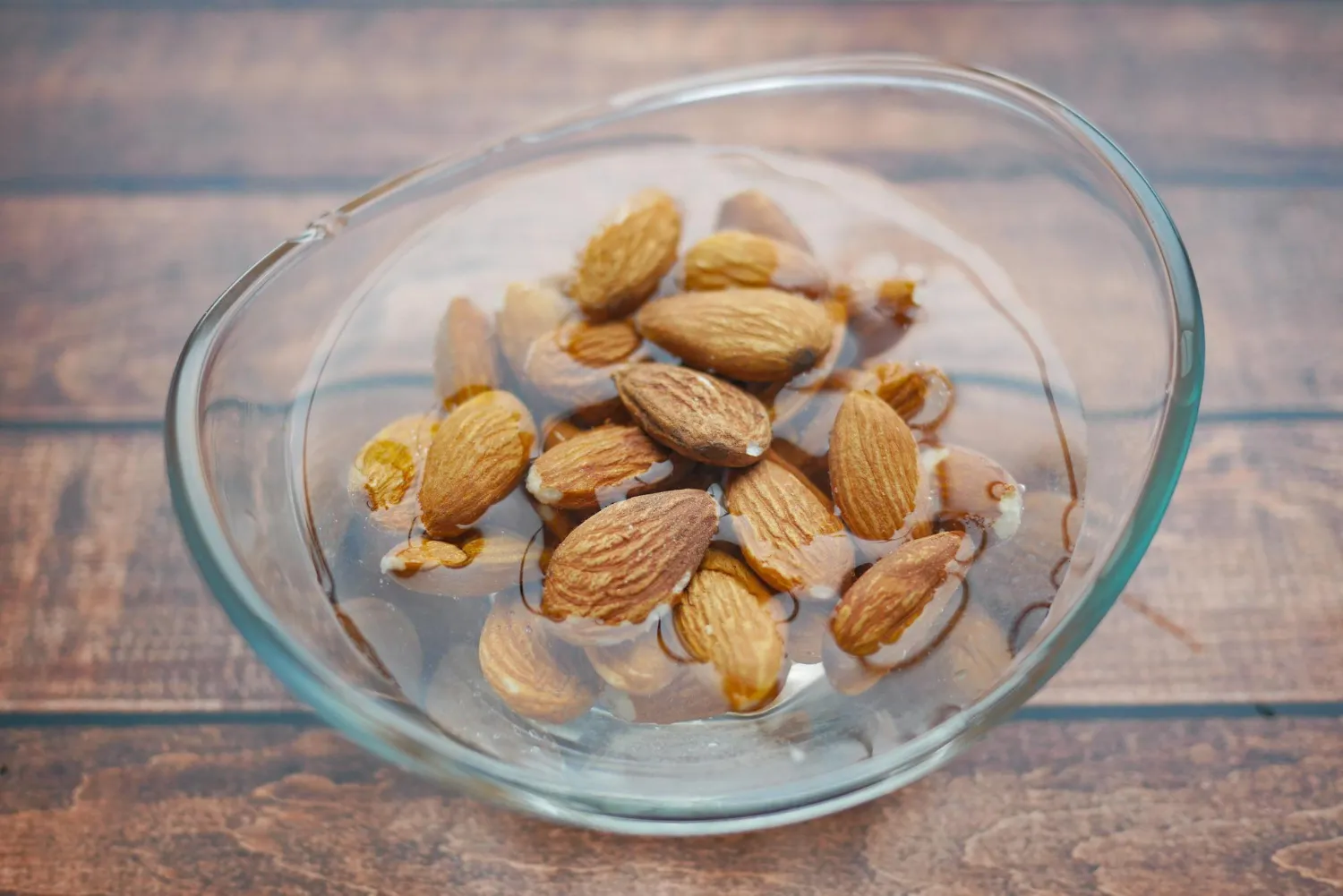
How to Eat Soaked Almonds Daily for Best Results
Soaked almonds pack more nutrition than raw ones. Here's exactly how to eat them daily — the right time, quantity, and simple habits that actually work.

How to Feed Goats During Monsoon Season
Monsoon changes everything for goat farmers. Learn exactly what to feed your goats during the rainy season to keep them healthy, productive, and disease-free.

Best Feed for Goats in Summer Heat
Struggling to keep your goats healthy in hot weather? Discover the best summer feed for goats to maintain weight, milk, and energy when temperatures soar.

Goat Milk for Lactose Intolerance: Does It Help?
Think goat milk is lactose-free? It's not — but it may still be easier to digest. Here's what the science actually says about goat milk and lactose intolerance.
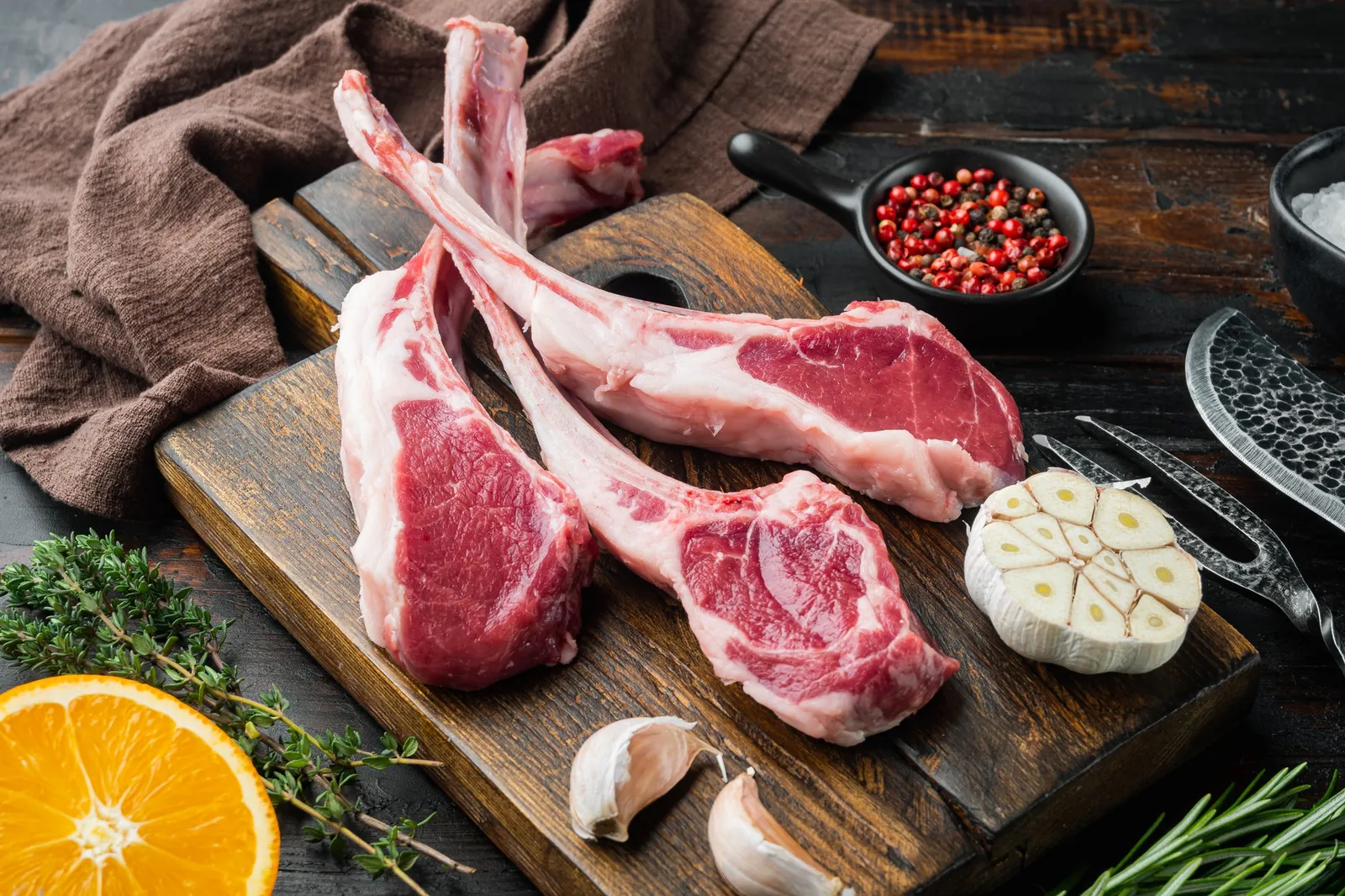
Is Goat Meat Good for Weight Loss?
Wondering if goat meat fits into a weight loss diet? Here's what its nutrition profile really means for your goals — no fluff, just facts.

What Do Sheep Eat for Best Growth?
Wondering what sheep eat for healthy growth? This guide covers the best feed, forage, minerals, and feeding tips to raise thriving, fast-growing sheep.
Frequently Asked Questions
⚕️ Medical Disclaimer
This article is for informational and educational purposes only and is not a substitute for professional medical advice, diagnosis, or treatment. Always consult a qualified healthcare provider with any questions about a medical condition. Read full disclaimer.
Editorial note: This article was researched and written with the assistance of AI tools and reviewed by the Nutrikoo editorial team for accuracy and clarity. It is for general information only and is not medical advice. See our editorial policy.
Get healthy tips in your inbox
Join the Nutrikoo newsletter for science-backed nutrition, recipes and wellness — no spam, unsubscribe anytime.