
How Much Protein Do Indians Actually Need Per Day?
By Nutrikoo Team
5 June 2026 · 6 min read · 245 views

Confused about your daily protein needs? Here's a clear, body-weight-based guide to how much protein Indians actually need — and how to get enough from food.
How Much Protein Do Indians Actually Need Per Day Based on Body Weight
Pick up any fitness magazine or scroll through Instagram for five minutes, and someone is telling you to "eat more protein." But how much is actually right for you — a person living in India, eating dal-roti or idli-sambar, not necessarily chugging whey shakes after workouts?
The honest answer is more nuanced than a single number. Let's break it down properly.
The Baseline: What Official Guidelines Say
Most Indian dietary guidelines, including those from the Indian Council of Medical Research (ICMR), recommend around 0.8 to 1 gram of protein per kilogram of body weight per day for a healthy, sedentary adult.
So if you weigh 60 kg, you need roughly 48–60 grams of protein daily at a minimum. That's the floor, not the ceiling — it's what your body needs to simply maintain itself.
The problem? Studies and nutrition surveys consistently show that a large portion of Indians fall short of even this baseline, particularly women and people in lower-income households where animal proteins are less accessible.
Why Body Weight Is the Right Starting Point
Using body weight makes far more sense than a flat number for everyone. A 45 kg woman and a 90 kg man have very different protein needs — their muscles, organs, and metabolic demands are simply not the same size.
Here's a quick reference based on body weight:
- 45 kg → 36–45 g protein/day (sedentary minimum)
- 60 kg → 48–60 g protein/day
- 75 kg → 60–75 g protein/day
- 90 kg → 72–90 g protein/day
These are maintenance figures for relatively inactive adults. Your needs go up meaningfully if you're more active.
Active People Need Considerably More
If you exercise regularly — even brisk walking five days a week or yoga — your muscles are constantly being repaired and rebuilt. That process is protein-dependent.
Here's how needs shift based on activity level:
- Lightly active (walking, light yoga): ~1.0–1.2 g per kg
- Moderately active (gym 3-4x/week, cycling, running): ~1.2–1.6 g per kg
- Heavily active (intense daily training, sports): ~1.6–2.0 g per kg
- Building muscle deliberately: ~1.6–2.2 g per kg
So a 70 kg person who hits the gym four times a week should be aiming for roughly 112 grams of protein a day — nearly double the sedentary recommendation. That number surprises most people.
Protein Needs Change Across Life Stages
Age and life stage matter just as much as activity level.
Children and teenagers are growing, which means protein needs per kg of body weight are actually higher than for adults. A 12-year-old needs proportionally more protein than their parent.
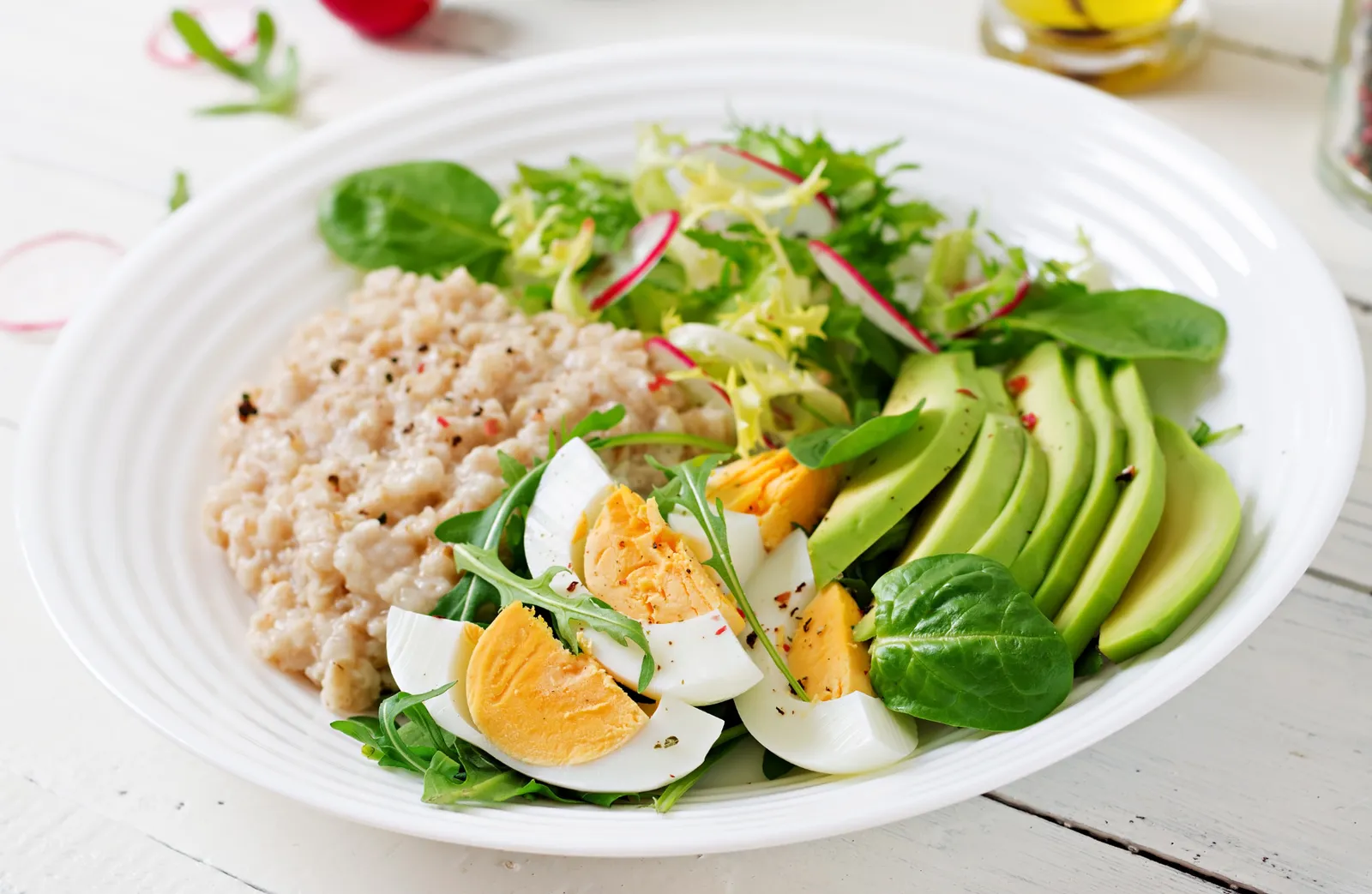
Pregnant and breastfeeding women need an additional 15–25 grams daily on top of their baseline. This is an area where Indian diets are often dangerously short.
Older adults (60+) need more protein, not less — around 1.0–1.2 g per kg even if sedentary. Muscle loss (sarcopenia) accelerates with age, and adequate protein intake is one of the clearest ways to slow it down.
The Typical Indian Diet: Where Does It Fall Short?
A traditional Indian vegetarian meal — dal, sabzi, roti, rice — isn't bad. But the protein quantities in a typical serving are easy to underestimate.
One cup of cooked dal has about 8–9 grams of protein. Two rotis give you roughly 5–6 grams. A cup of rice adds maybe 4 grams. That entire meal? Approximately 17–20 grams of protein. Fine for one meal, but if the rest of your day looks similar, you might hit 45–50 grams at best.
For a 70 kg moderately active Indian, that's a significant shortfall.
Foods That Actually Boost Protein in Indian Cooking
You don't need to overhaul your diet. Small, smart swaps can close the gap:
- Paneer: ~18–20 g per 100g — one of the best vegetarian sources
- Soya chunks: ~50g protein per 100g dry weight — extraordinary value
- Eggs: ~6 g per egg, highly bioavailable
- Chicken breast: ~31 g per 100g cooked
- Greek yogurt (hung curd): ~10 g per 100g
- Rajma, chole, moong: ~7–9 g per 100g cooked
- Tofu: ~8 g per 100g — underused in Indian kitchens
Spreading protein across all three meals is also smarter than eating most of it at dinner. Your muscles can only absorb and use a certain amount at one time — roughly 25–40 grams per meal — so front-loading one meal doesn't help as much as distributing intake throughout the day.
Does Protein Quality Matter for Vegetarians?
Yes, and this is worth understanding. Proteins are made of amino acids, and your body needs all nine essential ones. Animal proteins contain all nine in good ratios. Most plant proteins are "incomplete" — they're low in one or more essential amino acids.
The fix isn't complicated though. Combining foods naturally solves this:
- Dal + rice = complementary amino acids
- Roti + dal = same principle
- Soya + any grain
Indians have eaten these combinations for generations without knowing the biochemistry behind them. It works.
What About Protein Supplements?
Whey protein, pea protein, and similar supplements are tools — not requirements. If you're consistently hitting your protein targets through food, you don't need a supplement.
They become genuinely useful when:
- You're very active and struggle to eat enough protein through whole foods
- You have a small appetite but high protein needs
- You're traveling or have limited food access
A standard whey protein scoop gives you about 20–25 grams of protein with minimal effort. That can be a practical bridge on busy days, not a replacement for real food.
Latest Articles
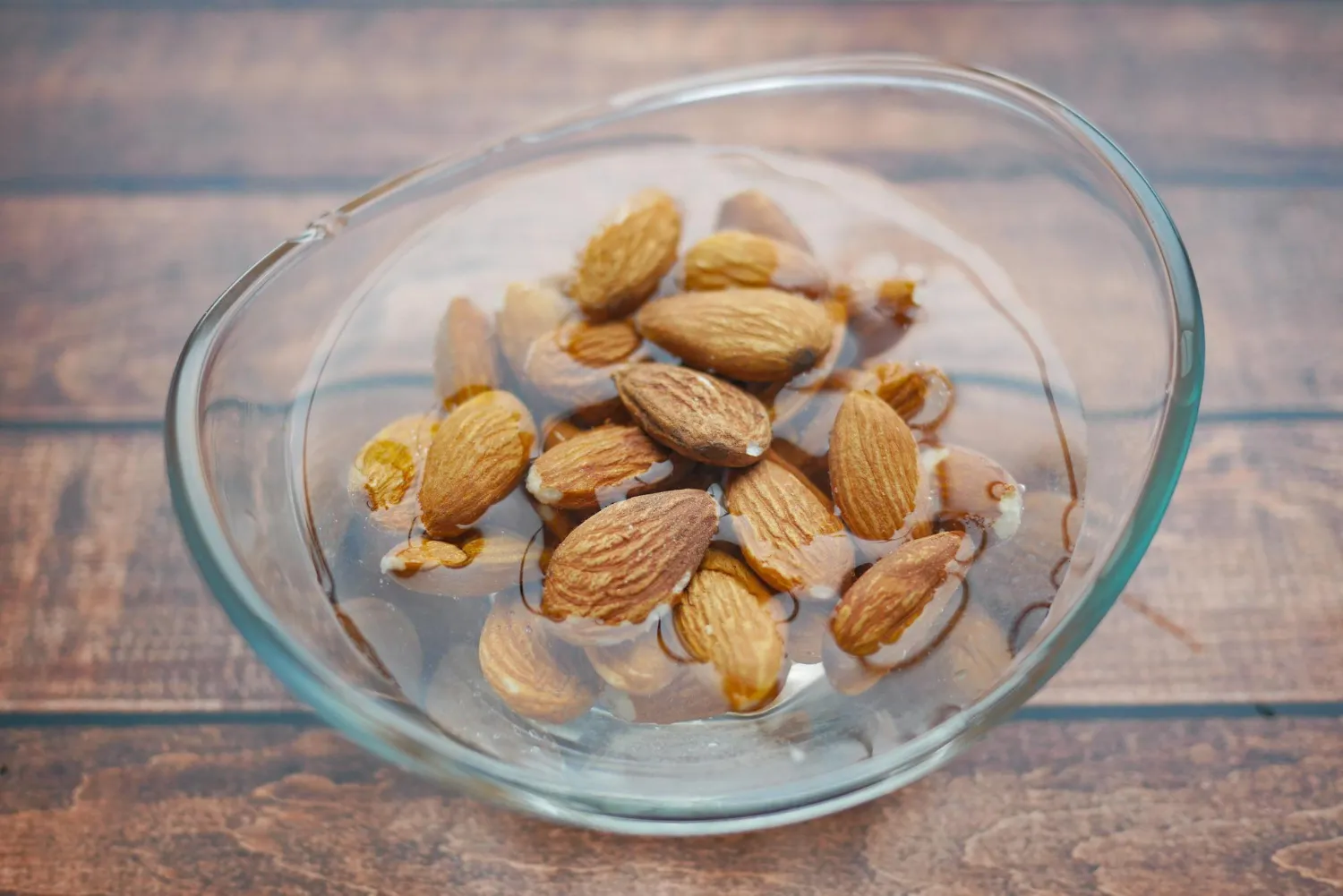
How to Eat Soaked Almonds Daily for Best Results
Soaked almonds pack more nutrition than raw ones. Here's exactly how to eat them daily — the right time, quantity, and simple habits that actually work.
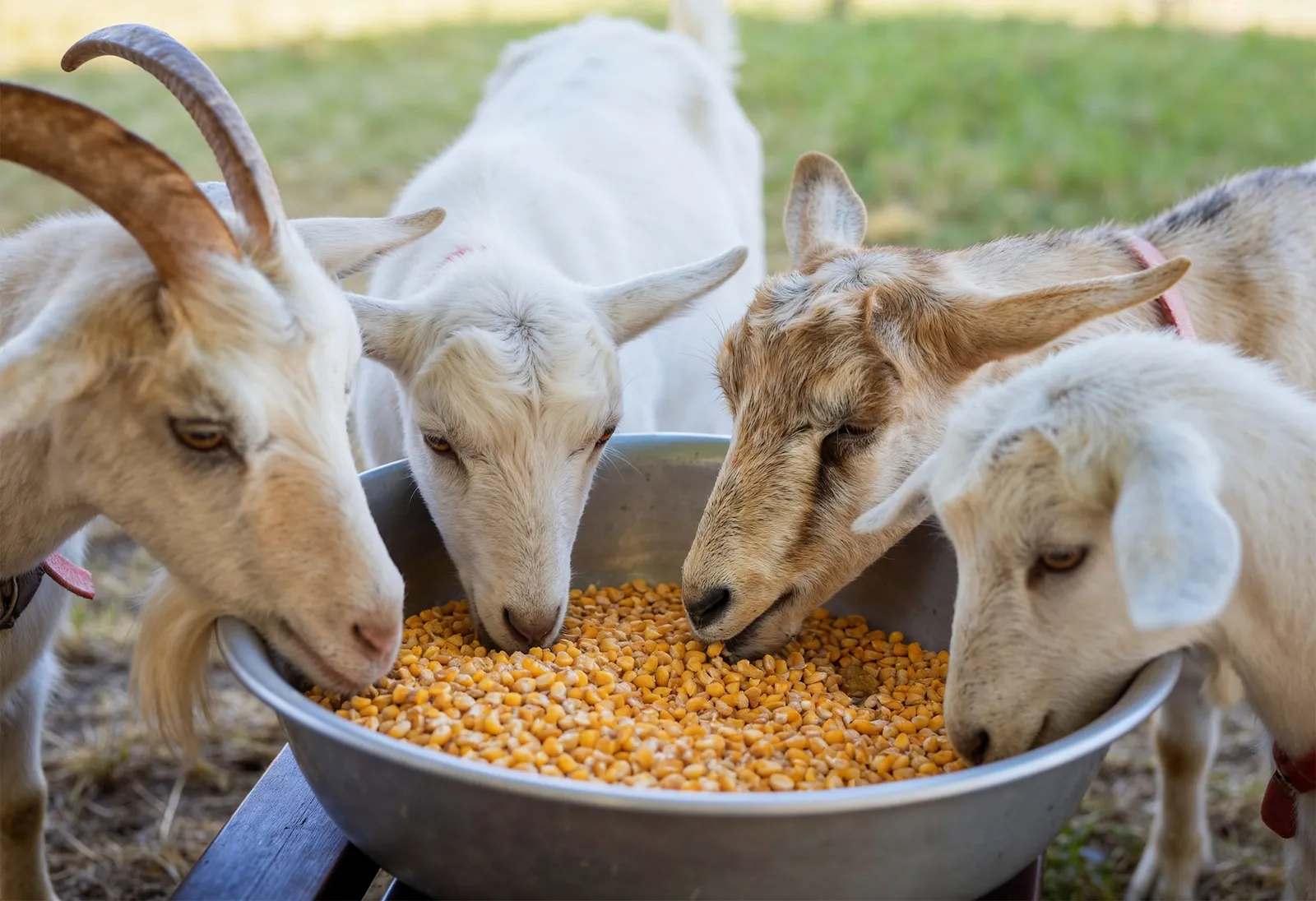
How to Feed Goats During Monsoon Season
Monsoon changes everything for goat farmers. Learn exactly what to feed your goats during the rainy season to keep them healthy, productive, and disease-free.
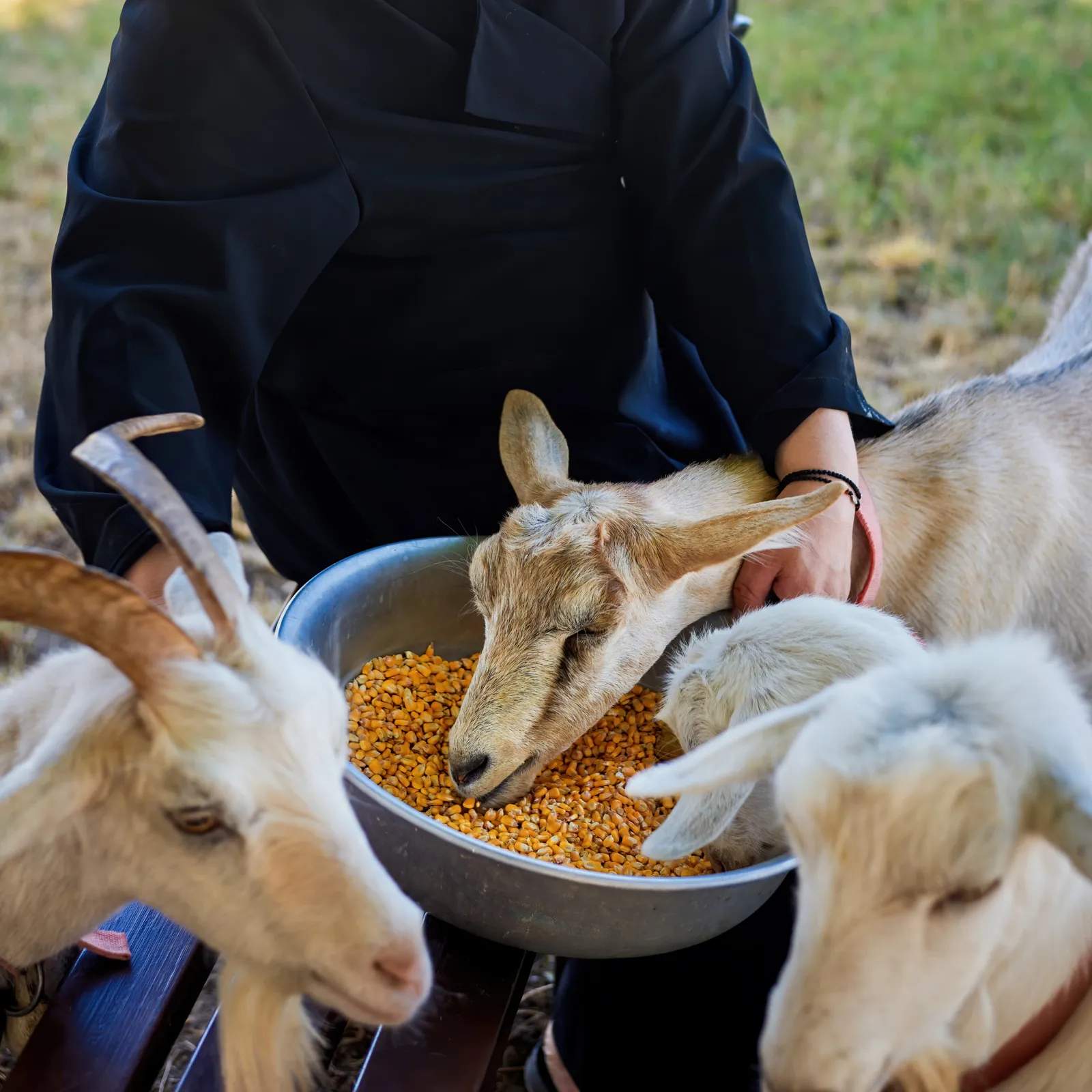
Best Feed for Goats in Summer Heat
Struggling to keep your goats healthy in hot weather? Discover the best summer feed for goats to maintain weight, milk, and energy when temperatures soar.
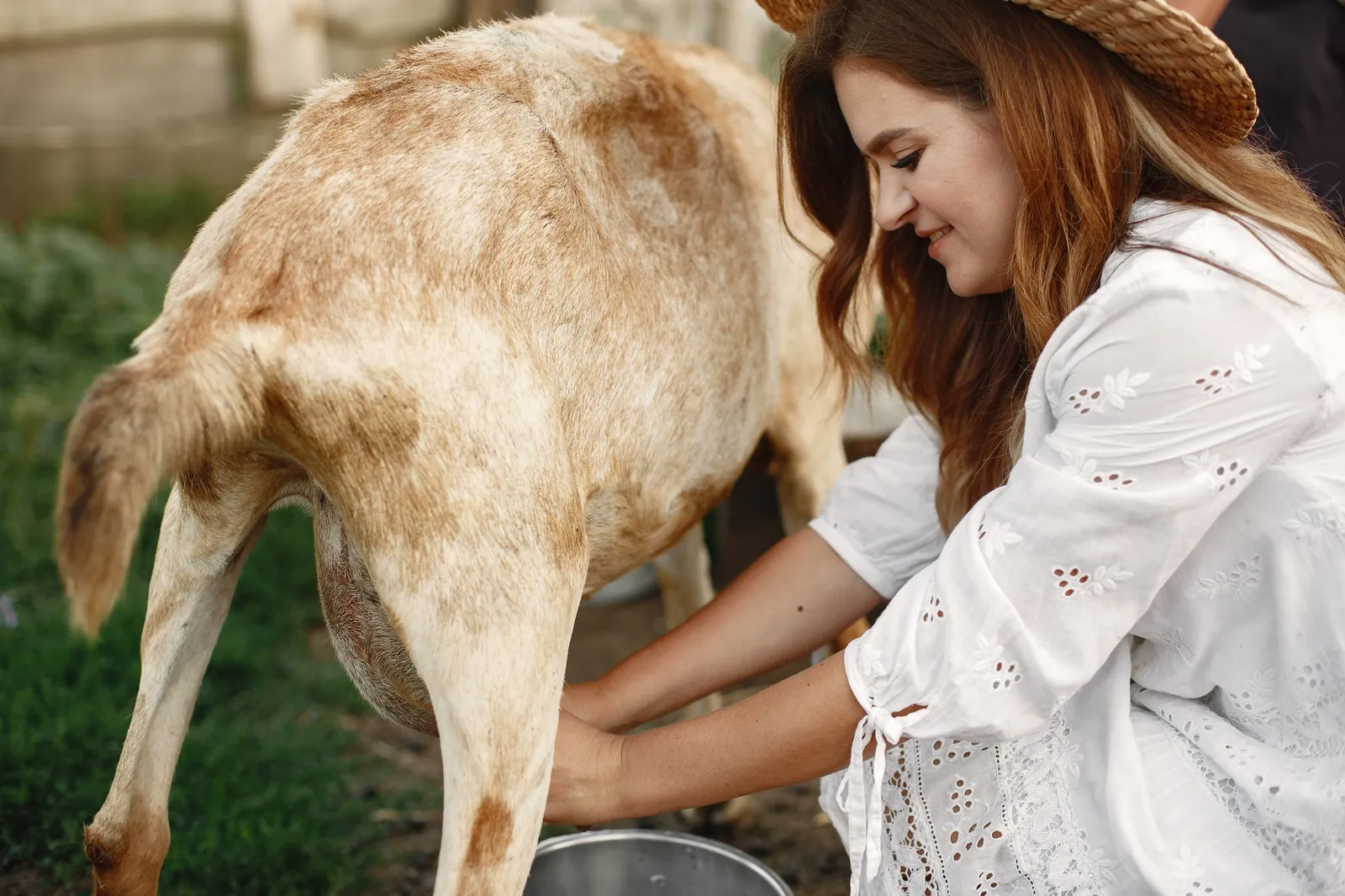
Goat Milk for Lactose Intolerance: Does It Help?
Think goat milk is lactose-free? It's not — but it may still be easier to digest. Here's what the science actually says about goat milk and lactose intolerance.
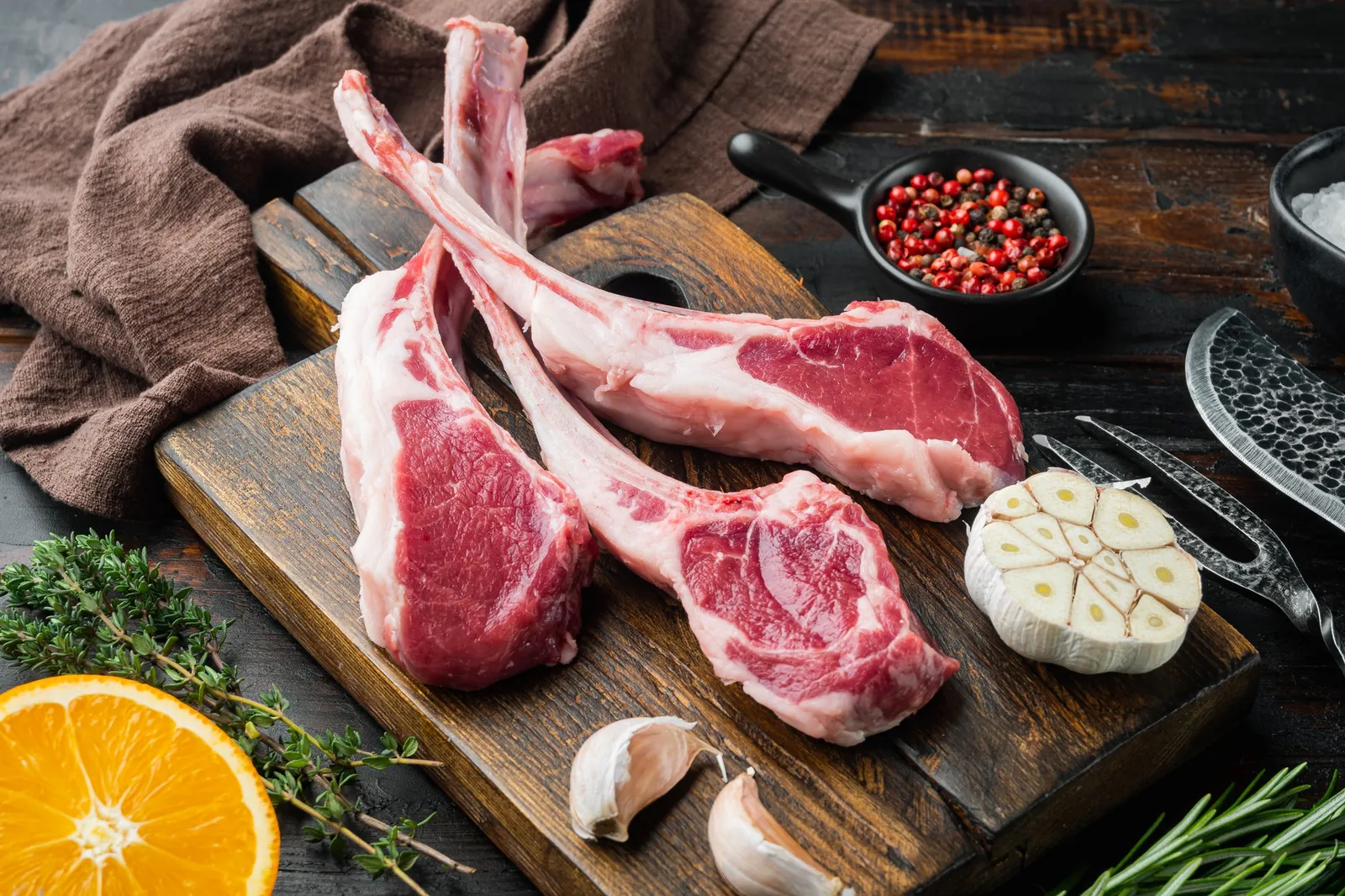
Is Goat Meat Good for Weight Loss?
Wondering if goat meat fits into a weight loss diet? Here's what its nutrition profile really means for your goals — no fluff, just facts.
Goat Milk vs Cow Milk: Which Is Better for You?
Goat milk vs cow milk — which should you choose? Compare nutrition, digestion, taste, and health benefits to find the best fit for your diet.
Frequently Asked Questions
⚕️ Medical Disclaimer
This article is for informational and educational purposes only and is not a substitute for professional medical advice, diagnosis, or treatment. Always consult a qualified healthcare provider with any questions about a medical condition. Read full disclaimer.
Get healthy tips in your inbox
Join the Nutrikoo newsletter for science-backed nutrition, recipes and wellness — no spam, unsubscribe anytime.