
Vitamin D Deficiency in India: Why It's So Common
By Nutrikoo Team
5 June 2026 · 7 min read · 264 views
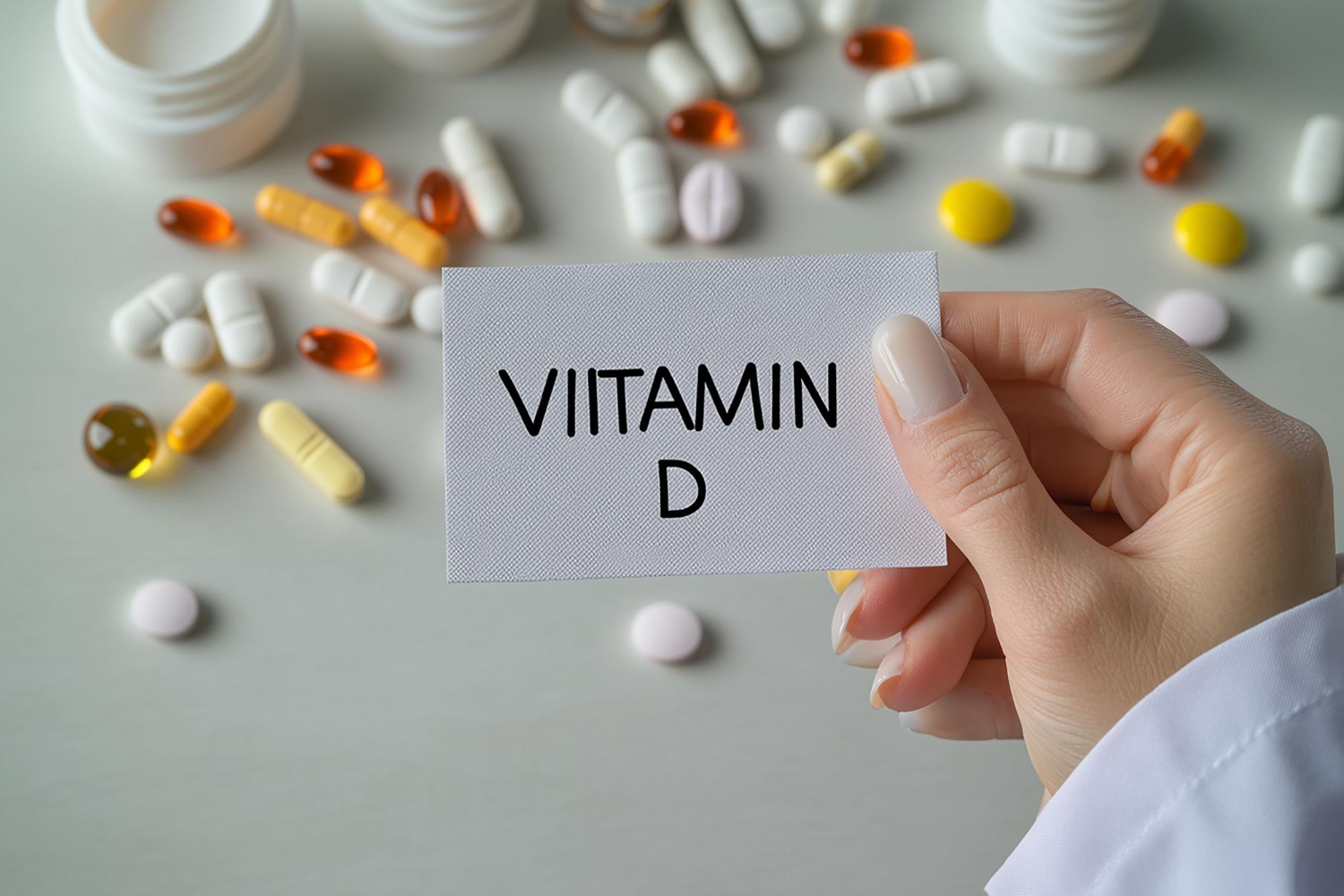
India gets sunshine year-round, yet most Indians are vitamin D deficient. Here's why that happens and what you can actually do about it.
Vitamin D Deficiency in India: Why It's So Common Even in a Sunny Country
Step outside in Mumbai in July and within minutes you're drenched in sweat. Chennai bakes under the sun for nine months of the year. Delhi winters are brief, and even then the afternoons are bright. By any logic, Indians should be swimming in vitamin D.
And yet study after study shows the opposite. Deficiency rates across India are strikingly high — cutting across age groups, income levels, and regions. Office workers in Bengaluru, farmers in Punjab, schoolchildren in Rajasthan — all show low levels with remarkable consistency. How does a country with this much sunshine end up with so little vitamin D?
The answer is surprisingly layered.
What Vitamin D Actually Does (and Why Deficiency Matters)
Vitamin D is less a vitamin and more a hormone your body makes. Its most well-known job is helping your gut absorb calcium, which is why low levels quietly erode bone density over years. But its role doesn't stop there.
It supports muscle function, immune regulation, and there is growing research linking chronically low levels to fatigue, low mood, and increased susceptibility to infections. In children, severe deficiency causes rickets — soft, deformed bones. In adults, it shows up more subtly: aching joints, persistent tiredness, or bones that fracture more easily than they should.
The tricky part is that symptoms are vague enough to be blamed on a dozen other things. Many people walk around deficient for years without knowing it.
The Skin Tone Factor
Here's the core irony. Melanin — the pigment that gives skin its darker tone — acts as a natural sunscreen. It absorbs UV radiation before it can trigger vitamin D synthesis in the skin. This is a brilliant evolutionary adaptation for regions close to the equator, protecting against UV damage and skin cancer.
The trade-off, though, is that people with darker skin need significantly more sun exposure to produce the same amount of vitamin D as someone with lighter skin. Most Indians have moderate to deep skin tones, which means the same one-hour stroll that might be enough for someone in Northern Europe simply isn't sufficient here.
Sunscreen, Clothing, and the Urban Indoor Life
The second factor is behavioral — and it's been accelerating over the past two to three decades.
In cities, most working adults spend the bulk of their day indoors under artificial light. They commute in cars or covered autos, sit in air-conditioned offices, and return home after sundown. Even on weekends, malls and gyms replace parks. The actual time spent with bare skin under direct midday sun is often close to zero.
Add to this the widespread use of sunscreen (genuinely important for skin cancer prevention, but it does reduce vitamin D synthesis), full-sleeved clothing for religious, cultural, or professional reasons, and the deliberate avoidance of the sun — which many Indians associate with getting "dark" — and you have a perfect storm.
Traditional dress codes and beauty standards that prize fair skin mean a lot of people, especially women, actively shield themselves from sunlight. The very sun that could help them is seen as something to hide from.
The Pollution Problem
In metros like Delhi, Kolkata, and Mumbai, there's another layer: air pollution. A thick haze of particulate matter and smog scatters and absorbs UV-B radiation — the specific wavelength that drives vitamin D production in your skin. Even on a technically sunny day, meaningful UV-B may not reach you at street level.

This is a relatively underappreciated factor, but it's real. Urban dwellers in heavily polluted cities are at a structural disadvantage, even if they do spend time outside.
Diet Offers Very Little Help
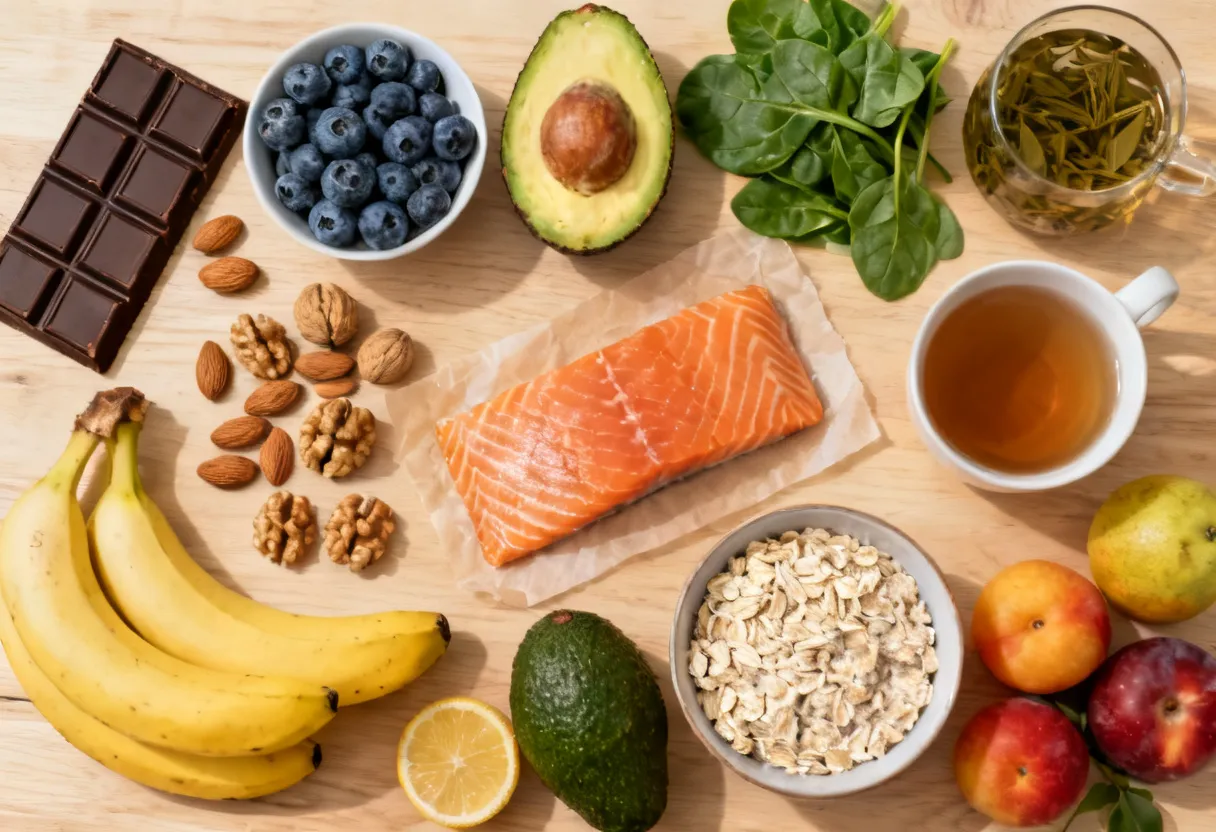
Unlike some nutrients, vitamin D is genuinely hard to get from food alone. The list of natural food sources is short:
- Fatty fish (salmon, mackerel, sardines) — reasonable amounts, but not a staple in most Indian diets
- Egg yolks — small amounts per egg
- Mushrooms exposed to UV light — variable and inconsistent
- Fortified foods — milk, some breakfast cereals, orange juice in Western markets
The fortification piece is important. In the US and UK, mandatory or widespread voluntary fortification of milk and dairy means people passively top up their vitamin D through everyday food. India has no systematic fortification program of this scale. Some brands fortify their products, but it's patchy and not something most consumers track.
A largely vegetarian diet — common across large parts of India — narrows the food options further, since the richest natural sources are all animal-based.
Who Is at Highest Risk?
While deficiency is widespread, some groups face greater risk:
- Infants and young children, especially those exclusively breastfed without supplementation (breast milk is low in vitamin D)
- Pregnant and breastfeeding women, whose requirements are higher
- Older adults, because aging skin becomes less efficient at synthesizing vitamin D
- People who are overweight, since vitamin D gets sequestered in fat tissue and circulates less freely
- Office workers and students who spend most daylight hours indoors
What You Can Actually Do About It
Get a Blood Test First
Before buying supplements, get your 25-hydroxyvitamin D level checked. It's a simple blood test and widely available. This tells you where you actually stand — deficient (below 20 ng/mL), insufficient (20–29 ng/mL), or sufficient (30 ng/mL and above). Treatment depends heavily on your baseline.
Sensible Sun Exposure
Aim for 15–30 minutes of direct sun exposure on your arms and legs around midday, a few times a week — without sunscreen for that window. This is enough for many people with moderate skin tones in most Indian cities during summer. Avoid burning, obviously. Early morning or late evening sun (low UV-B) won't do the job.
Supplementation When Needed
If your levels are low, supplements are effective and inexpensive. Vitamin D3 (cholecalciferol) is better absorbed than D2. Dosing should ideally be guided by a doctor based on your test results — what's right for someone severely deficient is different from someone who just needs maintenance. A weekly high-dose supplement is a common approach for correcting deficiency, followed by a lower daily maintenance dose.
Food Sources Worth Including
Even if food alone won't fix deficiency, adding eggs, sardines, or fortified milk to your diet helps maintain levels once they're corrected. If you're vegetarian, UV-exposed mushrooms and fortified plant milks are your best bets.
Latest Articles
How to Eat Soaked Almonds Daily for Best Results
Soaked almonds pack more nutrition than raw ones. Here's exactly how to eat them daily — the right time, quantity, and simple habits that actually work.
How to Feed Goats During Monsoon Season
Monsoon changes everything for goat farmers. Learn exactly what to feed your goats during the rainy season to keep them healthy, productive, and disease-free.

Best Feed for Goats in Summer Heat
Struggling to keep your goats healthy in hot weather? Discover the best summer feed for goats to maintain weight, milk, and energy when temperatures soar.

Goat Milk for Lactose Intolerance: Does It Help?
Think goat milk is lactose-free? It's not — but it may still be easier to digest. Here's what the science actually says about goat milk and lactose intolerance.

Is Goat Meat Good for Weight Loss?
Wondering if goat meat fits into a weight loss diet? Here's what its nutrition profile really means for your goals — no fluff, just facts.
Goat Milk vs Cow Milk: Which Is Better for You?
Goat milk vs cow milk — which should you choose? Compare nutrition, digestion, taste, and health benefits to find the best fit for your diet.
Frequently Asked Questions
⚕️ Medical Disclaimer
This article is for informational and educational purposes only and is not a substitute for professional medical advice, diagnosis, or treatment. Always consult a qualified healthcare provider with any questions about a medical condition. Read full disclaimer.
Get healthy tips in your inbox
Join the Nutrikoo newsletter for science-backed nutrition, recipes and wellness — no spam, unsubscribe anytime.