
Chia Seeds: Real Health Benefits Worth Knowing
By Nutrikoo Team
5 June 2026 · 6 min read · 1,145 views
Discover the genuine health benefits of chia seeds — from fiber and omega-3s to blood sugar support — and simple ways to add them to your daily diet.
Chia Seeds: Real Health Benefits Worth Knowing
Two tablespoons of chia seeds weigh about 28 grams. That's roughly the size of a golf ball's worth of seeds — yet packed into that tiny portion is a surprisingly broad range of nutrients. No wonder these little seeds have quietly earned a permanent spot in health-conscious kitchens around the world, including in India where they're increasingly easy to find.
But are chia seeds actually as good as people say, or is this just another wellness trend? Let's look at what they genuinely offer.
What Exactly Are Chia Seeds?
Chia seeds come from Salvia hispanica, a flowering plant native to Mexico and Guatemala. They were a staple food for the Aztecs and Mayans — used for energy during long journeys and battles. Today, they're grown commercially across Latin America, Australia, and parts of Asia.
The seeds are tiny, oval-shaped, and come in black or white varieties. Both are nutritionally similar. Their most unusual quality is their ability to absorb up to 10–12 times their weight in water, forming a gel-like coating. This isn't just a party trick — it has real dietary implications.
A Closer Look at the Nutrition Profile
Before talking about benefits, it helps to understand what's actually in chia seeds. Per 28-gram (two-tablespoon) serving, you're looking at approximately:
- Fiber: 10–11 grams
- Protein: 4–5 grams
- Fat: 9 grams (mostly omega-3 fatty acids)
- Calcium: Around 18% of the daily recommended value
- Magnesium and phosphorus: Decent amounts
- Calories: About 138
That fiber number stands out. Most people fall well short of the recommended daily fiber intake, and two spoons of chia seeds get you a significant portion of the way there.
The Real Benefits of Chia Seeds
They're One of the Best Plant Sources of Omega-3 Fatty Acids
Chia seeds are rich in alpha-linolenic acid (ALA), a type of omega-3 fat found in plants. Omega-3s are linked to heart health, reduced inflammation, and brain function.
One thing to know: ALA has to be converted by the body into the more active forms (EPA and DHA) to get the full benefit, and that conversion is limited. So chia seeds support omega-3 intake, but they don't fully replace fatty fish or algae-based supplements if you're vegetarian or vegan and specifically targeting EPA/DHA.
Fiber That Supports Digestion and Keeps You Full
The high fiber content in chia seeds does two practical things. First, it feeds the good bacteria in your gut, which supports digestive health over time. Second, soluble fiber — the gel-forming kind — slows digestion, which means you feel full longer after eating.
If you've ever had chia pudding and noticed you weren't hungry for hours afterward, that's why. It's not magic; it's fiber doing its job.

May Help Steady Blood Sugar Levels
Because chia seeds slow the rate at which food moves through the digestive tract, they can help reduce sharp spikes in blood sugar after meals. This is particularly relevant for people managing type 2 diabetes or trying to avoid energy crashes during the day.
Adding chia seeds to a carbohydrate-heavy meal — stirred into a smoothie, sprinkled on rice, or mixed into roti dough — may help moderate the glycemic response. Research in this area is promising, though chia seeds are a supportive tool, not a treatment.
Support for Bone Health
This one surprises people. Chia seeds contain calcium, phosphorus, and magnesium — three minerals that matter for bone density. For those who don't eat dairy, chia seeds offer a useful plant-based contribution to daily calcium intake.
Two tablespoons provide more calcium than a glass of milk by some estimates, though bioavailability (how much your body actually absorbs) varies based on other dietary factors.
A Convenient Source of Plant Protein
Chia seeds aren't a complete protein on their own, but they contain all nine essential amino acids in reasonable amounts — which is unusual for a plant food. Combined with other protein sources in a meal, they round out your intake nicely.
For vegetarians and vegans, this is a small but useful nutritional bonus.
How to Actually Eat Chia Seeds
Chia seeds are extremely versatile. Here are some practical, no-fuss ways to include them:
- Chia pudding: Mix 3 tablespoons of seeds with a cup of milk (dairy or plant-based), add a touch of honey or jaggery, refrigerate overnight. Ready by morning.
- In smoothies: Blend them straight in, or let them soak for 10 minutes first.
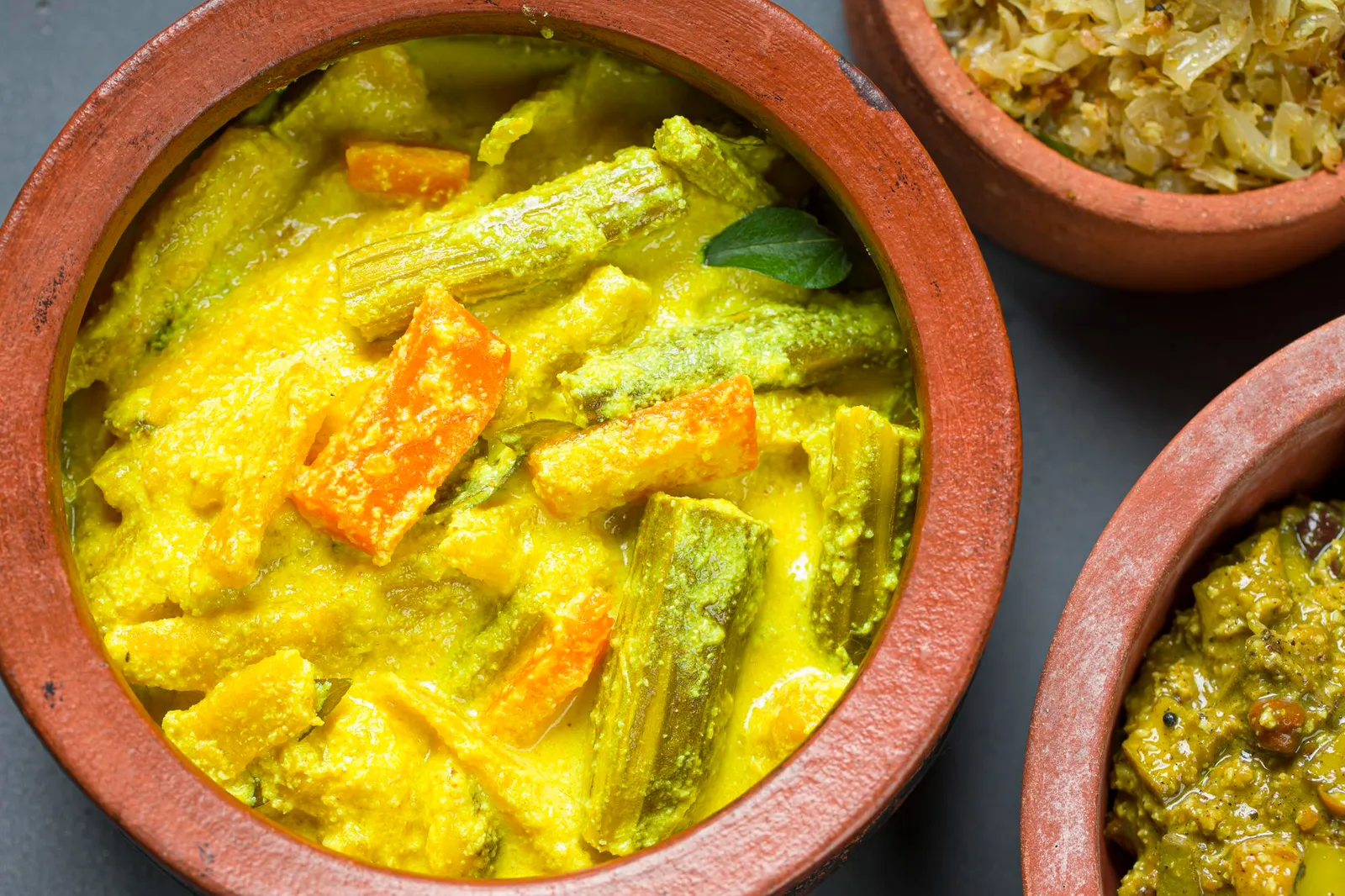
- Stirred into dal or sabzi: They absorb the liquid and become nearly invisible, adding nutrition without changing the taste.
- Mixed into yogurt or curd: A quick, easy combination that works well as a snack.
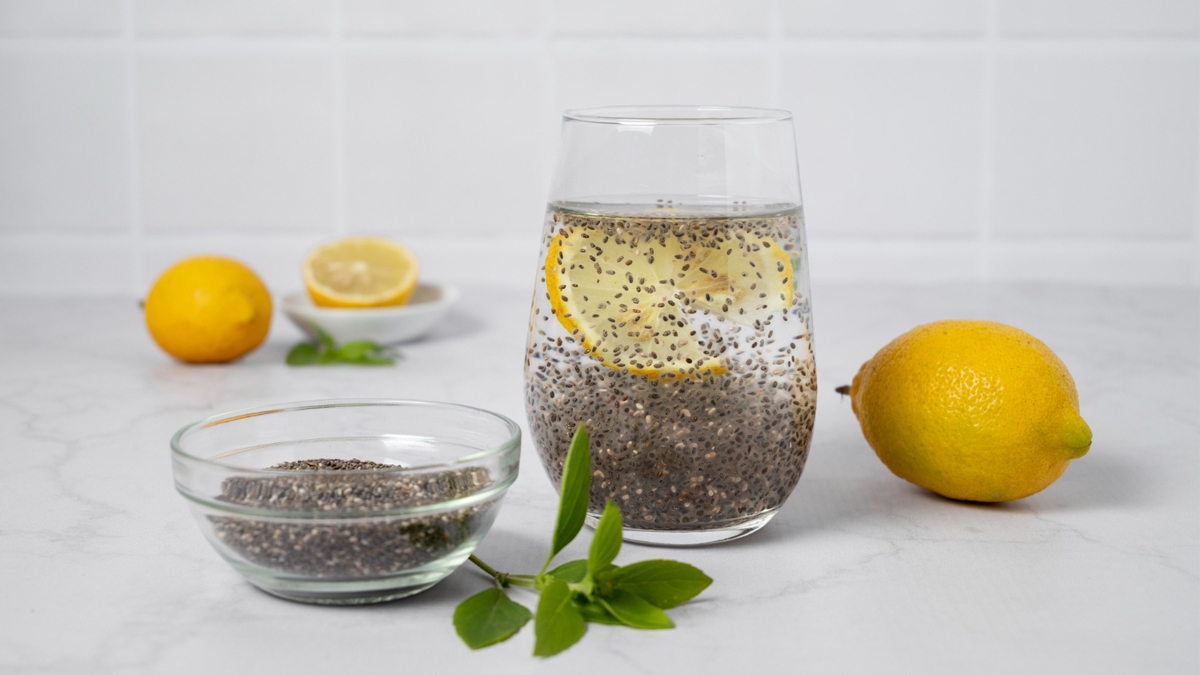
- In lemon water: Soak a tablespoon in a glass of water with lemon — a hydrating drink that also slows hunger.
The only real caution: always consume chia seeds with adequate liquid. Eating them dry in large amounts can cause them to expand in the throat, which is a choking hazard, particularly for children and the elderly.
Are There Any Downsides?
Chia seeds are safe for most people, but a few things are worth keeping in mind:
- Too much fiber too fast can cause bloating, gas, or digestive discomfort. If you're new to chia seeds, start with one teaspoon and increase gradually.
- Blood thinners: Because of their omega-3 content, very high doses may affect blood clotting. If you're on blood-thinning medication, check with your doctor.
- Calorie density: They're not low-calorie. A couple of tablespoons is fine; adding them to everything in large amounts can tip your daily calorie balance.
Latest Articles
How to Eat Soaked Almonds Daily for Best Results
Soaked almonds pack more nutrition than raw ones. Here's exactly how to eat them daily — the right time, quantity, and simple habits that actually work.

How to Feed Goats During Monsoon Season
Monsoon changes everything for goat farmers. Learn exactly what to feed your goats during the rainy season to keep them healthy, productive, and disease-free.

Best Feed for Goats in Summer Heat
Struggling to keep your goats healthy in hot weather? Discover the best summer feed for goats to maintain weight, milk, and energy when temperatures soar.

Goat Milk for Lactose Intolerance: Does It Help?
Think goat milk is lactose-free? It's not — but it may still be easier to digest. Here's what the science actually says about goat milk and lactose intolerance.
Is Goat Meat Good for Weight Loss?
Wondering if goat meat fits into a weight loss diet? Here's what its nutrition profile really means for your goals — no fluff, just facts.

Goat Milk vs Cow Milk: Which Is Better for You?
Goat milk vs cow milk — which should you choose? Compare nutrition, digestion, taste, and health benefits to find the best fit for your diet.
Frequently Asked Questions
⚕️ Medical Disclaimer
This article is for informational and educational purposes only and is not a substitute for professional medical advice, diagnosis, or treatment. Always consult a qualified healthcare provider with any questions about a medical condition. Read full disclaimer.
Editorial note: This article was researched and written with the assistance of AI tools and reviewed by the Nutrikoo editorial team for accuracy and clarity. It is for general information only and is not medical advice. See our editorial policy.
Get healthy tips in your inbox
Join the Nutrikoo newsletter for science-backed nutrition, recipes and wellness — no spam, unsubscribe anytime.