
Amla vs Blueberry: Which Berry Wins for Immunity?

By A Reza, Health & Nutrition Writer
7 June 2026 · 7 min read · 206 views
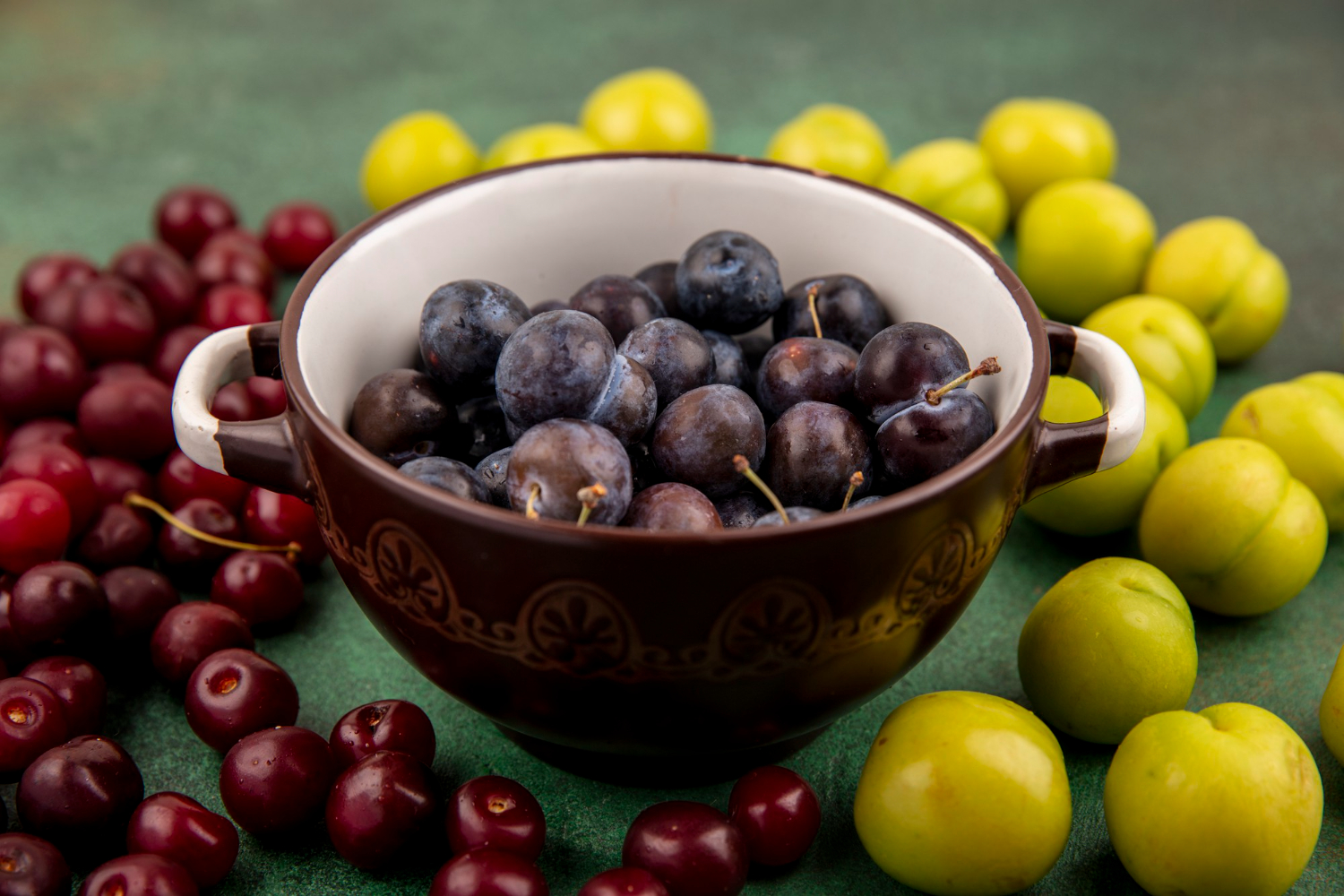
Amla and blueberry both claim the immunity crown. Here's an honest, evidence-based comparison to help you choose the right berry for your health goals.
Amla vs Blueberry: Which Berry Wins for Immunity?
Pick up any wellness article written in the last decade and blueberries are probably sitting somewhere near the top. But ask anyone's Indian grandmother, and amla — that small, tart gooseberry — has been the go-to immunity fruit for centuries. So which one actually deserves a place in your daily routine? Let's break it down honestly.
What Exactly Are These Two Berries?
Amla (Indian gooseberry, Phyllanthus emblica) is a pale green fruit native to South Asia. It's fibrous, intensely sour, and has been a cornerstone of Ayurvedic medicine for over 3,000 years. You'll find it as raw fruit, dried powder, juice, or the beloved chyawanprash paste.
Blueberries (Vaccinium species) are small, deep-purple-blue berries native to North America. They're mild, slightly sweet, and have earned heavy scientific attention over the past few decades for their antioxidant content. Fresh, frozen, or dried — they're easy to eat and widely available globally.
Both are real foods with genuine benefits. The debate isn't about which one is "fake" — it's about what each does best.
The Vitamin C Showdown
Here's where amla earns its reputation quickly. Amla is one of the richest natural sources of Vitamin C on the planet. A single small amla fruit (roughly 100g) can contain anywhere from 600 to 900 mg of Vitamin C — that's nearly ten times what you'd find in an orange.
Blueberries, by comparison, contain roughly 9–14 mg of Vitamin C per 100g. That's not nothing, but it's a very different league.
Vitamin C is central to immune function. It supports the production of white blood cells, acts as a potent antioxidant, and helps the body respond to infection faster. If raw Vitamin C content is your benchmark, amla wins this round without much contest.
One interesting detail: the Vitamin C in amla is thought to be more stable than in many other fruits, partly due to the presence of tannins that protect it during storage and even light cooking.
Antioxidant Depth: Where Blueberries Push Back
Blueberries don't take Vitamin C as their main weapon — they bring a different arsenal. Their deep blue-purple color comes from anthocyanins, a class of flavonoids with strong antioxidant and anti-inflammatory properties.
Anthocyanins have been linked to better brain health, reduced oxidative stress, and improved circulation. They're also associated with healthier immune responses, particularly when it comes to chronic, low-grade inflammation — the kind that quietly undermines immunity over time.
Amla has its own rich antioxidant profile too, including ellagic acid, gallic acid, and several polyphenols. But its anthocyanin content is minimal compared to blueberries.
So think of it this way: amla hits hard and fast with Vitamin C, while blueberries work more slowly and broadly through their flavonoid content.
Immunity Beyond Antioxidants
Strong immunity isn't just about antioxidants. It needs gut health, low inflammation, good sleep, and steady nutrition across the board. Both berries contribute here, just differently.
Amla's broader immune contributions:
- Supports liver function, which plays a role in clearing toxins
- Has traditionally been used to regulate digestion — a healthy gut is closely tied to immune strength
- Contains chromium, which may help regulate blood sugar (blood sugar spikes can suppress immunity temporarily)
- Antibacterial and antiviral properties have been noted in research, though more human studies are needed
Blueberry's broader immune contributions:
- Regular consumption has been associated with reduced markers of inflammation in research
- The fiber content feeds beneficial gut bacteria, supporting the gut-immune connection
- May help maintain the integrity of the intestinal lining, which acts as a physical barrier to pathogens
- Linked to better cardiovascular health, which indirectly supports overall resilience
Neither berry is a cure-all. But both offer meaningful, multi-layered support when eaten consistently.
Practical Accessibility: Who Can Actually Eat These?
This matters more than people admit. The best food for your immunity is the one you'll actually eat regularly.
Amla is easy to find fresh across India from October to March. Year-round, it's available as powder, juice, or pickles. It's inexpensive and deeply embedded in South Asian cooking traditions. Outside India, dried amla and amla powder are increasingly available in Indian grocery stores globally.
Blueberries are widely available fresh or frozen in North America, Europe, and increasingly in urban Indian supermarkets — though fresh blueberries remain expensive in India. Frozen blueberries retain most of their nutritional value and are a practical, affordable option if fresh isn't accessible.
For most Indian households, amla is the more accessible and affordable choice. For readers in North America or Europe, fresh or frozen blueberries are easy to incorporate daily, while amla products are a worthy addition.
How to Actually Use Both
You don't have to pick just one. Here are simple, practical ways to get both into your week:
Amla:
- Start the morning with a small glass of fresh amla juice diluted with water
- Add amla powder to smoothies, buttermilk, or dal
- Eat a small piece of murabba (amla preserve) after meals
- Mix amla powder into homemade chutneys or raita
Blueberries:
- Toss a handful of frozen blueberries into your morning oats or yogurt
- Blend them into smoothies alongside banana and nut butter
- Eat fresh blueberries as a snack with a small handful of nuts
- Add to salads for a sweet-tart contrast
Combining both in a morning smoothie — amla powder, blueberries, a banana, some ginger — is genuinely one of the more nutrient-dense breakfasts you can put together in under five minutes.
So, Which One Wins?
For raw, immediate immune support — especially Vitamin C-driven protection — amla is the stronger choice. Its Vitamin C density is exceptional, its antioxidant profile is broad, and its gut-supportive properties add real value.
Blueberries bring something different: a rich anthocyanin profile that fights chronic inflammation and supports long-term immune resilience. They're also easier to eat in larger quantities since they're less sour and more versatile in everyday cooking.
If you had to pick one, and you live in India or have easy access to amla, lean toward amla. If blueberries are more accessible and amla feels difficult to source, blueberries are an excellent, evidence-backed choice.
But honestly, these two berries complement each other beautifully. Including both — even in small amounts — gives you a more complete range of immune-supporting nutrients than either alone.
Latest Articles
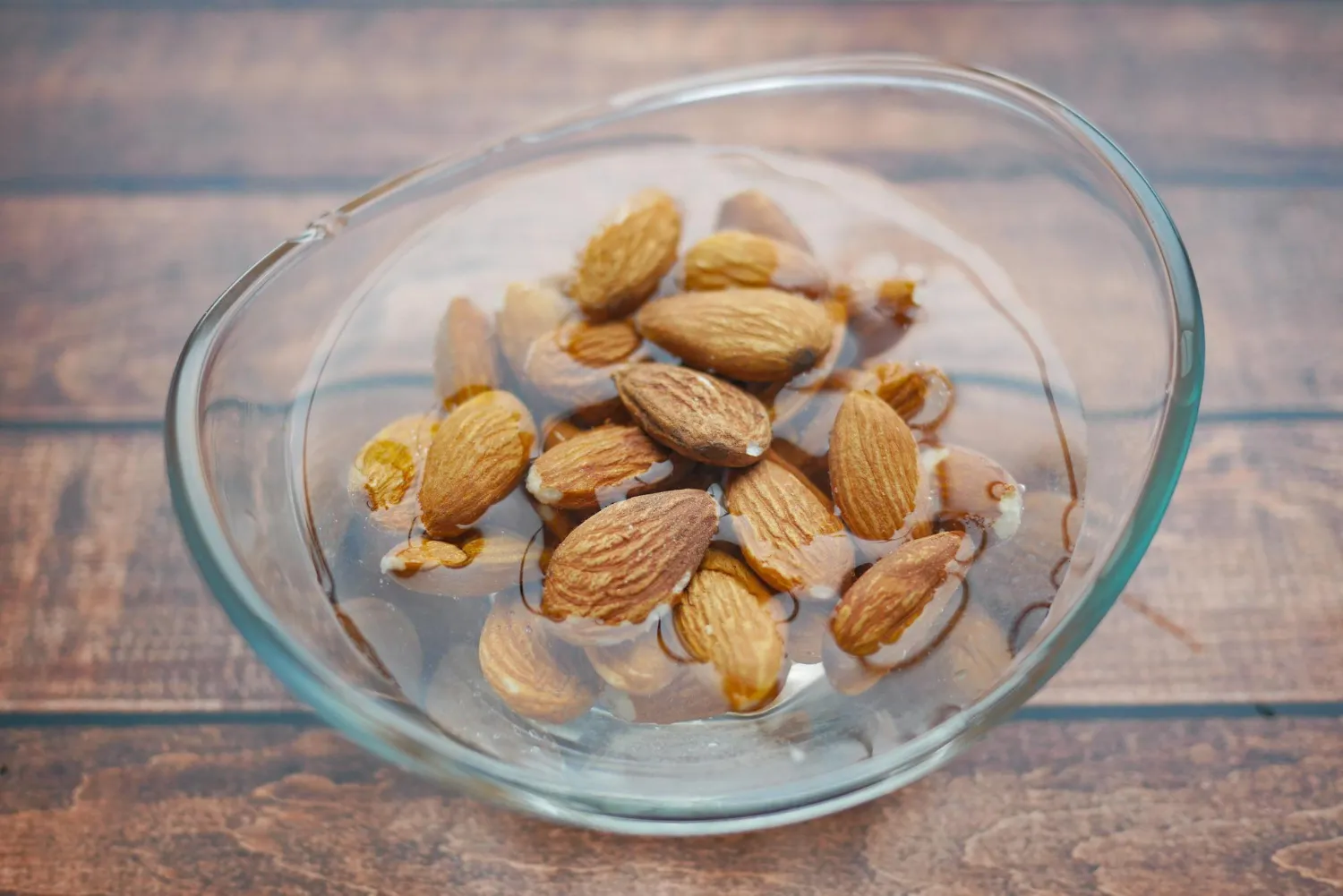
How to Eat Soaked Almonds Daily for Best Results
Soaked almonds pack more nutrition than raw ones. Here's exactly how to eat them daily — the right time, quantity, and simple habits that actually work.
How to Feed Goats During Monsoon Season
Monsoon changes everything for goat farmers. Learn exactly what to feed your goats during the rainy season to keep them healthy, productive, and disease-free.

Best Feed for Goats in Summer Heat
Struggling to keep your goats healthy in hot weather? Discover the best summer feed for goats to maintain weight, milk, and energy when temperatures soar.
Goat Milk for Lactose Intolerance: Does It Help?
Think goat milk is lactose-free? It's not — but it may still be easier to digest. Here's what the science actually says about goat milk and lactose intolerance.
Is Goat Meat Good for Weight Loss?
Wondering if goat meat fits into a weight loss diet? Here's what its nutrition profile really means for your goals — no fluff, just facts.
Goat Milk vs Cow Milk: Which Is Better for You?
Goat milk vs cow milk — which should you choose? Compare nutrition, digestion, taste, and health benefits to find the best fit for your diet.
Frequently Asked Questions
⚕️ Medical Disclaimer
This article is for informational and educational purposes only and is not a substitute for professional medical advice, diagnosis, or treatment. Always consult a qualified healthcare provider with any questions about a medical condition. Read full disclaimer.
Get healthy tips in your inbox
Join the Nutrikoo newsletter for science-backed nutrition, recipes and wellness — no spam, unsubscribe anytime.