
Best Feed for Goats in Summer Heat

By Nadeem Akhtar, Fitness & Lifestyle Writer
15 June 2026 · 8 min read · 2 views
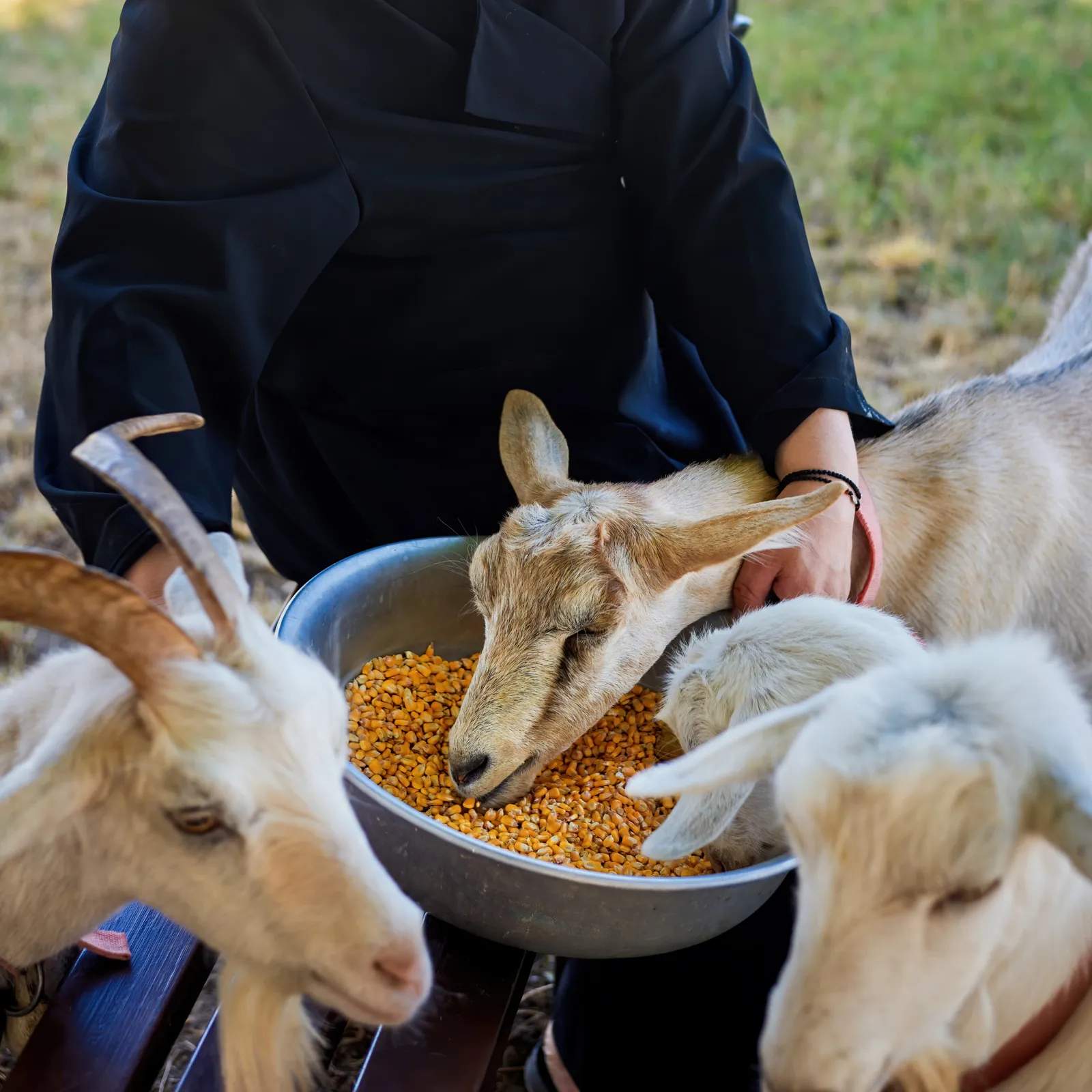
Struggling to keep your goats healthy in hot weather? Discover the best summer feed for goats to maintain weight, milk, and energy when temperatures soar.
Best Feed for Goats in Summer Heat
Walk past a goat pen on a blazing May afternoon, and you'll notice something right away — the animals are quieter, slower, and eating less than usual. That's not laziness. That's heat stress, and it hits goats harder than most people realize.
When temperatures climb above 30°C (86°F), goats reduce their feed intake, drink more water, and shift their behavior. The result? Dropped milk production, slower growth, and in severe cases, real health problems. The good news is that with the right summer feeding strategy, you can keep your herd healthy, productive, and comfortable even through the hottest months.
Why Summer Heat Changes Everything About Goat Feeding
Here's the core tension: goats need energy to stay cool, but heat makes them eat less. So the feed you offer in summer has to work harder — it needs to be more digestible, higher in key nutrients per bite, and appealing enough that a heat-stressed goat will actually eat it.
Compare a winter feeding routine to a summer one and the differences become clear fast. In winter, goats graze enthusiastically, digest high-fiber hay efficiently, and rarely need much coaxing. In summer, that same hay sits untouched during the hot afternoon hours. Goats pick at it reluctantly, lose body condition, and lactating does produce noticeably less milk.
The fix isn't simply "feed more." It's feeding smarter.
Forage First: The Foundation of Any Goat's Summer Diet
Fresh Browse vs. Dry Hay — Which Wins in Summer?
If you have access to fresh browse — think leaves from neem (Azadirachta indica), moringa (Moringa oleifera), or pigeon pea (Cajanus cajan) — prioritize it over dry hay in summer. Browse is higher in moisture, easier to chew and digest in the heat, and often more palatable when a goat's appetite is already suppressed.
Dry hay isn't bad, but it generates more body heat during digestion (a process called the heat increment of feeding). Think of it this way: digesting coarse, dry fiber is like your body working a hard shift in a hot kitchen. Fresh, leafy browse is a lighter meal that doesn't tax the system as much.
Practical tips for summer forage:
- Offer hay in the early morning and late evening when temperatures dip.
- Hang browse bundles at shoulder height — goats prefer to reach up, and it keeps feed cleaner.
- Avoid moldy or wilted forage, which goats will reject and which can cause illness in hot, humid conditions.
Legume Hay: A Better Summer Option Than Grass Hay Alone
Legume hays like cowpea hay, groundnut hay, or lucerne (alfalfa) have a higher protein-to-fiber ratio than pure grass hay. In summer, when goats eat less volume, this matters a lot — you want every mouthful to count. Lucerne, in particular, is well-regarded for lactating does who need protein to sustain milk output even when appetite is low.
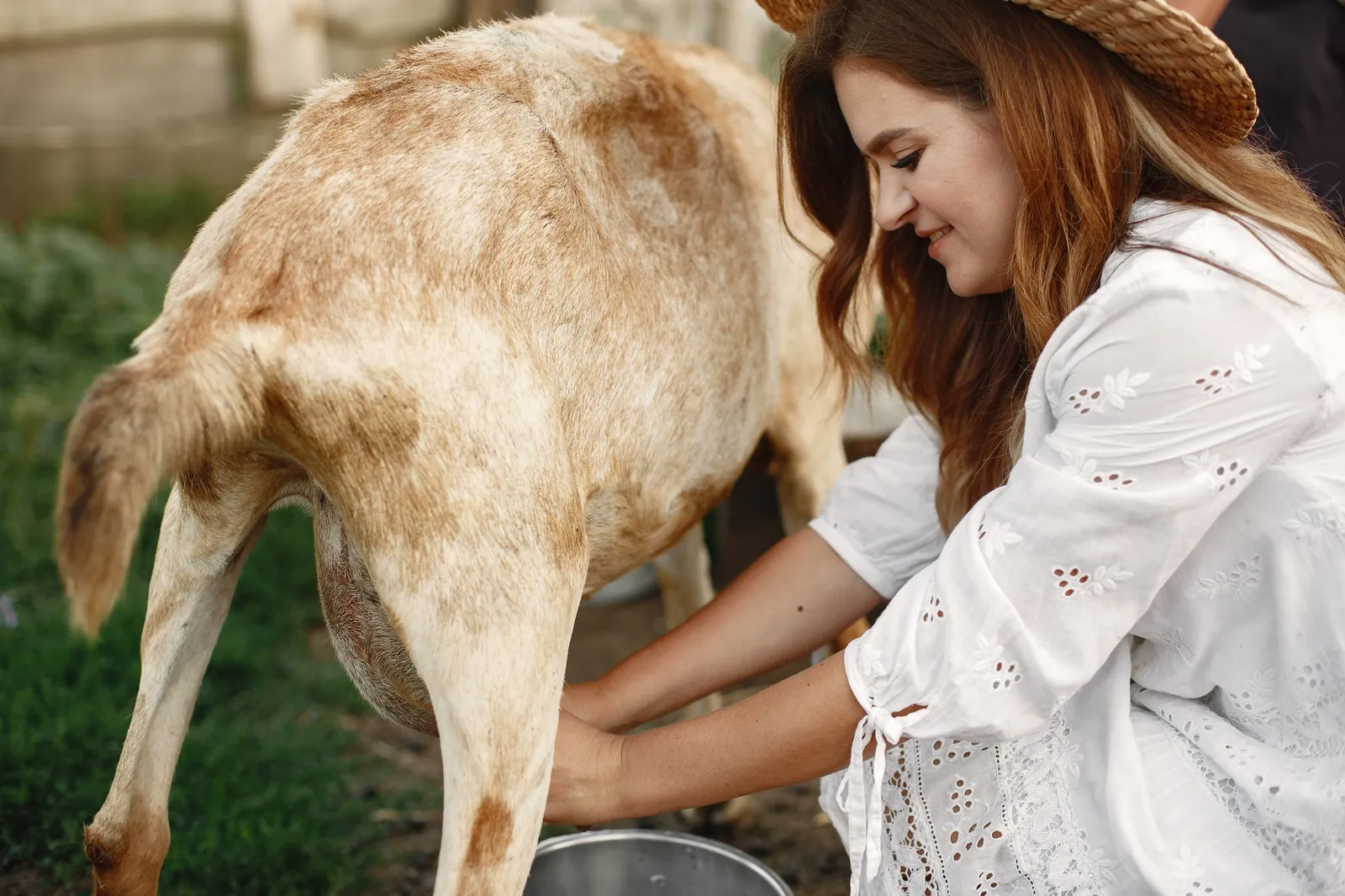
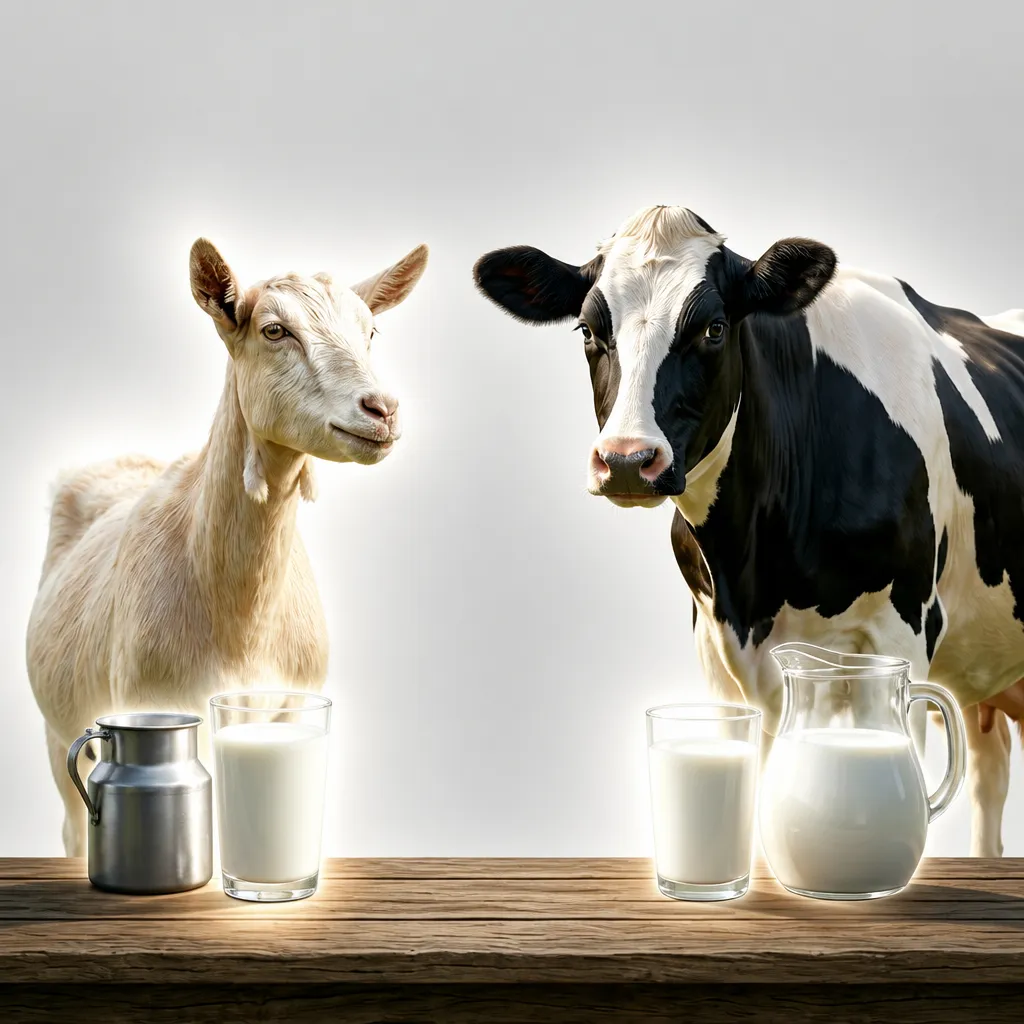
If you're curious about how goat milk production is affected by diet, our piece on goat milk vs cow milk gives useful background on what makes goat milk nutritionally distinct — and why keeping does well-fed matters so much.
Concentrates in Summer: Less Is More, But Choose Wisely
Concentrates — grains, oil cakes, commercial pellets — are energy-dense and valuable. But here's where summer feeding diverges sharply from winter feeding: heavy grain rations increase body heat production during digestion. Too much grain on a hot afternoon can actually worsen heat stress.
The better summer approach:
- Reduce concentrate quantity slightly compared to your winter ration.
- Split feeding into two smaller meals (early morning and evening) rather than one large one.
- Choose concentrates with moderate starch and higher fat content — maize bran, rice bran, or cold-pressed cottonseed cake are reasonable options that are digested more efficiently in heat.
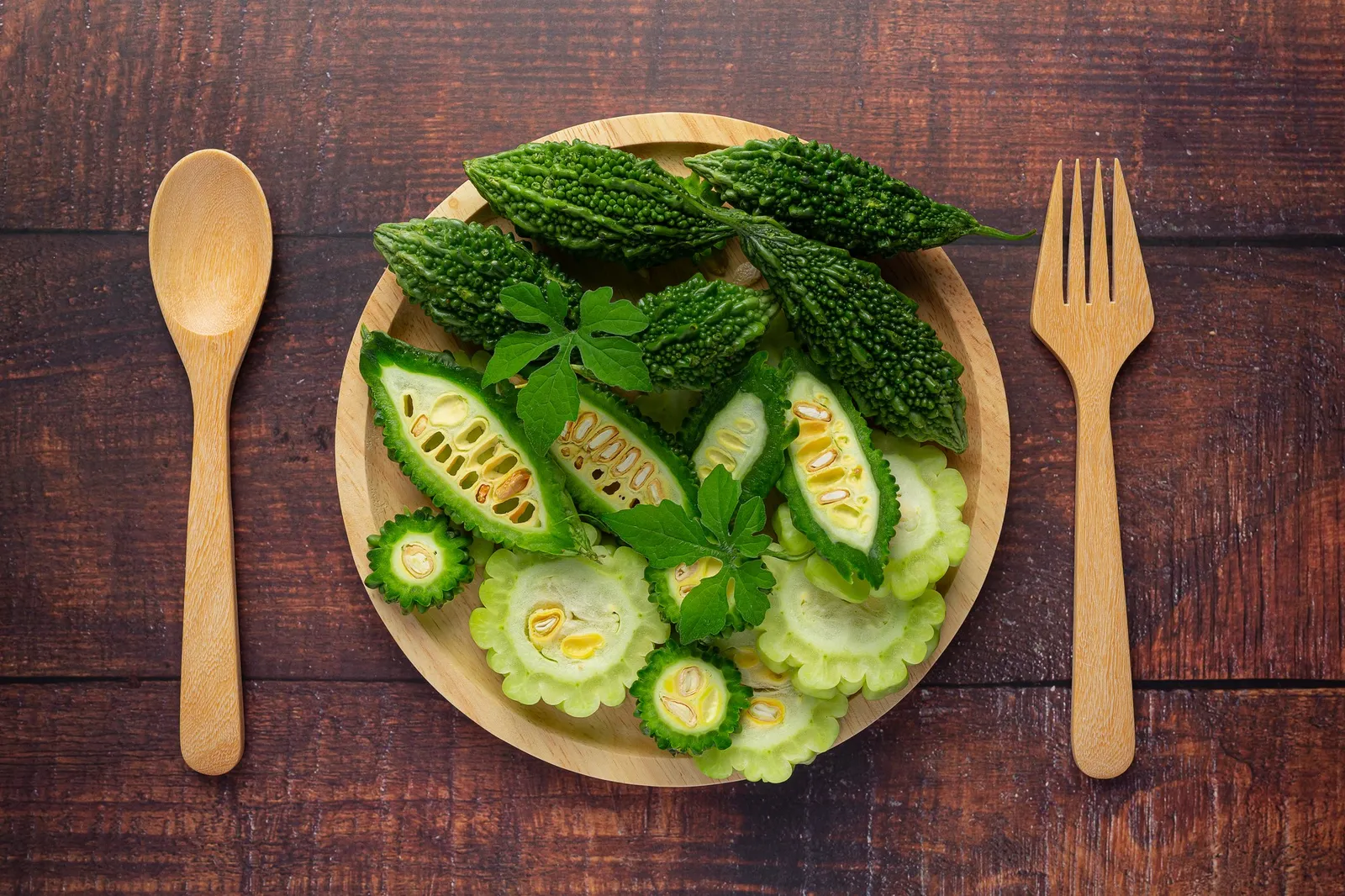
For growing kids or lactating does, you can't drop concentrates entirely — they still need the protein and energy. Just time those meals wisely.
Water: The Most Underrated "Feed" in Summer
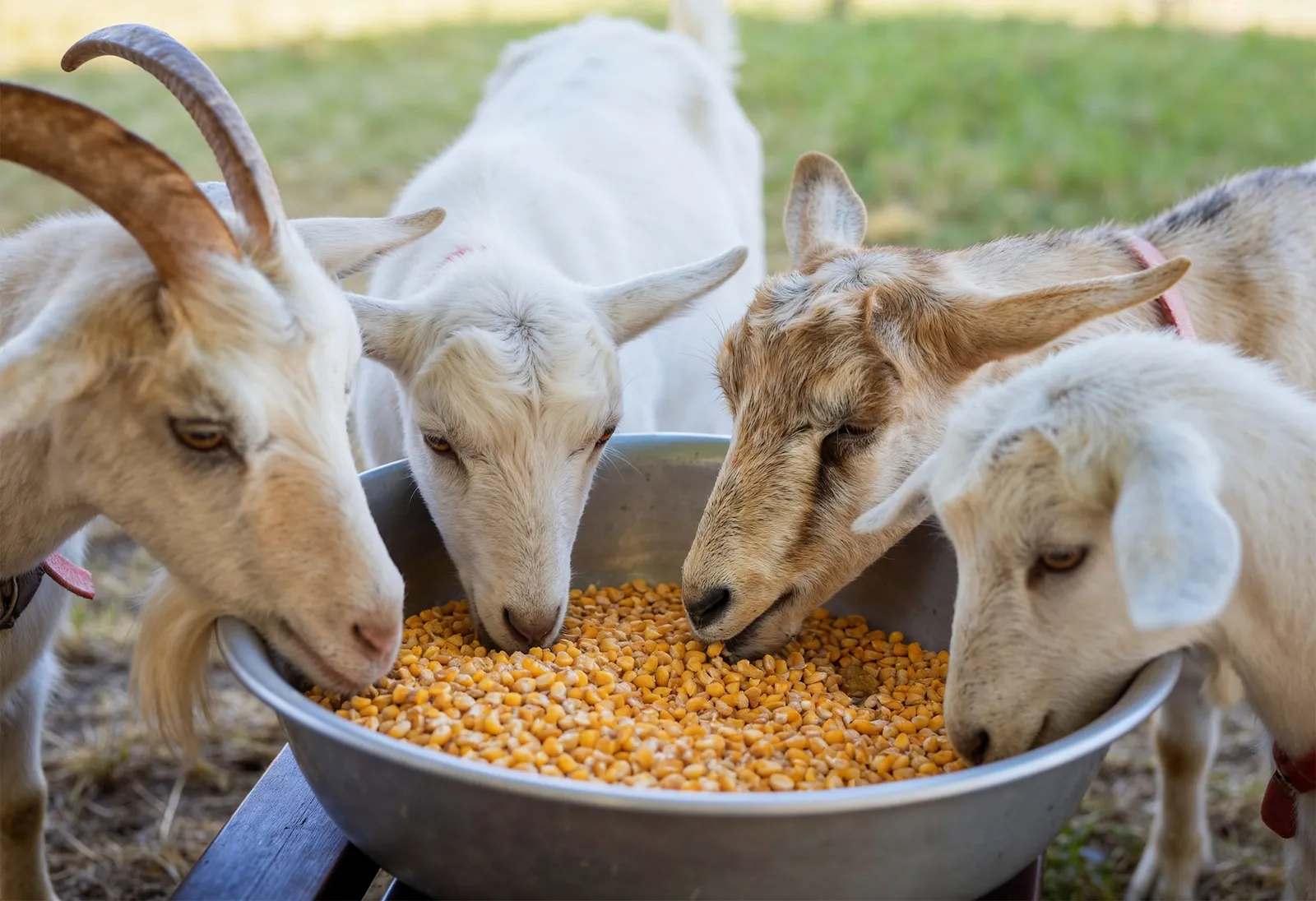
This isn't dramatic — goats can drink two to three times more water in summer than in winter. A lactating doe in hot weather may need 8–10 liters a day or more. Yet on many small farms, water availability is the single most overlooked factor in summer goat health.
Cold or cool water is significantly more appealing to goats than warm water sitting in a metal trough under the sun. If you can provide shade for water containers, or refresh water at least twice daily, intake improves noticeably. Some farmers add a small pinch of salt to water to encourage drinking — a simple trick worth trying.
Minerals and Electrolytes: What Gets Lost in the Heat
Goats sweat and pant in summer, and with that they lose sodium, potassium, and other trace minerals. A good loose mineral mix offered free-choice (meaning available at all times, not force-fed) is one of the smartest additions to a summer feeding program.
Look for a mineral mix formulated for small ruminants that includes:
- Sodium and chloride (salt)
- Calcium and phosphorus
- Zinc (especially important for skin and hoof health in humidity)
- Selenium, where soils are deficient
Avoid relying only on salt blocks in summer — they meet sodium needs but not the full mineral picture. Loose minerals are easier for goats to consume when they're already stressed and low on appetite.
For readers interested in the broader nutritional story of goat products — including how mineral-rich feed affects milk quality — our article on goat milk for lactose intolerance touches on why goat milk is often easier to digest, which starts with how the animals are fed.
Plants That Help (and a Few to Avoid)
Certain plants are genuinely cooling and beneficial for goats in summer. Moringa leaves, for instance, are packed with protein, vitamins, and minerals — and goats love them. Banana leaves, though low in protein, are hydrating and palatable. Maize (corn) silage, where available, combines moisture with energy and is excellent for summer feeding.
On the other hand, be cautious with:
- Dry, mature crop residues fed in large quantities midday — they generate high digestive heat.
- Spoiled or wet feed — humid summer conditions accelerate mold growth, and mycotoxins can cause serious illness.
- Sudden feed changes — heat-stressed goats have more sensitive digestive systems. Any transition to new feed should happen gradually over 7–10 days.
If you're also managing sheep alongside goats, feeding strategies overlap significantly. Our guide on what sheep eat for best growth covers forage and concentrate choices that apply to both species.
Feeding Schedule: Timing Matters More in Summer
| Time of Day | Best Practice |
|---|---|
| Early morning (5–8 AM) | Main forage and concentrate meal |
| Midday (11 AM–3 PM) | Minimal feed; focus on fresh water and shade |
| Late afternoon/evening | Second forage and supplement meal |
This rhythm works because goats naturally want to graze in cooler parts of the day. Fighting that instinct — expecting them to eat during peak heat — is a losing battle.
A Quick Note on Goat Meat Quality
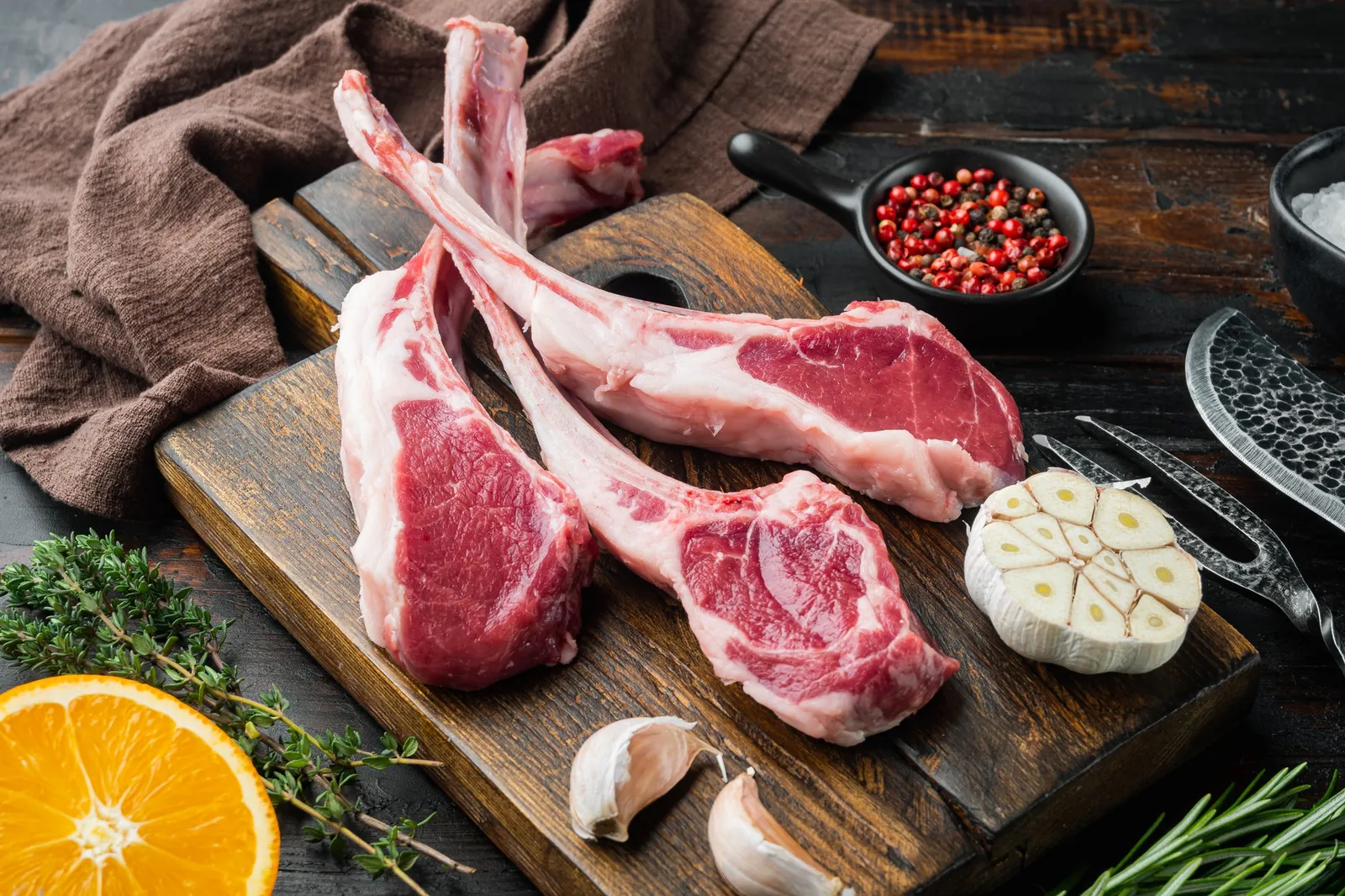
A goat that eats well through summer maintains better muscle mass and body condition, which translates directly to meat quality. If you raise goats partly for meat and want to understand that side of the picture, our article on whether goat meat is good for weight loss gives a clear nutritional breakdown.
Latest Articles
How to Eat Soaked Almonds Daily for Best Results
Soaked almonds pack more nutrition than raw ones. Here's exactly how to eat them daily — the right time, quantity, and simple habits that actually work.
How to Feed Goats During Monsoon Season
Monsoon changes everything for goat farmers. Learn exactly what to feed your goats during the rainy season to keep them healthy, productive, and disease-free.
Goat Milk for Lactose Intolerance: Does It Help?
Think goat milk is lactose-free? It's not — but it may still be easier to digest. Here's what the science actually says about goat milk and lactose intolerance.
Is Goat Meat Good for Weight Loss?
Wondering if goat meat fits into a weight loss diet? Here's what its nutrition profile really means for your goals — no fluff, just facts.
Goat Milk vs Cow Milk: Which Is Better for You?
Goat milk vs cow milk — which should you choose? Compare nutrition, digestion, taste, and health benefits to find the best fit for your diet.
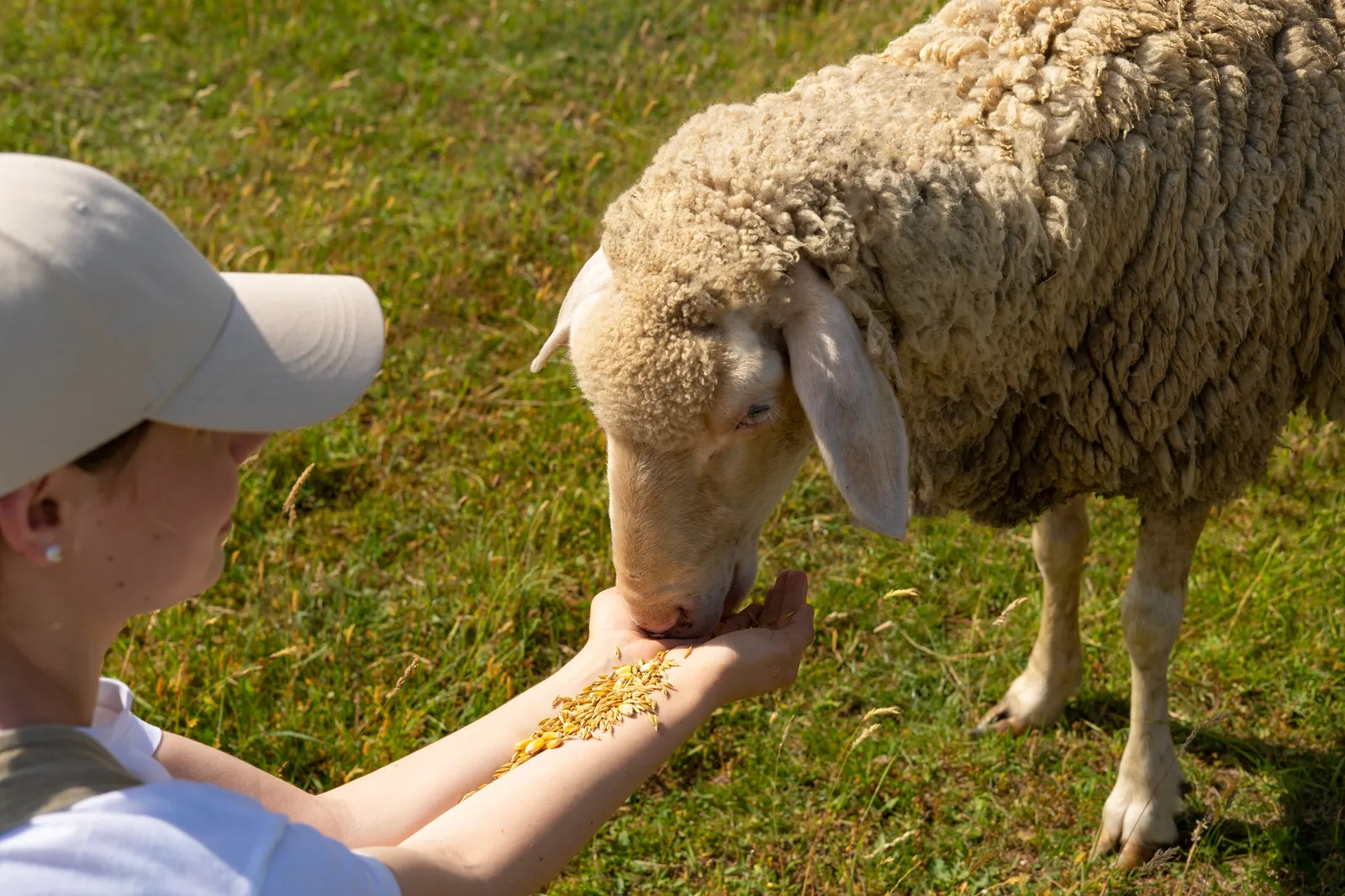
What Do Sheep Eat for Best Growth?
Wondering what sheep eat for healthy growth? This guide covers the best feed, forage, minerals, and feeding tips to raise thriving, fast-growing sheep.
Frequently Asked Questions
⚕️ Medical Disclaimer
This article is for informational and educational purposes only and is not a substitute for professional medical advice, diagnosis, or treatment. Always consult a qualified healthcare provider with any questions about a medical condition. Read full disclaimer.
Editorial note: This article was researched and written with the assistance of AI tools and reviewed by the Nutrikoo editorial team for accuracy and clarity. It is for general information only and is not medical advice. See our editorial policy.
Get healthy tips in your inbox
Join the Nutrikoo newsletter for science-backed nutrition, recipes and wellness — no spam, unsubscribe anytime.