
Goat Milk for Lactose Intolerance: Does It Help?

By Nadeem Akhtar, Fitness & Lifestyle Writer
15 June 2026 · 7 min read · 2 views

Think goat milk is lactose-free? It's not — but it may still be easier to digest. Here's what the science actually says about goat milk and lactose intolerance.
The Myth: "Goat Milk Is Lactose-Free, So It's Safe for Everyone"
You've probably heard someone say it confidently at a health store or family gathering — "Just switch to goat milk. It's lactose-free!" It sounds reassuring, especially if you're one of the many people who gets bloated, gassy, or downright miserable after a glass of regular cow's milk.
Here's the truth: goat milk (Capra aegagrus hircus) is not lactose-free. It contains lactose — roughly 4.2% per 100 ml, compared to around 4.7% in cow's milk. That difference is real, but it's not dramatic enough to call goat milk a "safe" choice for everyone with lactose intolerance.
So why do so many people swear they digest goat milk just fine when cow's milk wrecks them? That's actually the more interesting question — and the answer has nothing to do with lactose disappearing.
What Actually Causes Lactose Intolerance
Lactose intolerance happens when your body doesn't produce enough lactase, the enzyme needed to break down lactose (the sugar naturally found in all mammal milk). Undigested lactose reaches the large intestine, where gut bacteria ferment it — and that fermentation is what causes the familiar symptoms: bloating, gas, cramping, and loose stools.
The severity varies a lot from person to person. Some people can handle a small splash of milk in tea without a problem. Others react to even tiny amounts. Knowing your own threshold matters more than any blanket rule about which milk is "safe."
Why Goat Milk May Still Be Easier to Digest
Even though goat milk contains lactose, there are a few structural reasons it tends to sit better in sensitive stomachs.
Smaller Fat Globules
Goat milk has naturally smaller fat globules than cow's milk. This means the fat disperses more evenly and is exposed to digestive enzymes more readily. Think of it like the difference between chopping vegetables into small pieces versus large chunks — the smaller pieces cook (digest) faster and more evenly.
A Different Protein Structure
Cow's milk contains both A1 and A2 beta-casein proteins. Most regular supermarket cow's milk is predominantly A1. Goat milk, on the other hand, is almost entirely A2 beta-casein — similar to human breast milk. Some research suggests that A1 beta-casein may trigger digestive discomfort independent of lactose, which means people blaming lactose might actually be reacting to A1 protein. Switching to goat milk removes that variable entirely.
If you're curious about the broader comparison between these two milks, our detailed piece on Goat Milk vs Cow Milk: Which Is Better for You? covers this in depth.
Prebiotics That Support Gut Health
Goat milk contains naturally occurring oligosaccharides — a type of prebiotic fiber — at higher levels than cow's milk. These compounds help feed beneficial gut bacteria, which can improve the overall gut environment and potentially support better lactose digestion over time.
Faster Gastric Emptying
Studies suggest goat milk forms a softer, looser curd in the stomach compared to the tighter curd from cow's milk. This means the stomach processes it faster. Less time sitting in the stomach can mean less fermentation and fewer symptoms for people who are borderline intolerant.



So Who Can Actually Benefit?
Goat milk is most likely to help people who are mildly lactose intolerant — those who struggle with regular cow's milk but don't have a complete lactase deficiency. If you're severely intolerant, the lactose in goat milk may still trigger symptoms, just perhaps at a slightly higher threshold.
People who react to A1 casein rather than (or in addition to) lactose may see the biggest improvement from switching. This group is larger than commonly assumed.
It is not a solution for people with a true dairy allergy (an immune response to milk proteins), since goat milk proteins can cross-react with cow's milk proteins in many people with allergies.
Practical Tips for Trying Goat Milk
If you want to test whether goat milk works for you, start gradually:
- Begin with small amounts — half a cup with food rather than a full glass on an empty stomach.
- Try goat milk yogurt or cheese first. Fermented goat dairy products have significantly lower lactose because bacterial cultures break much of it down during fermentation. They're often better tolerated than fresh goat milk.
- Keep a simple food diary for a week or two. Symptoms from lactose can be delayed by a few hours, making it easy to misattribute them to something else.
- Don't switch cold turkey if you've been avoiding dairy for months — reintroduce slowly to give your gut time to adjust.
Goat milk is available in India in fresh, pasteurized, and powdered forms. The powdered version is increasingly popular in urban areas and can be a convenient way to try it without committing to a full fresh supply.
Comparing Goat Milk to Other Low-Lactose Options
| Option | Lactose Content | Notes |
|---|---|---|
| Regular cow's milk | ~4.7% | Higher A1 casein |
| Goat milk | ~4.2% | A2 casein, smaller fat globules |
| Sheep milk | ~4.8% | Very rich, A2-type casein |
| Lactose-free cow's milk | Near 0% | Lactase enzyme added |
| Almond / oat milk | 0% | Not dairy; different nutrition profile |
Goat milk isn't the lowest-lactose dairy option, but it brings a nutritional package — calcium, B12, healthy fats, and protein — that plant-based milks often need to be fortified to match.
For those exploring the nutritional side of goat-based foods more broadly, you might find it interesting that goat meat also has some compelling health properties.
A Word on Gut Health and Dairy Tolerance
There's growing evidence that the health of your gut microbiome influences how well you digest lactose. People with a diverse, balanced gut flora tend to tolerate more lactose than those with disrupted microbiomes. If you're working on your digestive health from multiple angles — diet, fibre, fermented foods — your tolerance for goat milk (and dairy generally) may improve over time.
Supporting your gut through diet is also something we explore in articles like Ridge Gourd Curry: The Best Sabzi for Digestion, which looks at plant-based foods that support digestive function.
Latest Articles
How to Eat Soaked Almonds Daily for Best Results
Soaked almonds pack more nutrition than raw ones. Here's exactly how to eat them daily — the right time, quantity, and simple habits that actually work.

How to Feed Goats During Monsoon Season
Monsoon changes everything for goat farmers. Learn exactly what to feed your goats during the rainy season to keep them healthy, productive, and disease-free.

Best Feed for Goats in Summer Heat
Struggling to keep your goats healthy in hot weather? Discover the best summer feed for goats to maintain weight, milk, and energy when temperatures soar.
Is Goat Meat Good for Weight Loss?
Wondering if goat meat fits into a weight loss diet? Here's what its nutrition profile really means for your goals — no fluff, just facts.
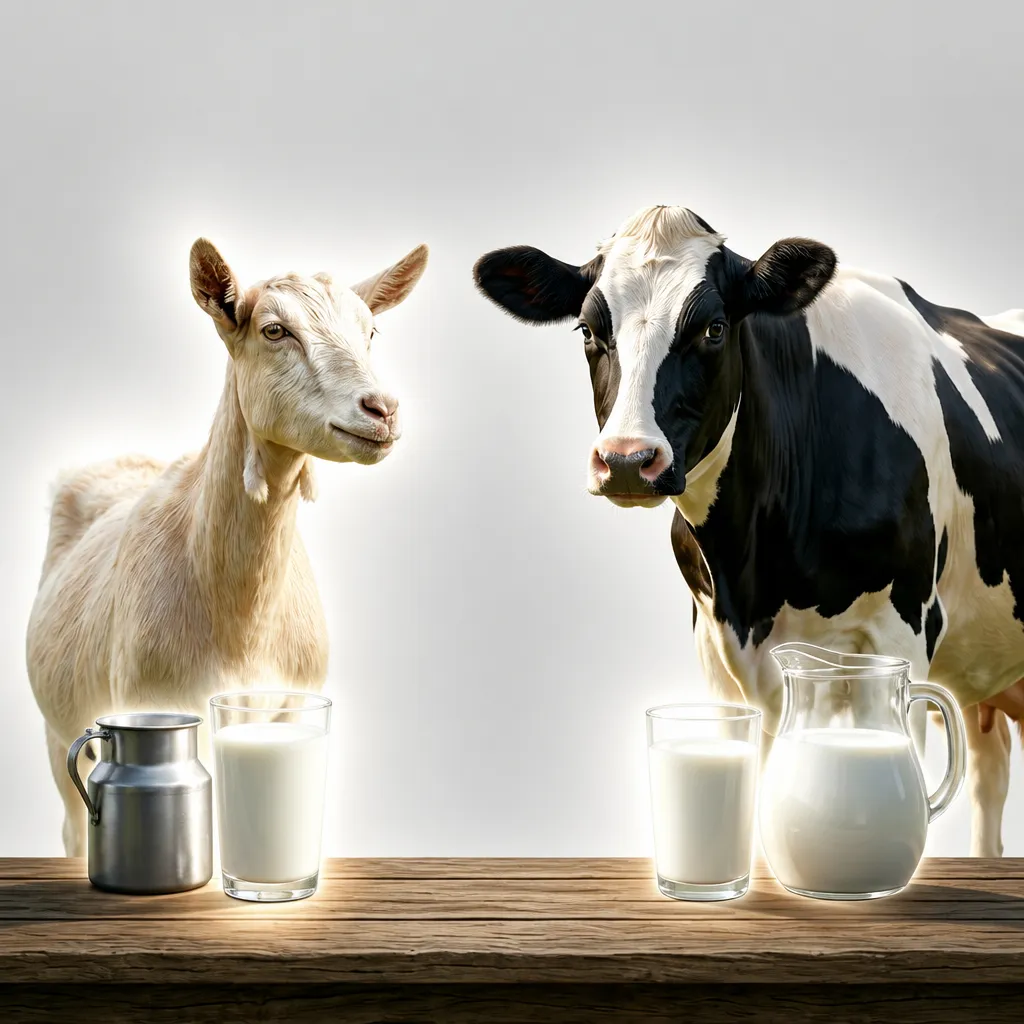
Goat Milk vs Cow Milk: Which Is Better for You?
Goat milk vs cow milk — which should you choose? Compare nutrition, digestion, taste, and health benefits to find the best fit for your diet.

What Do Sheep Eat for Best Growth?
Wondering what sheep eat for healthy growth? This guide covers the best feed, forage, minerals, and feeding tips to raise thriving, fast-growing sheep.
Frequently Asked Questions
⚕️ Medical Disclaimer
This article is for informational and educational purposes only and is not a substitute for professional medical advice, diagnosis, or treatment. Always consult a qualified healthcare provider with any questions about a medical condition. Read full disclaimer.
Get healthy tips in your inbox
Join the Nutrikoo newsletter for science-backed nutrition, recipes and wellness — no spam, unsubscribe anytime.