

Senior Dog Joint Pain: Signs and Solutions

By Nadeem Akhtar, Fitness & Lifestyle Writer
15 June 2026 · 7 min read · 1 views
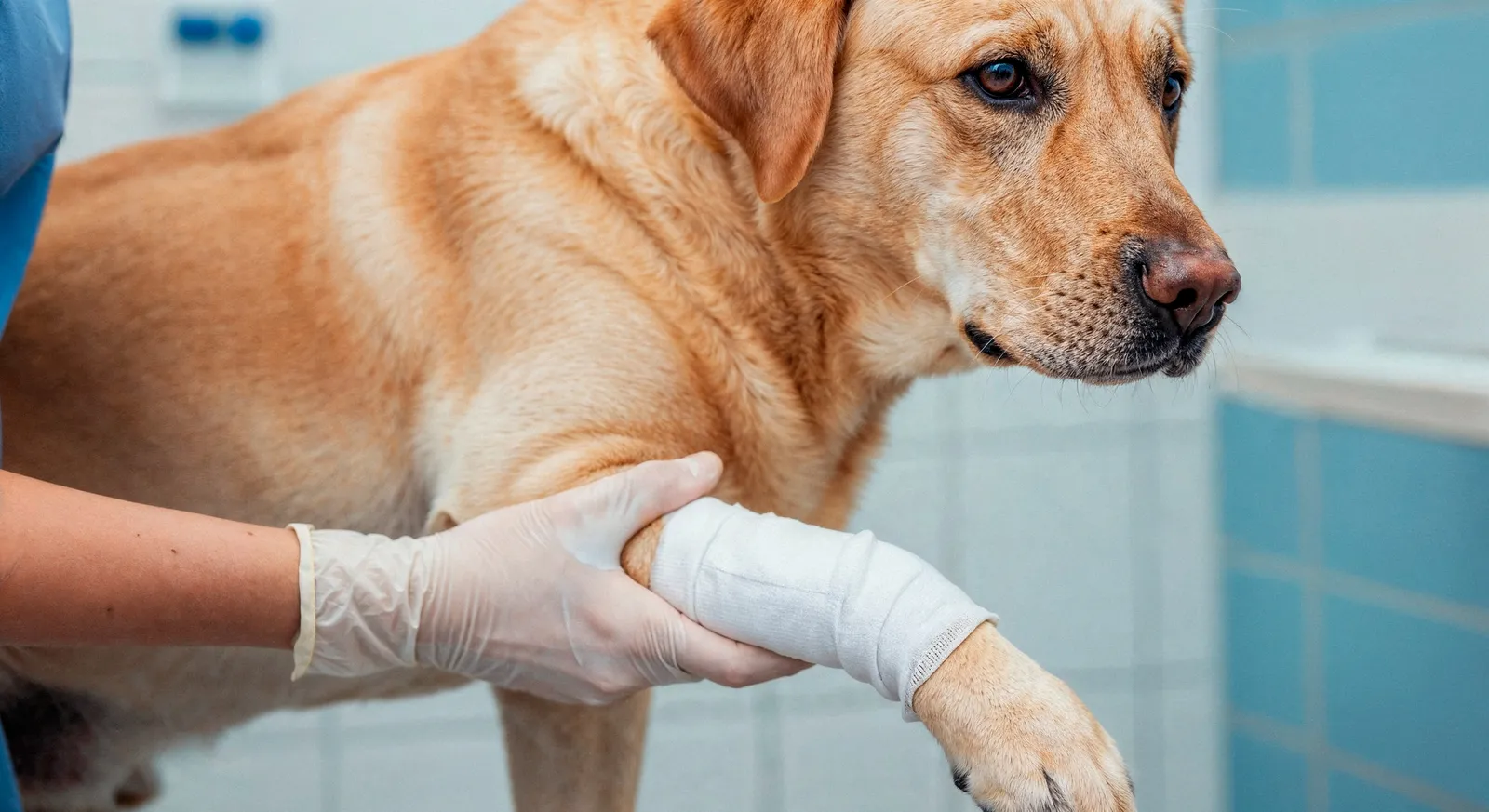
Is your older dog slowing down or stiff after rest? Learn to spot the signs of senior dog joint pain and discover practical, vet-backed solutions that help.
Senior Dog Joint Pain: Signs and Solutions
Your dog used to bound up the stairs to greet you. Now they take it one careful step at a time. That shift — gradual, almost easy to dismiss as "just getting older" — is often the first clue that joint pain has quietly moved in.
Joint pain is one of the most common health challenges senior dogs face, yet it frequently goes undetected for months, sometimes years. Dogs are stoic. They rarely cry out. And that means we have to be the ones paying close attention.
This article walks you through exactly what to watch for, and what you can actually do about it.
What Happens to Dog Joints as They Age?
Think of your dog's joints like the hinges on a well-used door. Young, well-lubricated hinges swing effortlessly. With time and wear, the cartilage that cushions those joints thins out, the synovial fluid that keeps everything moving smoothly decreases, and bone can start rubbing against bone.
The result is canine osteoarthritis — the most common form of joint disease in older dogs. Large breeds often show signs earlier, sometimes as young as five or six years old. Smaller breeds tend to hold up longer, but aren't immune.
Hip dysplasia, elbow dysplasia, and degenerative joint disease are all part of the same uncomfortable family. They're different in their location and origin, but similar in how they show up in your dog's daily life.
Spotting the Signs: What Joint Pain Actually Looks Like
Here's where comparison helps. Picture a healthy, younger version of your dog alongside who they are today. The differences, when laid out side by side, are often striking.
Movement Changes
Then: Jumps into the car enthusiastically, runs for the ball, trots easily on walks.
Now: Hesitates before jumping, walks shorter distances before tiring, may refuse to use stairs.
Stiffness after rest is one of the most telling signs. If your dog gets up slowly after sleeping, takes a few awkward steps to "warm up," and then moves more freely, that warming-up pattern is a classic hallmark of arthritis.
Behavioral Shifts
Then: Cheerful, social, willing to be touched everywhere.
Now: Grumpy when handled, flinches or snaps when you touch certain areas, less interested in play.
Mood changes in senior dogs often get misread as "just being old and grumpy." But pain is frequently behind that shift. A dog who used to love belly rubs but now slinks away when you reach for them is telling you something important.
Physical Clues
Look for:
- Muscle wasting — one leg noticeably thinner than the other, especially the hindquarters
- Licking or chewing a specific joint — the dog's way of trying to soothe discomfort
- Visible swelling around a knee, elbow, or hip
- An altered gait — subtle favoring of one leg, or a "bunny hopping" movement with the back legs
What's Easy to Miss
Subtle signs get overlooked all the time. A dog who sleeps more isn't necessarily just lazy — they may be avoiding movement because it hurts. A dog who no longer jumps on the sofa for cuddles may not have "outgrown" it; they may simply find it too painful.
Solutions That Actually Help
The good news: there's a meaningful difference between a senior dog whose pain goes unmanaged and one whose owner takes a thoughtful, consistent approach. That gap is real, and it's worth bridging.
Work With Your Vet First
Before trying anything at home, get a proper diagnosis. Your vet can assess which joints are affected, how severely, and what level of intervention is appropriate. X-rays are often part of this process.
Prescription anti-inflammatory medications (NSAIDs designed for dogs — never give human ibuprofen or aspirin to a dog) can make a significant difference in moderate to severe cases. Pain management through medication isn't giving up; it's giving your dog a better quality of life.
Joint Supplements: What the Evidence Shows
Glucosamine and chondroitin are the most widely used joint supplements for dogs. The research on them is mixed — they're not a cure — but many vets and pet owners report real improvements in mobility and comfort with consistent long-term use.
Omega-3 fatty acids (particularly EPA and DHA from fish oil) have stronger evidence behind them for their anti-inflammatory effects. Adding a good-quality fish oil supplement to your dog's diet is one of the more evidence-supported things you can do at home.
Green-lipped mussel (Perna canaliculus) is another supplement with growing support, containing a combination of omega-3s and other compounds that may benefit joint tissue.
Weight Management Is Non-Negotiable
This one deserves direct language: if your senior dog is overweight, losing that weight will likely do more for their joints than any supplement. Every extra kilogram puts additional load on already compromised cartilage. It's not complicated, but it is challenging — and worth the effort.
A senior dog who is lean and mobile at ten is in a fundamentally different position than one carrying extra weight. The contrast couldn't be starker.
Gentle Exercise: Finding the Balance
Harmful: Long, intense runs; rough play; jumping on hard surfaces.
Helpful: Short, regular leashed walks on soft ground; swimming (excellent for arthritic dogs — water buoyancy reduces joint load); gentle playtime at the dog's own pace.
Consistency matters more than intensity. Two or three short walks a day keeps joints moving without overloading them.
Comfort at Home
Small environmental changes can make a real difference day-to-day:
- Orthopedic dog beds — memory foam supports joints better than a thin mat or the bare floor
- Non-slip surfaces — rugs on slippery floors help dogs who struggle to find their footing
- Ramps or steps for the car or sofa, so dogs don't have to jump
- Raised food and water bowls for dogs with neck or shoulder arthritis
- Keeping the sleeping area warm — cold and damp can worsen stiffness
Physiotherapy and Hydrotherapy
Canine physiotherapy has grown significantly as a field, and for good reason. Targeted exercises help maintain muscle mass around affected joints, which in turn provides better support. Hydrotherapy — swimming or walking in a water treadmill — is particularly effective because it allows full movement without weight-bearing stress.
If you have access to a canine rehabilitation specialist, it's worth exploring.
Latest Articles
How to Eat Soaked Almonds Daily for Best Results
Soaked almonds pack more nutrition than raw ones. Here's exactly how to eat them daily — the right time, quantity, and simple habits that actually work.
How to Feed Goats During Monsoon Season
Monsoon changes everything for goat farmers. Learn exactly what to feed your goats during the rainy season to keep them healthy, productive, and disease-free.
Best Feed for Goats in Summer Heat
Struggling to keep your goats healthy in hot weather? Discover the best summer feed for goats to maintain weight, milk, and energy when temperatures soar.
Goat Milk for Lactose Intolerance: Does It Help?
Think goat milk is lactose-free? It's not — but it may still be easier to digest. Here's what the science actually says about goat milk and lactose intolerance.

Is Goat Meat Good for Weight Loss?
Wondering if goat meat fits into a weight loss diet? Here's what its nutrition profile really means for your goals — no fluff, just facts.

Goat Milk vs Cow Milk: Which Is Better for You?
Goat milk vs cow milk — which should you choose? Compare nutrition, digestion, taste, and health benefits to find the best fit for your diet.
Frequently Asked Questions
⚕️ Medical Disclaimer
This article is for informational and educational purposes only and is not a substitute for professional medical advice, diagnosis, or treatment. Always consult a qualified healthcare provider with any questions about a medical condition. Read full disclaimer.
Editorial note: This article was researched and written with the assistance of AI tools and reviewed by the Nutrikoo editorial team for accuracy and clarity. It is for general information only and is not medical advice. See our editorial policy.
Get healthy tips in your inbox
Join the Nutrikoo newsletter for science-backed nutrition, recipes and wellness — no spam, unsubscribe anytime.