
Is Dark Chocolate Good for Stress? What Science Says

By A Reza, Health & Nutrition Writer
8 June 2026 · 6 min read · 294 views
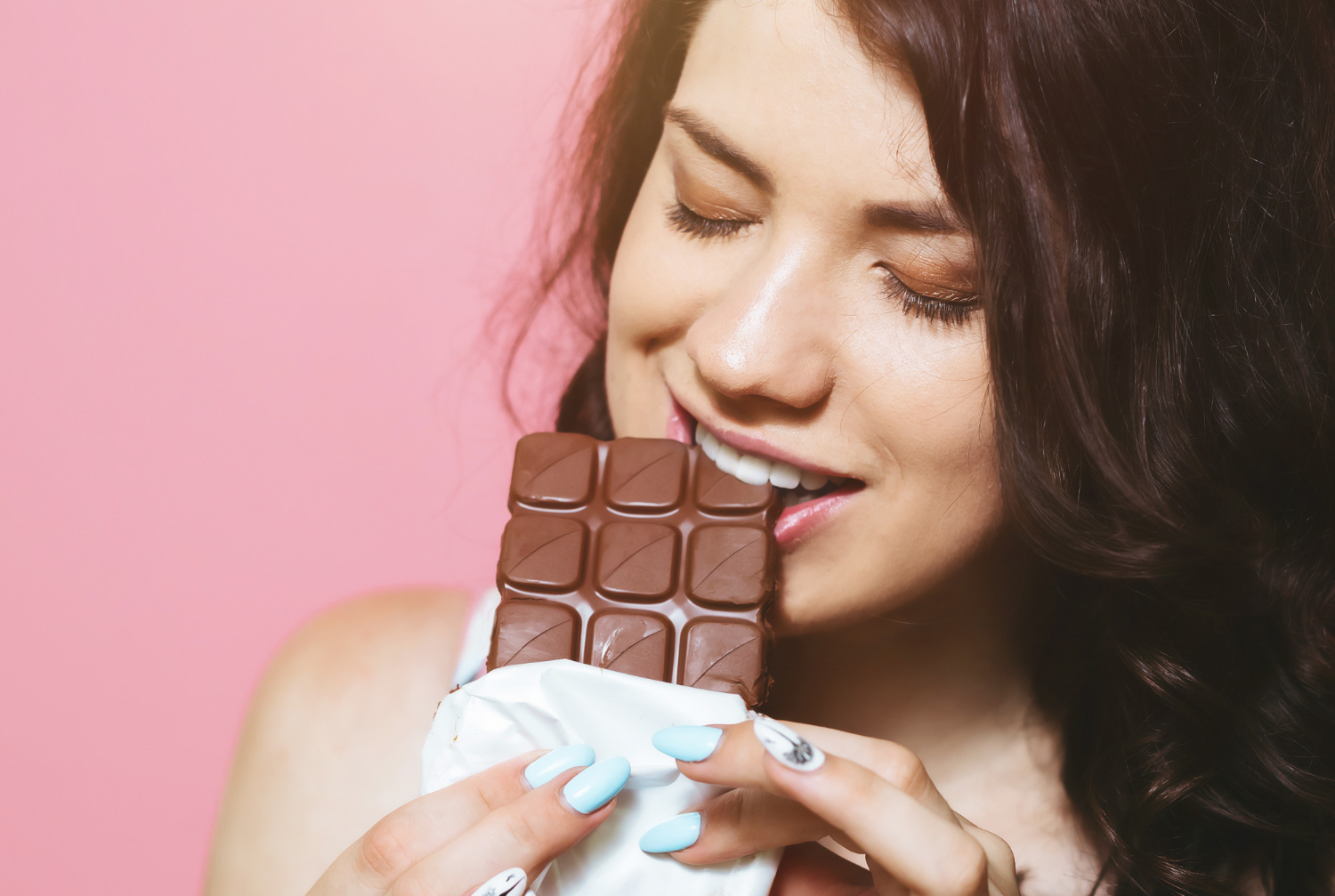
Can dark chocolate actually help with stress? Explore the science behind dark chocolate and stress relief, plus how much to eat and what to look for.
Is Dark Chocolate Good for Stress? What Science Says
There's a reason you reach for chocolate after a rough day. It's not just habit or comfort — something real is happening in your body when you eat it. But does dark chocolate actually help with stress, or is that just a convenient excuse to raid the pantry?
The honest answer: there's genuine science here, and it's more interesting than the headlines usually let on.
Why Dark Chocolate and Stress Are Linked
Dark chocolate contains several compounds that interact directly with your brain and stress-response systems.
The most significant of these is theobromine, a mild stimulant that improves mood without the jittery spike of caffeine. Dark chocolate also contains small amounts of phenylethylamine (PEA), which nudges your brain to release endorphins. And then there's magnesium — a mineral that plays a real role in regulating the nervous system. Many people are quietly low in magnesium, and that deficiency is associated with higher anxiety and irritability.
On top of that, dark chocolate is rich in flavonoids, particularly a type called flavanols. These are plant-based compounds that have been studied for their potential to reduce inflammation and support brain function.
What Research Actually Shows
A handful of well-designed studies have found that eating a moderate amount of dark chocolate is linked to lower levels of cortisol — the primary stress hormone — in participants who reported high levels of stress. Cortisol is what your body pumps out when it perceives a threat, and chronically elevated cortisol is tied to everything from poor sleep to weight gain.
One area researchers have focused on is the gut-brain connection. Dark chocolate acts as a prebiotic of sorts, feeding beneficial bacteria in the gut. Since the gut produces a significant portion of your body's serotonin, supporting gut health may have a downstream effect on mood and stress response. This is still an emerging area of research, but the direction is promising.
It's worth being clear, though: dark chocolate is not a treatment for anxiety disorders or clinical depression. What the research suggests is more modest — regular, moderate consumption may take the edge off everyday stress and support overall mood.
The Cocoa Percentage Matters More Than You Think
Not all dark chocolate is the same. The stress-related benefits come primarily from cocoa solids, and most of the flavanols are in the cocoa. A bar labeled "dark chocolate" could be anywhere from 50% to 99% cocoa — and that range makes a big difference.
Look for chocolate that is at least 70% cocoa. Anything below that tends to be higher in sugar and milk solids, which dilutes the good stuff. Bars that are 85% or higher give you a stronger dose of flavanols and magnesium, though the taste becomes more bitter, which takes some getting used to.
Also check the ingredient list. Good dark chocolate should have cocoa mass (or cacao), cocoa butter, and minimal sugar. Watch out for bars loaded with artificial flavors, hydrogenated oils, or "cocoa-flavored compound."
How Much Should You Actually Eat?
This is where most articles wave their hands vaguely and say "in moderation." Let's be more specific.
Most studies that showed stress-related benefits used around 20–40 grams per day — roughly two to four squares of a standard bar. That's enough to get a meaningful dose of flavanols and magnesium without tipping into excess calories or sugar.
Eating an entire bar in one go isn't going to amplify the benefits. Dark chocolate is still calorie-dense, and the stress-relief effects aren't dose-dependent in a straight line. A little, consistently, works better than a lot occasionally.
Practical Ways to Include Dark Chocolate in Your Diet
You don't need to sit down with a bar every evening (though that's not a bad ritual, honestly). Here are a few easy ways to work it in:
- Add cacao nibs to your morning oats or yogurt — they're less sweet than chocolate but packed with flavanols.
- Stir cacao powder into warm milk or a smoothie for a low-sugar option.
- Keep a 70%+ bar at your desk and have one or two squares after lunch.
- Pair it with fruit — a square of dark chocolate with a banana or a few strawberries makes for a genuinely satisfying stress-easing snack.
- Try dark chocolate with nuts (almonds, walnuts) for added magnesium and healthy fats, which also support mood.
Other Things Worth Knowing
Dark chocolate does contain caffeine — not a lot, but enough to matter if you're sensitive or eating it late in the evening. A 40g serving of 85% dark chocolate has roughly 20–25mg of caffeine, about a quarter of what's in a shot of espresso.
If you have migraine triggers, chocolate can sometimes be a factor for some people, though the evidence on this is mixed.
And for anyone managing blood sugar, the lower sugar content in high-cocoa dark chocolate makes it a better choice than milk chocolate, but it's still worth keeping portions in check.
The Bigger Picture: Food and Stress Management
Dark chocolate works best as one piece of a larger approach to stress. It's not going to undo a chaotic lifestyle, poor sleep, or unmanaged anxiety on its own. But combined with regular movement, adequate sleep, and a diet that includes plenty of vegetables, whole grains, and protein, it can genuinely contribute to a more resilient stress response.
Think of it less as a remedy and more as a small, pleasurable habit that also happens to have real nutritional value. That framing makes it easier to enjoy without guilt — and enjoyment itself is part of the stress relief.
Latest Articles
How to Eat Soaked Almonds Daily for Best Results
Soaked almonds pack more nutrition than raw ones. Here's exactly how to eat them daily — the right time, quantity, and simple habits that actually work.

How to Feed Goats During Monsoon Season
Monsoon changes everything for goat farmers. Learn exactly what to feed your goats during the rainy season to keep them healthy, productive, and disease-free.

Best Feed for Goats in Summer Heat
Struggling to keep your goats healthy in hot weather? Discover the best summer feed for goats to maintain weight, milk, and energy when temperatures soar.

Goat Milk for Lactose Intolerance: Does It Help?
Think goat milk is lactose-free? It's not — but it may still be easier to digest. Here's what the science actually says about goat milk and lactose intolerance.

Is Goat Meat Good for Weight Loss?
Wondering if goat meat fits into a weight loss diet? Here's what its nutrition profile really means for your goals — no fluff, just facts.
Goat Milk vs Cow Milk: Which Is Better for You?
Goat milk vs cow milk — which should you choose? Compare nutrition, digestion, taste, and health benefits to find the best fit for your diet.
Frequently Asked Questions
⚕️ Medical Disclaimer
This article is for informational and educational purposes only and is not a substitute for professional medical advice, diagnosis, or treatment. Always consult a qualified healthcare provider with any questions about a medical condition. Read full disclaimer.
Get healthy tips in your inbox
Join the Nutrikoo newsletter for science-backed nutrition, recipes and wellness — no spam, unsubscribe anytime.