
Karela Sabzi Benefits for Blood Sugar Control

By A Reza, Health & Nutrition Writer
12 June 2026 · 7 min read · 2 views
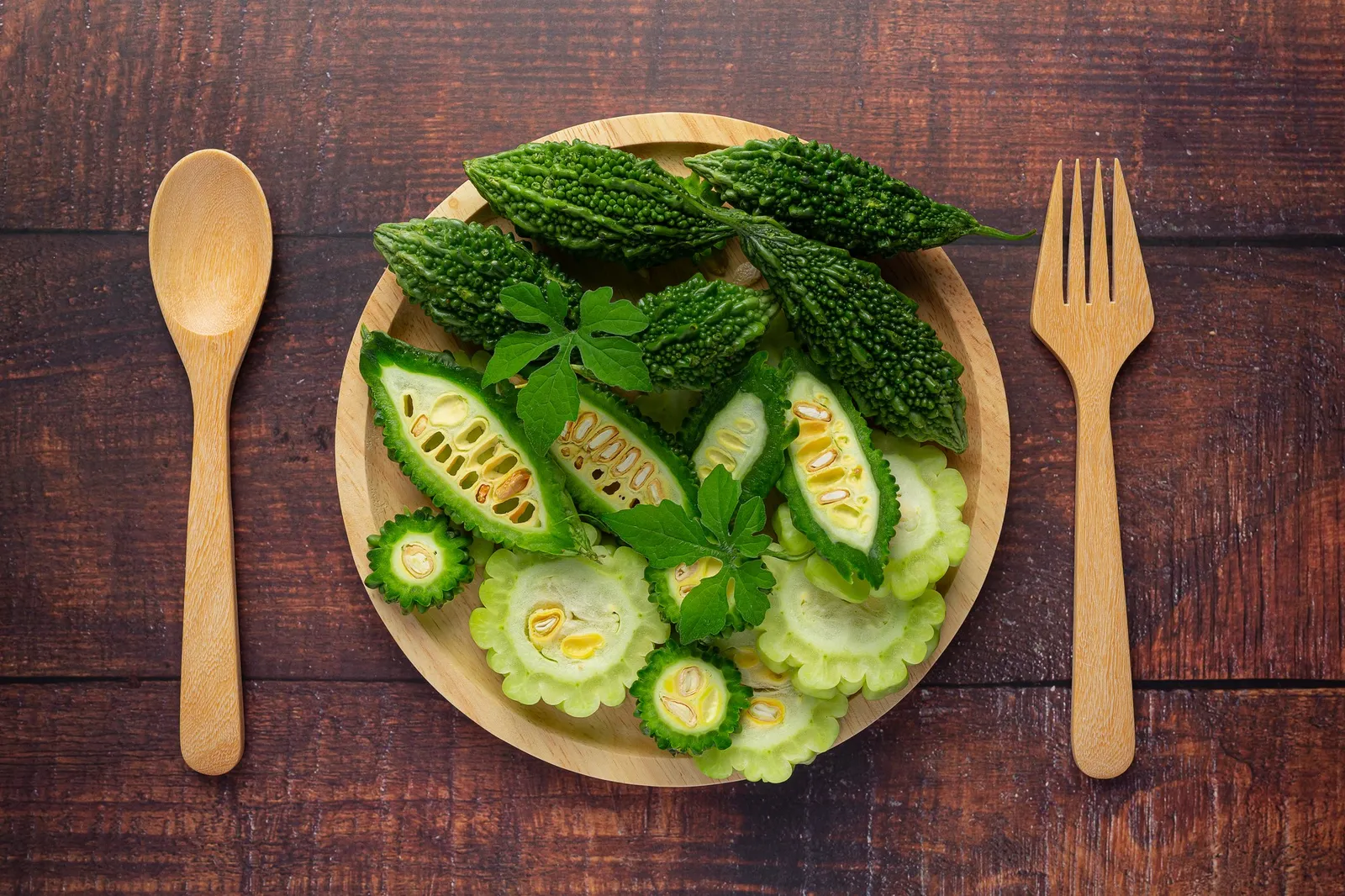
Karela sabzi tastes bitter, but its blood sugar benefits are surprisingly real. Here's what the science says and how to cook it right.
Karela Sabzi Benefits for Blood Sugar Control
Most people assume that if something tastes bad, it must be good for you — and that karela (Momordica charantia) only earns its health reputation because it's so unpleasant to eat. As if suffering through dinner is somehow medicinal on its own.
That's actually a myth worth addressing upfront. Karela's ability to help manage blood sugar is not folk wisdom dressed up in a vegetable. There are real compounds in bitter gourd that have been studied for their effect on glucose metabolism. The bitterness is just a bonus — or a punishment, depending on your relationship with this vegetable.
Let's get into what the science actually says, and why your grandmother's insistence on karela sabzi wasn't entirely without reason.
What Makes Karela So Different From Other Vegetables?
Most vegetables help blood sugar indirectly — through fiber, low glycemic load, or simply replacing worse choices on your plate. Karela does some of that too, but it also contains a few compounds that seem to act more directly on glucose control.
Three in particular get the most attention in research:
- Charantin — a mixture of plant steroids that may help lower blood glucose levels
- Polypeptide-p — a plant-based insulin-like protein, sometimes called "plant insulin"
- Vicine — a bioactive that has shown hypoglycemic effects in some animal studies
Together, these compounds are thought to work by improving how your cells take up glucose, reducing how much sugar your liver releases, and possibly supporting insulin sensitivity. No single compound is a magic fix, but the combination is genuinely interesting.
It's worth being honest here: most of the strong mechanistic evidence comes from animal studies and small human trials. Karela is not a replacement for diabetes medication. What it can be is a useful, nutritious addition to a blood-sugar-conscious diet — especially when eaten regularly as a sabzi.
Karela Sabzi vs Karela Juice: Which Works Better?
You've probably seen both options recommended. The juice is more concentrated, but it's also much harsher on your stomach and harder to stick to. The sabzi, on the other hand, gives you fiber along with the active compounds — and fiber itself slows glucose absorption after a meal.
When karela is cooked as a sabzi with minimal oil and paired with roti or dal, the whole meal has a naturally low glycemic impact. You're getting the benefits of the vegetable without the digestive stress that often comes with drinking a glass of raw karela juice on an empty stomach.
For most people eating regular home meals, a well-made karela sabzi a few times a week is a more sustainable and gentler approach than juice every morning.
The Nutritional Profile Is Actually Solid
Beyond the blood sugar angle, karela is a legitimately nutritious vegetable. Per 100g of raw bitter gourd, you're looking at roughly:
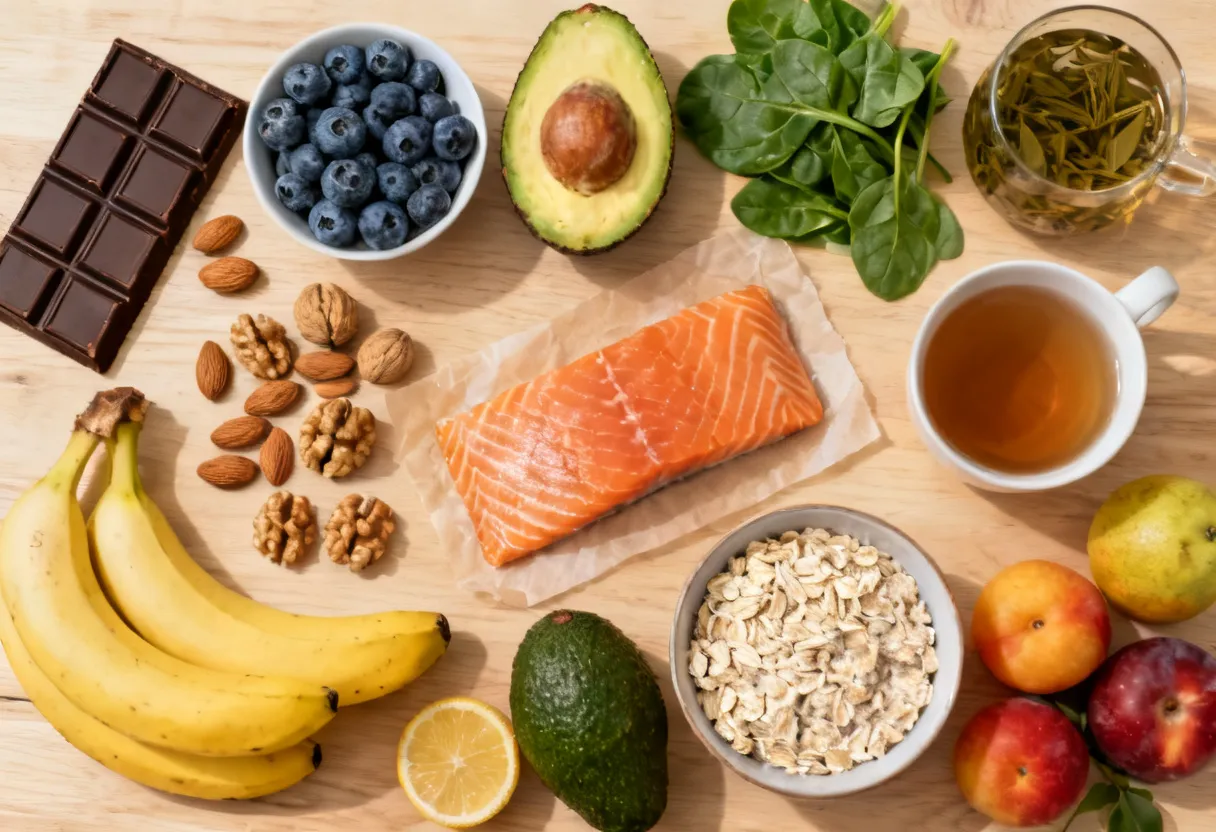

- Very few calories (around 17 kcal)
- Good amounts of Vitamin C — important for immune function and skin health
- Folate, which matters especially for women of reproductive age
- Potassium, useful for blood pressure
- Decent dietary fiber, which supports gut health and slows sugar spikes
Compare that profile to many other sabzis and karela holds up well. If you're also watching your weight alongside blood sugar — which many people with type 2 diabetes are — the low calorie count and high fiber make it a practical choice. You might find the same logic useful when you look at how lauki sabzi supports weight management, another understated Indian vegetable with a surprisingly strong nutritional case.
How to Make Karela Sabzi That You'll Actually Want to Eat
The number one reason people avoid karela is the bitterness. But there are a few practical tricks that tone it down significantly without destroying the beneficial compounds.
Reduce bitterness before cooking:
- Slice the karela, rub generously with salt, and let it sit for 20-30 minutes. Then squeeze out the water. This draws out some of the bitter compounds.
- Some people soak the slices in diluted tamarind water or yogurt for similar effect.
Cooking approach that works:
- Heat a small amount of mustard oil or any cooking oil in a pan
- Add cumin seeds, then sliced onions — cook until golden
- Add the prepped karela slices, turmeric, coriander powder, and a pinch of amchur (dry mango powder)
- Cook on low-medium heat until the karela is tender and slightly caramelized
- Finish with a squeeze of lemon
The amchur and lemon add a sourness that genuinely balances the bitter notes. Done right, this sabzi has a complex, almost tangy-savory flavor that grows on you quickly. Many people who swear they hate karela are surprised by this version.
How Often Should You Eat It?
There's no universally agreed-upon daily dose, but including karela sabzi 3-4 times a week is a reasonable starting point for someone managing blood sugar through diet. If you're on diabetes medication, it's worth mentioning to your doctor — karela can have an additive blood-glucose-lowering effect, and you don't want your levels dipping too low.
People with G6PD deficiency (a genetic enzyme condition more common in certain Indian communities) should be cautious with karela, particularly in large amounts, as vicine can trigger complications in that group.
For healthy individuals without blood sugar issues, occasional karela sabzi is perfectly safe and nutritionally worthwhile.
A Note on the Broader Diet Picture
Karela alone won't stabilize blood sugar if the rest of your meals are high in refined carbs and sugar. Think of it as one piece of a genuinely balanced Indian diet — alongside whole grains, legumes, and plenty of other vegetables. Nuts and seeds also play a useful supporting role; if you're curious about that side of things, the comparison of chia seeds vs flax seeds and the best seeds for gut health are worth a read.
And while we're on the topic of managing blood sugar through food choices, seasonal fruits deserve a mention too. Even something like mango — its nutrition and how to eat it right — has nuances worth understanding if you're eating with blood glucose in mind.
Latest Articles
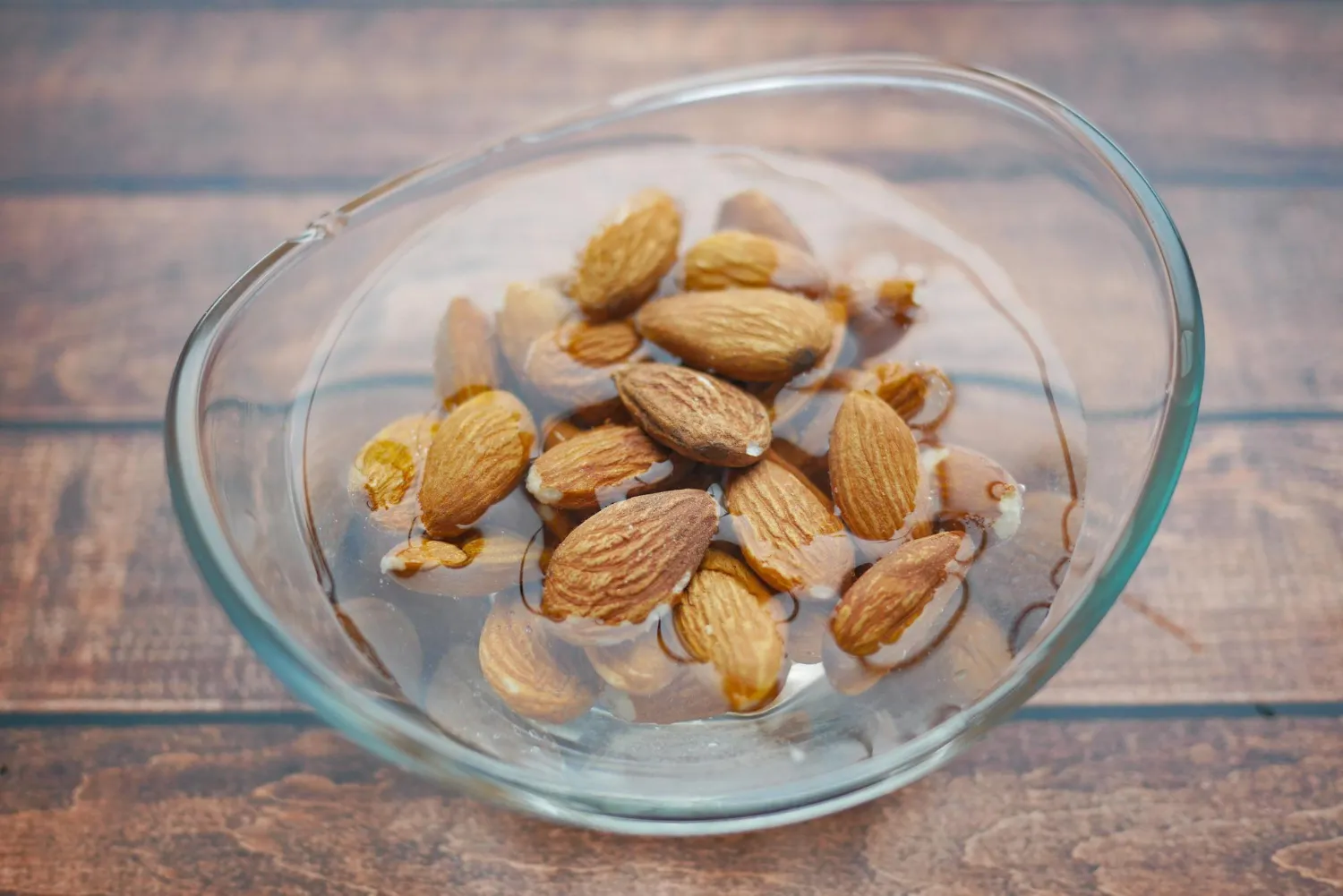
How to Eat Soaked Almonds Daily for Best Results
Soaked almonds pack more nutrition than raw ones. Here's exactly how to eat them daily — the right time, quantity, and simple habits that actually work.

How to Feed Goats During Monsoon Season
Monsoon changes everything for goat farmers. Learn exactly what to feed your goats during the rainy season to keep them healthy, productive, and disease-free.

Best Feed for Goats in Summer Heat
Struggling to keep your goats healthy in hot weather? Discover the best summer feed for goats to maintain weight, milk, and energy when temperatures soar.

Goat Milk for Lactose Intolerance: Does It Help?
Think goat milk is lactose-free? It's not — but it may still be easier to digest. Here's what the science actually says about goat milk and lactose intolerance.

Is Goat Meat Good for Weight Loss?
Wondering if goat meat fits into a weight loss diet? Here's what its nutrition profile really means for your goals — no fluff, just facts.

Goat Milk vs Cow Milk: Which Is Better for You?
Goat milk vs cow milk — which should you choose? Compare nutrition, digestion, taste, and health benefits to find the best fit for your diet.
Frequently Asked Questions
⚕️ Medical Disclaimer
This article is for informational and educational purposes only and is not a substitute for professional medical advice, diagnosis, or treatment. Always consult a qualified healthcare provider with any questions about a medical condition. Read full disclaimer.
Editorial note: This article was researched and written with the assistance of AI tools and reviewed by the Nutrikoo editorial team for accuracy and clarity. It is for general information only and is not medical advice. See our editorial policy.
Get healthy tips in your inbox
Join the Nutrikoo newsletter for science-backed nutrition, recipes and wellness — no spam, unsubscribe anytime.