

Hidden Sugar in Indian Packaged Foods You Think Are Healthy

By Ayesha, Content Reviewer
6 June 2026 · 6 min read · 199 views
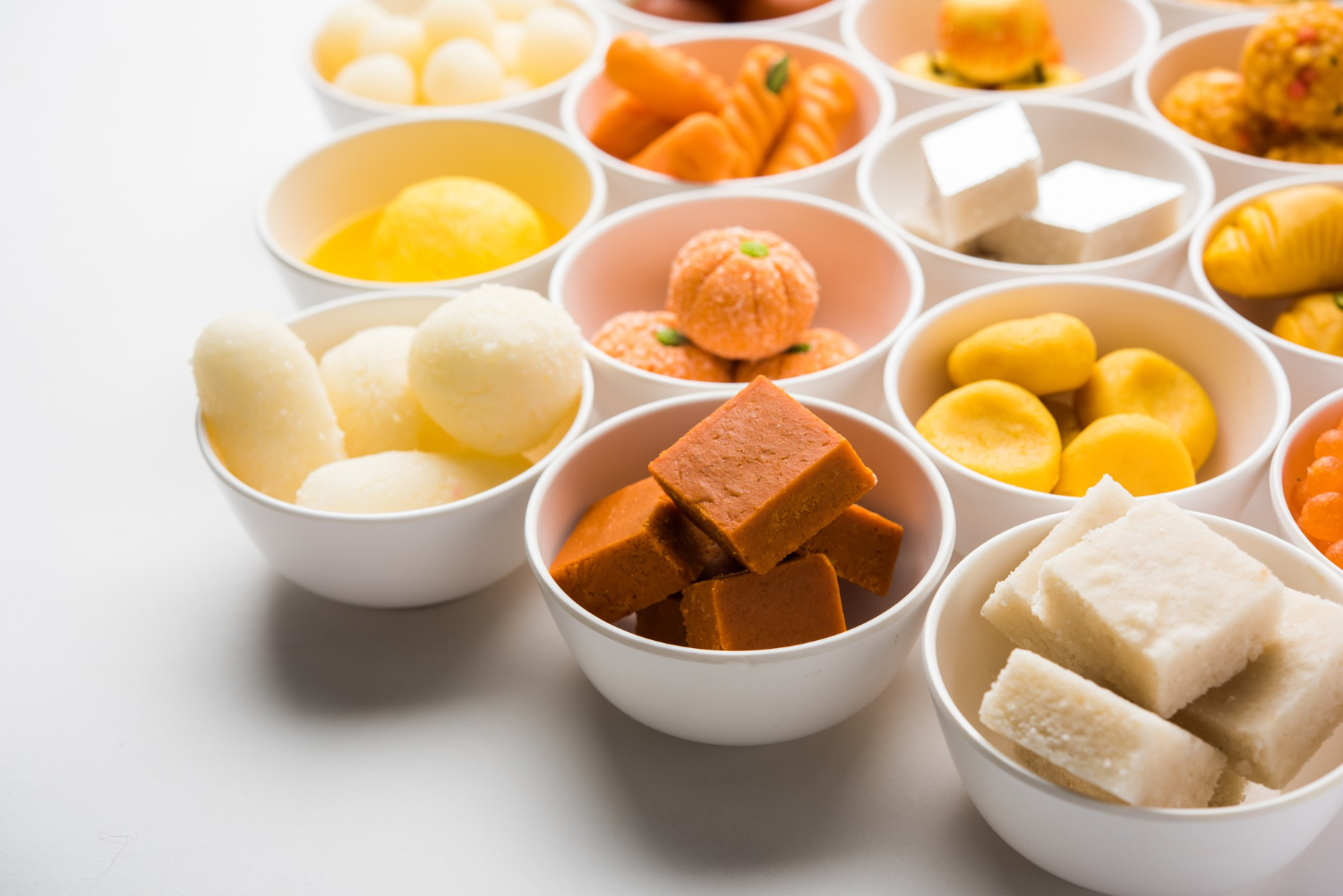
That "healthy" biscuit or fruit juice may be hiding more sugar than you'd expect. Learn which popular Indian packaged foods are sugar traps and how to spot them.
Hidden Sugar in Indian Packaged Foods You Think Are Healthy
You picked up a box of multigrain biscuits at the supermarket. The label said "whole grain," "high fibre," and maybe even "no maida." You felt good about it. But flip the box over and look at the nutrition table — the sugar content might genuinely surprise you.
This is one of the most common traps in modern Indian grocery shopping. Foods that carry a health halo — the kind with earthy packaging, words like "natural" or "fortified" — often contain more added sugar than a small piece of mithai. The difference is, with mithai, you know you're having something sweet.
Why Hidden Sugar Is a Real Problem
Eating more sugar than you realize doesn't just affect your weight. Over time, excess sugar contributes to blood sugar spikes, increased triglycerides, fatty liver risk, and energy crashes that leave you reaching for another snack two hours later.
The tricky part is that food manufacturers are skilled at making sugar invisible — both on the packaging and in the ingredient list. Sugar has over 60 different names on labels, including dextrose, maltose, corn syrup, evaporated cane juice, and fruit concentrate. If you don't know what to look for, it reads like chemistry, not food.
The Usual Suspects: Packaged Foods That Fool Most Indians
"Healthy" Biscuits and Digestives
Digestive biscuits have a long-standing reputation in Indian homes as the sensible biscuit. But a single serving (usually 2-3 biscuits) from many popular brands contains 8–12 grams of sugar. The multigrain or oat variants aren't much better — the addition of whole grains doesn't cancel out the sugar used to make them palatable.
Ragi biscuits, oat cookies, and "seed crackers" from premium brands fall into the same category. The grain might be nutritious, but the sugar added for taste quietly adds up.
Flavoured Yogurt and "Fruit" Dairy Drinks
Plain dahi is genuinely healthy. The flavoured yogurt cups sold in convenience stores? Not quite the same thing. Many flavoured yogurt products targeted at Indian consumers — especially the mango, strawberry, or "mixed fruit" varieties — contain 15–20 grams of sugar per small cup.
Similarly, packaged dairy drinks that aren't quite milk and aren't quite lassi often have sugar listed as the second or third ingredient. That's a meaningful amount when you're drinking it as a "healthy" breakfast option.
Packaged Fruit Juices and "Real Fruit" Drinks
The word "real" on a juice label is doing a lot of heavy lifting. Many juices labelled as "no added sugar" are still concentrated fruit juice — which strips out fibre and leaves behind a concentrated sugar load. A 200ml box of packaged mango juice can contain 20–25 grams of sugar.
Whole fruit has fibre, which slows down how quickly sugar hits your bloodstream. Juice doesn't. Drinking a glass of packaged juice is metabolically quite different from eating the fruit itself, even if the sugar technically came from fruit.
Breakfast Cereals and "Muesli"

This one catches health-conscious eaters off guard. Several popular muesli and granola brands sold in India — especially the ones with dried fruit, honey, and nuts — contain 12–18 grams of sugar per 100 grams. Some flavoured cornflake varieties are even higher.
The comparison to check: plain oats cooked at home have almost no sugar. The same-sized bowl of a "healthy" packaged cereal can have as much sugar as a small dessert.
Protein Bars and "Energy" Snack Bars
The protein bar market in India has grown quickly, and the products range widely in quality. Many bars that advertise high protein also contain 15–20 grams of sugar — sometimes from dates and honey (which sounds natural) but still behaves like sugar in your body.
Read the total sugar content, not just the protein number. A bar with 10g of protein and 18g of sugar is closer to a candy bar than a meal replacement.
Flavoured Oats and Instant Porridge Pouches
Oats themselves are genuinely good for you. Masala oats and sweet flavoured oat pouches are a different story. The masala variants often contain excess sodium, while the "fruit and cream" or chocolate varieties can have 8–12 grams of sugar per sachet — before you add milk.
Plain rolled oats with your own banana or a small drizzle of honey will always beat the instant flavoured version for nutritional quality.
How to Actually Read an Indian Food Label
The Nutrition Information panel on Indian packaged foods lists sugar under carbohydrates. Here's a simple way to use it:
- Under 5g of sugar per 100g: Generally reasonable
- 5–10g per 100g: Moderate — fine occasionally, worth knowing
- Above 10g per 100g: High sugar content, even if the product sounds healthy
Also check the ingredients list. Ingredients are listed in descending order by weight. If sugar (or any of its aliases) appears in the first three ingredients, there's a lot of it in that product.
Some common sugar aliases to watch on Indian food labels: glucose syrup, invert syrup, jaggery powder, maltodextrin, rice syrup, and "natural flavours" (which can sometimes include sweeteners).
Small Swaps That Actually Help
You don't need to throw out everything in your pantry. A few practical changes make a real difference:
- Replace flavoured yogurt with plain dahi and add your own fresh fruit
- Switch packaged juice for whole fruit or plain nimbu pani
- Choose plain rolled oats and sweeten them yourself — you'll use far less than a manufacturer would
- For biscuits, look for options with under 5g sugar per 100g, or switch to a small handful of unsalted nuts
- When buying protein bars, aim for products with a sugar-to-protein ratio where protein is higher
Latest Articles
How to Eat Soaked Almonds Daily for Best Results
Soaked almonds pack more nutrition than raw ones. Here's exactly how to eat them daily — the right time, quantity, and simple habits that actually work.

How to Feed Goats During Monsoon Season
Monsoon changes everything for goat farmers. Learn exactly what to feed your goats during the rainy season to keep them healthy, productive, and disease-free.

Best Feed for Goats in Summer Heat
Struggling to keep your goats healthy in hot weather? Discover the best summer feed for goats to maintain weight, milk, and energy when temperatures soar.

Goat Milk for Lactose Intolerance: Does It Help?
Think goat milk is lactose-free? It's not — but it may still be easier to digest. Here's what the science actually says about goat milk and lactose intolerance.
Is Goat Meat Good for Weight Loss?
Wondering if goat meat fits into a weight loss diet? Here's what its nutrition profile really means for your goals — no fluff, just facts.

Goat Milk vs Cow Milk: Which Is Better for You?
Goat milk vs cow milk — which should you choose? Compare nutrition, digestion, taste, and health benefits to find the best fit for your diet.
Frequently Asked Questions
⚕️ Medical Disclaimer
This article is for informational and educational purposes only and is not a substitute for professional medical advice, diagnosis, or treatment. Always consult a qualified healthcare provider with any questions about a medical condition. Read full disclaimer.
Get healthy tips in your inbox
Join the Nutrikoo newsletter for science-backed nutrition, recipes and wellness — no spam, unsubscribe anytime.