
Soaked Almonds in the Morning: Are They Worth It?
By Nutrikoo Team
5 June 2026 · 6 min read · 176 views
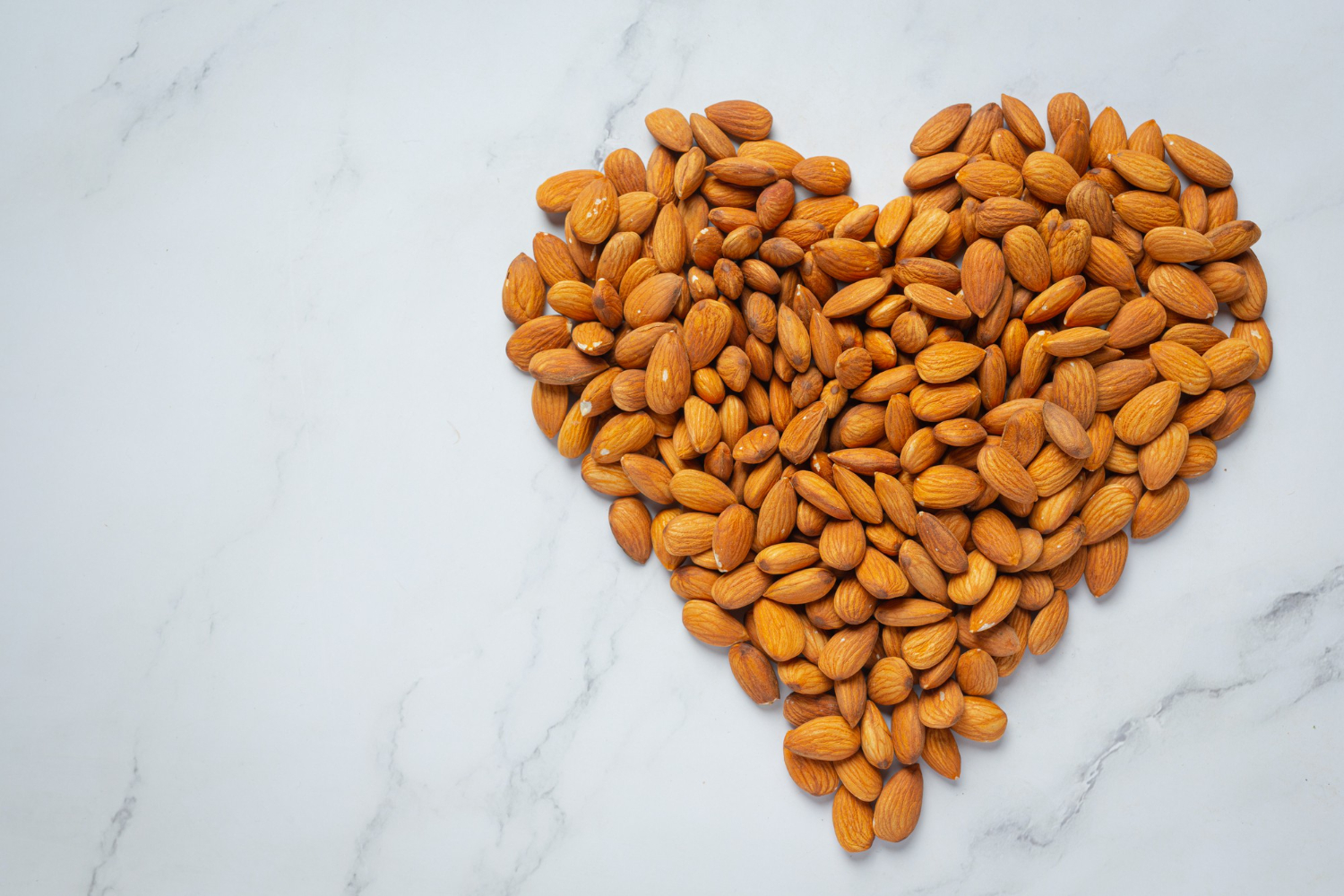
Discover the real benefits of eating soaked almonds in the morning — from better digestion to sharper focus — and how to make the most of this simple habit.
Soaked Almonds in the Morning: Are They Worth It?
Your grandmother probably kept a small bowl of almonds soaking in water every night. Turns out, she was onto something — though maybe not for all the reasons you've heard.
Soaked almonds have been a morning ritual in Indian households for generations, and the habit is gaining attention globally too. But what does the science actually say? Here's an honest look at what soaking does (and doesn't do) to almonds, and why eating them first thing in the morning can genuinely support your health.
What Happens When You Soak Almonds Overnight?
Drop a handful of raw almonds in water before bed and something simple but useful happens. The outer brown skin softens and loosens, making it easy to peel off. But more importantly, soaking begins to break down compounds in the almond that can interfere with nutrient absorption.
Almonds — like most nuts and seeds — contain phytic acid, a natural compound that binds to minerals like iron, zinc, and calcium, limiting how much your body can absorb. Soaking reduces (though doesn't eliminate) phytic acid levels, meaning more of those minerals become available to you.
Soaking also partially activates enzymes in the nut, beginning a process similar to germination. This can make the almonds easier for your digestive system to handle.
Why Eating Them in the Morning Makes Sense
The timing matters here. Your stomach is empty in the morning, which means nutrients from your first meal are absorbed relatively efficiently. Having soaked almonds before or at breakfast — rather than as a late-night snack when digestion slows down — puts that improved nutrient availability to good use.
A small handful (about 6–10 almonds) gives you a useful mix of:
- Healthy fats (mostly monounsaturated, similar to what you find in olive oil)
- Protein to slow the rise in blood sugar after breakfast
- Vitamin E, a fat-soluble antioxidant that supports skin and immune health
- Magnesium, which plays a role in muscle function, sleep, and energy metabolism
- B vitamins, particularly riboflavin, which supports brain function
Brain and Focus Benefits
Almonds have a long association with brain health in Ayurvedic tradition, and there's reasonable science behind the idea. They're a good source of riboflavin (vitamin B2) and L-carnitine, both linked to cognitive function.
Vitamin E, present in decent amounts in almonds, is one of the nutrients most associated with protecting brain cells from oxidative stress. Starting your day with a source of healthy fat also helps because the brain needs fat — it's roughly 60% fat by dry weight — to function and communicate effectively.
This doesn't mean eating almonds will make you sharper in an hour. But as part of a consistently good diet, they contribute to the kind of steady brain health that pays off over years.
Digestion and Gut Health
This is where soaking almonds gives the clearest benefit over eating them raw. The tannins in almond skin can irritate the gut lining for some people, and peeling softened almonds removes that barrier.
If you often feel bloated or heavy after eating nuts, switching to peeled, soaked almonds might help. The reduced phytic acid also means less interference with mineral absorption — a practical benefit for anyone eating a predominantly plant-based diet.


Soaked almonds also have a slightly higher water content, which gives them a creamy, mild taste many people find easier to eat first thing in the morning when appetite is low.
Blood Sugar and Weight Management
Almonds have a low glycemic index, meaning they don't spike blood sugar quickly. When you eat them in the morning alongside carbohydrates — say, a piece of toast or a bowl of poha — the fat and protein in almonds slow down glucose absorption, leading to a more gradual energy release.
This helps you feel full longer and can reduce the urge to snack before lunch. Research consistently shows that people who include nuts in their morning routine tend to have better appetite control through the day.
A note on quantity, though: almonds are calorie-dense. Six to ten almonds is a sensible portion. A whole cupful every morning is not a health food — it's a significant calorie load.
Soaked vs. Raw vs. Roasted: A Quick Comparison
| Type | Digestibility | Nutrient Availability | Taste |
|---|---|---|---|
| Raw (with skin) | Moderate | Moderate | Slightly bitter |
| Soaked & peeled | Best | Highest | Mild, creamy |
| Roasted | Good | Lower (heat degrades some Vit E) | Rich, crunchy |
For a morning ritual focused on nutrition, soaked and peeled wins on most counts.
How to Soak Almonds Properly
It couldn't be simpler:
- Take 6–10 raw almonds (not roasted or salted).
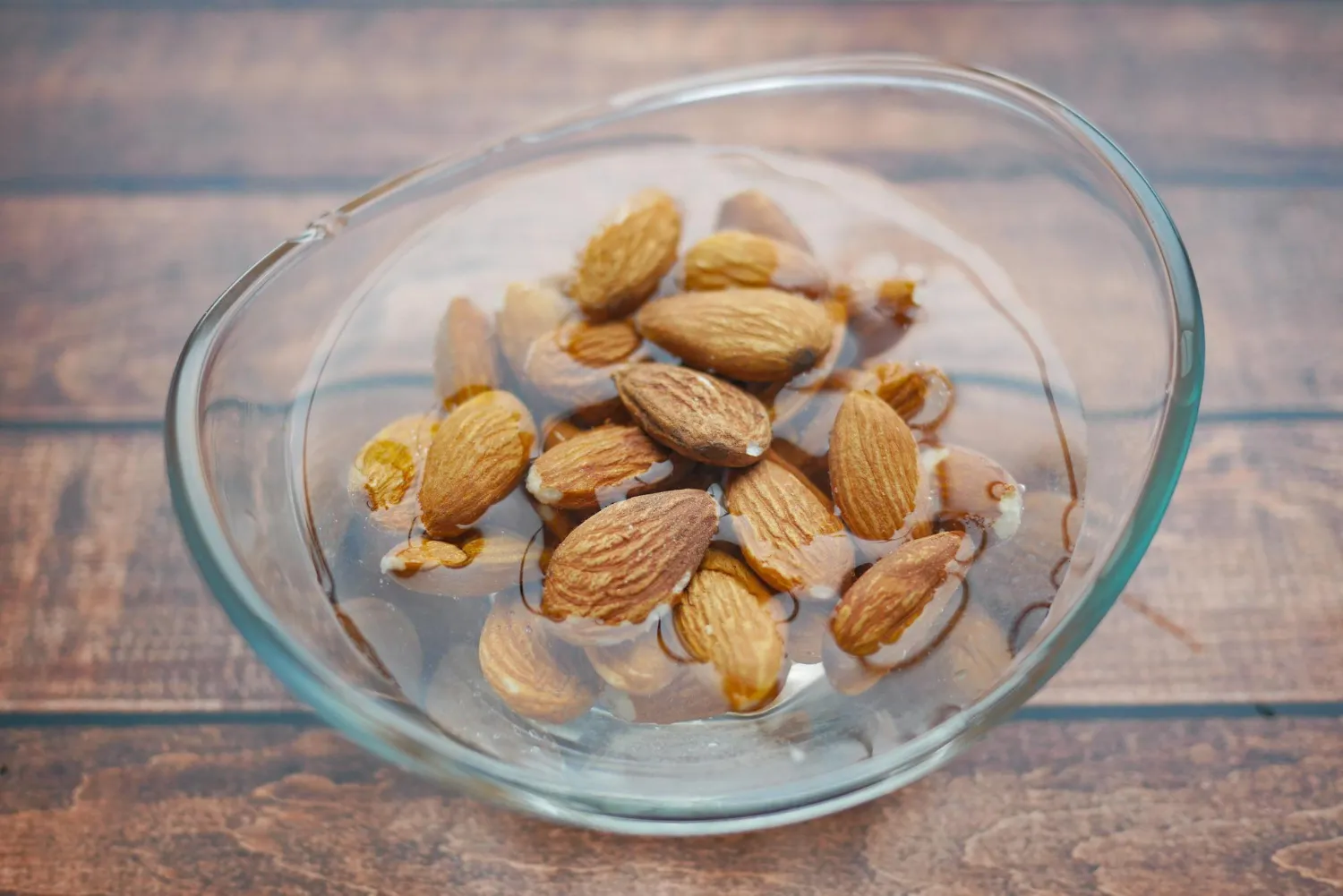
- Place in a small bowl and cover with water.
- Leave overnight, or for at least 8 hours.
- In the morning, drain, peel off the skins, and eat.
Some people add a pinch of turmeric or saffron to the soaking water — a traditional touch that doesn't hurt anything. Just don't add salt, which can tighten the skin and make peeling harder.
Who Benefits Most from This Habit?
Most people can benefit, but this ritual is especially useful if you:
- Have sensitive digestion or IBS
- Follow a vegetarian or vegan diet (and want better mineral absorption)
- Struggle with mid-morning hunger crashes
- Are looking for a simple, consistent source of healthy fats and vitamin E
Children, pregnant women, and elderly individuals with higher nutrient needs can also do well with soaked almonds as part of a balanced breakfast — just keep quantities age-appropriate for kids.
Latest Articles
How to Eat Soaked Almonds Daily for Best Results
Soaked almonds pack more nutrition than raw ones. Here's exactly how to eat them daily — the right time, quantity, and simple habits that actually work.

How to Feed Goats During Monsoon Season
Monsoon changes everything for goat farmers. Learn exactly what to feed your goats during the rainy season to keep them healthy, productive, and disease-free.

Best Feed for Goats in Summer Heat
Struggling to keep your goats healthy in hot weather? Discover the best summer feed for goats to maintain weight, milk, and energy when temperatures soar.

Goat Milk for Lactose Intolerance: Does It Help?
Think goat milk is lactose-free? It's not — but it may still be easier to digest. Here's what the science actually says about goat milk and lactose intolerance.

Is Goat Meat Good for Weight Loss?
Wondering if goat meat fits into a weight loss diet? Here's what its nutrition profile really means for your goals — no fluff, just facts.

Goat Milk vs Cow Milk: Which Is Better for You?
Goat milk vs cow milk — which should you choose? Compare nutrition, digestion, taste, and health benefits to find the best fit for your diet.
Frequently Asked Questions
⚕️ Medical Disclaimer
This article is for informational and educational purposes only and is not a substitute for professional medical advice, diagnosis, or treatment. Always consult a qualified healthcare provider with any questions about a medical condition. Read full disclaimer.
Editorial note: This article was researched and written with the assistance of AI tools and reviewed by the Nutrikoo editorial team for accuracy and clarity. It is for general information only and is not medical advice. See our editorial policy.
Get healthy tips in your inbox
Join the Nutrikoo newsletter for science-backed nutrition, recipes and wellness — no spam, unsubscribe anytime.