
Fresh Brewed Tea vs Bottled Tea: Which Is Better?

By A Reza, Health & Nutrition Writer
11 June 2026 · 6 min read · 0 views
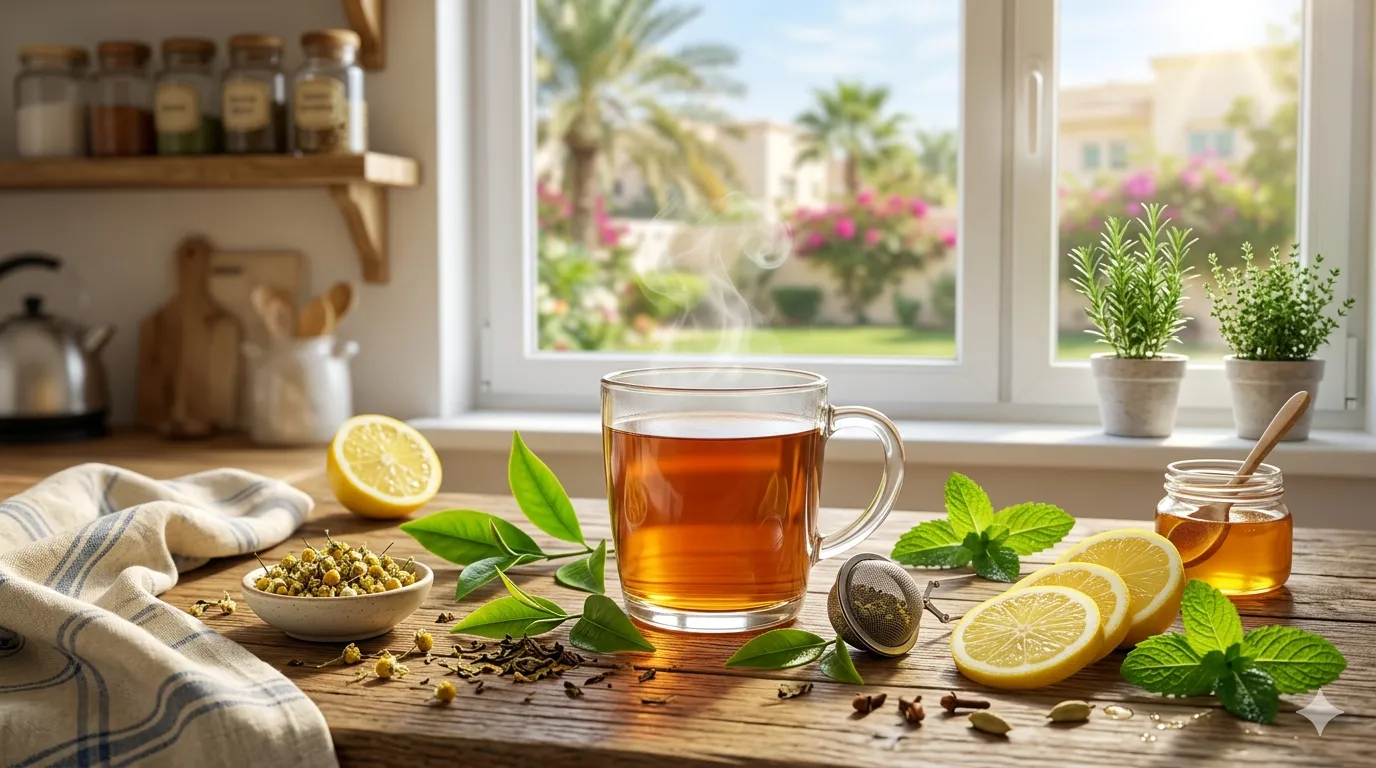
Bottled tea can have up to 10x less antioxidants than fresh brewed. Find out what you're really getting — and whether it's worth the convenience.
Fresh Brewed Tea vs Bottled Tea: Which Is Better?
Some studies have found that a single bottle of commercial iced tea can contain less than a tenth of the antioxidants present in a freshly brewed cup. A tenth. You could drink a whole bottle and still be getting a fraction of what a two-minute home brew gives you. That gap is worth understanding — especially if you reach for bottled tea thinking you're doing something good for your body.
Let's break down what's actually happening in both versions, and what it means for your daily routine.
What Makes Tea Healthy in the First Place
Tea — whether green, black, white, or oolong — comes from the Camellia sinensis plant. Its health reputation rests largely on a group of compounds called polyphenols, particularly catechins (in green tea) and theaflavins (in black tea). The superstar catechin, EGCG (epigallocatechin gallate), gets the most research attention for its role in supporting heart health, metabolism, and inflammation.
The thing about these compounds is that they're delicate. Heat, light, time, and acidity all affect how much survives from leaf to cup — or leaf to bottle.
What Happens to Antioxidants in Bottled Tea
When tea is brewed commercially, it goes through high-heat processing, then sits in a bottle that may spend weeks — sometimes months — in a warehouse, on a truck, or on a supermarket shelf. Light exposure through plastic or glass further degrades polyphenols. Manufacturers often add acidic preservatives like citric acid to extend shelf life, which can also break down catechins.
By the time you crack that cap, the antioxidant content may be a shadow of what was originally brewed. Some brands compensate by adding vitamin C (ascorbic acid) as a preservative, which can actually help stabilise a small amount of antioxidants — but it's not the same as the full polyphenol profile of a fresh brew.
There's also the sugar issue. Many bottled and canned teas carry 20–30 grams of sugar per serving — close to what you'd find in a soft drink. A "green tea" label on a bottle does not automatically make it a healthy choice.
Fresh Brewed Tea: What You're Actually Getting
When you steep loose leaf tea or a tea bag in hot water and drink it within the hour, you're getting polyphenols close to their peak concentration. Brewing temperature and time matter — green tea is best brewed at around 75–85°C to avoid bitterness and preserve its catechins, while black tea handles a full boil reasonably well.
The antioxidant content in a freshly brewed cup is also consistent in a way bottled tea can't be. You control the tea quality, the water, the steeping time, and whether you add sugar. That kind of control is genuinely useful if you're drinking tea for a specific reason — whether it's for heart health, digestion, or just hydration.
If you're curious about the broader cardiovascular case for tea, Cocoa and Tea for Heart Health: What Research Says covers the evidence in solid detail.
Does Brewing Method Change the Antioxidant Yield?

Yes, it does — and not in a dramatic, complicated way. A few practical points:
- Loose leaf tea generally contains more intact polyphenols than finely ground tea dust in low-quality bags, which can oxidise faster.
- Steeping time matters. Two to three minutes is enough for green tea. Over-steeping won't give you more antioxidants — it mainly adds bitterness.
- Cold brewing (leaving tea in cold water overnight in the fridge) actually preserves catechins very well and produces a smoother, less astringent cup. A great option in summer.
- Reusing tea bags delivers noticeably less with each steep — the first brew extracts the bulk of the polyphenols.
If you're specifically interested in the differences between green tea varieties and their antioxidant profiles, the comparison in Matcha vs Green Tea: Which Is Healthier? is worth a read.
When Bottled Tea Might Be Acceptable
To be fair, not all bottled teas are the same. Some premium cold-brew or high-pressure processed (HPP) bottled teas use gentler methods that preserve more polyphenols. A few unsweetened options exist and, while still lower in antioxidants than a fresh brew, they're at least not loading you with sugar.
If you're travelling, at your desk, or just don't have time to brew, an unsweetened bottled green or black tea is a reasonable choice over a sugary soda. Read the label — the ingredient list should be short: water, tea, maybe a natural preservative. If there's a long list of additives and sugar appears early, it's closer to a sweetened drink than a health choice.
What About the Caffeine?
Both fresh brewed and bottled teas contain caffeine, though the amount varies considerably by brand, tea type, and processing. Brewed black tea typically has more caffeine per cup than brewed green tea. Bottled teas often list caffeine content — worth checking if you're sensitive.
For those thinking about when to time their tea consumption, Best Time to Drink Green Tea for Weight Loss gives a practical breakdown that applies to fresh brewed tea specifically.
The Practical Bottom Line
Fresh brewed tea is not a health miracle. But it does deliver meaningfully more antioxidants, zero added sugar (unless you add it), and costs a fraction of what bottled tea does. A good quality loose leaf or even a decent tea bag steeped at home is hard to beat on value and health terms.
Bottled tea is convenient, and convenience matters — but it's worth knowing what you're trading off. The marketing on many bottles implies a level of health benefit the product doesn't fully deliver.
If you're building healthier drink habits or just want to get more from your daily cup, also check out Green Tea vs Black Tea: Which Is Better? and for a completely different kind of herbal option, Tulsi Tea Benefits for Immunity: What to Know is a helpful read.
Latest Articles
How to Eat Soaked Almonds Daily for Best Results
Soaked almonds pack more nutrition than raw ones. Here's exactly how to eat them daily — the right time, quantity, and simple habits that actually work.

How to Feed Goats During Monsoon Season
Monsoon changes everything for goat farmers. Learn exactly what to feed your goats during the rainy season to keep them healthy, productive, and disease-free.

Best Feed for Goats in Summer Heat
Struggling to keep your goats healthy in hot weather? Discover the best summer feed for goats to maintain weight, milk, and energy when temperatures soar.

Goat Milk for Lactose Intolerance: Does It Help?
Think goat milk is lactose-free? It's not — but it may still be easier to digest. Here's what the science actually says about goat milk and lactose intolerance.
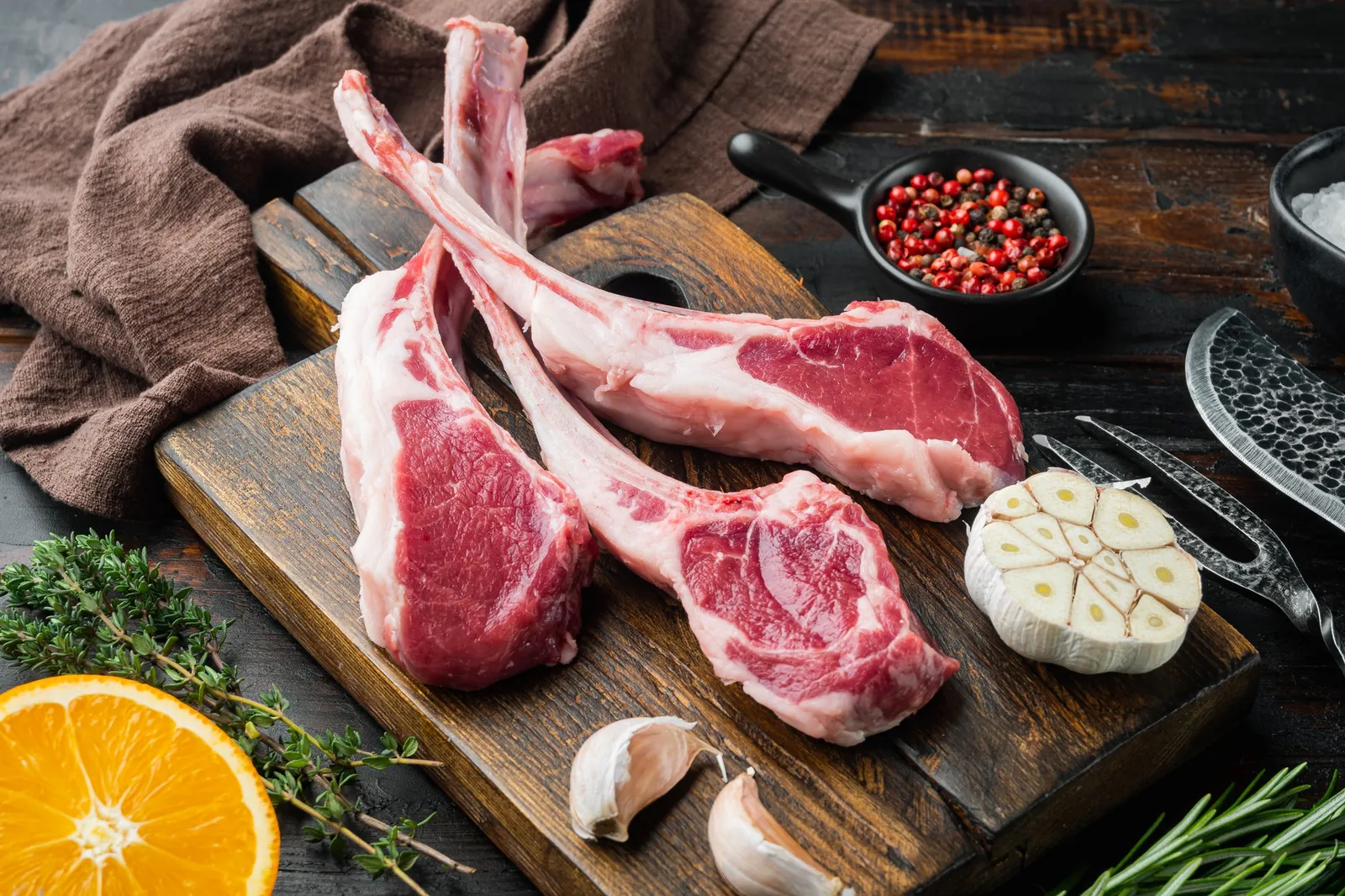
Is Goat Meat Good for Weight Loss?
Wondering if goat meat fits into a weight loss diet? Here's what its nutrition profile really means for your goals — no fluff, just facts.

Goat Milk vs Cow Milk: Which Is Better for You?
Goat milk vs cow milk — which should you choose? Compare nutrition, digestion, taste, and health benefits to find the best fit for your diet.
Frequently Asked Questions
⚕️ Medical Disclaimer
This article is for informational and educational purposes only and is not a substitute for professional medical advice, diagnosis, or treatment. Always consult a qualified healthcare provider with any questions about a medical condition. Read full disclaimer.
Get healthy tips in your inbox
Join the Nutrikoo newsletter for science-backed nutrition, recipes and wellness — no spam, unsubscribe anytime.