

Low Carb Diet for Belly Fat Loss: Does It Work?

By Payal, Content Reviewer
12 June 2026 · 7 min read · 6 views
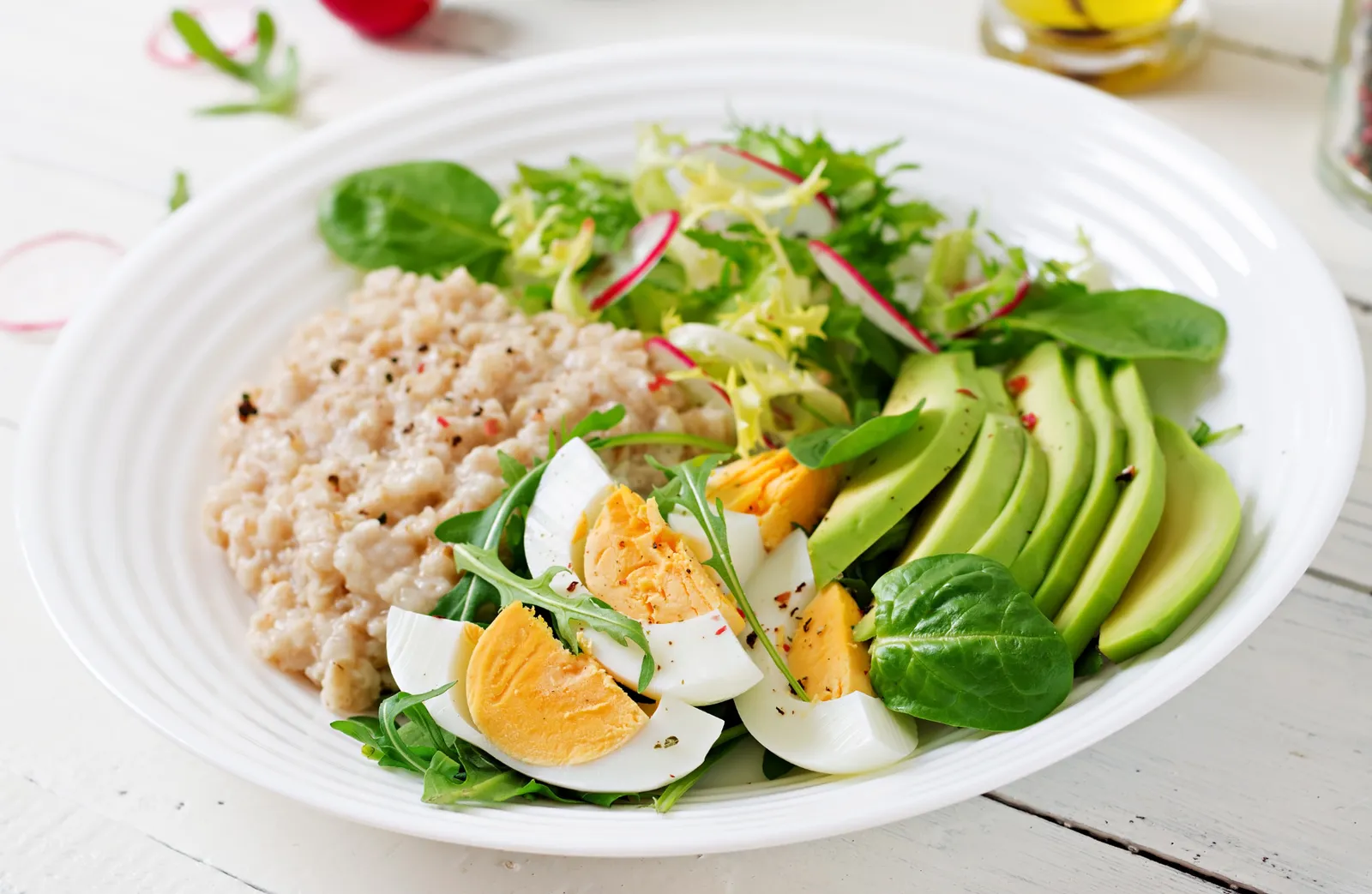
Can cutting carbs really shrink your waistline? Here's what a low carb diet actually does to belly fat, and how to make it work for you.
Low Carb Diet for Belly Fat Loss: Does It Work?
That stubborn layer around your midsection — the kind that refuses to budge no matter how many crunches you do — is one of the most common frustrations people bring up when they talk about weight loss. And one of the most popular approaches people try is cutting carbs. But does a low carb diet actually target belly fat, or is that just clever marketing?
Let's break it down honestly.
What Exactly Is a Low Carb Diet?
A low carb diet simply means reducing the amount of carbohydrates you eat each day — typically to somewhere between 50 and 150 grams, depending on how strict the approach is. At the extreme end sits keto (usually under 20-50g carbs daily). A moderate low carb approach still cuts out refined grains, sugary drinks, and processed snacks, but keeps some whole grains, legumes, and fruits in the picture.
For most Indians, this involves rethinking some staples. Rice, roti, poha, upma, and dal-chawal are carb-heavy meals. That doesn't mean they're bad — but on a low carb plan, portions shrink significantly, or you swap in alternatives.
Why Does Belly Fat Build Up in the First Place?
Before fixing the problem, it helps to understand what's driving it. Belly fat isn't just the soft fat you can pinch — there's also visceral fat, the deeper kind that wraps around your organs. Visceral fat is metabolically active and linked to higher health risks.
A few things cause it to accumulate:
- High insulin levels — frequent spikes from refined carbs and sugary foods signal the body to store fat, particularly in the abdominal region.
- Chronic stress — elevated cortisol encourages fat storage around the belly.
- Sedentary habits combined with excess calorie intake.
- Poor sleep, which disrupts hunger-regulating hormones like ghrelin and leptin.
Carbohydrates — especially refined ones — are the biggest driver of insulin spikes. That's the core reason low carb diets are often recommended for belly fat.
How Does Cutting Carbs Help Reduce Belly Fat?
When you eat fewer carbs, insulin levels drop. Lower insulin means the body is less primed to store fat and more willing to burn it for fuel. Over time, your body shifts toward using stored fat — including that stubborn visceral fat — as an energy source.
There's also a water weight effect early on. Carbohydrates are stored in the body as glycogen, and glycogen holds onto water. When you cut carbs, glycogen stores deplete and you lose that water quickly — sometimes 1-2 kg in the first week. This isn't fat loss, but it does reduce bloating and that puffy look around the waist.
Research consistently shows that low carb diets tend to reduce visceral fat more effectively than low fat diets over the short to medium term. The belly is often the first place people notice a difference.
What Should You Actually Eat on a Low Carb Indian Diet?
This is where most guides fall short — they're written for a Western diet, not an Indian thali. Here's a practical breakdown.
Eat more of:
- Eggs, paneer, chicken, fish, mutton
- Non-starchy vegetables: spinach, cauliflower, brinjal, beans, capsicum, tinda, lauki
- Healthy fats: ghee, coconut oil, nuts, seeds, avocado
- Full-fat dairy: curd, cheese (in moderation)
Reduce significantly:
- White rice, white bread, maida products
- Sugary chai, packaged juices, cold drinks
- Biscuits, namkeen, fried snacks
Keep in small amounts (if not strict keto):
- Whole dals and legumes
- 1 small chapati made from whole wheat or jowar
- Low-sugar fruits like berries, guava, papaya
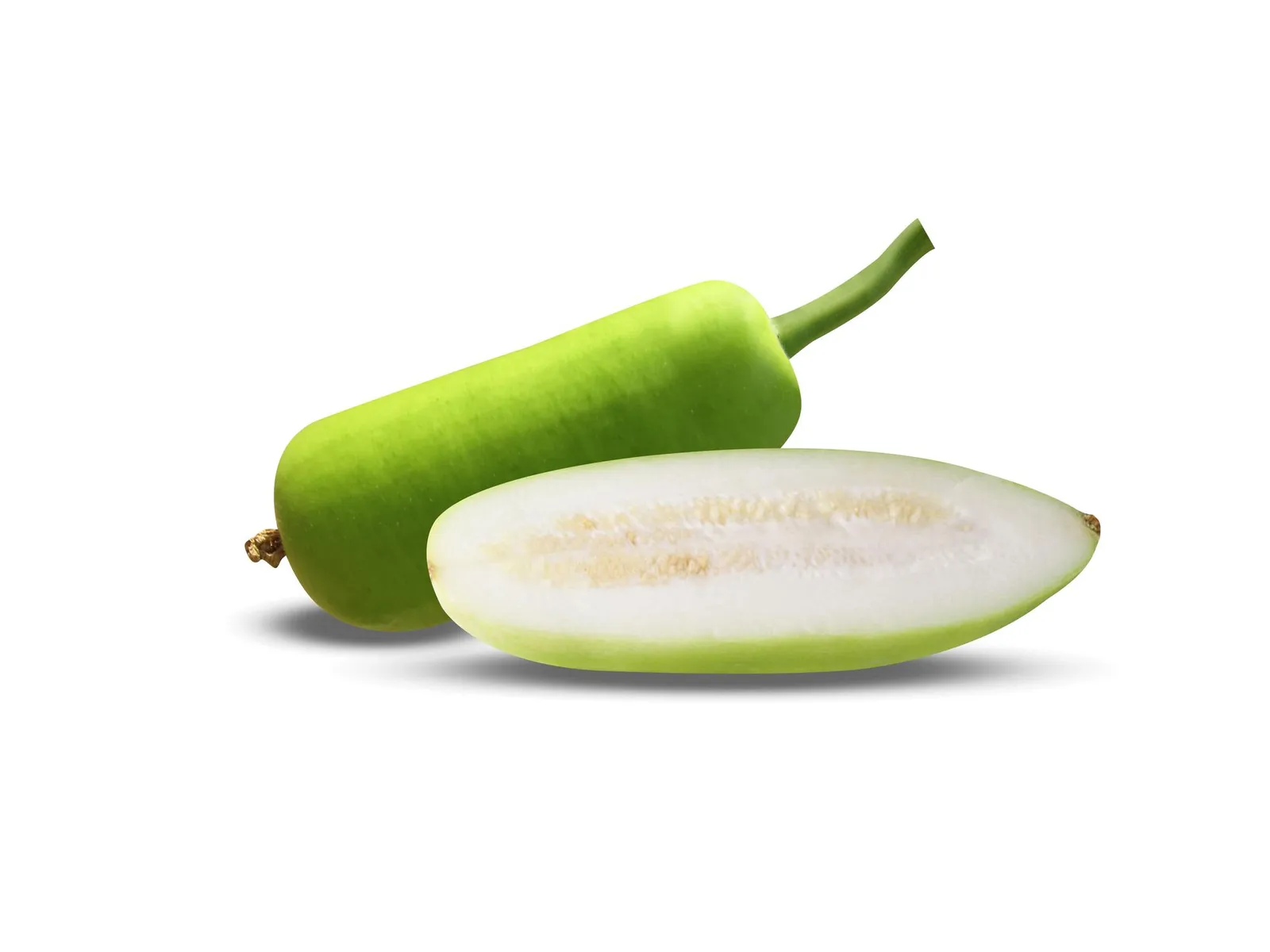

Vegetables are your best friend here. Many Indian sabzis are naturally low in carbs and high in fibre and micronutrients. If you're looking for inspiration, high-protein sabzis for weight loss are a genuinely smart addition to a low carb plan — they keep you full and help preserve muscle mass while you're losing fat.
Similarly, humble options like lauki sabzi and tinda are low in calories and carbs, easy to cook, and surprisingly filling. Don't underestimate them.
How Long Does It Take to See Results?
Most people notice a visible reduction in belly size within two to four weeks of consistently eating low carb. The initial drop is partly water weight, but real fat loss follows if you stick with it.
A realistic expectation: around 0.5 to 1 kg of actual fat loss per week, assuming a decent calorie deficit. Belly fat — especially the deeper visceral kind — tends to respond well to low carb eating, but it won't vanish overnight.
Consistency matters more than perfection. A week of strict low carb followed by three days of bingeing on rice and sweets won't get you far. The diet works when it becomes a sustainable habit, not a crash course.
Are There Any Side Effects to Watch Out For?
Cutting carbs drastically, especially in the first week, can cause what's sometimes called the "keto flu" — fatigue, headaches, brain fog, irritability, and muscle cramps. This happens because your body is adjusting to using fat for fuel, and because you lose electrolytes along with water weight.
You can manage this by:
- Drinking plenty of water
- Adding a pinch of salt to meals or having a glass of salted nimbu paani
- Eating potassium-rich foods like spinach and avocado
- Not going too low, too fast — a gradual carb reduction is gentler on the body
If you have diabetes, kidney issues, or are on medication, check with your doctor before making significant dietary changes.
Does Exercise Still Matter, or Can Diet Alone Do the Work?
Diet is the bigger lever for fat loss — you really can't out-exercise a poor diet. But combining a low carb eating pattern with regular movement accelerates results noticeably.
Strength training is particularly effective alongside low carb eating. It preserves muscle mass (important when you're in a calorie deficit) and improves insulin sensitivity. Even 20-30 minutes of resistance training three times a week makes a real difference.
Walking, yoga, and cycling all contribute too. The goal isn't to burn massive calories through exercise — it's to keep your metabolism active and your body responsive.
Stress management is worth mentioning here as well. High stress raises cortisol, which directly promotes belly fat storage regardless of how clean your diet is. If you're eating well but still feeling wound up, exploring foods that help during stress might be worth a read.
Is a Low Carb Diet Safe Long-Term?
For most healthy adults, a moderate low carb diet is safe and sustainable. You're not cutting out an entire food group — you're shifting the balance toward protein, vegetables, and healthy fats, while reducing refined and processed carbs.
The more extreme versions (like strict keto) may not suit everyone long-term, particularly those who do a lot of physical work or have a very active lifestyle. A moderate approach — think 80-100g of carbs from whole food sources — is often easier to maintain and still very effective for belly fat reduction.
Latest Articles
How to Eat Soaked Almonds Daily for Best Results
Soaked almonds pack more nutrition than raw ones. Here's exactly how to eat them daily — the right time, quantity, and simple habits that actually work.
How to Feed Goats During Monsoon Season
Monsoon changes everything for goat farmers. Learn exactly what to feed your goats during the rainy season to keep them healthy, productive, and disease-free.

Best Feed for Goats in Summer Heat
Struggling to keep your goats healthy in hot weather? Discover the best summer feed for goats to maintain weight, milk, and energy when temperatures soar.

Goat Milk for Lactose Intolerance: Does It Help?
Think goat milk is lactose-free? It's not — but it may still be easier to digest. Here's what the science actually says about goat milk and lactose intolerance.
Is Goat Meat Good for Weight Loss?
Wondering if goat meat fits into a weight loss diet? Here's what its nutrition profile really means for your goals — no fluff, just facts.
Goat Milk vs Cow Milk: Which Is Better for You?
Goat milk vs cow milk — which should you choose? Compare nutrition, digestion, taste, and health benefits to find the best fit for your diet.
Frequently Asked Questions
⚕️ Medical Disclaimer
This article is for informational and educational purposes only and is not a substitute for professional medical advice, diagnosis, or treatment. Always consult a qualified healthcare provider with any questions about a medical condition. Read full disclaimer.
Editorial note: This article was researched and written with the assistance of AI tools and reviewed by the Nutrikoo editorial team for accuracy and clarity. It is for general information only and is not medical advice. See our editorial policy.
Get healthy tips in your inbox
Join the Nutrikoo newsletter for science-backed nutrition, recipes and wellness — no spam, unsubscribe anytime.