
Moringa Sabzi Benefits for Your Health

By A Reza, Health & Nutrition Writer
12 June 2026 · 7 min read · 7 views
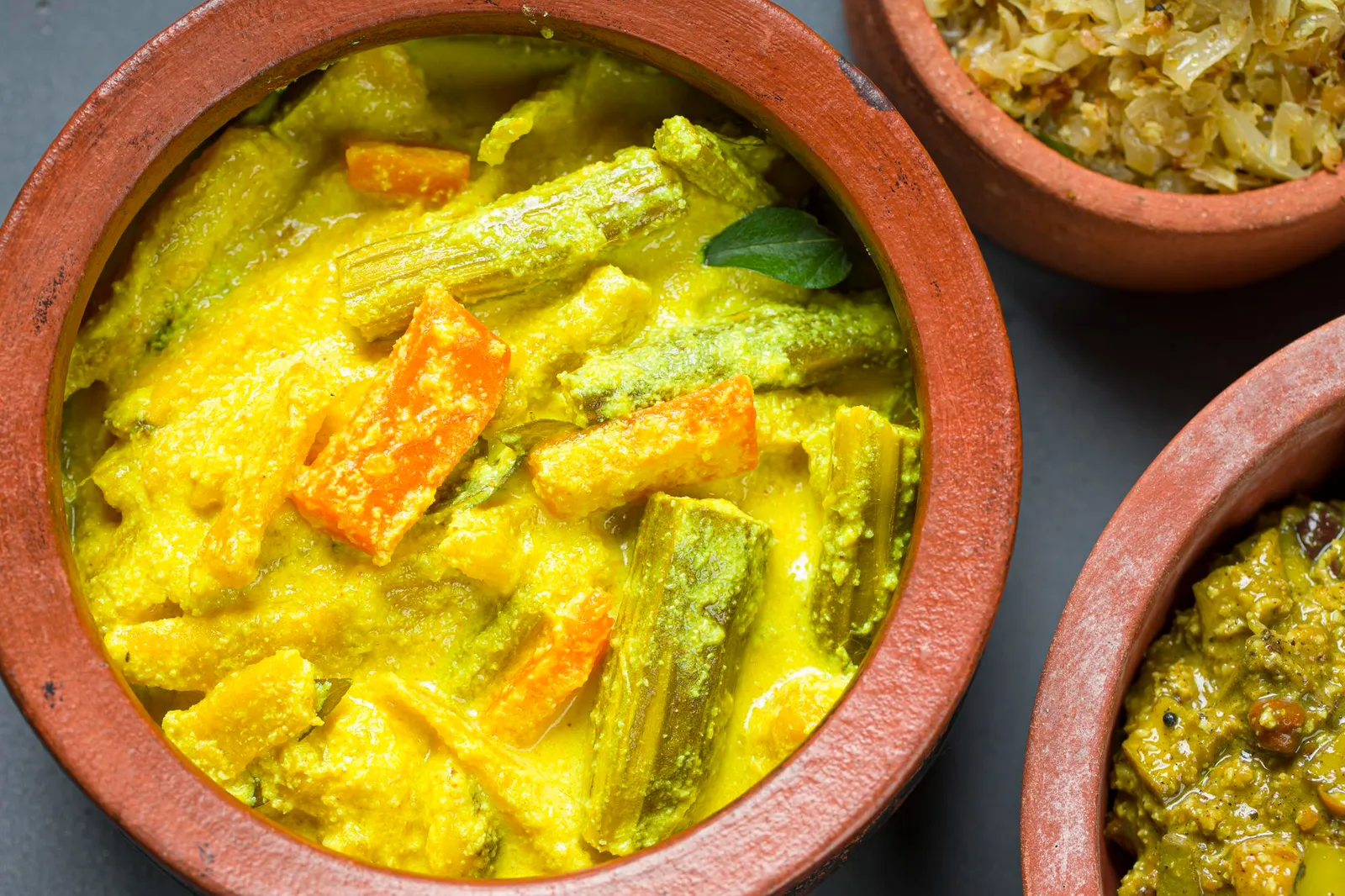
Discover the real health benefits of moringa sabzi — from blood sugar to bones — and why this humble Indian dish deserves a regular spot on your plate.
Moringa Sabzi Benefits for Your Health
You keep hearing that you need more iron. Or that your energy is low, your digestion is sluggish, your skin looks tired. You try supplements, fancy powders, expensive health drinks — and sometimes the answer has been sitting quietly in your neighbourhood vegetable market all along. Moringa (Moringa oleifera), known across India as sahjan or drumstick, makes one of the most nutritionally dense sabzis you can cook on a weekday evening. No special equipment, no complicated technique. Just one of the most underrated vegetables in your kitchen.
Let's walk through exactly what moringa sabzi does for your body — and why it might solve a few health problems you didn't even think food could help with.
What Is Moringa Sabzi, Exactly?
Moringa sabzi is typically made using the tender leaves of the moringa tree, sometimes combined with the long, ridged drumstick pods. The leaves are sautéed with basic Indian spices — mustard seeds, garlic, green chilli, and turmeric — making a simple stir-fry that takes about 15 minutes. In some regional recipes, it's cooked with dal or coconut. Either way, the result is something far more nutritious than it looks.
The leaves, in particular, are remarkably nutrient-dense. Gram for gram, moringa leaves contain more calcium than milk, more iron than spinach, and a solid amount of protein for a leafy vegetable. That's not marketing fluff — it reflects the plant's unusually rich nutritional profile.
The Real Health Benefits of Eating Moringa Sabzi
1. It Seriously Supports Iron Levels
Iron deficiency is extremely common in India, particularly among women and children. Moringa leaves are one of the better plant-based sources of non-heme iron. Pairing moringa sabzi with a squeeze of lemon (vitamin C boosts iron absorption) makes the meal even more effective for building up iron stores over time.
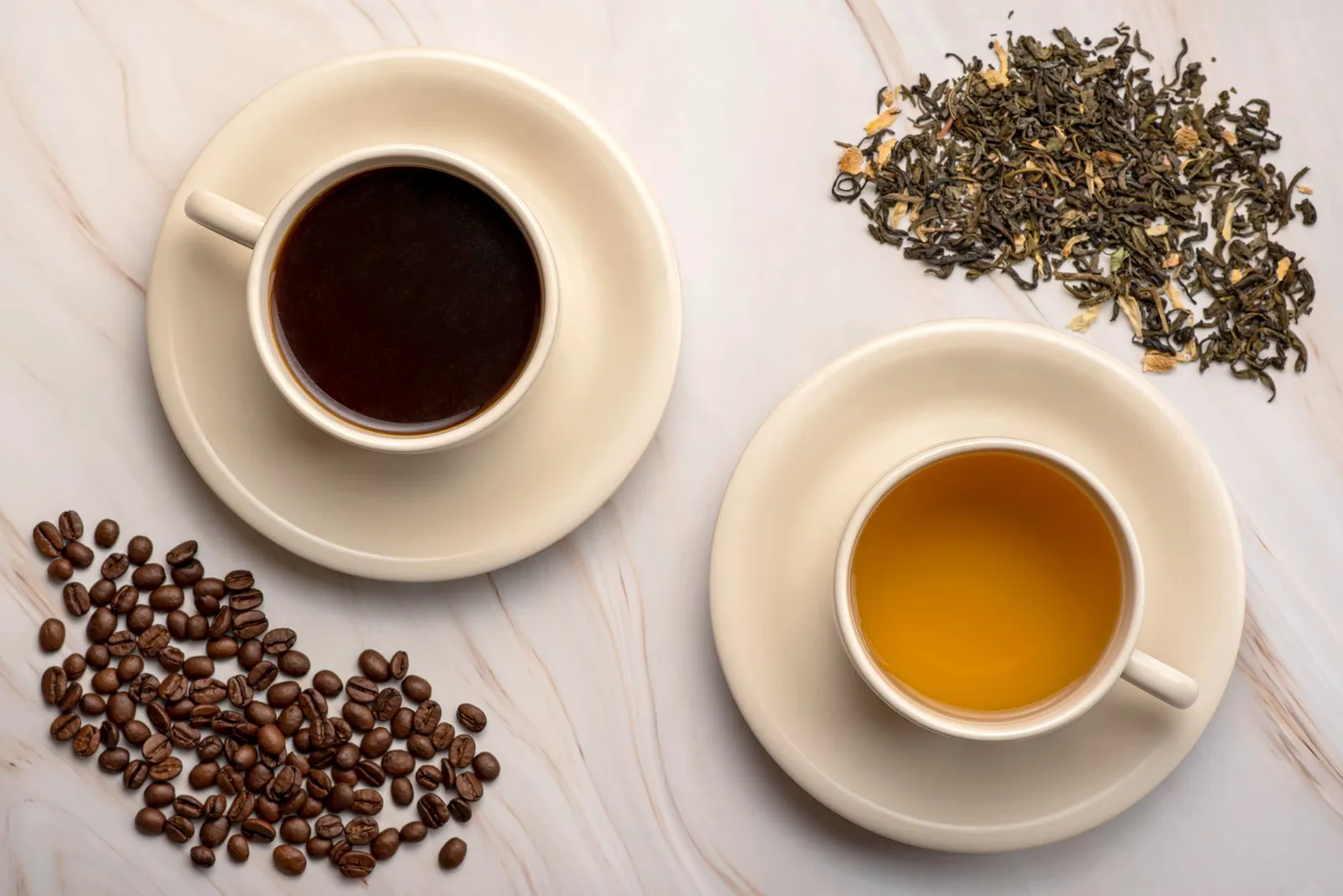
If you're already watching your iron levels, it's worth knowing that certain foods and drinks can interfere — for example, drinking tea around meals can reduce iron absorption. Pairing moringa sabzi with water or lemon water rather than chai at the same meal is a practical move.
2. Moringa Sabzi Helps Manage Blood Sugar
Moringa leaves contain compounds — including isothiocyanates — that may help moderate blood sugar spikes after meals. Several small studies have looked at moringa's potential for supporting glycaemic control, and while the evidence is still building, it's promising enough that many nutrition researchers find it worth noting.
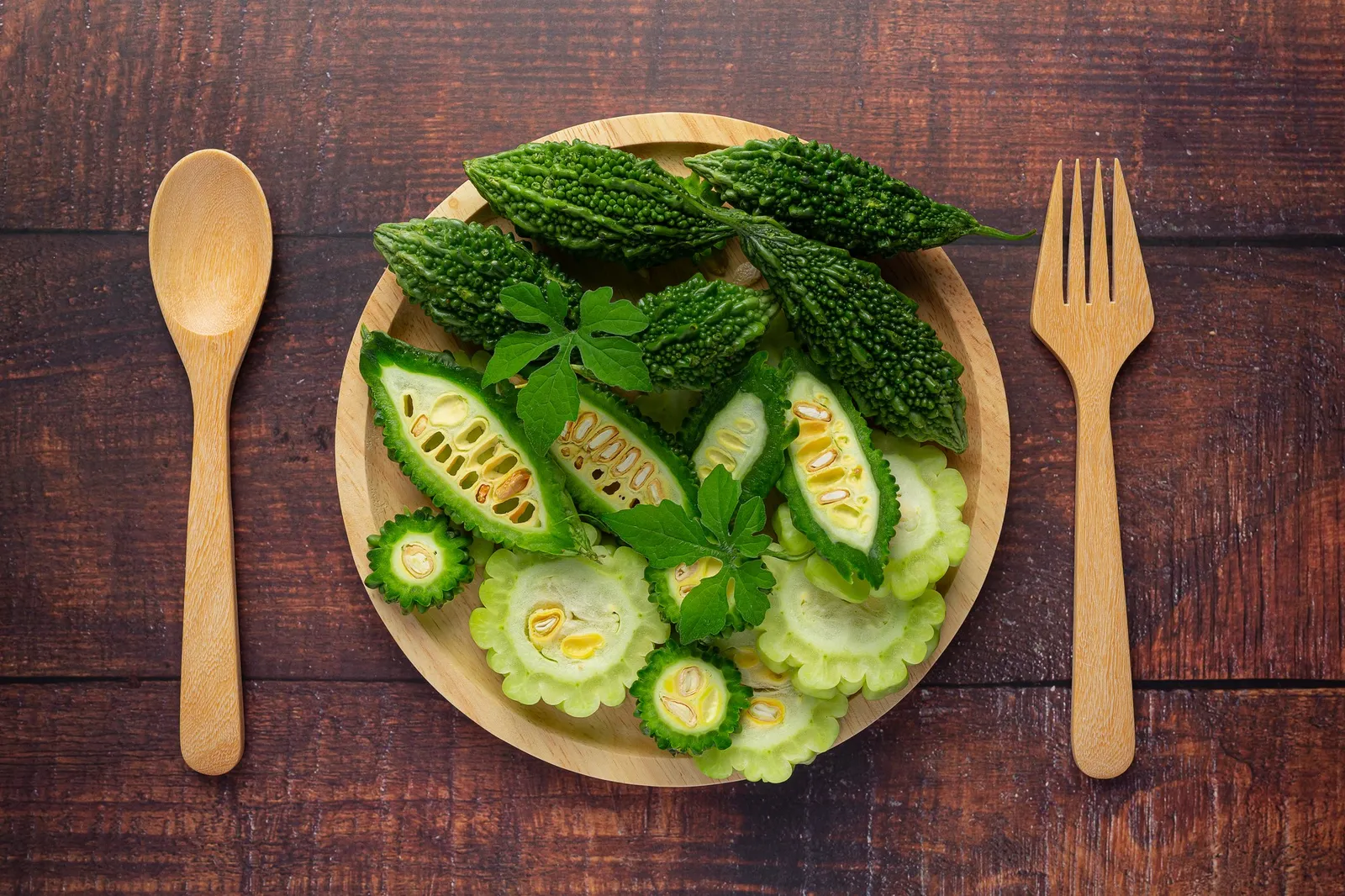
For people already managing blood sugar through diet, moringa sabzi fits naturally alongside other vegetables with similar benefits. If you're interested in how Indian sabzis can support blood sugar levels, karela sabzi has a well-established track record in this area too.
3. Strong Anti-Inflammatory Properties
Moringa leaves contain quercetin, chlorogenic acid, and beta-carotene — antioxidants that help reduce oxidative stress in the body. Chronic low-grade inflammation underlies a lot of modern health problems, from fatigue to joint pain. Eating a diet rich in anti-inflammatory foods — moringa sabzi being a genuinely good example — can contribute to reducing that background inflammation over time.
Think of it less like a cure and more like consistent, quiet maintenance. Every serving adds up.
4. Good for Bone Health
Moringa is unusually high in calcium for a leafy green, and also contains phosphorus and vitamin K — nutrients that work together for bone density and strength. This matters particularly for women approaching or past menopause, and for anyone who doesn't consume much dairy. Regular moringa sabzi can be a practical, tasty way to support skeletal health without reaching for supplements.
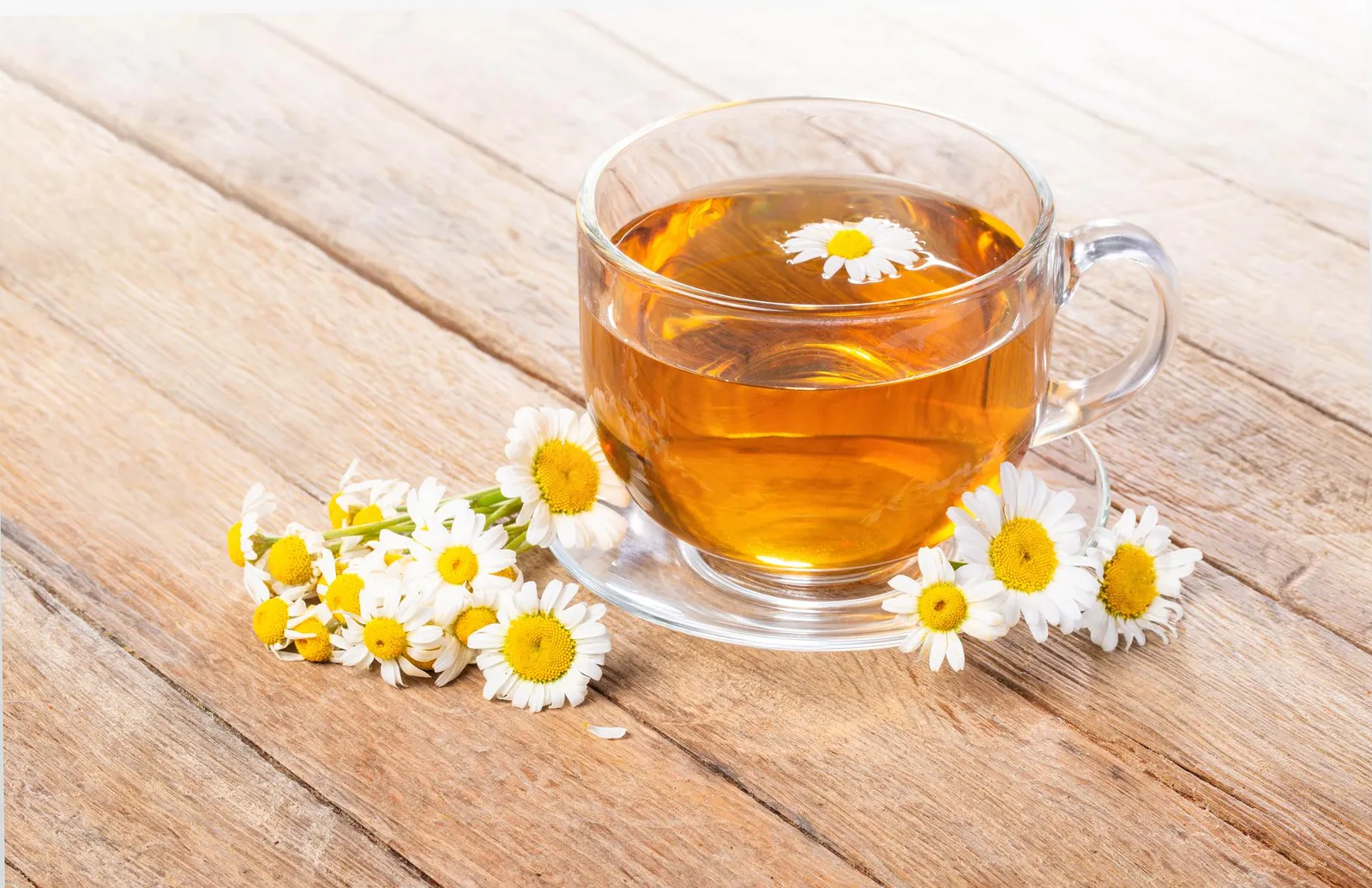
5. Digestive Benefits Worth Mentioning
The fibre in moringa leaves helps keep the gut moving, reducing constipation and supporting a healthy digestive environment. The anti-inflammatory compounds also seem to be gentle on the gut lining. If your digestion has been sluggish, adding a few weekly servings of moringa sabzi — alongside other fibrous sabzis — can make a noticeable difference.
Ridge gourd curry is another Indian sabzi specifically worth adding if digestion is your focus, as the two vegetables complement each other well across a weekly meal rotation.
6. Moringa Sabzi for Immunity
Moringa leaves are rich in vitamin C, vitamin A (as beta-carotene), and zinc — three nutrients closely tied to immune function. This isn't a seasonal thing. A diet that consistently includes nutrient-dense vegetables like moringa supports your immune system year-round, not just when you're feeling run down.
Moringa sabzi pairs well with an overall immunity-supportive diet. Tinda sabzi is another underrated, gentle option that rounds out a balanced Indian vegetable rotation.
7. Supports Energy and Reduces Fatigue
Low energy often has a nutritional cause — inadequate iron, B vitamins, or protein. Moringa leaves provide all three to varying degrees. The protein content is especially interesting: moringa leaves contain all nine essential amino acids, which is rare for a plant food. This makes moringa sabzi genuinely useful for vegetarians and vegans who want to diversify their protein sources.
8. Skin and Hair Health
The combination of vitamin E, vitamin C, and zinc in moringa is well-aligned with skin repair and collagen production. Vitamin A (beta-carotene) contributes to healthy scalp and hair follicle function. These effects are cumulative and dietary — they won't happen after one bowl, but with regular consumption, many people notice their skin looks clearer and less dull.
A Few Things to Keep in Mind
Moringa sabzi is safe and beneficial for most people. That said, a couple of nuances are worth knowing:
- Pregnancy: Moringa leaves in moderate culinary amounts are generally considered safe during pregnancy. However, moringa root, bark, and concentrated supplements are best avoided during pregnancy. Stick to normal sabzi portions.
- Medication interactions: If you're on diabetes or blood pressure medication, moringa's blood-sugar- and blood-pressure-lowering effects may compound your medication's action. It's worth mentioning it to your doctor if you're eating it frequently.
- Quantity: A regular serving of moringa sabzi (not large daily doses of moringa powder or extract) is what this article covers. Culinary use is very different from high-dose supplementation.
How to Make the Most of Moringa Sabzi
Keep it simple. Sauté moringa leaves with mustard seeds, a pinch of turmeric, garlic, and green chilli in a little mustard or coconut oil. Add grated coconut if you like a South Indian touch. Serve it as a side dish with dal and rice or roti. If you're trying to support your iron intake specifically, pair it with tomatoes or a small glass of nimbu pani rather than tea.
Cooking moringa briefly and not overcooking it preserves more of the heat-sensitive nutrients — vitamin C especially breaks down with prolonged heat. Quick stir-fries work better than long, slow cooking for moringa leaves.
Latest Articles
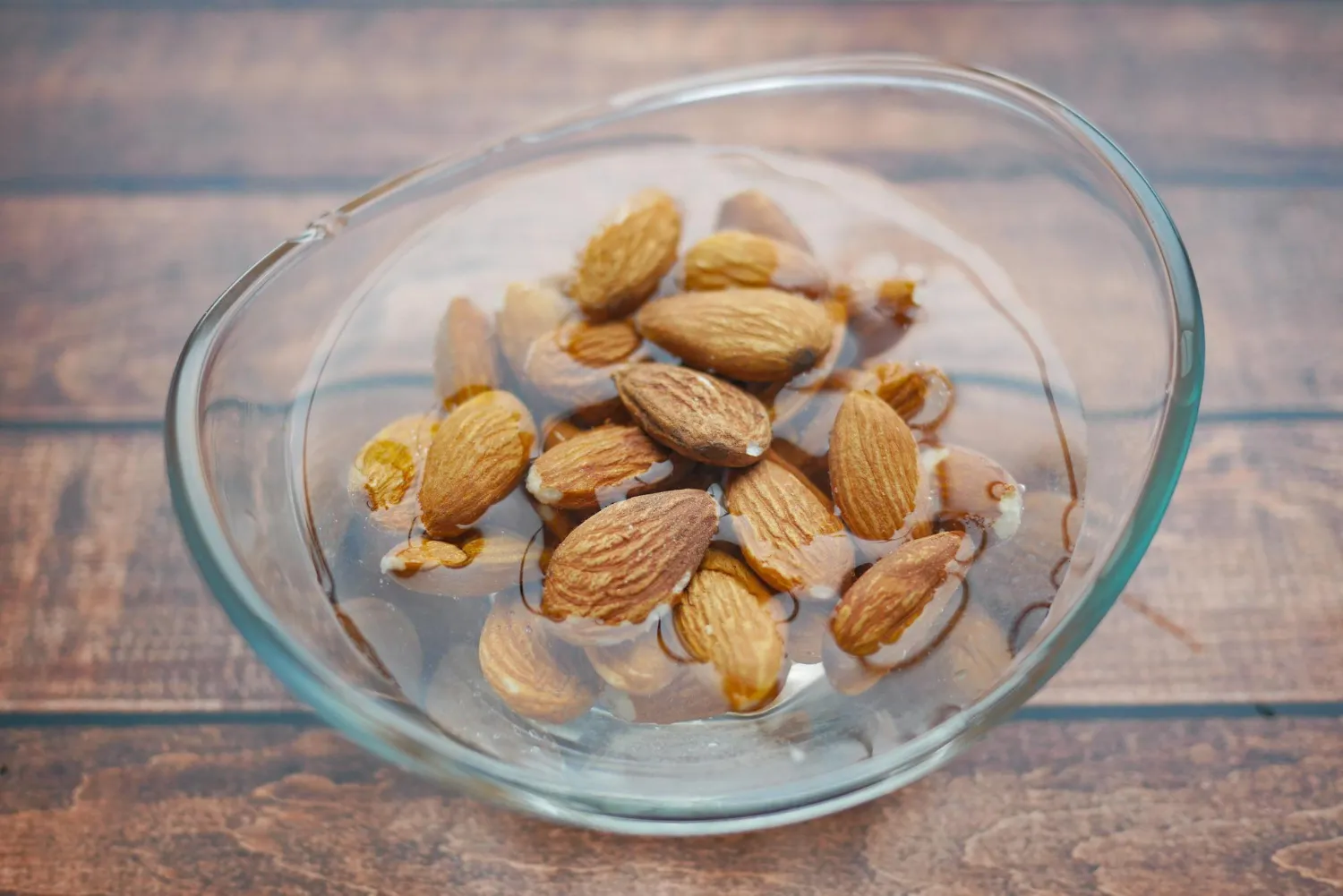
How to Eat Soaked Almonds Daily for Best Results
Soaked almonds pack more nutrition than raw ones. Here's exactly how to eat them daily — the right time, quantity, and simple habits that actually work.
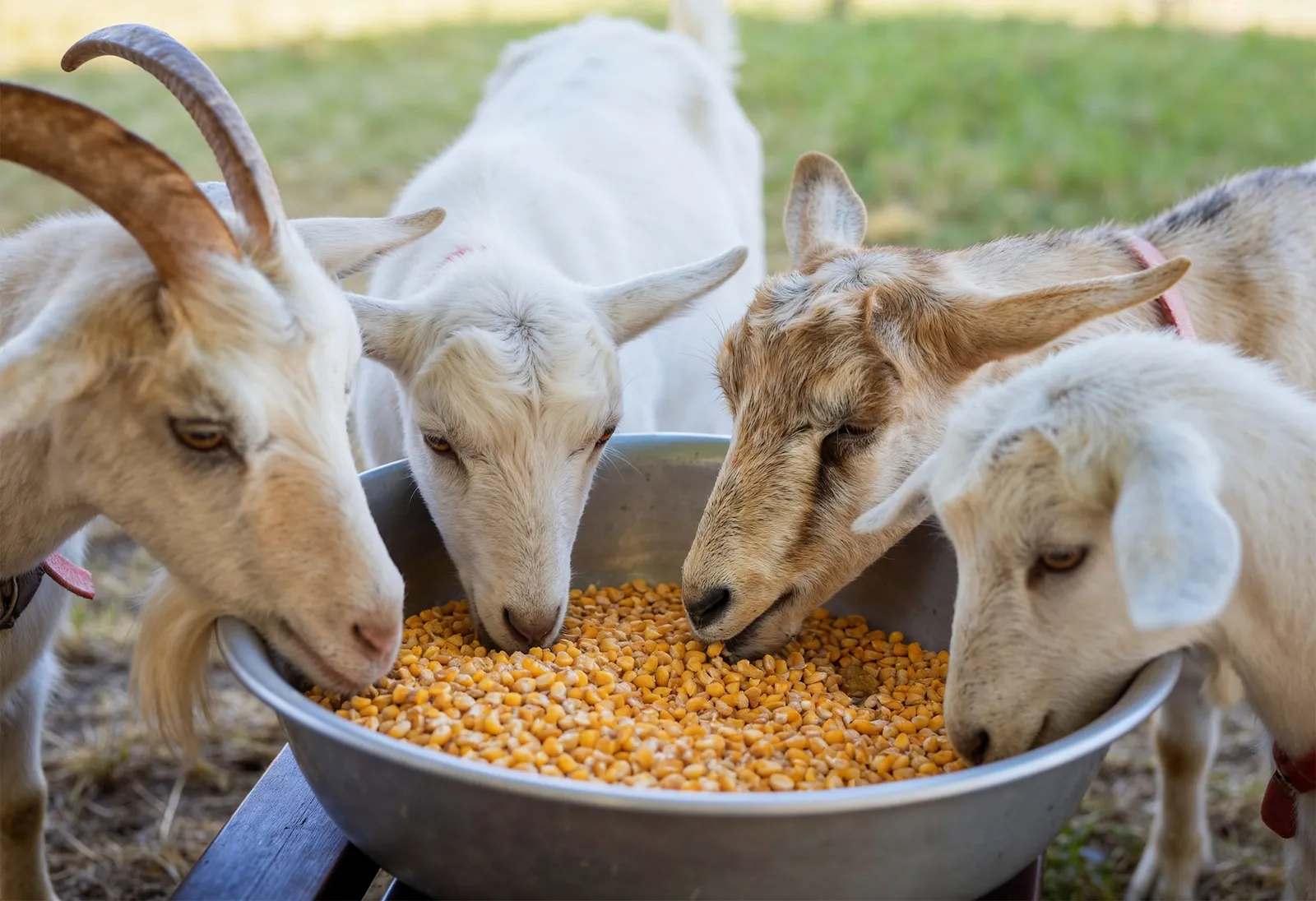
How to Feed Goats During Monsoon Season
Monsoon changes everything for goat farmers. Learn exactly what to feed your goats during the rainy season to keep them healthy, productive, and disease-free.

Best Feed for Goats in Summer Heat
Struggling to keep your goats healthy in hot weather? Discover the best summer feed for goats to maintain weight, milk, and energy when temperatures soar.

Goat Milk for Lactose Intolerance: Does It Help?
Think goat milk is lactose-free? It's not — but it may still be easier to digest. Here's what the science actually says about goat milk and lactose intolerance.
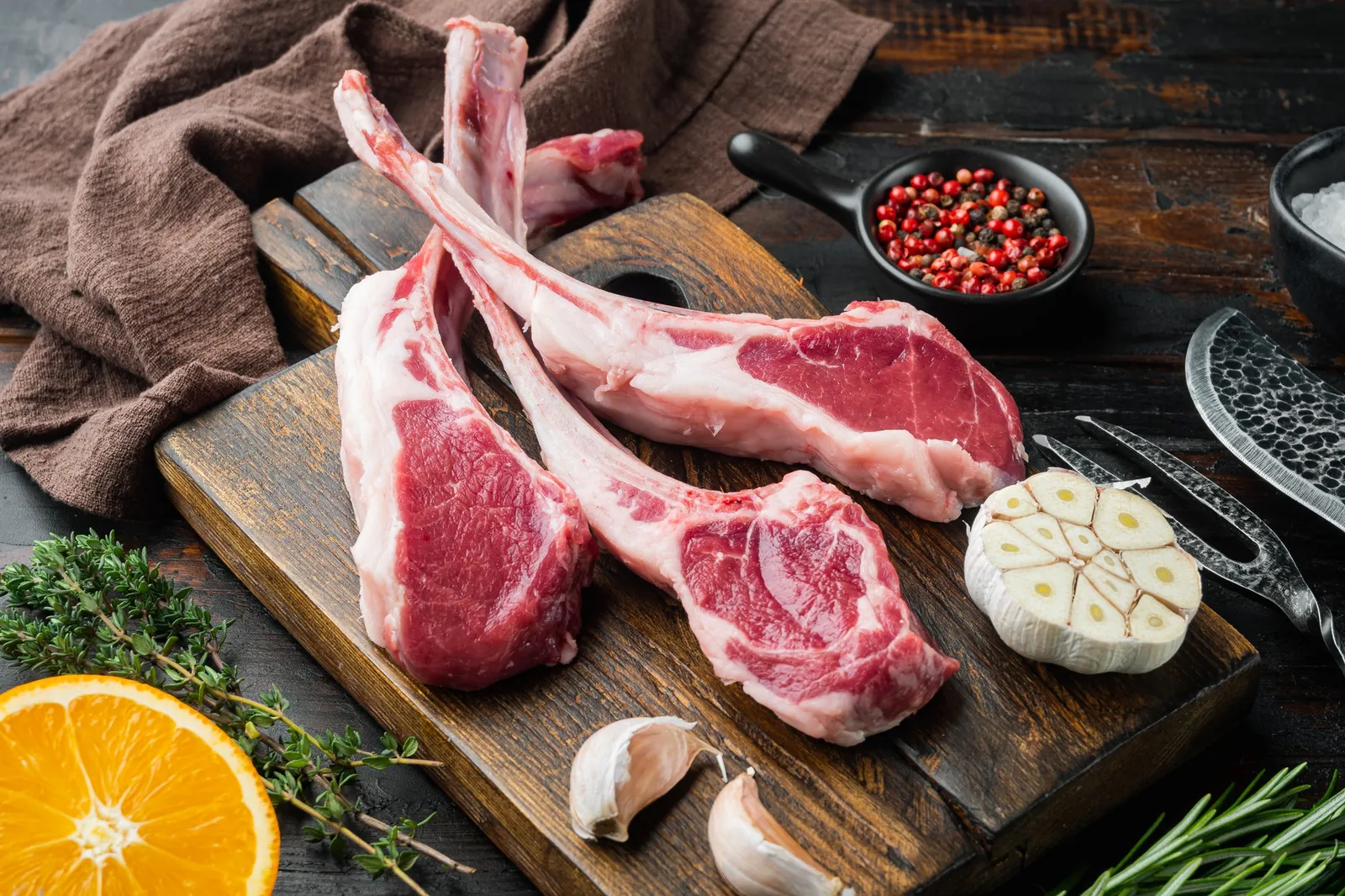
Is Goat Meat Good for Weight Loss?
Wondering if goat meat fits into a weight loss diet? Here's what its nutrition profile really means for your goals — no fluff, just facts.
Goat Milk vs Cow Milk: Which Is Better for You?
Goat milk vs cow milk — which should you choose? Compare nutrition, digestion, taste, and health benefits to find the best fit for your diet.
Frequently Asked Questions
⚕️ Medical Disclaimer
This article is for informational and educational purposes only and is not a substitute for professional medical advice, diagnosis, or treatment. Always consult a qualified healthcare provider with any questions about a medical condition. Read full disclaimer.
Editorial note: This article was researched and written with the assistance of AI tools and reviewed by the Nutrikoo editorial team for accuracy and clarity. It is for general information only and is not medical advice. See our editorial policy.
Get healthy tips in your inbox
Join the Nutrikoo newsletter for science-backed nutrition, recipes and wellness — no spam, unsubscribe anytime.