
Are Millets Really Healthier Than Wheat for Daily Meals?

By A Reza, Health & Nutrition Writer
5 June 2026 · 7 min read · 21 views
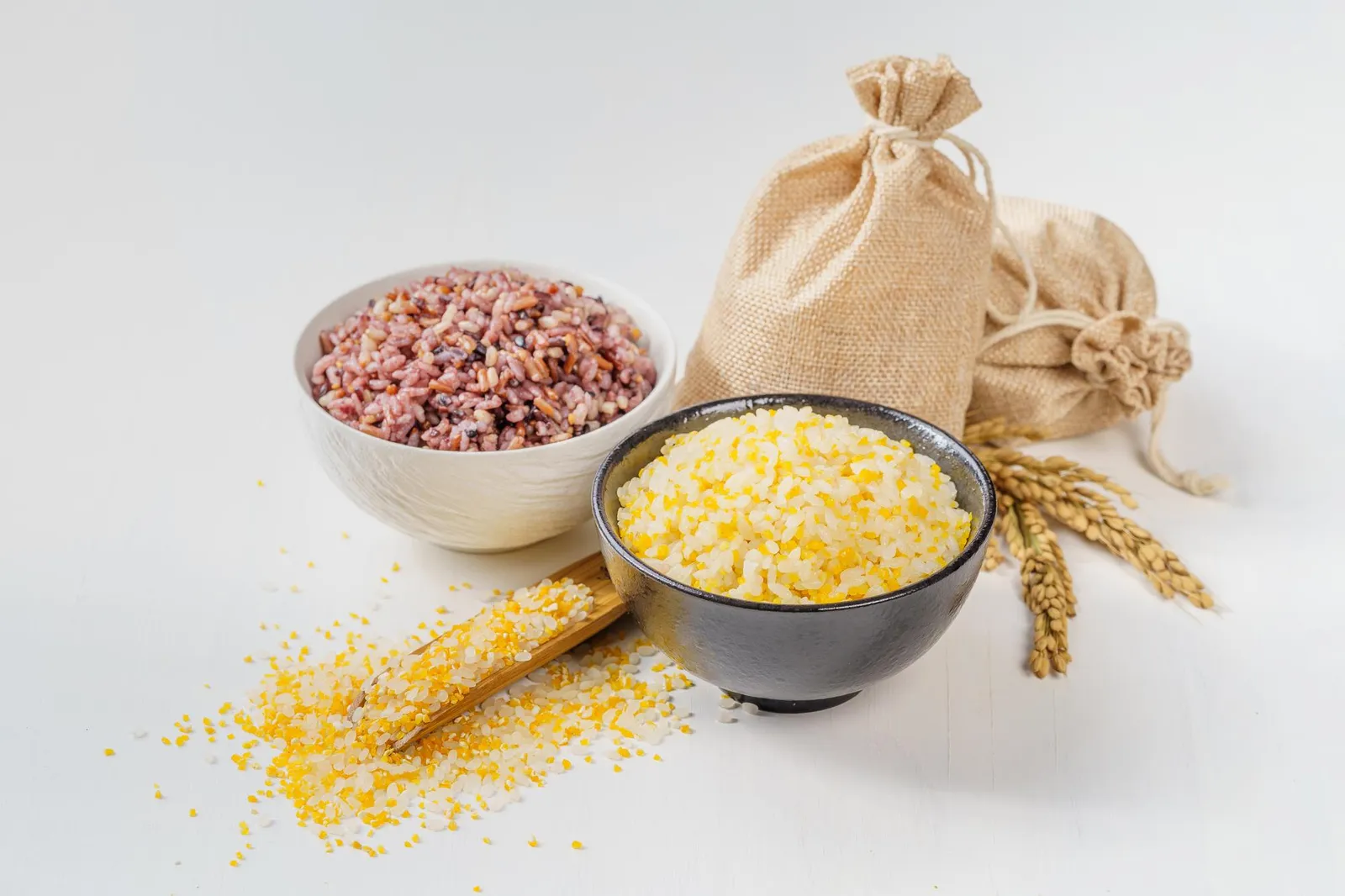
Millets are having a major moment in Indian kitchens. But are they truly healthier than wheat? Here's an honest, practical comparison to help you decide.
Are Millets Really Healthier Than Wheat for Daily Meals?
Walk into any health food store in India right now and millet products are everywhere — ragi cookies, jowar rotis, bajra flour. The government even declared 2023 the International Year of Millets. But behind all the buzz, a genuinely useful question sits unanswered for most families: should you actually swap your everyday wheat roti for a millet one?
The honest answer is more nuanced than most health headlines let on.
What Exactly Are We Comparing?
When Indians say "wheat," they almost always mean whole wheat flour (atta) used for rotis and parathas. It's a staple that has been part of North and West Indian diets for centuries.
Millets, on the other hand, are a group of small-seeded grains — not a single food. The ones most common in Indian cooking include:
- Jowar (sorghum)
- Bajra (pearl millet)
- Ragi (finger millet)
- Foxtail millet (kangni)
- Little millet (kutki)
Each has its own nutritional personality. So "millets vs. wheat" is a bit like comparing a single player to an entire cricket team.
How the Nutrition Stacks Up
Fiber and Digestion
Whole wheat flour is a decent source of dietary fiber. It supports digestion, keeps you full, and helps manage blood sugar reasonably well. But most millets — particularly jowar, bajra, and ragi — have comparable or slightly higher fiber content, and they're less processed in traditional preparation.
The bigger difference is type of fiber. Millets contain a higher proportion of insoluble fiber, which moves food through the gut efficiently. They also have a lower glycemic index than refined wheat products, though whole wheat atta is not far behind when made fresh and eaten with dal or vegetables.
Protein Quality
Both wheat and millets offer moderate plant protein — roughly 8-11 grams per 100g in their dry form. Wheat has slightly more protein overall, but here's where it gets interesting: millets are gluten-free, and some, like ragi, offer a better amino acid profile than wheat for specific nutrients like methionine.
Neither grain gives you "complete" protein on its own. Your body gets what it needs when you pair them with lentils, curd, or legumes — which is exactly how most Indian meals are already structured.
Micronutrients: Where Millets Shine
This is where millets genuinely pull ahead. Ragi is exceptionally rich in calcium — more than almost any other grain. A 100g serving of ragi flour contains roughly 344mg of calcium, which matters enormously for vegetarians and women at risk of osteoporosis.
Bajra is notably high in iron and magnesium. Jowar offers good amounts of phosphorus and B vitamins. Wheat is a reasonable source of B vitamins too, especially if it's minimally processed atta, but it doesn't match the micronutrient density that millets bring collectively.

Glycemic Index and Blood Sugar
This is a topic that comes up constantly in conversations about diabetes and weight management. The glycemic index (GI) of plain white wheat bread is high. But whole wheat chapati? The GI is moderate and drops further when eaten as part of a balanced meal.
Most millets have a low to moderate GI. Foxtail millet and little millet, in particular, have been studied in the context of managing type 2 diabetes with promising results. If blood sugar control is your primary concern, millets do offer a meaningful advantage over wheat — especially over refined wheat products.
The Case for Wheat: Don't Write It Off
Wheat has fed generations of Indians for good reason. It's easy to source, affordable, stores well, and most Indian cooks can make excellent rotis from it intuitively. Whole wheat atta is a genuinely nutritious food when you're buying good quality flour and not over-relying on maida (refined wheat flour).
Wheat also contains gluten, which is actually a neutral fact for the vast majority of people. Unless you have celiac disease or non-celiac gluten sensitivity, gluten poses no health risk. The anti-gluten movement has overstated its case for most healthy adults.
Who Might Actually Benefit from Switching?
Not everyone needs to overhaul their diet. Here's a practical way to think about it:
Millets may offer more benefit if you:
- Have type 2 diabetes or prediabetes
- Are lactose intolerant and need calcium from non-dairy sources (ragi is excellent here)
- Are anaemic and need more iron (bajra is a strong choice)
- Have celiac disease or gluten intolerance
- Are looking for more dietary variety and micronutrient diversity
Whole wheat is completely fine if you:
- Are generally healthy with no metabolic concerns
- Already eat a varied, vegetable-rich diet with pulses and dairy
- Find millet rotis difficult to make or digest initially
- Are managing household costs carefully (millets can be more expensive)
Practical Ways to Add Millets Without Overhauling Your Kitchen
You don't need to commit fully to one grain or the other. A mixed approach works well and is how many traditional Indian diets actually operated — different grains in different seasons and regions.
Some simple starting points:
- Swap one meal: Replace your evening wheat roti with a bajra or jowar roti a few times a week.
- Mix the flours: A blend of 50% wheat atta and 50% ragi or jowar flour makes rotis that are easier to roll and more nutritious.
- Use ragi for breakfast: Ragi porridge (mudde or ambali) with buttermilk is a complete, filling morning meal.
- Try millet rice alternatives: Foxtail millet cooked like rice works well with sambar or dal in South Indian-style meals.
The biggest barrier most people face is texture and taste adjustment. Millet rotis can be denser and slightly earthy. Give yourself two to three weeks before judging whether you like them.
The Sustainability Angle Worth Mentioning
Millets are drought-resistant, require significantly less water than wheat, and are well-suited to Indian growing conditions. If environmental impact is part of how you think about food choices, millets carry a lighter agricultural footprint. This doesn't change their nutritional profile, but it's a real reason beyond personal health to consider them.
Latest Articles
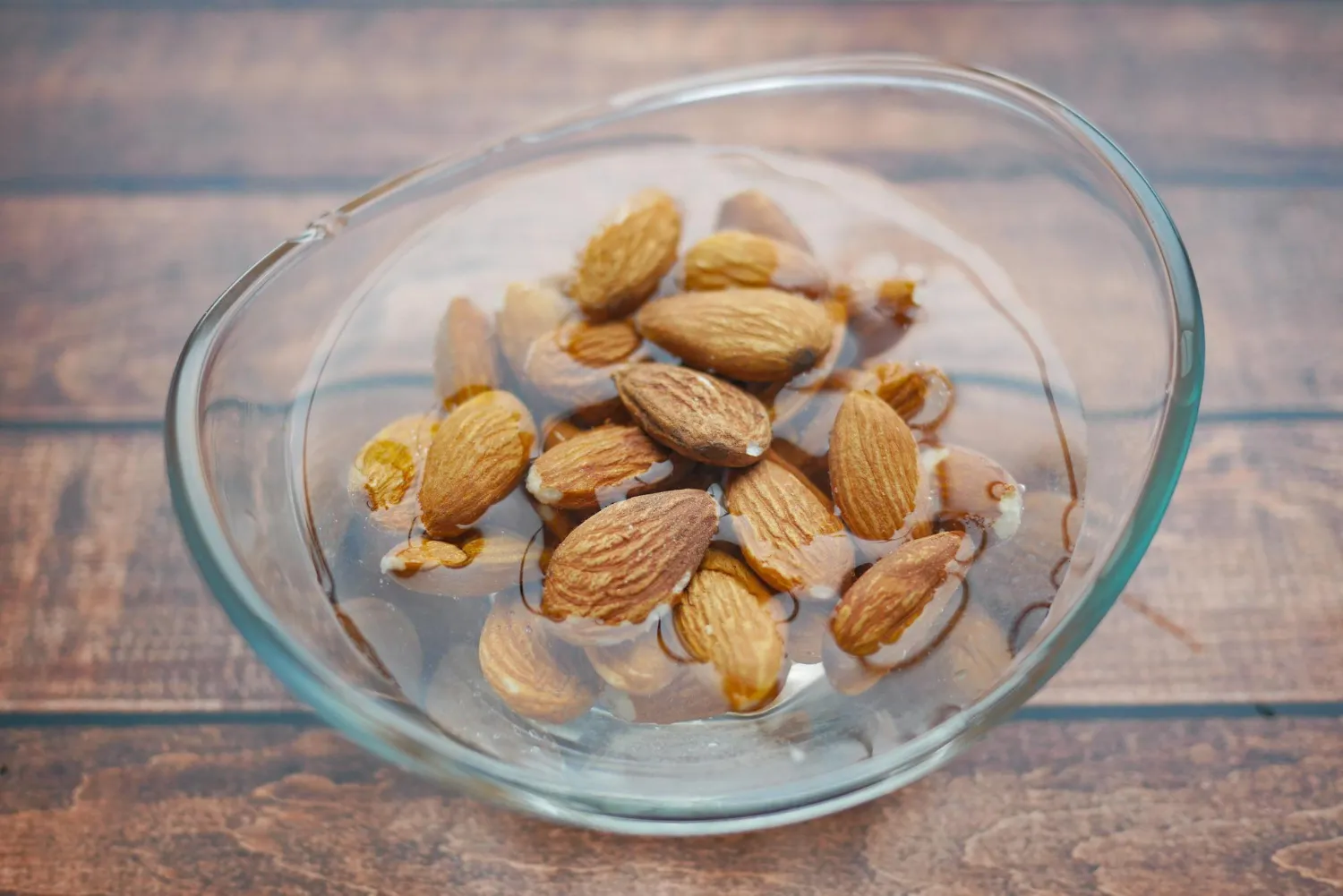
How to Eat Soaked Almonds Daily for Best Results
Soaked almonds pack more nutrition than raw ones. Here's exactly how to eat them daily — the right time, quantity, and simple habits that actually work.
How to Feed Goats During Monsoon Season
Monsoon changes everything for goat farmers. Learn exactly what to feed your goats during the rainy season to keep them healthy, productive, and disease-free.

Best Feed for Goats in Summer Heat
Struggling to keep your goats healthy in hot weather? Discover the best summer feed for goats to maintain weight, milk, and energy when temperatures soar.

Goat Milk for Lactose Intolerance: Does It Help?
Think goat milk is lactose-free? It's not — but it may still be easier to digest. Here's what the science actually says about goat milk and lactose intolerance.
Is Goat Meat Good for Weight Loss?
Wondering if goat meat fits into a weight loss diet? Here's what its nutrition profile really means for your goals — no fluff, just facts.

Goat Milk vs Cow Milk: Which Is Better for You?
Goat milk vs cow milk — which should you choose? Compare nutrition, digestion, taste, and health benefits to find the best fit for your diet.
Frequently Asked Questions
⚕️ Medical Disclaimer
This article is for informational and educational purposes only and is not a substitute for professional medical advice, diagnosis, or treatment. Always consult a qualified healthcare provider with any questions about a medical condition. Read full disclaimer.
Editorial note: This article was researched and written with the assistance of AI tools and reviewed by the Nutrikoo editorial team for accuracy and clarity. It is for general information only and is not medical advice. See our editorial policy.
Get healthy tips in your inbox
Join the Nutrikoo newsletter for science-backed nutrition, recipes and wellness — no spam, unsubscribe anytime.