
Is Ashwagandha Good for Stress? Here's the Truth

By A Reza, Health & Nutrition Writer
12 June 2026 · 7 min read · 0 views
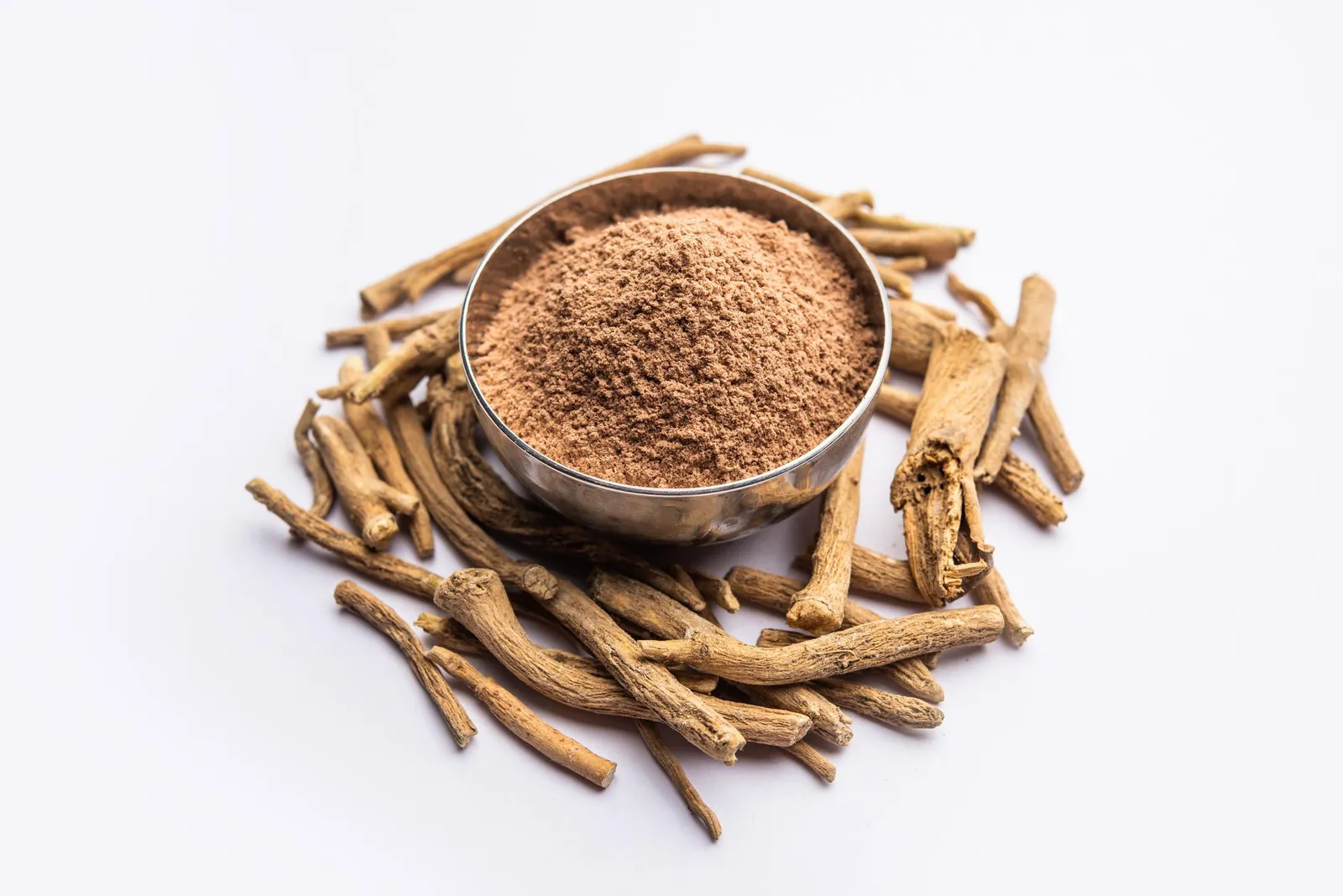
Ashwagandha is one of Ayurveda's most studied herbs for stress relief. But does it actually work? Here's what the science and tradition say.
Is Ashwagandha Good for Stress? Here's the Truth
Ashwagandha has been sitting in Ayurvedic medicine cabinets for over 3,000 years. These days, it's also sitting in supplement aisles from Mumbai to Manchester, marketed as a fix for everything from burnout to brain fog. But is the hype around ashwagandha for stress actually backed by something real — or is it just ancient tradition dressed up in modern packaging?
The honest answer is: more than most herbs, yes. Let's break down what it actually does, how it compares to other popular approaches, and when it might not be the right fit for you.
What Is Ashwagandha, Exactly?
Withania somnifera — known commonly as ashwagandha, or Indian winter cherry — is a small shrub native to India and North Africa. The root is the part most commonly used in supplements. Its name in Sanskrit loosely translates to "smell of horse," which is... not the most glamorous branding, but there you go.
In Ayurveda, it's classified as a rasayana — a rejuvenating herb meant to support vitality and longevity. In modern functional medicine, it's called an adaptogen: a compound that helps the body adapt to physical and psychological stress rather than just masking symptoms.
How Ashwagandha Works on Stress
When you're stressed, your adrenal glands pump out cortisol — the body's main stress hormone. Short bursts of cortisol are fine, even helpful. But chronic stress means chronically elevated cortisol, and that's where things start going sideways: disrupted sleep, anxiety, weight gain, weakened immunity, and general depletion.
Ashwagandha appears to work primarily by modulating the HPA axis — the hypothalamus-pituitary-adrenal system that controls your stress response. The active compounds, called withanolides, seem to help bring cortisol levels back toward a normal range rather than artificially suppressing them.
Several well-designed human trials have found that people taking standardised ashwagandha root extract reported meaningfully lower perceived stress scores, better sleep quality, and reduced serum cortisol compared to those on a placebo. The effect isn't dramatic after one day — but over 60 to 90 days, the cumulative shift is real.
Ashwagandha vs. Other Popular Stress Remedies
This is where a comparison is genuinely useful, because ashwagandha doesn't exist in a vacuum.
Ashwagandha vs. Magnesium
Magnesium works differently. It's involved in hundreds of enzyme reactions, including those that regulate the nervous system. Many people are mildly deficient in it, especially those eating heavily processed diets, and that deficiency can look like anxiety, muscle tension, and poor sleep. If you're curious about magnesium for anxiety, it's genuinely worth exploring — especially if your stress has a physical tension component.
Ashwagandha, by contrast, isn't correcting a deficiency. It's acting more like a hormonal thermostat. The two can be complementary rather than competing.
Ashwagandha vs. Herbal Teas
Teas like tulsi (Ocimum tenuiflorum), chamomile, and lemon balm offer a calmer, more immediate ritual-based relief — that 10-minute cup of warmth can genuinely calm the nervous system. Ashwagandha doesn't give you an immediate "ahh" moment. It's a slow burn. Think of herbal tea as changing the weather for an afternoon; ashwagandha is more like gradually adjusting the climate. If you want to explore the tea side of things, herbal tea for stress and anxiety relief covers the options well.
Ashwagandha vs. Dietary Changes
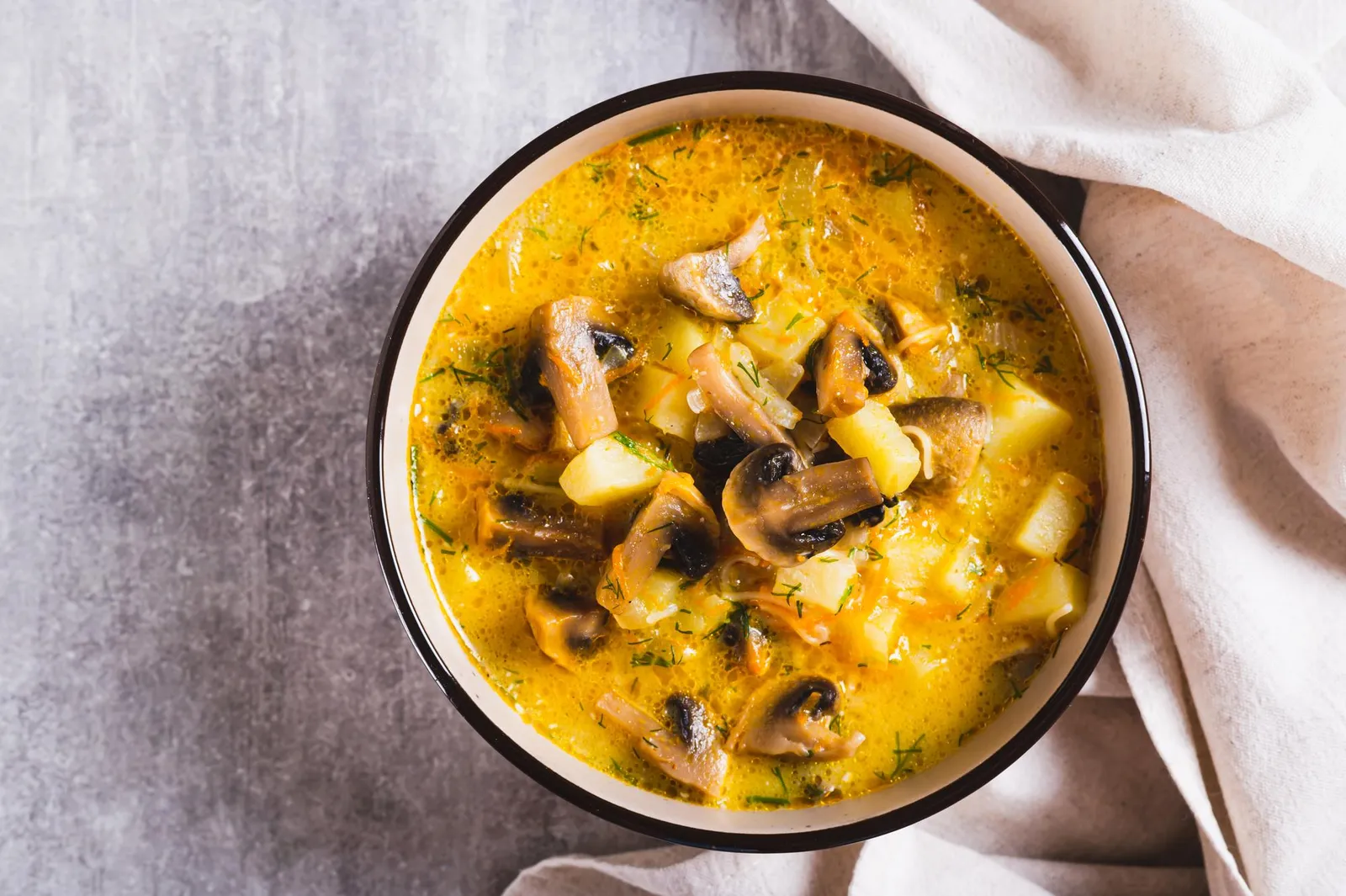
Food choices matter too. Certain nutrients — B vitamins, omega-3s, antioxidants — directly affect how the brain handles stress. Our guide on the best foods to eat when stressed gives practical direction here. Ashwagandha is not a substitute for eating well. It works better when your foundation is already decent.
What the Research Actually Shows
To be clear: the research on ashwagandha is more robust than for most adaptogens, but it's not the same level of certainty as, say, blood pressure medications. Most studies use standardised extracts like KSM-66 or Sensoril at doses of 300–600 mg daily for 8–12 weeks. Results consistently show:
- Reduced self-reported stress and anxiety
- Lower morning cortisol in some studies
- Improved sleep onset and quality
- Modest improvements in focus and memory under stress
What we don't have is decades of large-scale longitudinal data. So yes, the signal is promising — but approach with realistic expectations.
Who Might Benefit Most
Ashwagandha seems most useful for people dealing with chronic, low-grade stress — the kind that comes from sustained work pressure, caregiving responsibilities, or long-term life upheaval. If your stress is situational and short-term, a walk, a good meal, or even dark chocolate (yes, really) might serve you just as well.
It also tends to be more relevant for people who notice their sleep suffering alongside their stress. Several trials specifically show improvements in sleep quality — likely because lowering cortisol in the evening helps the body settle into rest mode.
Dosage and How to Take It
Most research-backed doses fall between 300 mg and 600 mg of a standardised full-spectrum root extract, taken once or twice daily. Capsules are the easiest form; powder can be stirred into warm milk (the traditional Indian preparation is called ashwagandha doodh), but it has a distinctly earthy, slightly bitter taste that takes getting used to.
A few practical notes:
- Consistency matters more than timing. Morning or evening both work; some people find evening dosing improves sleep more directly.
- Give it at least 6–8 weeks before judging whether it's working for you.
- Look for standardised extracts — products listing withanolide content (typically 5%) tend to be more reliable than generic "ashwagandha powder."
When to Be Cautious
Ashwagandha is well-tolerated for most healthy adults, but it's not for everyone. People who should pause or consult a doctor first:
- Pregnant or breastfeeding women — not enough safety data
- People with autoimmune conditions like lupus or rheumatoid arthritis — ashwagandha stimulates immune activity, which may be counterproductive
- Those on thyroid medication — it can influence thyroid hormone levels
- Anyone taking sedatives or immunosuppressants — potential interactions exist
Rare cases of liver-related side effects have been reported, though causality isn't fully established. Sticking to recommended doses and cycling off every few months is a sensible approach.
Latest Articles
How to Eat Soaked Almonds Daily for Best Results
Soaked almonds pack more nutrition than raw ones. Here's exactly how to eat them daily — the right time, quantity, and simple habits that actually work.

How to Feed Goats During Monsoon Season
Monsoon changes everything for goat farmers. Learn exactly what to feed your goats during the rainy season to keep them healthy, productive, and disease-free.

Best Feed for Goats in Summer Heat
Struggling to keep your goats healthy in hot weather? Discover the best summer feed for goats to maintain weight, milk, and energy when temperatures soar.

Goat Milk for Lactose Intolerance: Does It Help?
Think goat milk is lactose-free? It's not — but it may still be easier to digest. Here's what the science actually says about goat milk and lactose intolerance.
Is Goat Meat Good for Weight Loss?
Wondering if goat meat fits into a weight loss diet? Here's what its nutrition profile really means for your goals — no fluff, just facts.

Goat Milk vs Cow Milk: Which Is Better for You?
Goat milk vs cow milk — which should you choose? Compare nutrition, digestion, taste, and health benefits to find the best fit for your diet.
Frequently Asked Questions
⚕️ Medical Disclaimer
This article is for informational and educational purposes only and is not a substitute for professional medical advice, diagnosis, or treatment. Always consult a qualified healthcare provider with any questions about a medical condition. Read full disclaimer.
Editorial note: This article was researched and written with the assistance of AI tools and reviewed by the Nutrikoo editorial team for accuracy and clarity. It is for general information only and is not medical advice. See our editorial policy.
Get healthy tips in your inbox
Join the Nutrikoo newsletter for science-backed nutrition, recipes and wellness — no spam, unsubscribe anytime.