
Chamomile Tea for Stress Relief: Does It Work?

By A Reza, Health & Nutrition Writer
12 June 2026 · 7 min read · 1 views
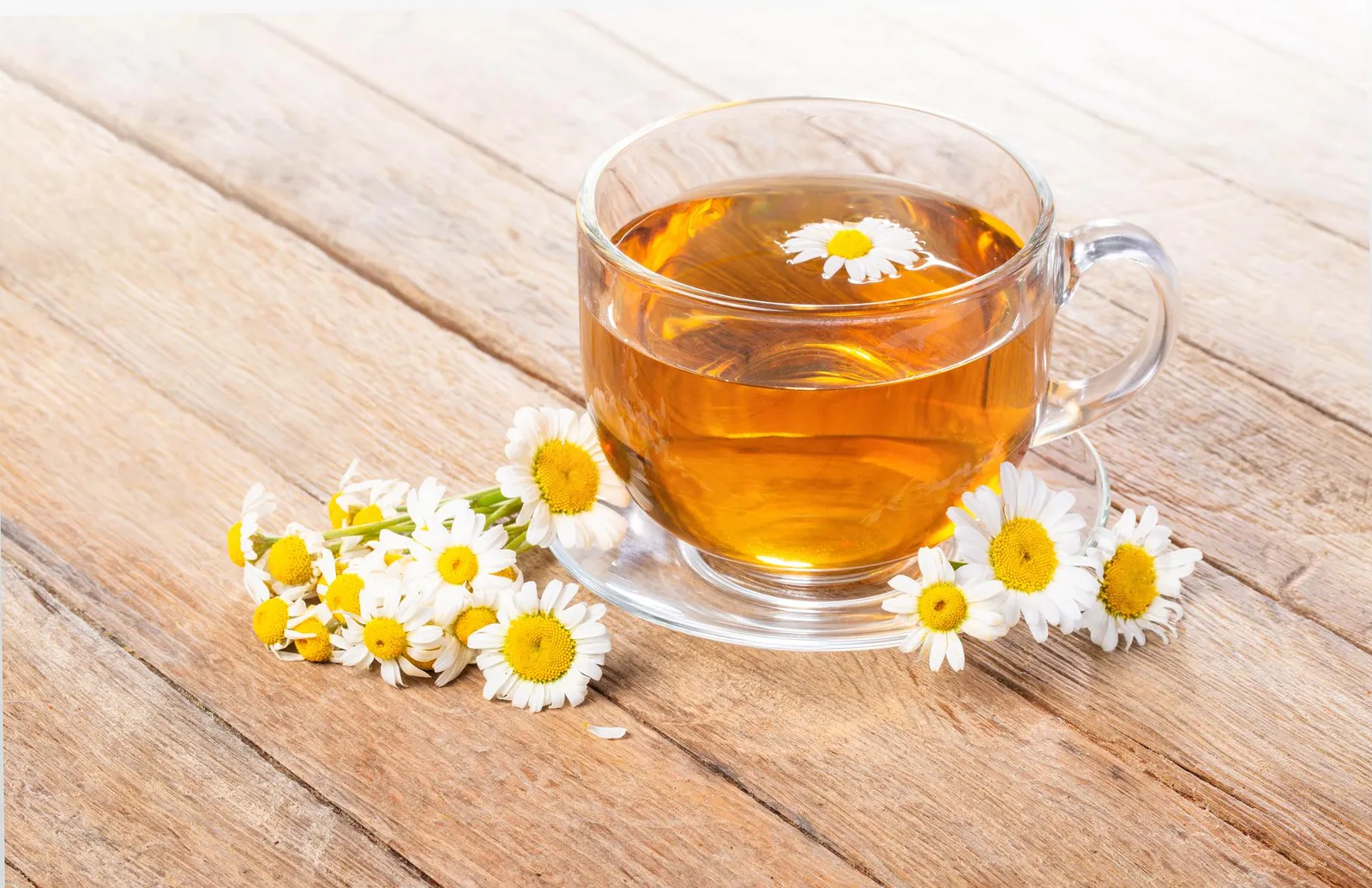
Can a simple cup of chamomile tea really calm your nerves? Explore the science, benefits, and best ways to use chamomile tea for stress relief.
Chamomile Tea for Stress Relief: Does It Work?
There's something quietly reassuring about wrapping your hands around a warm mug of chamomile tea. The faint apple-honey scent, the pale golden colour — even before you take a sip, something in you starts to unwind. But is that just a cosy ritual doing the work, or is there real science behind chamomile's reputation as a stress-buster?
Let's dig in honestly.
What Is Chamomile, and Why Is It Associated With Calm?
Chamomile (Matricaria chamomilla, also called German chamomile) is a flowering herb that has been used in traditional medicine for thousands of years — across ancient Egypt, Greece, and India. The dried flowers are steeped in hot water to make an herbal infusion that is naturally caffeine-free.
That last bit matters. When you're already anxious, the last thing you need is more caffeine firing up your nervous system. Chamomile sidesteps that problem entirely.
The key player here is a compound called apigenin — a flavonoid that binds to benzodiazepine receptors in the brain. Those are the same receptors targeted by anti-anxiety medications like diazepam, though chamomile's effect is far gentler. Think of it less as a sedative and more as a signal to your nervous system that it's okay to ease off.
Does Chamomile Tea Actually Reduce Stress and Anxiety?
This is the real question. And the honest answer is: it can help, but it's not a cure-all.
Several human clinical trials — including studies on people with generalised anxiety disorder (GAD) — have found that chamomile extract significantly reduced anxiety symptoms over time. One long-term study found that people who took chamomile supplements had fewer relapses of anxiety symptoms after discontinuing treatment compared to a placebo group. That's meaningful.
For everyday stress (a tough week at work, exam pressure, a sleepless night of overthinking), chamomile tea is a reasonable, low-risk tool. It won't solve structural problems in your life, but it can take the edge off — and that's worth something.
If you're exploring other approaches alongside chamomile, herbal tea for stress and anxiety relief covers a wider range of options worth considering.
How Does Chamomile Tea Help With Sleep?
Stress and poor sleep are practically roommates — one usually drags the other in. Chamomile tea has a long-standing reputation as a sleep aid, and it earns that reputation partly through the same apigenin pathway that calms anxiety.
Apigenin appears to have a mild sedative effect that can make falling asleep easier, particularly if racing thoughts are the problem. It's not as powerful as melatonin supplements, but it's also not going to leave you groggy the next morning.
A warm cup about 30–45 minutes before bed is a simple habit that many people swear by — and the ritual itself (stepping away from screens, sitting quietly, doing something slow and deliberate) reinforces the wind-down signal your brain needs.
For those who want to compare how different approaches affect sleep, does cocoa help with sleep is an interesting read that looks at another popular evening drink.
What's the Best Way to Brew Chamomile Tea?
Getting the most out of chamomile is less about technique and more about patience. A few practical tips:
- Use loose dried chamomile flowers or a quality tea bag. Loose flowers generally give a stronger infusion.
- Water temperature: Just off the boil — around 90–95°C. Boiling water can destroy some of the delicate aromatic compounds.
- Steep time: 5–10 minutes, covered. Covering the mug traps the volatile oils (including apigenin-rich compounds) that would otherwise evaporate.
- Add a little honey if you find the flavour too mild. Avoid adding milk — it can mute the beneficial polyphenols.
If you're curious about how homemade herbal brews compare to shop-bought options, fresh brewed tea vs bottled tea makes a convincing case for the cup you make yourself.
How Much Should You Drink, and When?
There's no single "correct" dose, but most people find 1–3 cups a day to be effective and well-tolerated. Some key timing ideas:
- Midday cup — to reduce afternoon tension without disrupting sleep
- Evening cup — 30–45 minutes before bed as part of a wind-down routine
- When you feel a stress spike — before a difficult conversation, an exam, or anything you're dreading
One or two cups a day is a sweet spot for most people. More than that rarely adds extra benefit and can occasionally cause mild stomach upset in sensitive individuals.
Are There Any Side Effects or Situations to Be Careful About?
Chamomile is very well-tolerated by most people, but a few things are worth knowing:
- Allergies: Chamomile belongs to the Asteraceae family — the same plant family as ragweed, daisies, and chrysanthemums. If you have known allergies to these plants, approach chamomile carefully or speak to a doctor first.
- Pregnancy: High amounts of chamomile have historically been associated with uterine contractions. Pregnant women are generally advised to avoid large quantities.
- Blood thinners: Chamomile has mild anticoagulant properties. If you're on warfarin or similar medications, check with your doctor before making it a daily habit.
- Medication interactions: Because apigenin works on the same brain receptors as certain sedatives, combining chamomile with prescription anti-anxiety drugs or sleep medications is worth discussing with a healthcare professional.
For the vast majority of healthy adults, a cup or two of chamomile tea is about as low-risk as it gets.
How Does Chamomile Compare to Other Natural Stress Remedies?
Chamomile isn't the only herbal option out there, and it works differently from supplements like ashwagandha or minerals like magnesium.
Ashwagandha works primarily by modulating cortisol (the body's main stress hormone), which makes it better suited for chronic, sustained stress — the kind that builds up over weeks and months. Chamomile, by contrast, acts faster but more gently. Think of chamomile as a daily calming ritual and ashwagandha as a longer-term adaptogenic strategy, if you're considering both.
Magnesium for anxiety works differently again — it plays a role in regulating the nervous system at a cellular level, and deficiency is surprisingly common in people with anxiety. These approaches aren't mutually exclusive.
And of course, what you eat overall matters too. Pairing a stress-reduction practice with the best foods to eat when stressed gives your body the nutrients it needs to manage that stress response properly.
Latest Articles
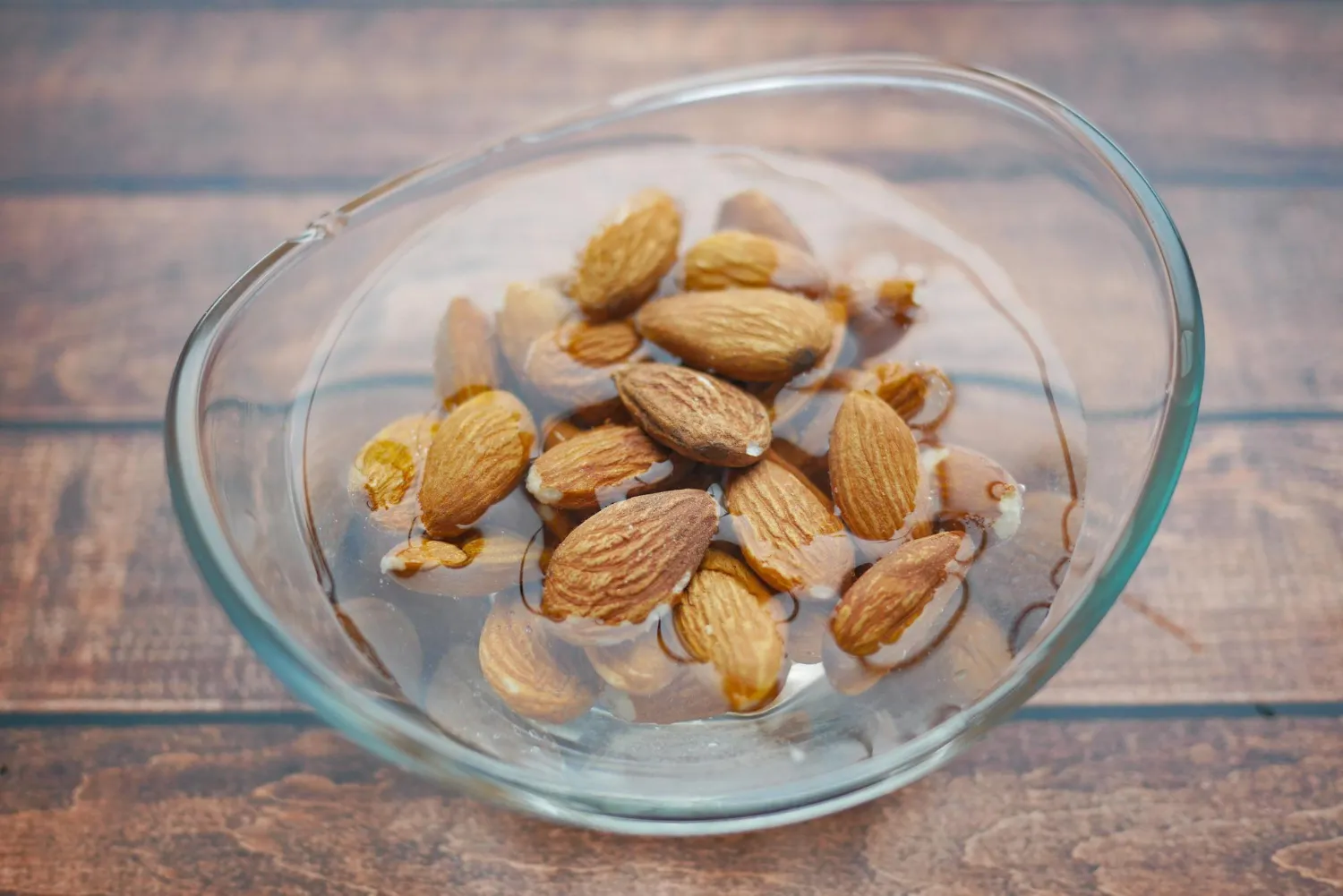
How to Eat Soaked Almonds Daily for Best Results
Soaked almonds pack more nutrition than raw ones. Here's exactly how to eat them daily — the right time, quantity, and simple habits that actually work.

How to Feed Goats During Monsoon Season
Monsoon changes everything for goat farmers. Learn exactly what to feed your goats during the rainy season to keep them healthy, productive, and disease-free.

Best Feed for Goats in Summer Heat
Struggling to keep your goats healthy in hot weather? Discover the best summer feed for goats to maintain weight, milk, and energy when temperatures soar.

Goat Milk for Lactose Intolerance: Does It Help?
Think goat milk is lactose-free? It's not — but it may still be easier to digest. Here's what the science actually says about goat milk and lactose intolerance.

Is Goat Meat Good for Weight Loss?
Wondering if goat meat fits into a weight loss diet? Here's what its nutrition profile really means for your goals — no fluff, just facts.

Goat Milk vs Cow Milk: Which Is Better for You?
Goat milk vs cow milk — which should you choose? Compare nutrition, digestion, taste, and health benefits to find the best fit for your diet.
Frequently Asked Questions
⚕️ Medical Disclaimer
This article is for informational and educational purposes only and is not a substitute for professional medical advice, diagnosis, or treatment. Always consult a qualified healthcare provider with any questions about a medical condition. Read full disclaimer.
Get healthy tips in your inbox
Join the Nutrikoo newsletter for science-backed nutrition, recipes and wellness — no spam, unsubscribe anytime.