
Tinda Sabzi Benefits: Nutrition Facts & Health Perks

By A Reza, Health & Nutrition Writer
12 June 2026 · 6 min read · 0 views
Think tinda is just bland filler? Think again. Discover the real nutrition facts and surprising health benefits of tinda sabzi you didn't know about.
Tinda Sabzi Benefits: Nutrition Facts & Health Perks
Here's a myth many Indian home cooks quietly believe: tinda is nutritionally worthless. Just water and bland flesh, cooked only because grandma insists or because the sabziwala pushed it on a slow Tuesday. People reach past it at the market, choosing flashier vegetables like spinach or broccoli instead.
That's a real shame — because tinda, the humble round gourd (Praecitrullus fistulosus), is quietly one of the most practical, body-friendly vegetables you can eat, especially during Indian summers.
What Exactly Is Tinda?
Tinda is a small, round, pale-green gourd native to the Indian subcontinent. It's called apple gourd or Indian round gourd in English, though most people outside India won't recognise those names either. It's harvested young and soft, with a mild flavour that absorbs spices beautifully — which is partly why it's such a staple sabzi from Punjab to Rajasthan.
It belongs to the cucurbit family, the same botanical group as cucumber, lauki, and ridge gourd. If you've ever appreciated lauki sabzi for its weight-loss friendly profile, tinda deserves equal attention.
Tinda Nutrition Facts (Per 100g, Raw)
Don't let the mild taste fool you. Tinda packs a sensible nutritional profile for a low-calorie vegetable:
- Calories: approximately 21 kcal
- Water: around 92–94%
- Carbohydrates: ~4.5g
- Dietary fibre: ~1.6g
- Protein: ~1.4g
- Fat: ~0.1g
- Vitamin C: a useful amount, contributing to daily needs
- B vitamins: including B1 (thiamine) and B2 (riboflavin)
- Minerals: potassium, magnesium, calcium, and small amounts of iron
It won't win a protein competition with paneer, obviously. But as a vegetable side dish — something to bulk out a meal, provide micronutrients, and support hydration — it does the job quietly and well.
Real Health Benefits of Tinda Sabzi
Keeps You Hydrated in the Heat
With roughly 93% water content, tinda is essentially a hydrating vegetable. Eating it as a sabzi during Indian summers supplements your fluid intake in a way that complements plain water. Your body doesn't just need fluids — it needs them alongside electrolytes like potassium, and tinda provides both. Think of it like a slow-release hydration snack, cooked into your lunch.
Supports Healthy Digestion
Tinda's dietary fibre helps keep things moving through the gut. It's not a fibre powerhouse by any stretch, but it contributes meaningfully when you eat it regularly. The soft, easily digestible texture also makes it suitable for people with sensitive stomachs, recovering from illness, or managing acidity.
Much like ridge gourd curry, which is well-regarded for digestive support, tinda sabzi is a gentle choice for anyone whose gut needs a break from heavier, richer foods.

Helpful for Weight Management
At around 21 calories per 100g and very low fat content, tinda lets you eat a generous portion without significantly adding to your calorie count. Its fibre and water content together create a satisfying bulk in the stomach. If you're trying to reduce overall calorie intake without eating tiny, unsatisfying meals, building sabzis around vegetables like tinda is a sensible approach.
May Support Blood Pressure Balance
Potassium works in the body to counterbalance sodium's effects on blood pressure. Tinda contains a reasonable amount of potassium for a vegetable in its calorie range. Eating potassium-rich vegetables regularly, as part of a balanced diet, is consistently linked to healthier blood pressure levels. This doesn't mean tinda is a medicine — but in the context of a well-rounded diet, it contributes.
Easy on the Kidneys
Tinda's high water content and relatively low oxalate load make it a vegetable that's generally considered kidney-friendly. People who need to watch their kidney health are often advised to focus on low-oxalate, hydrating vegetables — tinda fits that description well.
A Mild Anti-Inflammatory Vegetable
Tinda contains antioxidants including vitamin C and small amounts of flavonoids. These compounds help the body manage oxidative stress, which is associated with chronic low-grade inflammation. The effects aren't dramatic, but consistent vegetable intake — tinda included — is one of the dietary foundations of reducing inflammation over time, much the way that varied, plant-rich diets support immunity across the board. If you're interested in how other vegetables support the immune system, mushroom curry's immune benefits make for an interesting comparison.
Blood Sugar Friendly
Tinda has a low glycaemic impact due to its fibre content and minimal simple sugars. This makes it a reasonable vegetable choice for people managing blood sugar levels. It won't replace medical management of diabetes, but including low-GI vegetables in daily meals is a practical dietary strategy. If managing blood sugar is a priority, you might also want to read about karela sabzi's role in blood sugar control — a more potent option for this specific goal.
How to Get the Most from Tinda Sabzi
A few simple choices can make a real difference in how nutritious your tinda sabzi ends up:
- Don't overcook it. Tinda turns mushy quickly, and excessive heat destroys some of its vitamin C content. Cook it until just tender.
- Keep the skin on. The skin contains fibre and micronutrients. Peeling it too thick wastes nutritional value.
- Go light on oil. Tinda's nutritional advantages get partly offset if it's cooked in excessive ghee or oil. A tablespoon is enough.
- Add tomatoes or lemon. The acidity boosts the availability of iron from the vegetable and brightens the flavour without extra calories.
- Pair it with dal or roti. Tinda sabzi as part of a balanced meal with protein and whole grains is far more effective nutritionally than eating it alone.
Who Should Eat Tinda Regularly?
Honestly, most people. But it's particularly well-suited to:
- Those managing weight who want filling, low-calorie vegetables
- Anyone dealing with digestive issues or recovering from stomach problems
- People eating for blood pressure or kidney health
- Anyone trying to stay cool and hydrated during summer
- Children who need mild-tasting, easy-to-digest vegetables
Latest Articles
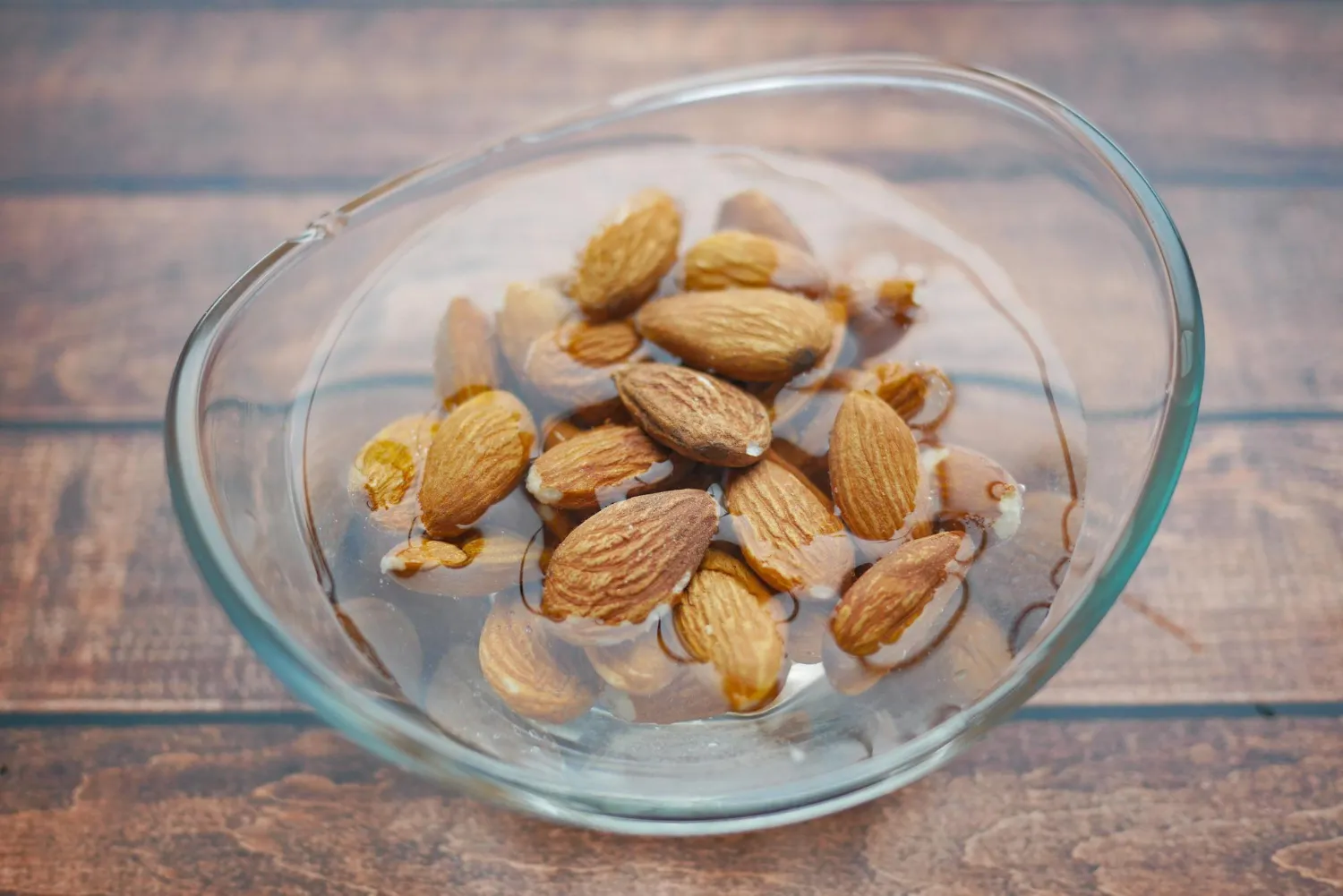
How to Eat Soaked Almonds Daily for Best Results
Soaked almonds pack more nutrition than raw ones. Here's exactly how to eat them daily — the right time, quantity, and simple habits that actually work.

How to Feed Goats During Monsoon Season
Monsoon changes everything for goat farmers. Learn exactly what to feed your goats during the rainy season to keep them healthy, productive, and disease-free.

Best Feed for Goats in Summer Heat
Struggling to keep your goats healthy in hot weather? Discover the best summer feed for goats to maintain weight, milk, and energy when temperatures soar.

Goat Milk for Lactose Intolerance: Does It Help?
Think goat milk is lactose-free? It's not — but it may still be easier to digest. Here's what the science actually says about goat milk and lactose intolerance.
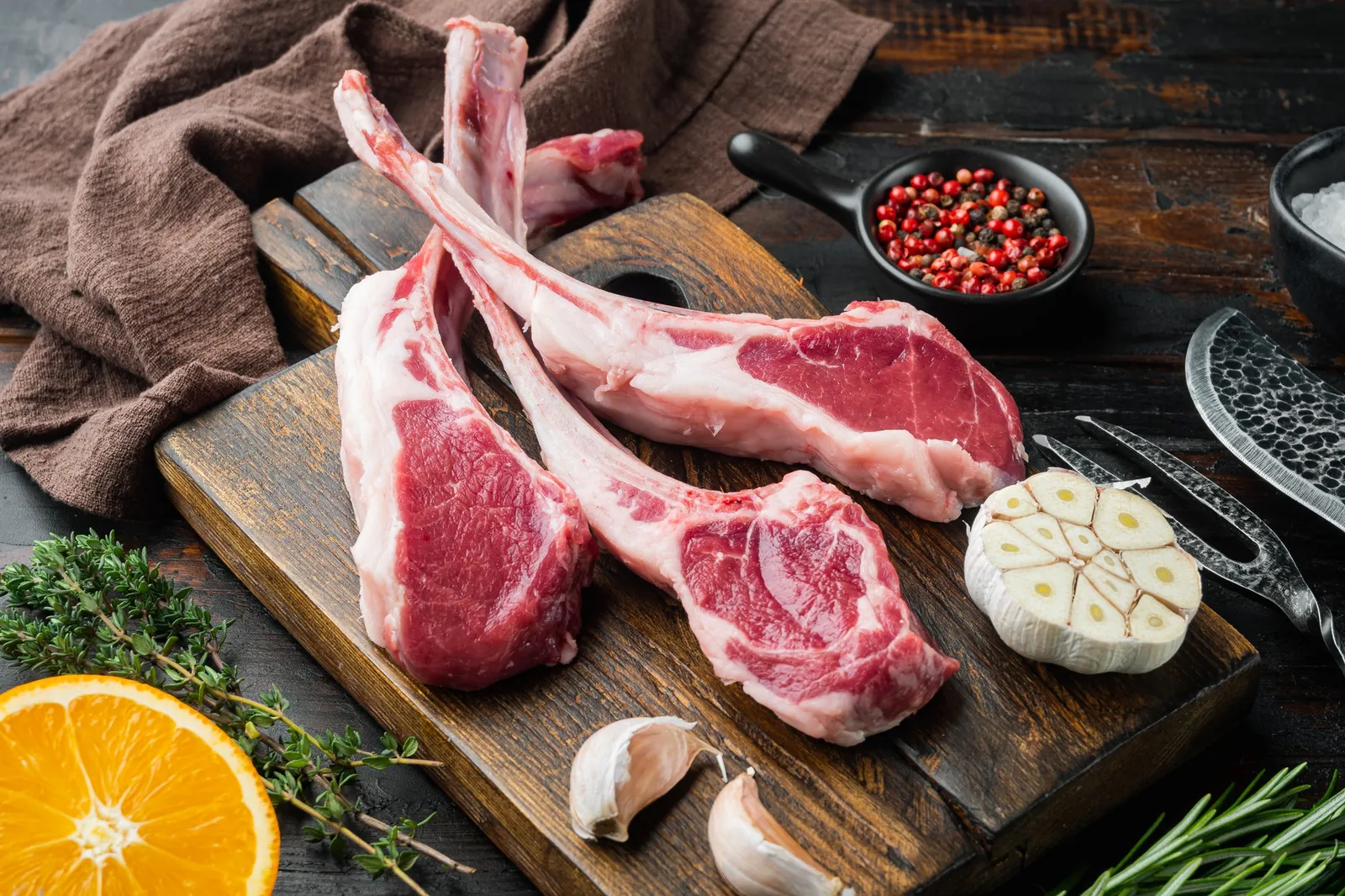
Is Goat Meat Good for Weight Loss?
Wondering if goat meat fits into a weight loss diet? Here's what its nutrition profile really means for your goals — no fluff, just facts.

Goat Milk vs Cow Milk: Which Is Better for You?
Goat milk vs cow milk — which should you choose? Compare nutrition, digestion, taste, and health benefits to find the best fit for your diet.
Frequently Asked Questions
⚕️ Medical Disclaimer
This article is for informational and educational purposes only and is not a substitute for professional medical advice, diagnosis, or treatment. Always consult a qualified healthcare provider with any questions about a medical condition. Read full disclaimer.
Editorial note: This article was researched and written with the assistance of AI tools and reviewed by the Nutrikoo editorial team for accuracy and clarity. It is for general information only and is not medical advice. See our editorial policy.
Get healthy tips in your inbox
Join the Nutrikoo newsletter for science-backed nutrition, recipes and wellness — no spam, unsubscribe anytime.