

Meal Prep a Week of Healthy Indian Lunches in 2 Hours

By A Reza, Health & Nutrition Writer
7 June 2026 · 7 min read · 41 views
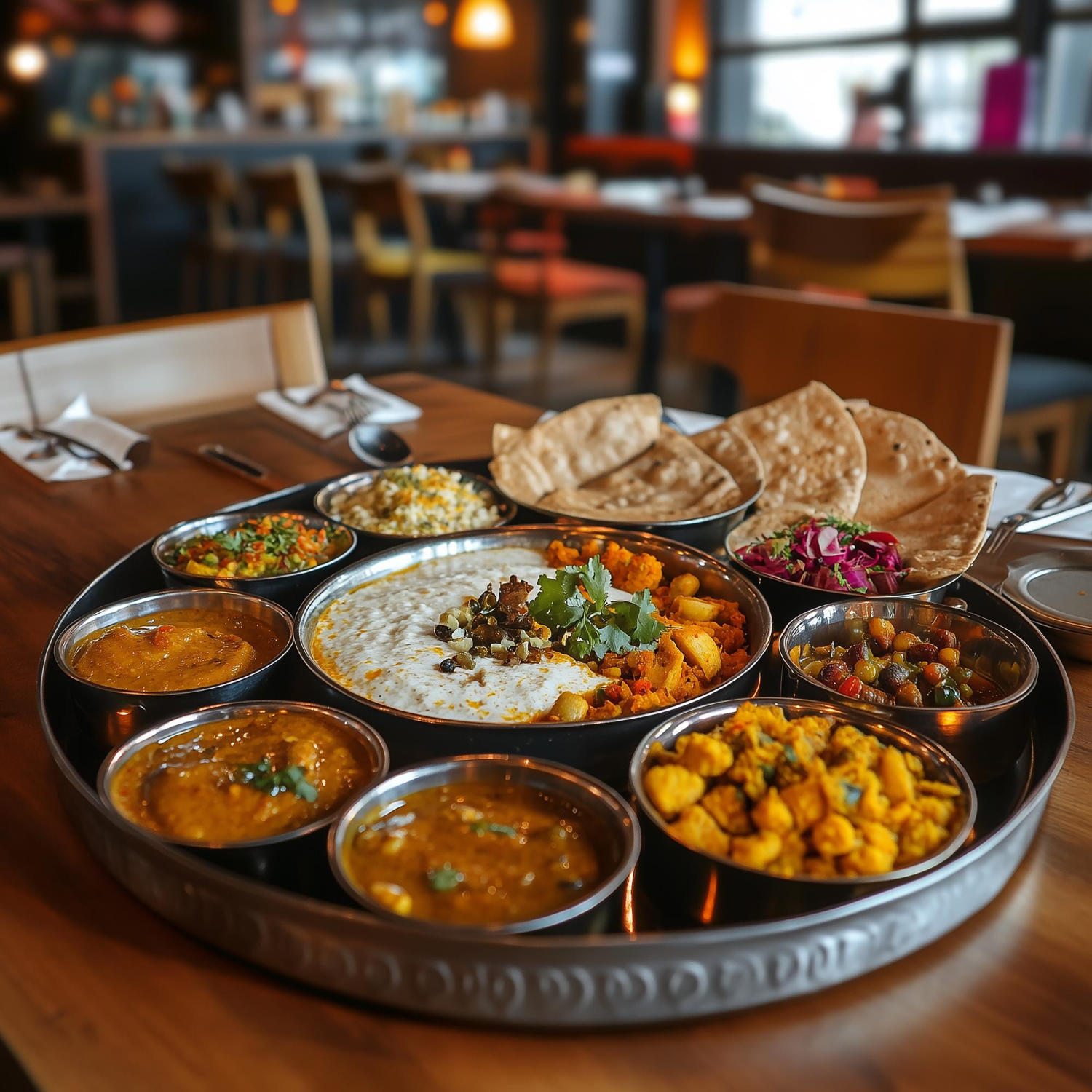
Learn how to meal prep a full week of healthy Indian lunches in just two hours — practical tips, smart recipes, and an easy step-by-step plan.
Meal Prep a Week of Healthy Indian Lunches in 2 Hours
Sunday afternoon, two hours, five lunches sorted. That is the deal on the table.
If you have been ordering food during the week because cooking feels impossible after a long morning, or opening the fridge at noon and staring blankly at a cabbage, this guide is for you. Indian food has a reputation for being elaborate, and sometimes it genuinely is. But a lot of everyday Indian cooking — dal, sabzi, rice, chapati — is actually built for batch cooking. You just need a system.
Here is exactly how to do it.
Why Indian Food Works So Well for Meal Prep
Indian meals are naturally modular. You cook a dal, a dry sabzi, and a grain, then mix and match across the week. Flavour actually deepens overnight as spices settle in. A chana masala on Monday tastes even better on Wednesday. Dal travels well in a box, reheats in two minutes, and pairs with almost anything.
The only things that do not survive well are fresh rotis and raita. Everything else holds up for four to five days in the fridge without losing quality.
What You Need Before You Start
Getting your setup right saves more time than any cooking trick.
Equipment:
- One large pressure cooker or Instant Pot
- Two heavy-bottomed kadais or pans
- A rice cooker or a pot with a tight lid
- Five airtight containers (at least 500ml each) for meals
- Smaller containers for chutneys or sides
Pantry basics to have stocked:
- Lentils (masoor, chana, moong)
- Rice or a grain you like (millets work great too)
- One or two seasonal vegetables
- Basic spices: cumin, mustard seeds, turmeric, coriander powder, chilli powder, garam masala
- Onions, garlic, ginger, tomatoes
The Two-Hour Meal Prep Plan
Think of this as running four parallel processes, not four separate cooking sessions. The trick is timing — get things going that need the least attention first.
Step 1 (Minutes 0–10): Soak and Set On the Stove
Put your lentils on to cook immediately. If you have a pressure cooker, add one cup of masoor dal with two and a half cups of water and let it run. If you soaked chana or rajma the night before, this is when they go in.
Simultaneously, start your rice or grain. One and a half cups of rice with the absorption method takes about 20 minutes unattended. Set it and leave it.
Step 2 (Minutes 10–40): Prep Your Vegetables While Things Cook
Use this window to chop everything you need for the whole week. Chop two onions, roughly blitz a ginger-garlic paste, and cube your vegetables. Keep it to two vegetables — say, cauliflower for a gobi sabzi and spinach for a palak-based dish.
This parallel working is the key to finishing in two hours. You are not cooking one thing at a time; you are using every idle minute.
Step 3 (Minutes 40–80): Cook the Main Dishes


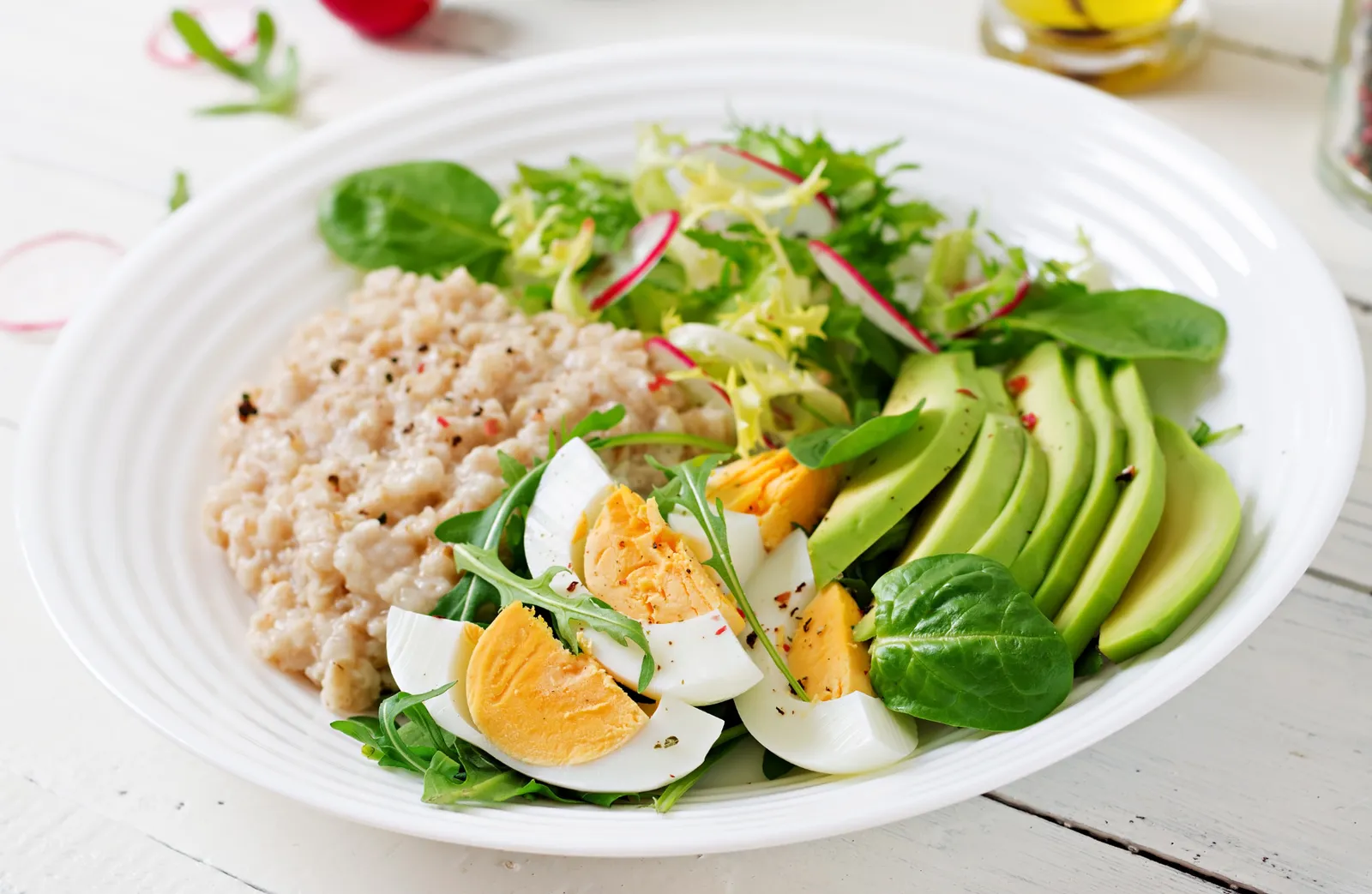
Now you have cooked dal, cooked rice, and prepped vegetables. Time to build your actual meals.
Meal 1 — Tadka Dal: Take your cooked masoor dal, add a tadka of cumin, hing, green chilli, chopped tomato, and turmeric. Simmer for five minutes. Done. This pairs with rice for two to three days.
Meal 2 — Dry Sabzi (Gobi or Aloo): Heat oil, add mustard seeds and curry leaves, toss in your vegetables with turmeric, coriander powder, and chilli. Cover and cook on low for 15 minutes. This goes beautifully with chapati or rice.
Meal 3 — Chana Masala or Rajma: If you soaked legumes overnight, blend or roughly chop one onion-tomato-spice base in the cooker and simmer for 20 minutes. Rich, filling, and it gets tastier by day three.
Meal 4 — One-Pot Khichdi or Pulao: Cook rice and moong dal together with vegetables, cumin, and a bay leaf. This takes 20 minutes in a pressure cooker and serves as its own complete meal — protein, carbs, and vegetables in one box.
Step 4 (Minutes 80–100): Pack and Cool
Let everything cool slightly before packing — hot food creates condensation, which makes things soggy by Wednesday. Portion into your containers. Label them if that helps you plan. Refrigerate.
For chapatis specifically: cook a small batch fresh every other evening. They take ten minutes, and a fresh roti is always better than a reheated one.
A Sample Week of Lunches
Here is what this actually looks like on a plate:
- Monday: Tadka dal + rice + a simple kachumber salad
- Tuesday: Chana masala + chapati (made fresh the night before)
- Wednesday: Gobi sabzi + rice + dal leftover
- Thursday: Khichdi with a side of pickle and yoghurt
- Friday: Rajma + rice (the Friday classic — you have earned it)
Tips That Actually Make a Difference
Batch your tadka base. Cook a big batch of onion-tomato-ginger-garlic masala on Sunday. Use portions of it across multiple dishes through the week.
Add greens at reheating, not during prep. Spinach and fresh coriander wilt badly over days. Stir them in when you reheat — it takes 30 seconds and makes the dish taste fresh.
Use a millet instead of rice one day. Foxtail millet or little millet cook in 20 minutes, hold well in the fridge, and add variety to the week without extra effort.
Keep one lunch flexible. Do not over-plan. One slot that you fill based on what looks good at the market mid-week keeps things from getting monotonous.
How to Store Indian Meal Prep Safely
Most cooked Indian food stays good in the refrigerator for four to five days when cooled properly and stored in airtight containers. Dal and curries can be frozen for up to a month — freeze flat in zip-lock bags to save space and thaw overnight.
Dry sabzis store for three to four days but do not freeze as well — the texture suffers. Cooked rice lasts three to four days in the fridge; always reheat it thoroughly before eating.
Latest Articles
How to Eat Soaked Almonds Daily for Best Results
Soaked almonds pack more nutrition than raw ones. Here's exactly how to eat them daily — the right time, quantity, and simple habits that actually work.
How to Feed Goats During Monsoon Season
Monsoon changes everything for goat farmers. Learn exactly what to feed your goats during the rainy season to keep them healthy, productive, and disease-free.
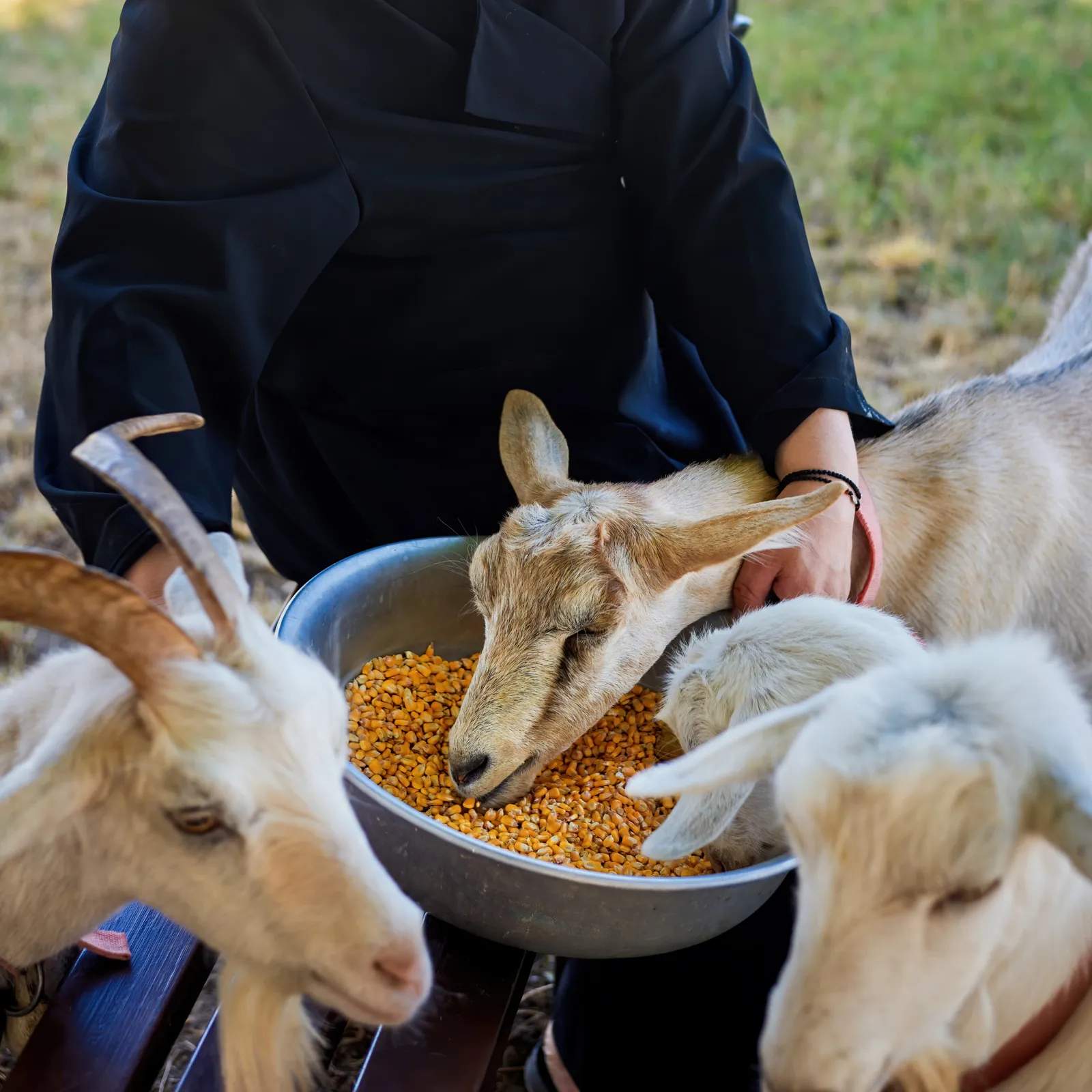
Best Feed for Goats in Summer Heat
Struggling to keep your goats healthy in hot weather? Discover the best summer feed for goats to maintain weight, milk, and energy when temperatures soar.
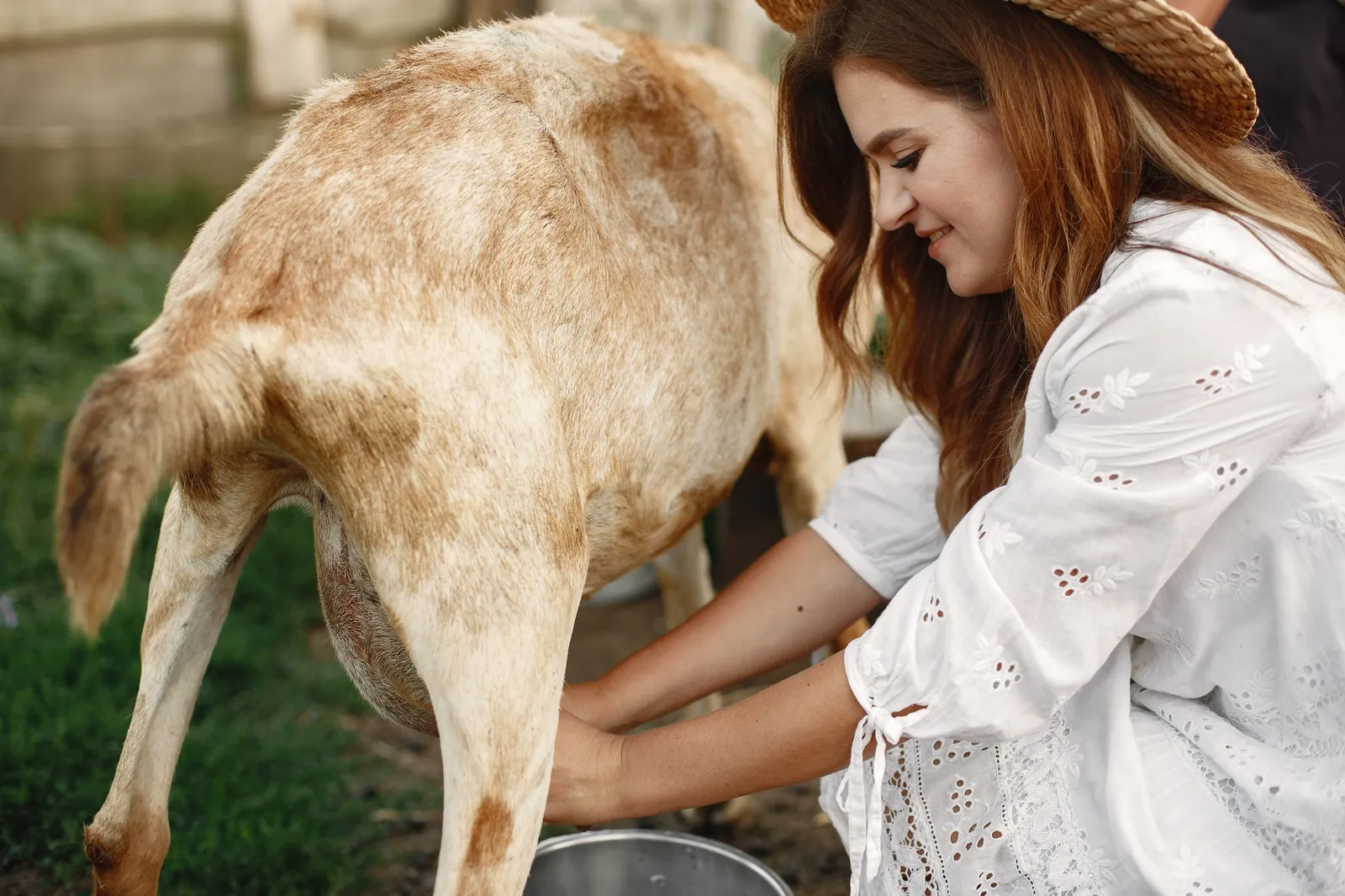
Goat Milk for Lactose Intolerance: Does It Help?
Think goat milk is lactose-free? It's not — but it may still be easier to digest. Here's what the science actually says about goat milk and lactose intolerance.
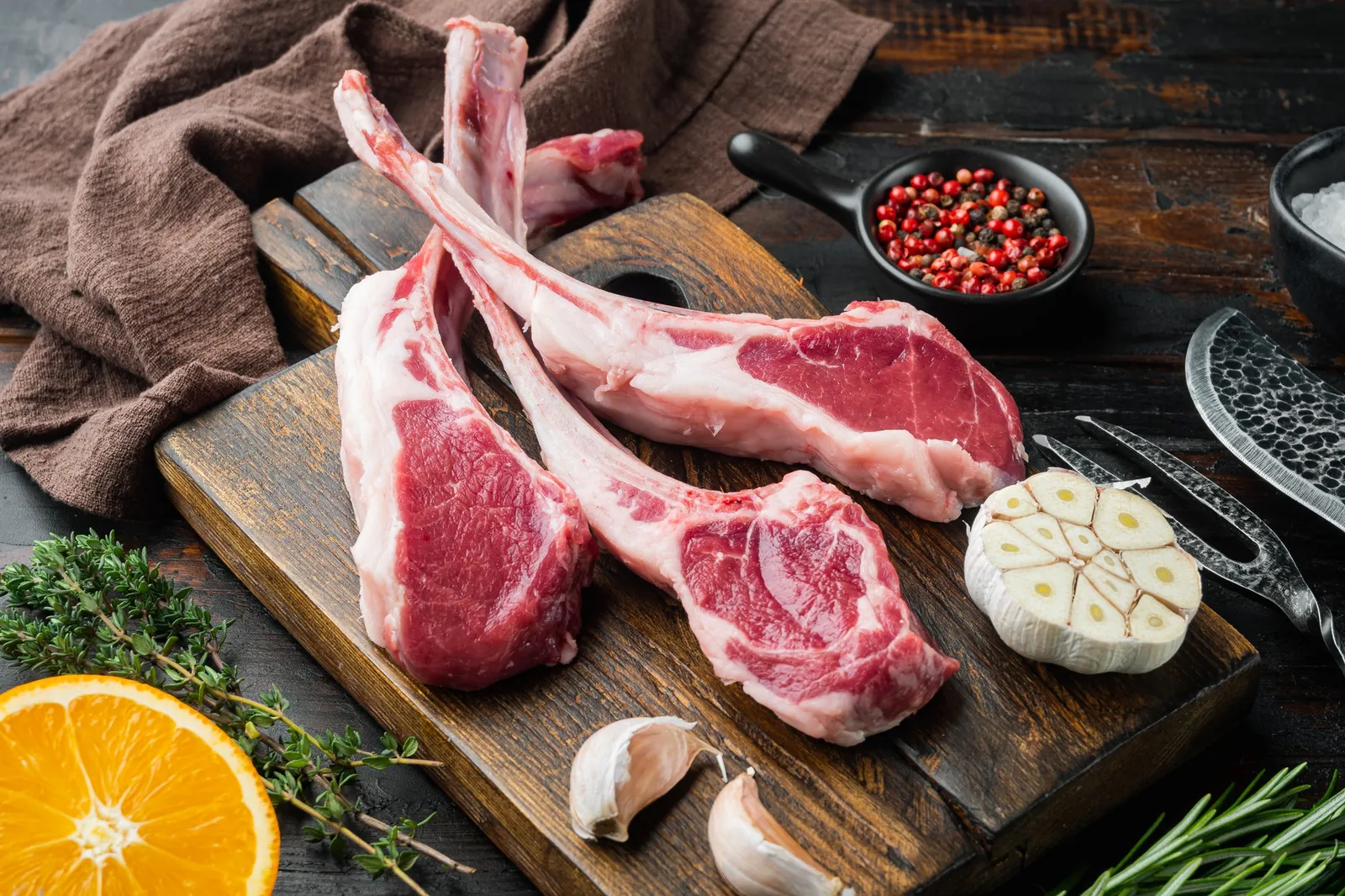
Is Goat Meat Good for Weight Loss?
Wondering if goat meat fits into a weight loss diet? Here's what its nutrition profile really means for your goals — no fluff, just facts.
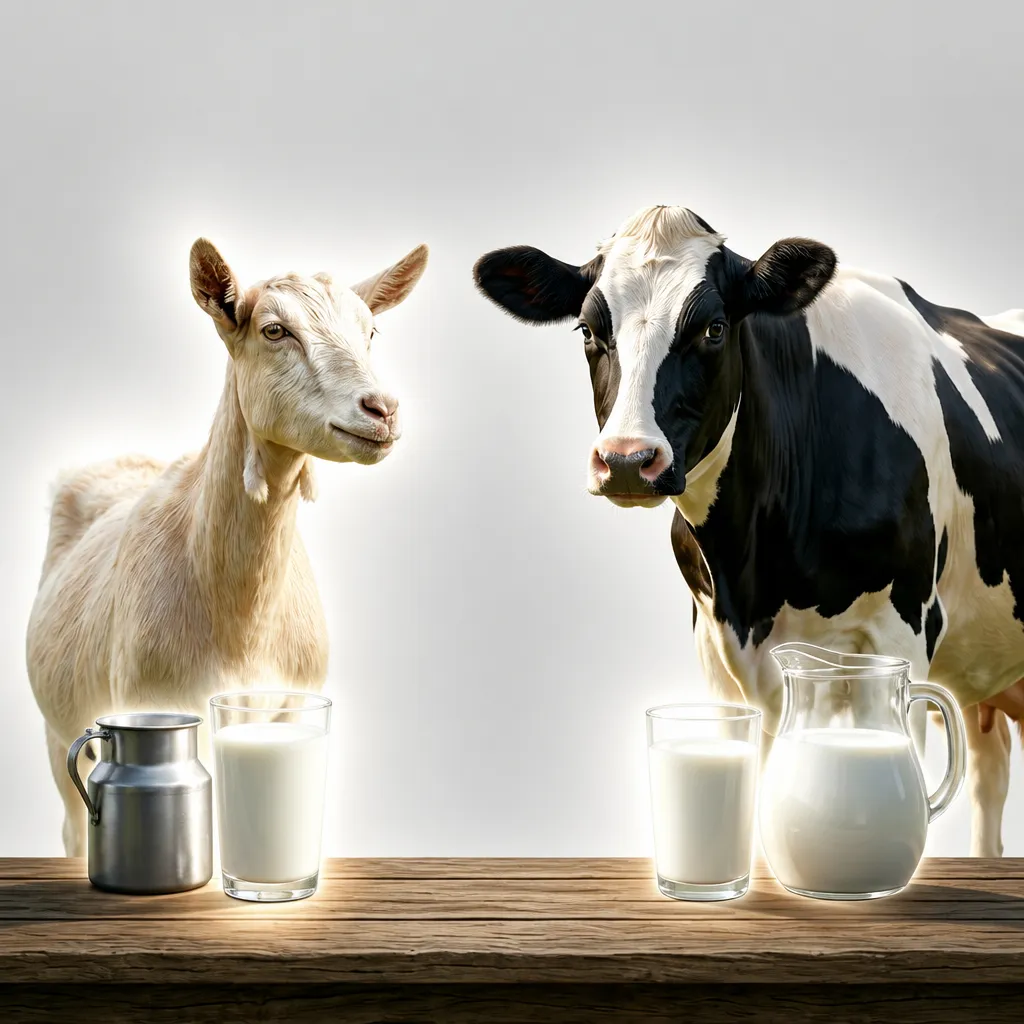
Goat Milk vs Cow Milk: Which Is Better for You?
Goat milk vs cow milk — which should you choose? Compare nutrition, digestion, taste, and health benefits to find the best fit for your diet.
Frequently Asked Questions
⚕️ Medical Disclaimer
This article is for informational and educational purposes only and is not a substitute for professional medical advice, diagnosis, or treatment. Always consult a qualified healthcare provider with any questions about a medical condition. Read full disclaimer.
Editorial note: This article was researched and written with the assistance of AI tools and reviewed by the Nutrikoo editorial team for accuracy and clarity. It is for general information only and is not medical advice. See our editorial policy.
Get healthy tips in your inbox
Join the Nutrikoo newsletter for science-backed nutrition, recipes and wellness — no spam, unsubscribe anytime.