
Vitamin B12 for Anxiety and Mood: What Science Says

By A Reza, Health & Nutrition Writer
12 June 2026 · 6 min read · 1 views
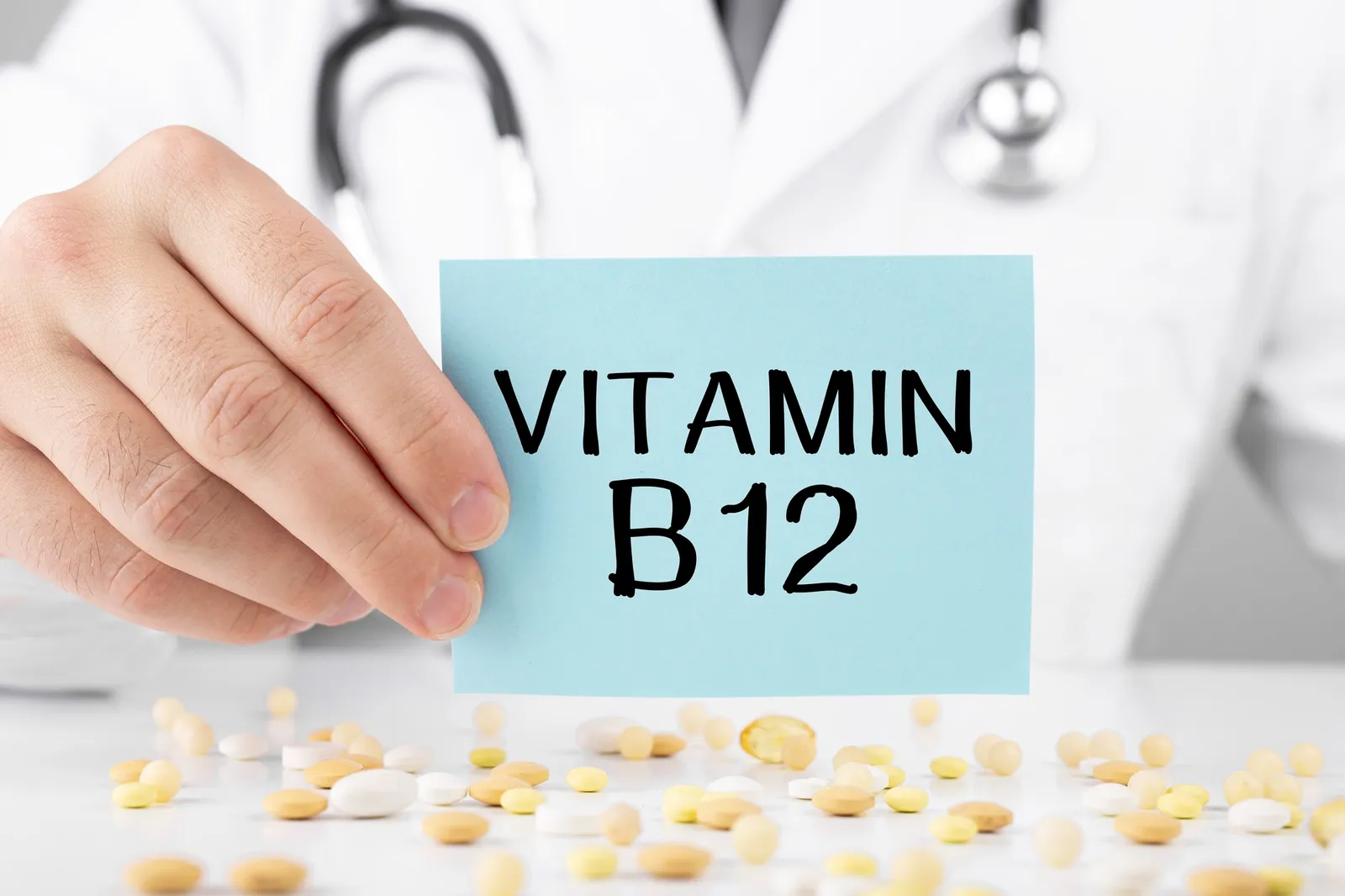
Can vitamin B12 actually help with anxiety and low mood? We separate myth from science and explain what B12 really does for your mental health.
Vitamin B12 for Anxiety and Mood: What Science Says
Here's a belief that floats around a lot: anxiety is purely a mental problem, so you fix it with mental tools — therapy, meditation, breathing exercises. All of those genuinely help. But the idea that nutrition plays no role? That's where things get more complicated.
Vitamin B12 (cobalamin) is one nutrient that researchers keep coming back to when they look at anxiety, low mood, and emotional resilience. Not as a cure. Not as a substitute for professional support. But as a piece of the puzzle that's easy to miss — especially in India, where B12 deficiency is surprisingly common.
Let's look at what the evidence actually says.
The Myth Worth Busting First
The myth goes like this: "B12 is an energy vitamin. If you're tired, take B12. It doesn't have much to do with anxiety or your mood."
This is only partly true. Yes, B12 plays a role in energy metabolism. But reducing it to an "energy pill" misses the bigger picture. B12 is essential for the production of myelin — the protective sheath around your nerve fibres — and it's deeply involved in synthesising neurotransmitters like serotonin and dopamine. Those are the same chemicals that influence how calm, motivated, and emotionally stable you feel day to day.
When your B12 levels are low, your nervous system doesn't just get sluggish. It can start misfiring in ways that look a lot like anxiety and depression.
How B12 Actually Affects Your Brain and Mood
Think of your nervous system as a vast electrical network. B12 helps keep the insulation on the wires intact. Without enough of it, signals get scrambled — and one of the first places you notice that is in how you feel emotionally.
Here's what B12 does that directly connects to mood and anxiety:
- Supports serotonin and dopamine synthesis: B12 is a cofactor in the methylation cycle, which is required for producing these neurotransmitters. Less B12, less raw material for the chemicals that help regulate mood.
- Lowers homocysteine: High homocysteine levels in the blood are associated with depression and cognitive decline. B12 (along with folate and B6) helps keep homocysteine in check.
- Protects the nervous system: Chronic deficiency can cause neurological symptoms including irritability, mood swings, and even panic-like episodes in some people.
- Regulates the stress response: Emerging research suggests B vitamins may help modulate cortisol, the body's primary stress hormone.
None of this means popping a B12 supplement will make your anxiety disappear overnight. But if your levels are low, getting them back to normal can make a real, noticeable difference.
What Does a B12 Deficiency Actually Feel Like?
This is where it gets tricky. B12 deficiency is a slow burn. Symptoms creep in gradually, and many of them overlap with common anxiety and depression symptoms:
- Persistent fatigue and brain fog
- Irritability or unexplained low mood
- Tingling or numbness in hands and feet
- Difficulty concentrating
- Feeling emotionally fragile or "on edge"
If you've been to your doctor complaining of anxiety and nothing obvious showed up, it may be worth asking for a serum B12 test. Many people — particularly vegetarians, vegans, older adults, and those on long-term metformin or antacids — have low-normal or deficient B12 levels without knowing it.
In India, vegetarian diets dominate, and B12 is found almost exclusively in animal-derived foods. That's a meaningful risk factor worth taking seriously. This is also why building a diet that addresses anxiety from multiple angles matters — if you're curious about the broader picture, the guide on how to reduce anxiety with diet is worth a read.
Best Food Sources of Vitamin B12
If you eat animal products, you have plenty of options:
- Eggs (especially the yolk)
- Milk and dairy (curd, paneer, cheese)
- Fish and shellfish (mackerel, sardines, clams)
- Chicken and mutton liver
- Fortified foods (some breakfast cereals, plant-based milks)
For vegetarians and vegans, fortified foods and supplements become essential — there is no reliable plant-based whole food source of active B12. Fermented foods and certain algae contain analogues, but these don't behave the same way in the body.
Should You Take a B12 Supplement for Anxiety?
If your levels are genuinely deficient, yes — supplementing makes sense and can help considerably. If your levels are fine, adding more B12 won't give you a mood boost. That's just not how it works.
Two common supplement forms are methylcobalamin and cyanocobalamin. Methylcobalamin is the active form and may be better absorbed by some people, particularly those with certain genetic variations. It's the form most commonly recommended for neurological and mood-related concerns.
Dosage varies based on how deficient you are. Mild deficiency might be addressed with a daily oral supplement of 500–1000 mcg, while severe deficiency often requires injections prescribed by a doctor. Never self-diagnose or self-prescribe for a serious deficiency — get tested first.
B12 isn't the only nutrient linked to anxiety relief, by the way. Magnesium is another one worth understanding, and the two often work better as part of a broader dietary approach rather than in isolation.
A Note on Combining Nutrients and Lifestyle
B12 works best when it's part of a sensible overall strategy. Pairing it with folate (vitamin B9) and vitamin B6 is particularly well-supported for mood and homocysteine management. Eating a varied diet with foods that support you when you're stressed gives your body the full toolkit.
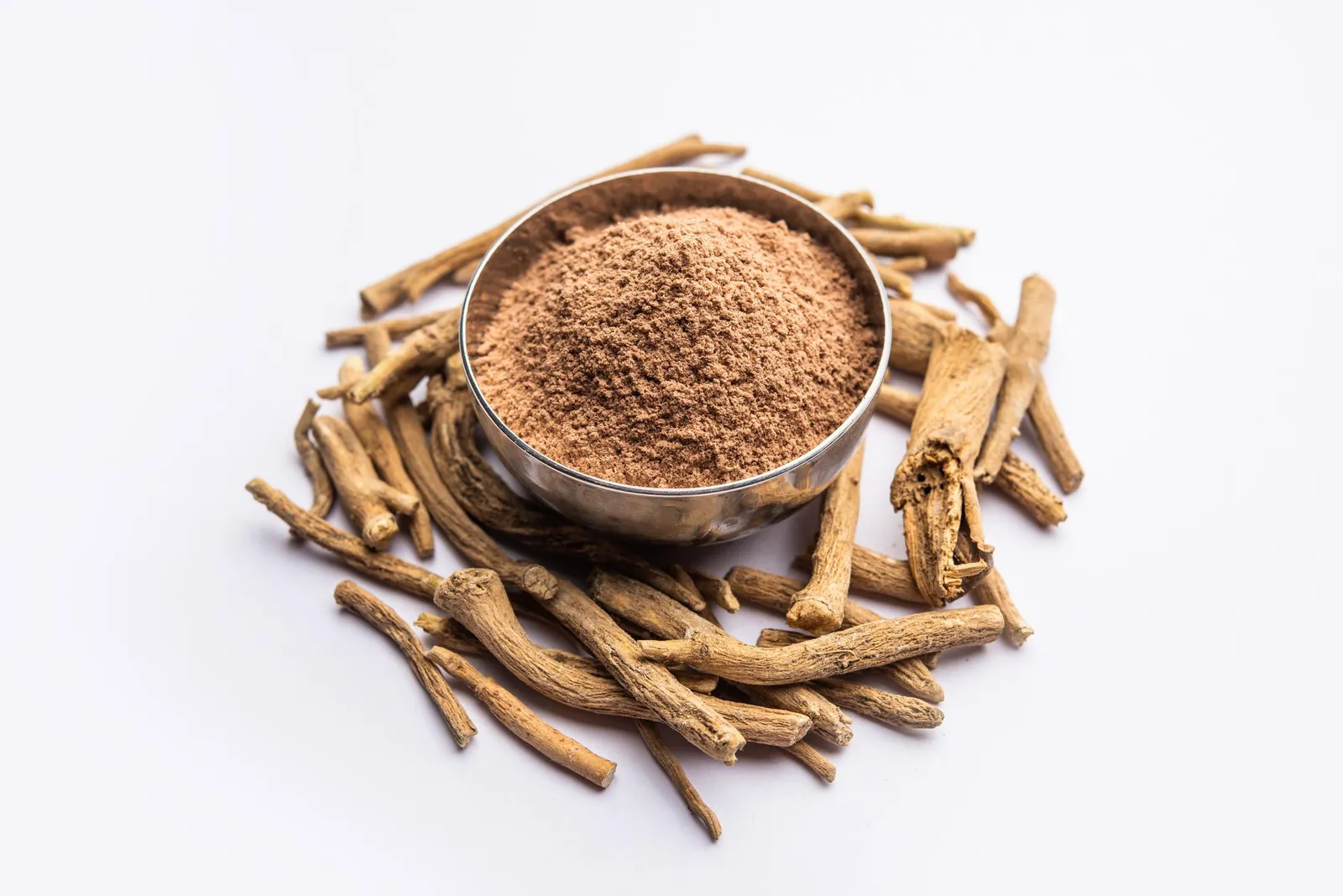
Alongside nutrition, herbal support has its own evidence base. Herbal teas for stress and anxiety relief and adaptogens like ashwagandha have been studied for their calming effects. These aren't replacements for each other — they're different tools for the same job.
Latest Articles
How to Eat Soaked Almonds Daily for Best Results
Soaked almonds pack more nutrition than raw ones. Here's exactly how to eat them daily — the right time, quantity, and simple habits that actually work.

How to Feed Goats During Monsoon Season
Monsoon changes everything for goat farmers. Learn exactly what to feed your goats during the rainy season to keep them healthy, productive, and disease-free.

Best Feed for Goats in Summer Heat
Struggling to keep your goats healthy in hot weather? Discover the best summer feed for goats to maintain weight, milk, and energy when temperatures soar.

Goat Milk for Lactose Intolerance: Does It Help?
Think goat milk is lactose-free? It's not — but it may still be easier to digest. Here's what the science actually says about goat milk and lactose intolerance.
Is Goat Meat Good for Weight Loss?
Wondering if goat meat fits into a weight loss diet? Here's what its nutrition profile really means for your goals — no fluff, just facts.
Goat Milk vs Cow Milk: Which Is Better for You?
Goat milk vs cow milk — which should you choose? Compare nutrition, digestion, taste, and health benefits to find the best fit for your diet.
Frequently Asked Questions
⚕️ Medical Disclaimer
This article is for informational and educational purposes only and is not a substitute for professional medical advice, diagnosis, or treatment. Always consult a qualified healthcare provider with any questions about a medical condition. Read full disclaimer.
Editorial note: This article was researched and written with the assistance of AI tools and reviewed by the Nutrikoo editorial team for accuracy and clarity. It is for general information only and is not medical advice. See our editorial policy.
Get healthy tips in your inbox
Join the Nutrikoo newsletter for science-backed nutrition, recipes and wellness — no spam, unsubscribe anytime.