

Rohu Fish Benefits for Health You Should Know

By A Reza, Health & Nutrition Writer
6 July 2026 · 7 min read · 39 views
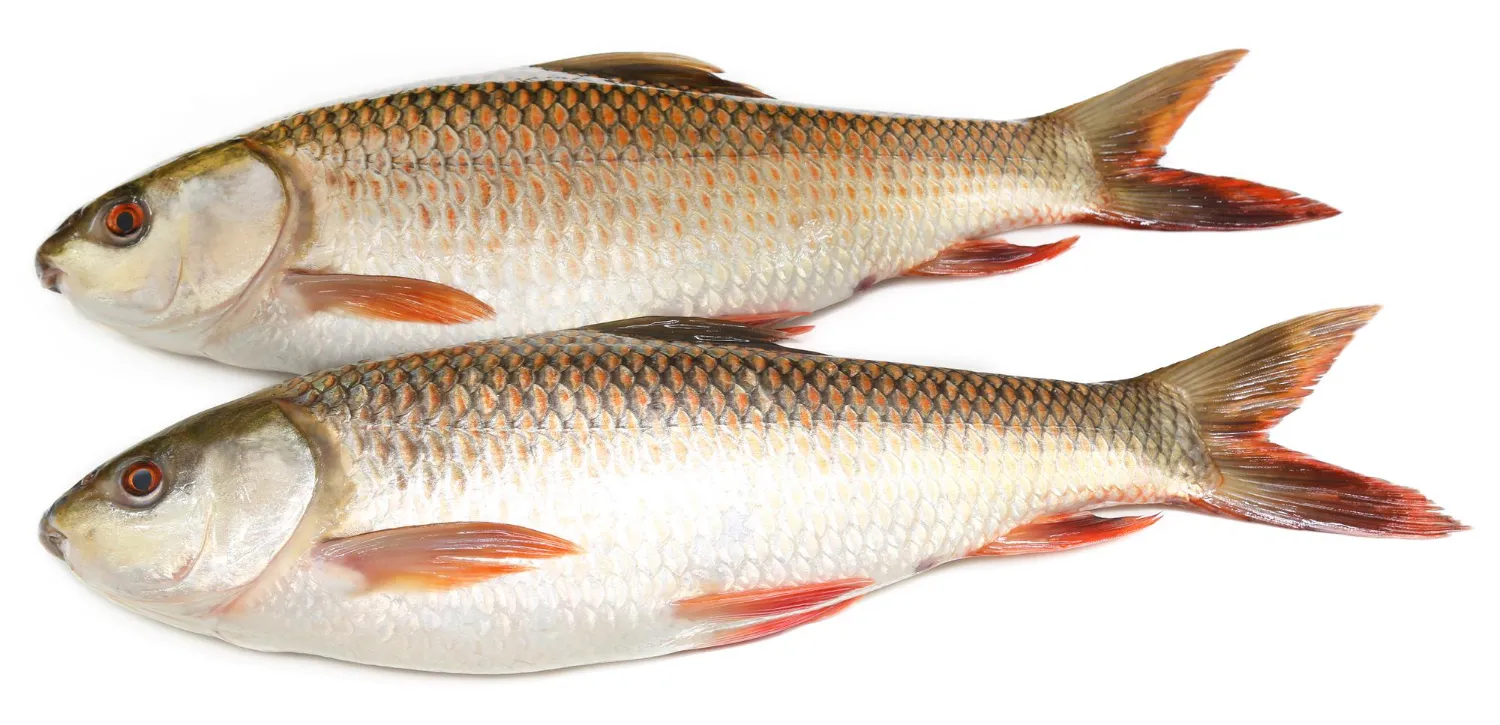
Discover the real health benefits of Rohu fish — from protein and omega-3s to heart and brain health. A must-read for Indian seafood lovers.
Rohu Fish Benefits for Health You Should Know
Picture a Sunday afternoon in a Bengali or Bihari household. The kitchen smells of mustard oil and nigella seeds. Someone's grandmother is lowering golden-fried pieces of Labeo rohita — better known as Rohu — into a bubbling gravy. The whole family gravitates toward the kitchen without being called.
Rohu is not just comfort food. It is one of the most nutritious freshwater fish you can eat, and yet it rarely gets the international spotlight that salmon or tuna enjoy. That oversight is worth correcting.
What Is Rohu Fish?
Rohu (Labeo rohita) is a large freshwater carp native to rivers across South Asia — the Ganges, the Brahmaputra, the Indus. It is among the most widely farmed fish in India, Bangladesh, and Nepal, which keeps it affordable and accessible throughout the year.
The flesh is white, mildly flavored, and firm enough to hold up in curries, fries, or steamed preparations. For millions of Indian families, it is simply "machh" — the fish.
Rohu Fish Nutritional Profile
Before getting into the benefits, it helps to know what you are actually eating. A 100 g serving of cooked Rohu fish provides roughly:
- Protein: 16–18 g
- Fat: 2–4 g (mostly unsaturated)
- Calories: 95–110 kcal
- Omega-3 fatty acids: present in moderate amounts
- Vitamins: B12, D, niacin (B3), riboflavin (B2)
- Minerals: phosphorus, calcium, zinc, iron, selenium
That is a lean, high-protein food that punches well above its weight nutritionally. If you are curious how Rohu compares to shellfish on the protein front, the breakdown in our article on prawns vs fish for protein gives a useful side-by-side view.
Key Health Benefits of Rohu Fish
1. Excellent Source of High-Quality Protein
Rohu delivers all the essential amino acids your body cannot make on its own. This makes it a complete protein — the same category as eggs or chicken, but often easier on the wallet.
Protein is not just about building muscle. It repairs tissues, supports immune function, and keeps you full for longer, which makes Rohu a smart choice if you are watching your weight. Pair it with dal and rice and you have a genuinely balanced plate.
2. Supports Heart Health
The unsaturated fats in Rohu — including omega-3 fatty acids — help manage triglyceride levels and support healthy blood pressure. Regular consumption of freshwater fish like Rohu has been associated with reduced cardiovascular risk in populations that eat it as a staple.
Rohu is not as omega-3-rich as fatty sea fish like mackerel or sardines, but it still contributes meaningfully to your weekly intake, especially if you eat it two or three times a week.
3. Good for Brain Function
Omega-3 fatty acids, along with vitamin B12, play a direct role in maintaining nerve health and cognitive function. B12 deficiency is surprisingly common in India — particularly among people who eat little or no meat — and Rohu is a solid dietary source.
Think of B12 as the nutrient that keeps your brain's wiring in good condition. Getting enough of it through food, rather than supplements, is always the preferred route when possible.
4. Strengthens Bones and Teeth
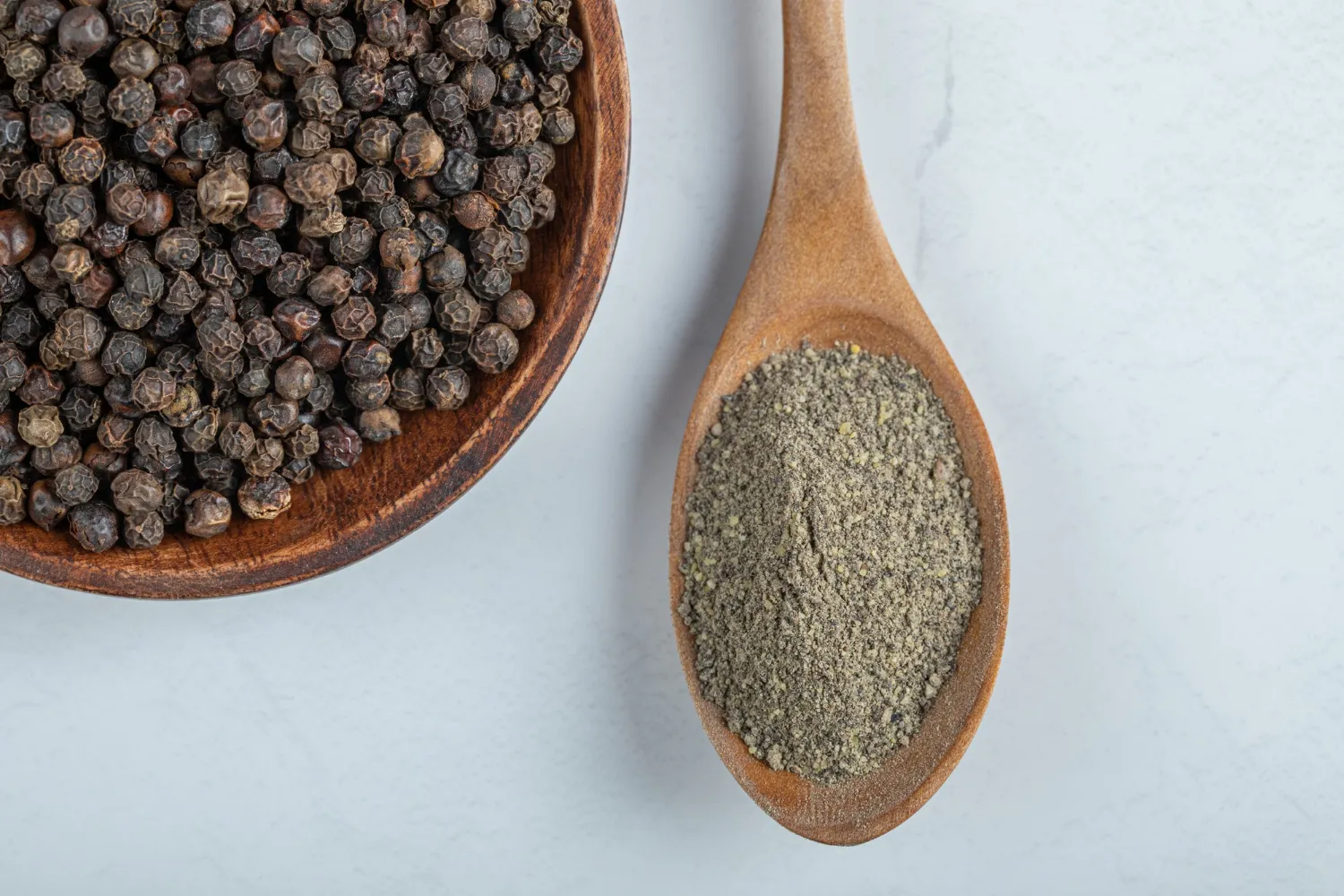
Rohu contains both phosphorus and calcium, two minerals that work together for bone density. Vitamin D, also present in fish in general, helps your gut absorb that calcium properly. For growing children and older adults concerned about bone health, adding Rohu to the weekly diet is a genuinely useful habit.
5. Boosts Immunity
Zinc and selenium in Rohu both support immune function. Selenium, in particular, acts as an antioxidant that helps protect cells from damage. It is one of those nutrients that rarely makes headlines but quietly does important work inside the body.
If you are already thinking about immune support through your diet, you might find our piece on black pepper for immunity worth reading — it pairs surprisingly well with the kind of spiced fish curries Rohu is cooked in.
6. Supports Eye Health
Rohu contains vitamin A precursors and essential fatty acids that contribute to retinal health. This is especially relevant for children, where adequate vitamin A intake directly supports vision development and immunity against infections.
7. Helpful for Weight Management
At under 110 calories per 100 g and with a high protein-to-fat ratio, Rohu is an excellent lean protein for anyone trying to manage their weight without giving up satisfying meals. Protein also has the highest satiety value of the three macronutrients, so a Rohu lunch genuinely keeps hunger at bay longer than a carbohydrate-heavy one.
For people on lower-carb eating patterns, Rohu fits easily. Our article on a low carb diet for belly fat loss touches on how lean proteins like fish support this approach.
8. Safe Mercury Levels
One real concern with eating fish frequently is mercury exposure. Rohu, being a freshwater herbivorous carp, sits low on the food chain and accumulates far less mercury than large predatory sea fish like shark or tilefish. This makes it a safer option for regular consumption, including for pregnant women and children — though eating from clean, unpolluted water sources is always important.
Rohu Fish for Specific Groups
Pregnant women: The protein, omega-3s, and B12 in Rohu support fetal brain development. Its low mercury profile makes it a more practical choice than many sea fish during pregnancy.
Children: High protein supports growth; phosphorus and calcium support bone development; omega-3s aid brain health.
Athletes and active adults: Rohu's complete amino acid profile makes it a good muscle-repair food post-workout.
Older adults: B12 for nerve health, calcium and phosphorus for bones, and selenium for antioxidant protection all become more important with age. Rohu ticks multiple boxes.
How to Eat Rohu Fish
The cooking method matters more than most people realise. Deep-frying adds significant calories and can degrade some heat-sensitive nutrients. Steaming, light pan-frying in mustard oil, or slow-cooking in a tomato or yogurt-based curry are all better options for retaining nutritional value.
Traditional recipes often include turmeric, which has its own anti-inflammatory properties — and if you are curious how turmeric and other spices stack up, turmeric vs ginger for inflammation is a good read. Cooking Rohu with these spices is not just about taste; there is a real nutritional synergy happening in your pot.
Aim for two to three servings of 100–150 g per week. That frequency delivers meaningful benefits without overdoing any single nutrient.
Latest Articles
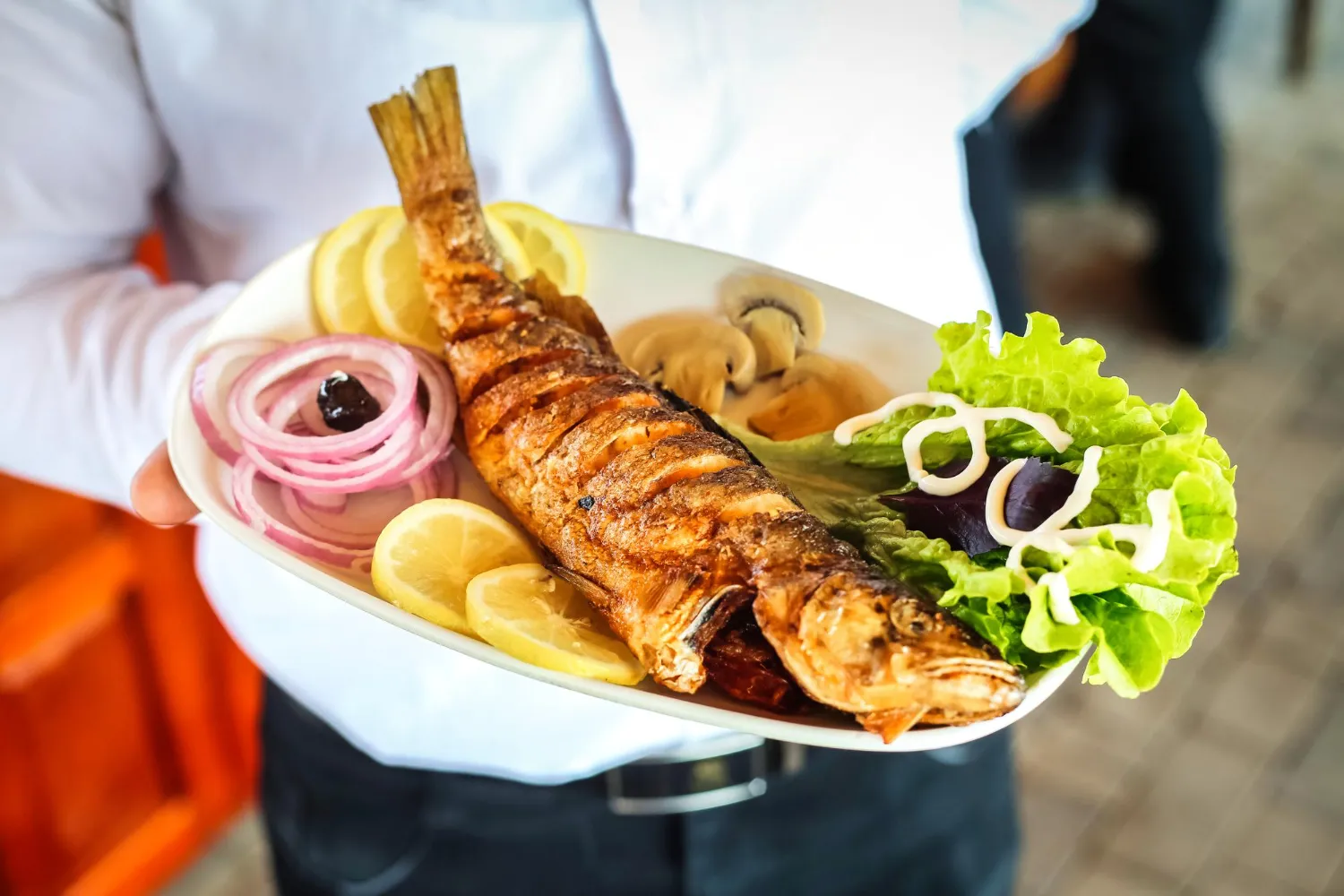
Benefits of Eating Fish Twice a Week
Wondering if eating fish twice a week is really worth it? Here's what science and nutrition say about the real benefits for your heart, brain, and body.
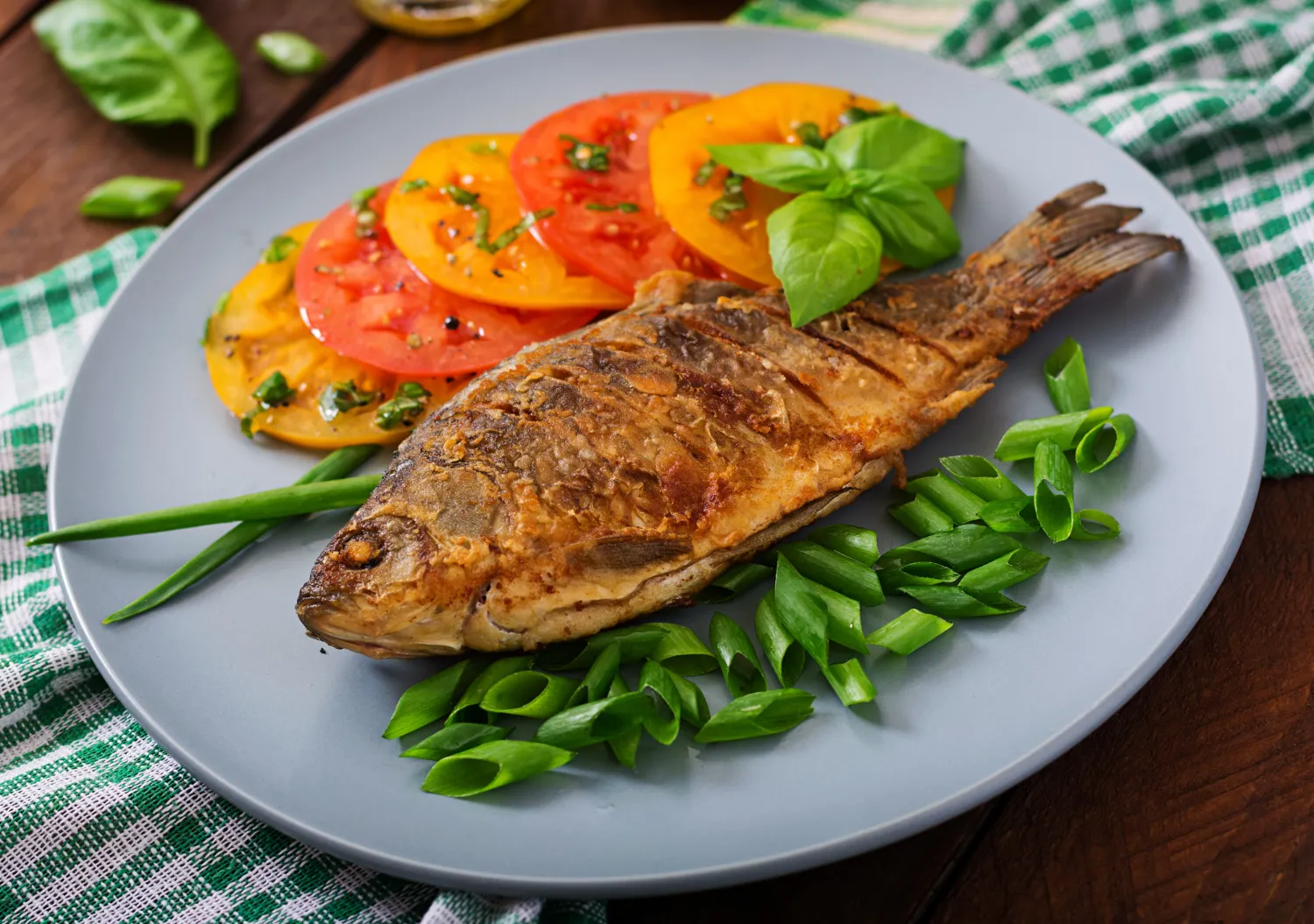
Is It Safe to Eat Fish in Monsoon?
Wondering if fish is safe to eat during monsoon? Here's what actually changes — and how to enjoy seafood without the risk this rainy season.
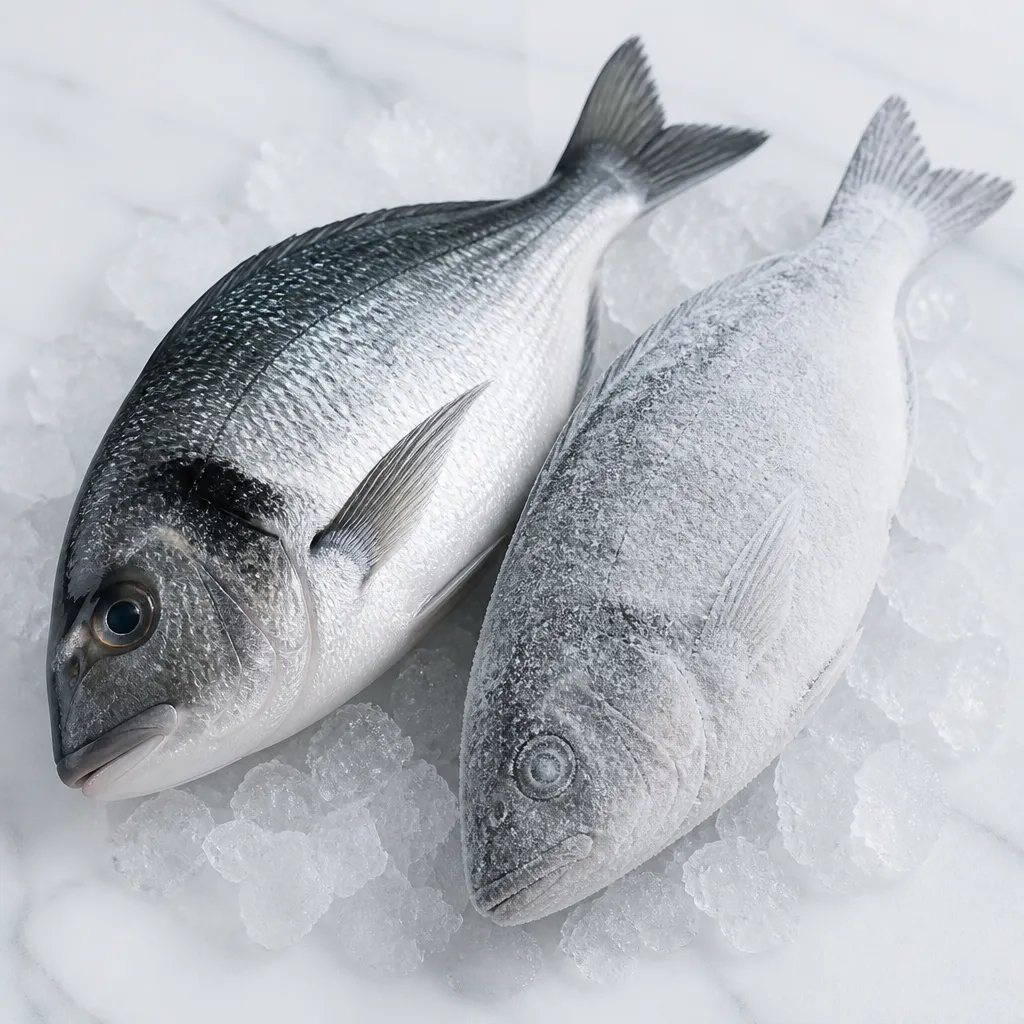
Is Frozen Fish as Healthy as Fresh Fish?
Wondering if frozen fish is as nutritious as fresh? Here's what the science actually says about protein, omega-3s, and when frozen might even win.
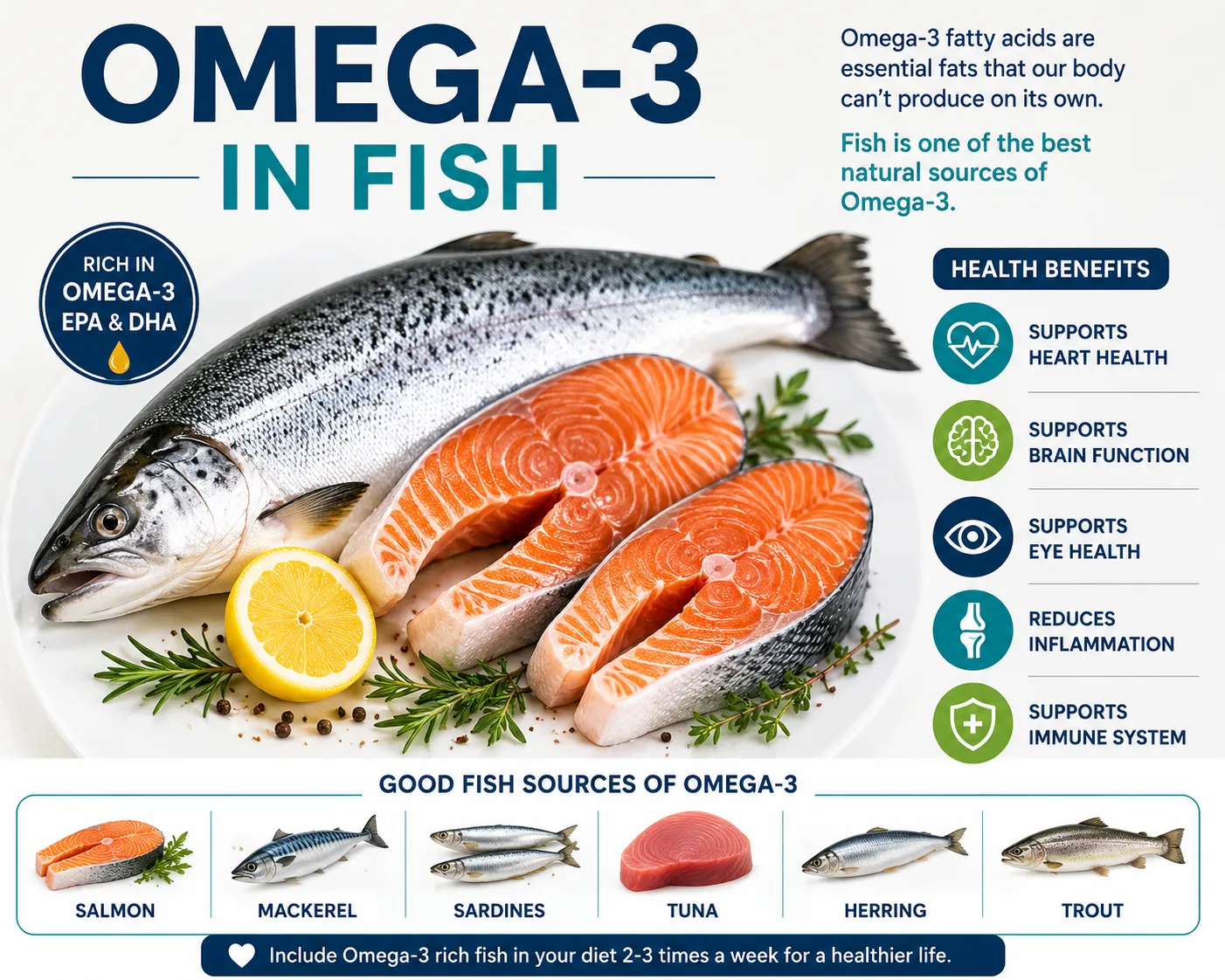
Omega-3 in Fish: Best Sources in India
Looking for omega-3-rich fish available in India? Compare the best local and coastal options, how they stack up, and how to eat them right.
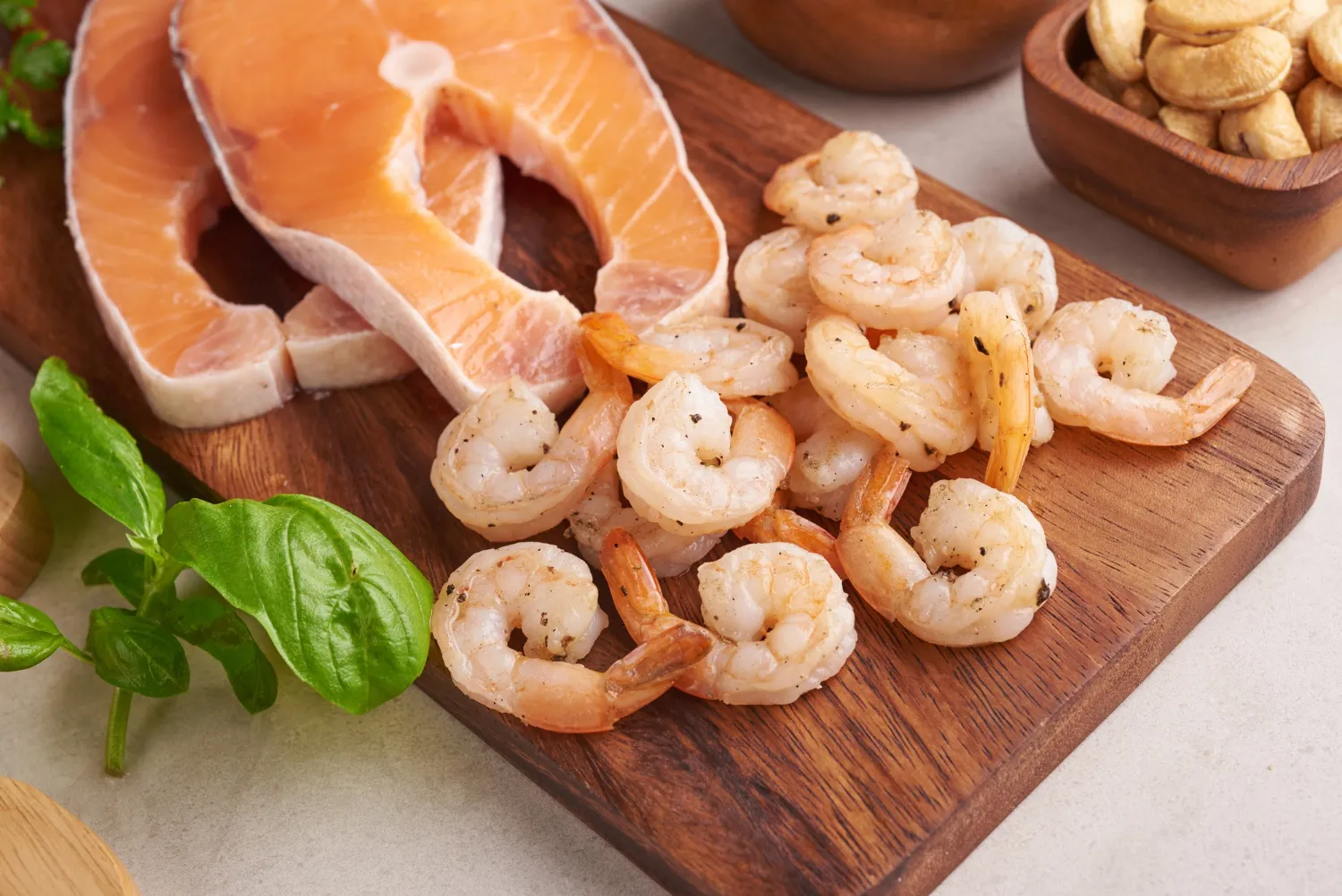
Prawns vs Fish: Which Is Better for Protein?
Prawns or fish — which gives you more protein? Compare nutrition, amino acids, calories, and real-world eating tips to pick the best option for your goals.
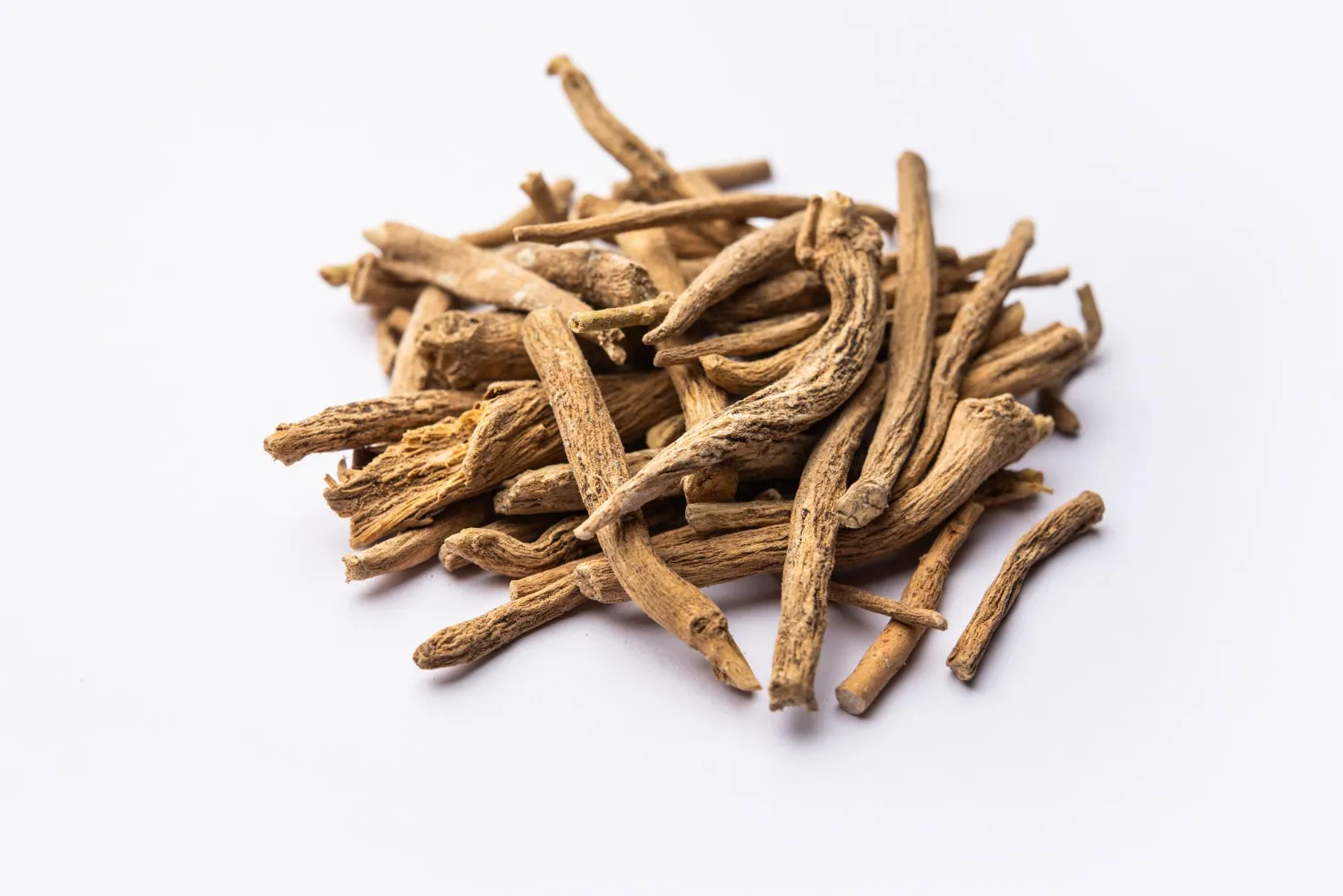
How to Use Ashwagandha for Stress and Energy
Learn how to use ashwagandha for stress relief and better energy — right dose, best timing, and practical tips backed by Ayurvedic and modern science.
Frequently Asked Questions
⚕️ Medical Disclaimer
This article is for informational and educational purposes only and is not a substitute for professional medical advice, diagnosis, or treatment. Always consult a qualified healthcare provider with any questions about a medical condition. Read full disclaimer.
Editorial note: This article was researched and written with the assistance of AI tools and reviewed by the Nutrikoo editorial team for accuracy and clarity. It is for general information only and is not medical advice. See our editorial policy.
Get healthy tips in your inbox
Join the Nutrikoo newsletter for science-backed nutrition, recipes and wellness — no spam, unsubscribe anytime.