

Omega-3 in Fish: Best Sources in India

By A Reza, Health & Nutrition Writer
6 July 2026 · 7 min read · 32 views
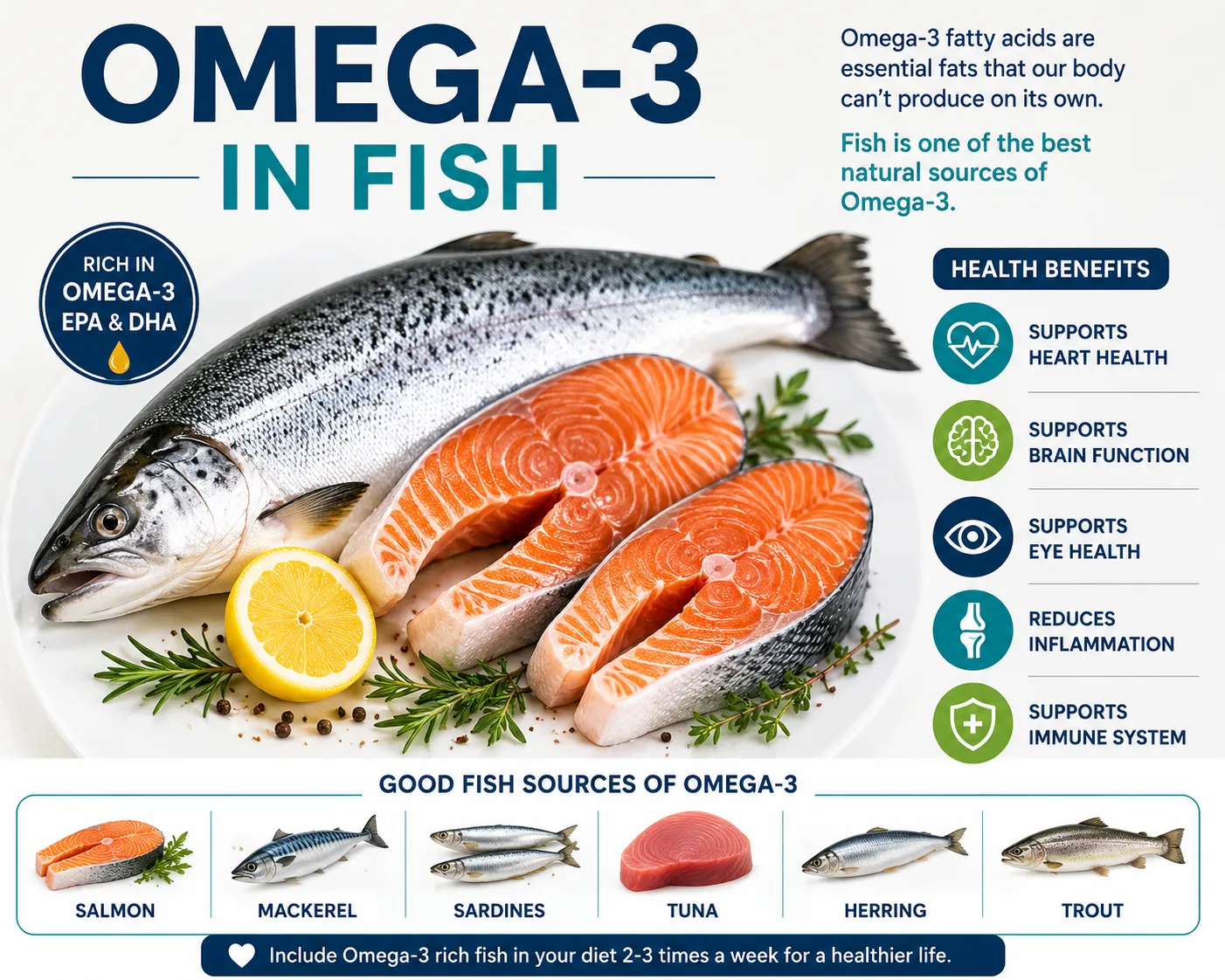
Looking for omega-3-rich fish available in India? Compare the best local and coastal options, how they stack up, and how to eat them right.
Which Indian Fish Actually Give You the Most Omega-3?
Walk into any fish market in Mumbai, Kolkata, or Chennai and you'll find dozens of varieties staring back at you. But if omega-3 fatty acids are what you're after — whether for your heart, your brain, or just your overall health — not all fish are created equal. Some are rich in these beneficial fats; others, not so much.
This guide cuts through the confusion and compares the best omega-3 sources available in Indian markets, from coastal favourites to common freshwater fish.
Why Omega-3 Matters (And Why Fish Is the Best Way to Get It)
Omega-3 fatty acids come in three main forms: ALA (from plant sources like flaxseed), and EPA and DHA — the two that your body actually uses most effectively, found primarily in fish.
EPA and DHA support heart rhythm, reduce triglycerides, ease inflammation, and play a direct role in brain function. Your body can technically convert ALA into EPA and DHA, but the conversion rate is poor — often less than 10%. So if you're relying solely on walnuts and flaxseed, you're likely getting far less than you think.
Eating fatty fish two or three times a week is one of the most efficient ways to maintain healthy omega-3 levels, and for most Indians, it's also culturally familiar and affordable.
Fatty Fish vs. Lean Fish: The Key Distinction
This is the fundamental comparison you need to understand. Fatty fish — those with higher fat content throughout their flesh — contain significantly more EPA and DHA than lean fish, which store fat mainly in their liver.
Fatty fish: mackerel, hilsa, sardines, salmon, herring Lean fish: rohu, catla, tilapia, sole, pomfret (to a degree)
That doesn't mean lean fish are useless — they're excellent for protein and other nutrients — but if omega-3 is your goal, fatty fish win by a wide margin.
The Best Omega-3 Fish Available in India
Mackerel (Bangda) — The Everyday Champion
Indian mackerel (Rastrelliger kanagurta), known as bangda in Maharashtra and Goa, is one of the most omega-3-dense fish you can buy in India — and it's genuinely cheap. A single medium-sized mackerel can give you well over 1,000 mg of combined EPA and DHA, which is roughly what most health guidelines recommend per day.
It's oily, flavourful, and works beautifully in coastal curries, pan-fries, or even grilled with a simple spice rub. If you're on a budget and want real omega-3 value, bangda is hard to beat.
Hilsa (Ilish) — The Bengali Gold Standard
Hilsa (Tenualosa ilisha) is practically a cultural institution in West Bengal and Bangladesh. It also happens to be one of the fattiest fish you'll find in Indian markets, particularly during the monsoon season when it runs upriver to breed.
The fat content varies by season — a monsoon hilsa is far richer in omega-3 than one caught in winter. It's pricier than mackerel, but the omega-3 content is comparable or higher. The bones are famously fine and many, but devoted fans consider that a small inconvenience for the flavour.
Sardines (Mathi/Tarli) — Small Fish, Big Nutrition

Sardines (Sardinella longiceps) are the unsung heroes of Indian coastal cuisine. Called mathi in Kerala and tarli in Maharashtra, they're tiny, inexpensive, and pack a serious omega-3 punch — plus calcium (when eaten with bones) and vitamin D.
Fresh sardines are best fried or curried. Canned sardines in water or olive oil are also a convenient option, though rinsing canned fish reduces sodium. If you're not already eating sardines regularly, they deserve a spot on your plate.
Surmai (Seer Fish / King Mackerel) — Premium but Moderate
Surmai (Scomberomorus commerson) is a prized fish across India's west coast. It does contain omega-3, but it's leaner than bangda or sardines, so the concentration is lower. It also sits higher on the marine food chain, meaning it can accumulate more mercury — something worth keeping in mind if you eat it very frequently, especially for children and pregnant women.
Occasional consumption is perfectly fine, and it's delicious. Just don't rely on surmai as your primary omega-3 source.
Rohu — Freshwater Fish with Modest Omega-3
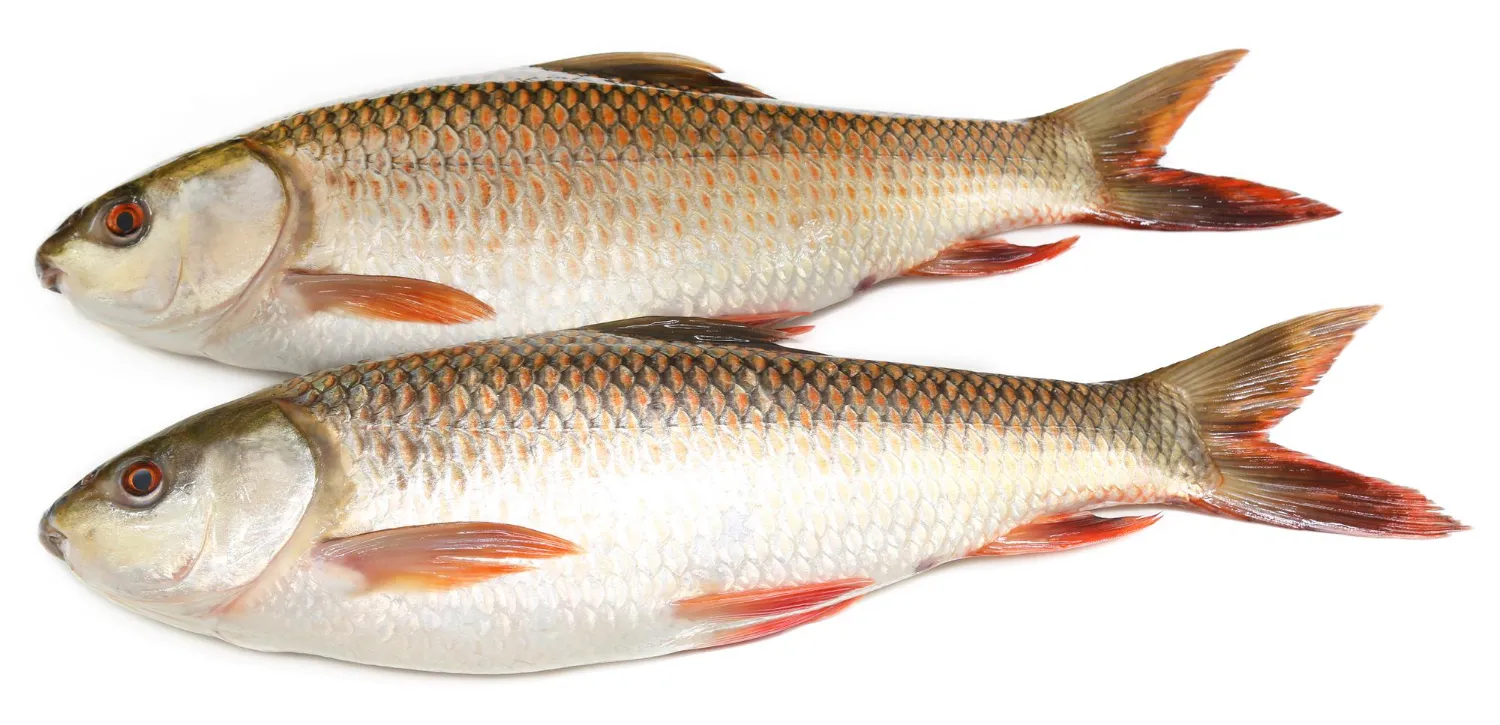
Rohu (Labeo rohita) is the most widely eaten freshwater fish in India, particularly in eastern and northern states. It's affordable, mild in flavour, and a solid source of protein and essential nutrients. For a deeper look at what rohu offers nutritionally, the article on Rohu fish benefits for health is worth reading.
However, freshwater fish like rohu generally have lower EPA and DHA levels than marine fatty fish. Rohu still contributes to your omega-3 intake, especially if coastal fish aren't accessible to you, but it doesn't compare to mackerel or sardines on a gram-for-gram basis.
Salmon: Great Omega-3, But Is It Worth It in India?
Imported Atlantic salmon is widely available in urban Indian supermarkets and is genuinely one of the richest omega-3 sources globally. But it comes with a few considerations:
- It's significantly more expensive than local fatty fish
- Most salmon sold in India is farmed, and farmed salmon's omega-3 content varies depending on what the fish were fed
- Local alternatives like mackerel and sardines offer comparable omega-3 for a fraction of the price
Salmon is a fine choice if you enjoy it and can afford it. But the idea that you need imported salmon to get your omega-3 in India is simply not true.
Does Cooking Method Affect Omega-3?
Yes, but perhaps less than you'd fear. Deep-frying at very high temperatures can degrade some omega-3 fatty acids. Grilling, baking, steaming, or cooking in a curry (which keeps moisture and moderate heat) are better options for preserving omega-3 content.
If you're curious about how fish compares to other protein sources when it comes to overall nutrition, the prawns vs fish protein comparison is an interesting read.
Practical Tips for Getting More Omega-3 from Fish
- Eat fatty fish 2-3 times a week. Mackerel, sardines, or hilsa are your most practical options in India.
- Choose fresh over processed. Fresh or frozen fish retains more omega-3 than heavily processed fish products.
- Don't skip the skin. A good amount of the fat — and thus omega-3 — sits just under the skin.
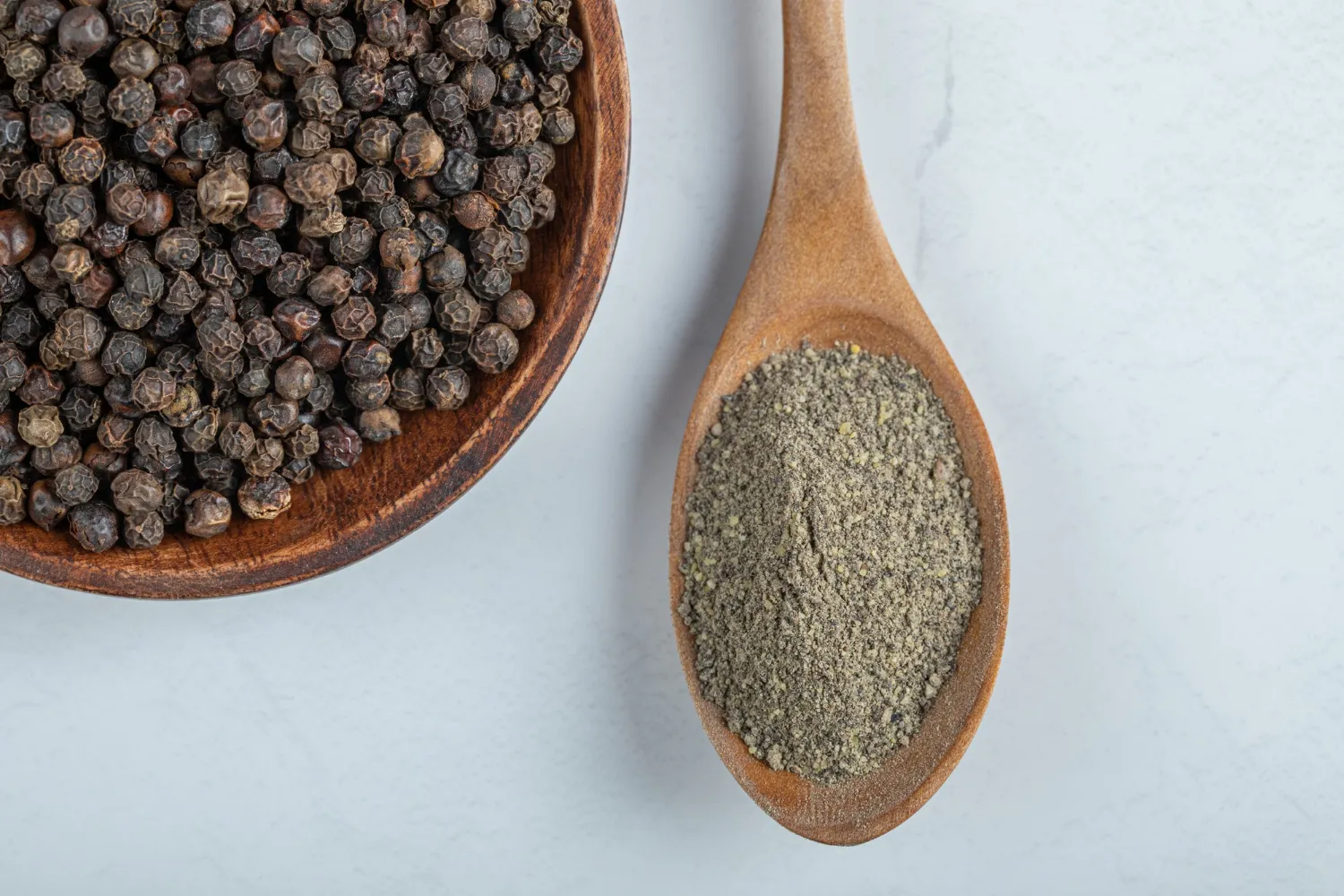
- Pair with anti-inflammatory foods. Turmeric in your fish curry isn't just flavour — for context on its benefits, see how turmeric and ginger compare for inflammation.
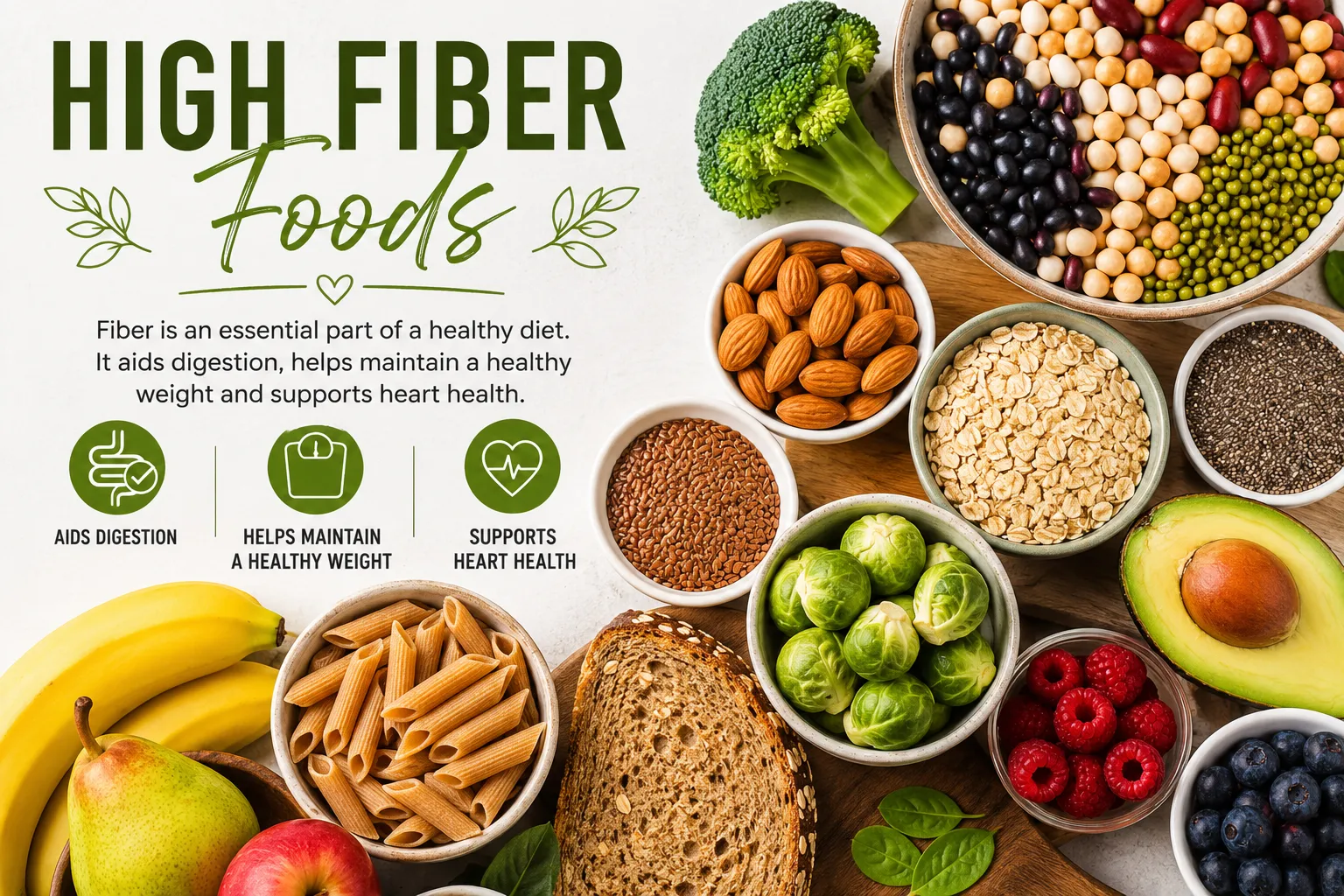
- If you can't get fatty fish regularly, fish oil supplements are a reasonable backup, but whole fish also brings protein, selenium, vitamin D, and B12 alongside omega-3.
Latest Articles
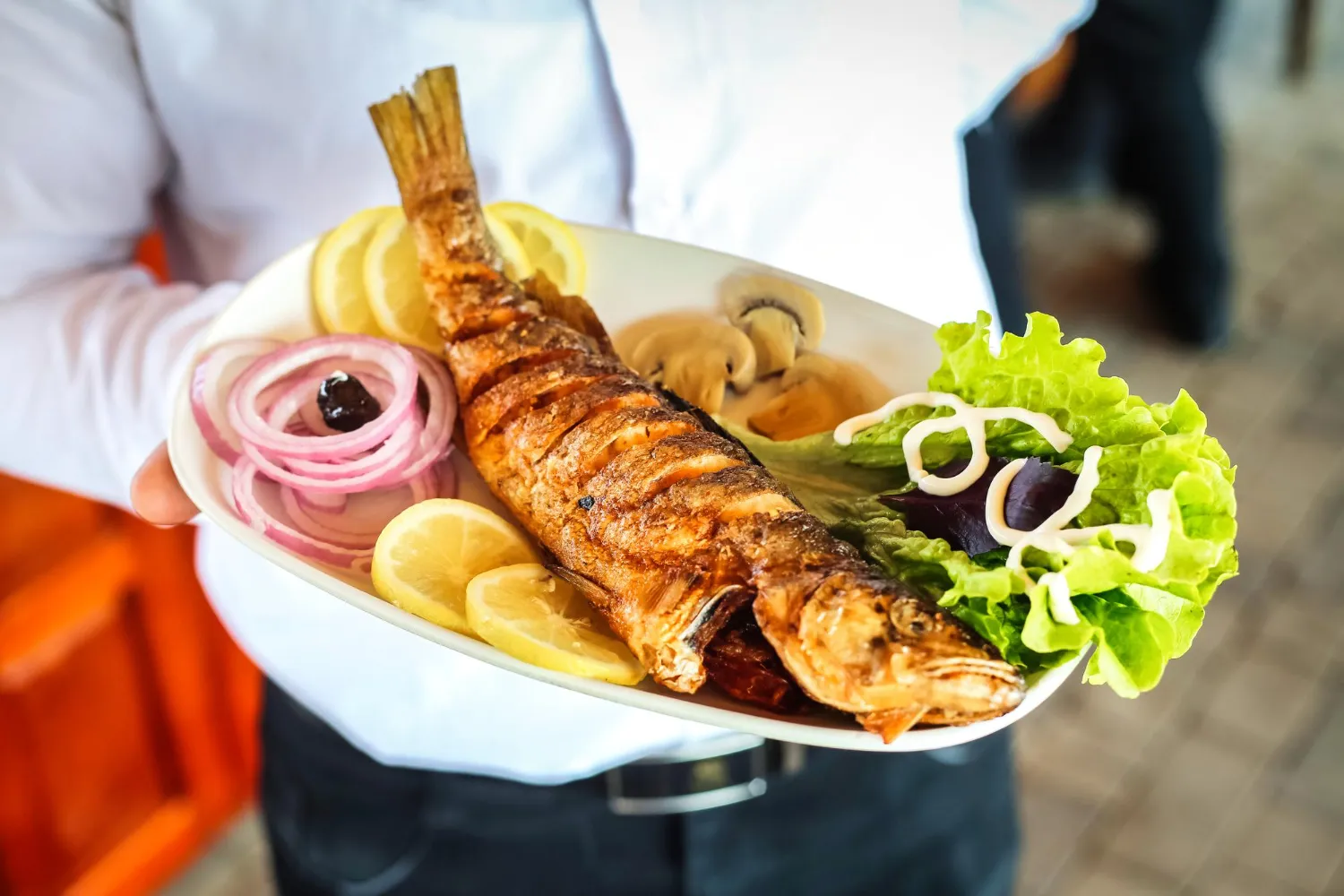
Benefits of Eating Fish Twice a Week
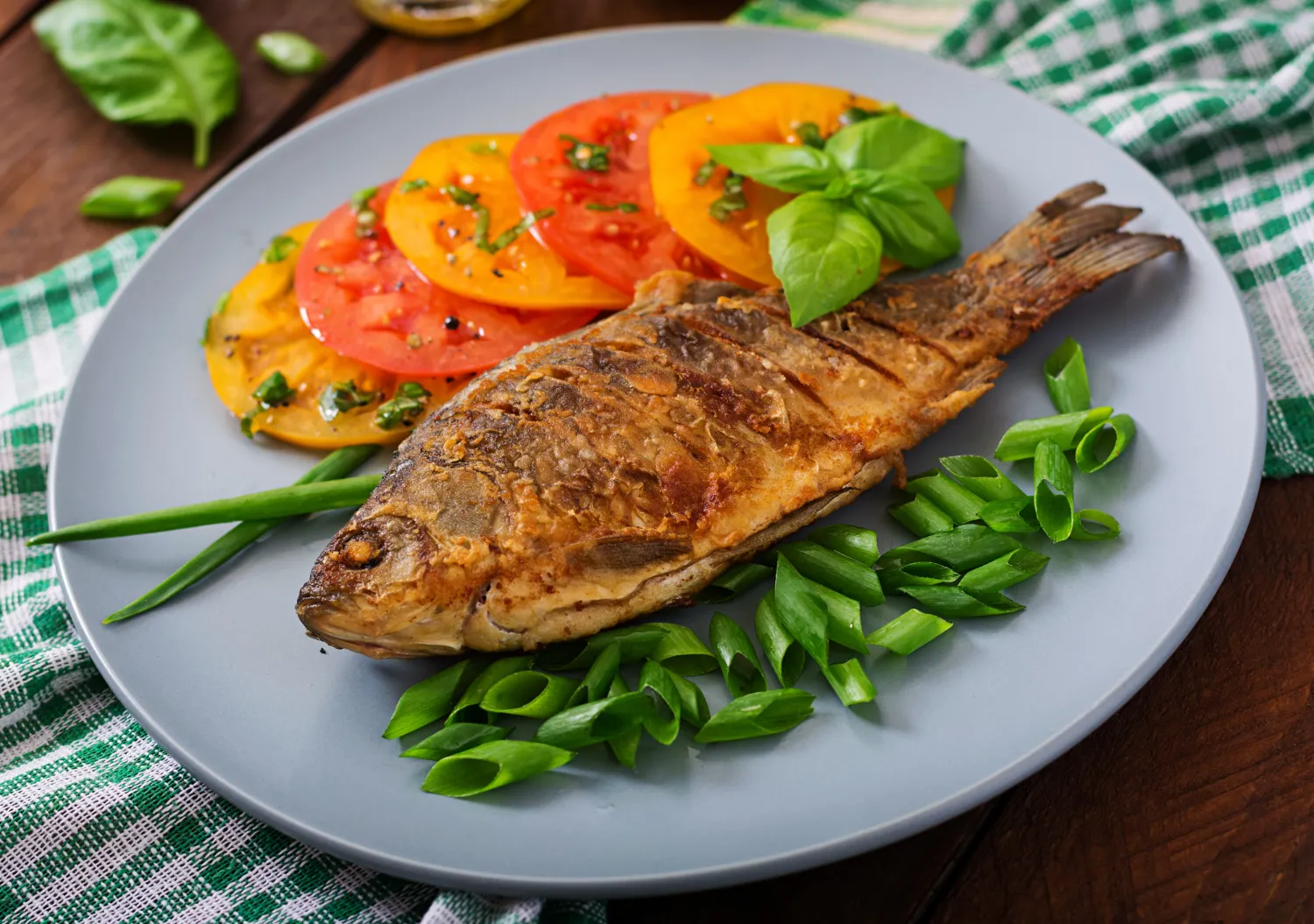
Wondering if eating fish twice a week is really worth it? Here's what science and nutrition say about the real benefits for your heart, brain, and body.
Is It Safe to Eat Fish in Monsoon?
Wondering if fish is safe to eat during monsoon? Here's what actually changes — and how to enjoy seafood without the risk this rainy season.
Is Frozen Fish as Healthy as Fresh Fish?
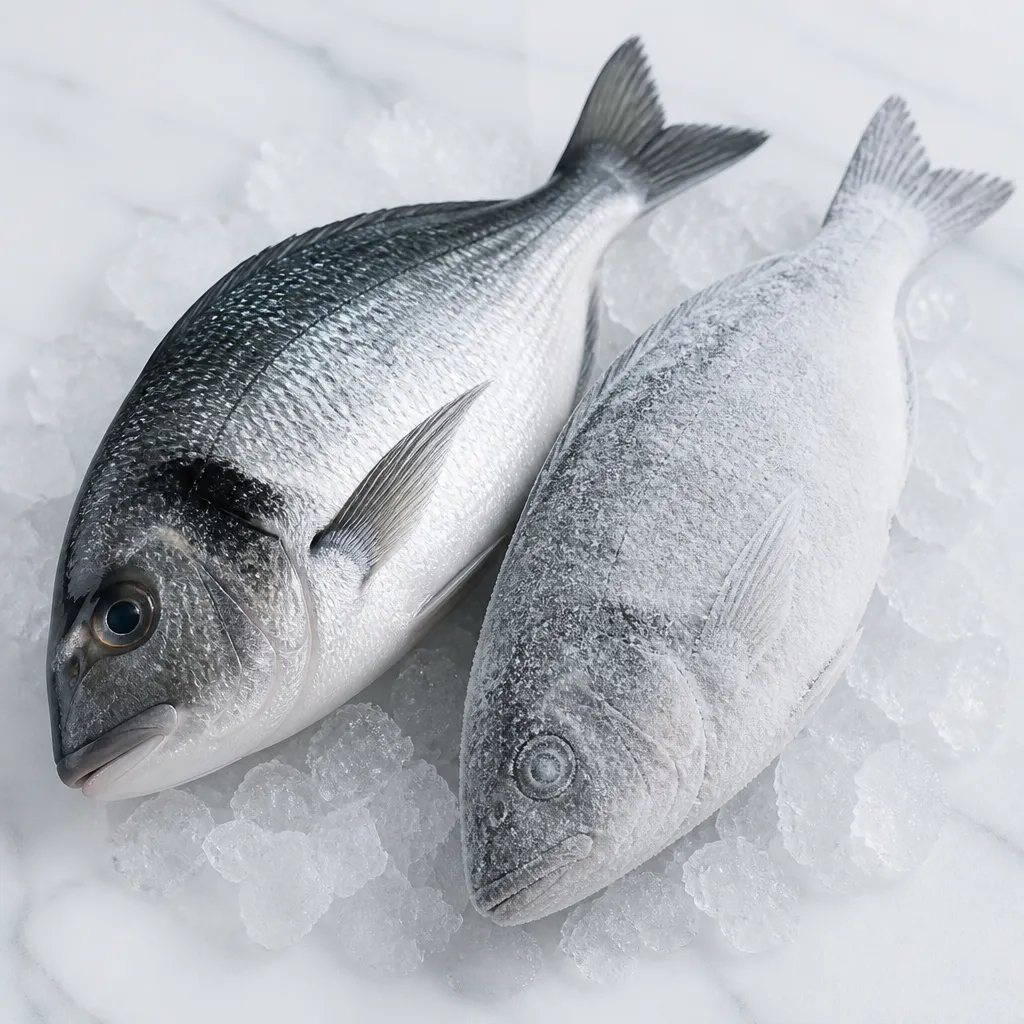
Wondering if frozen fish is as nutritious as fresh? Here's what the science actually says about protein, omega-3s, and when frozen might even win.
Rohu Fish Benefits for Health You Should Know
Discover the real health benefits of Rohu fish — from protein and omega-3s to heart and brain health. A must-read for Indian seafood lovers.
Prawns vs Fish: Which Is Better for Protein?
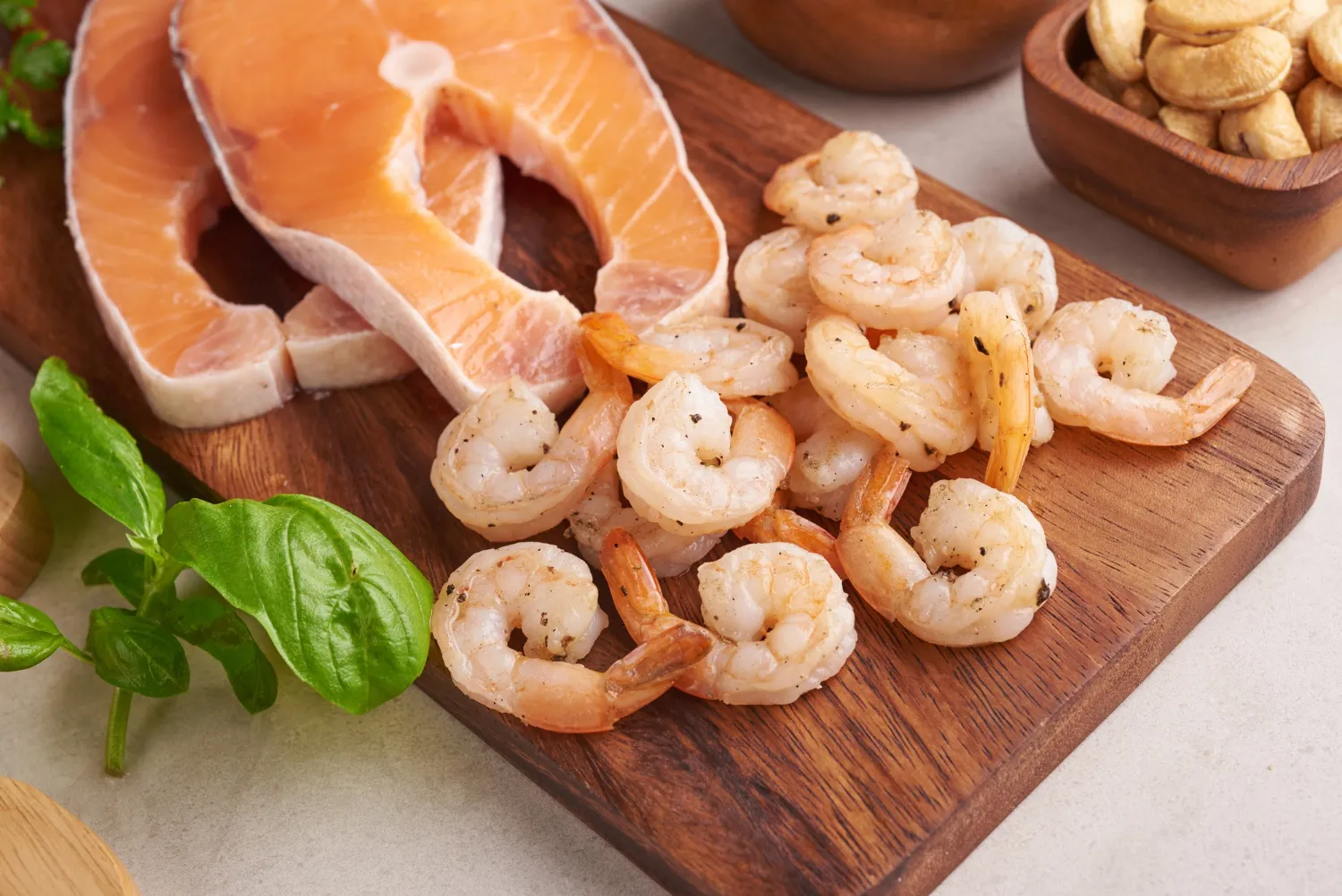
Prawns or fish — which gives you more protein? Compare nutrition, amino acids, calories, and real-world eating tips to pick the best option for your goals.
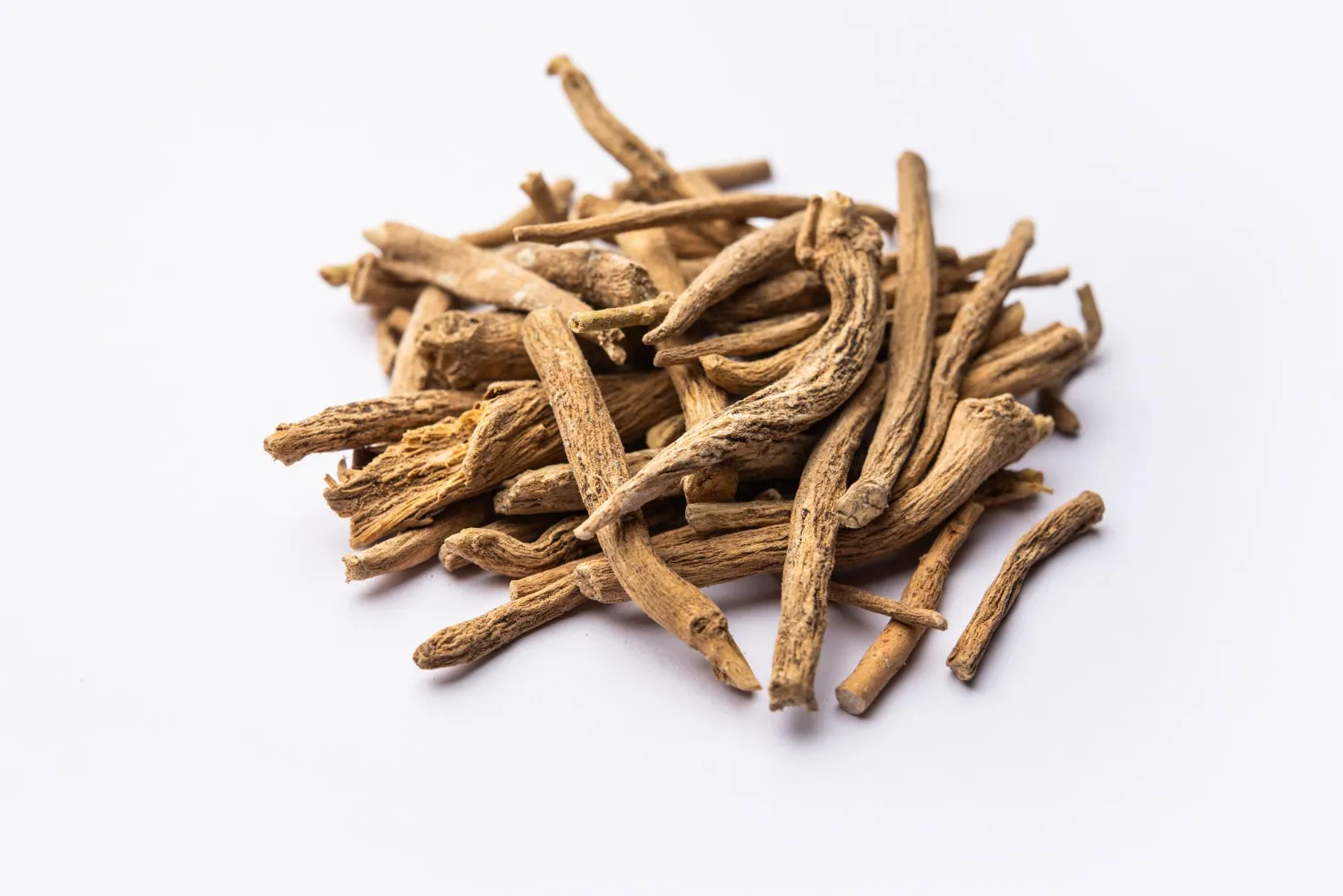
How to Use Ashwagandha for Stress and Energy
Learn how to use ashwagandha for stress relief and better energy — right dose, best timing, and practical tips backed by Ayurvedic and modern science.
Frequently Asked Questions
⚕️ Medical Disclaimer
This article is for informational and educational purposes only and is not a substitute for professional medical advice, diagnosis, or treatment. Always consult a qualified healthcare provider with any questions about a medical condition. Read full disclaimer.
Editorial note: This article was researched and written with the assistance of AI tools and reviewed by the Nutrikoo editorial team for accuracy and clarity. It is for general information only and is not medical advice. See our editorial policy.
Get healthy tips in your inbox
Join the Nutrikoo newsletter for science-backed nutrition, recipes and wellness — no spam, unsubscribe anytime.