

Benefits of Eating Fish Twice a Week

By A Reza, Health & Nutrition Writer
6 July 2026 · 7 min read · 7 views

Wondering if eating fish twice a week is really worth it? Here's what science and nutrition say about the real benefits for your heart, brain, and body.
Benefits of Eating Fish Twice a Week
Here's a situation many of us know well. You keep hearing that fish is good for you, your doctor mentions it, your mother swears by it, and yet somehow a week goes by with chicken, dal, and eggs — but no fish. Sound familiar?
The thing is, fish isn't just another protein source to rotate into your meals. Eating it consistently, at least twice a week, can meaningfully shift several markers of your health over time. Not overnight, not dramatically, but steadily — the way the best dietary changes tend to work.
Let's walk through exactly what eating fish twice a week does for your body, and how to actually make it happen.
What "Twice a Week" Actually Means for Your Nutrition
Two servings of fish per week works out to roughly 200–300 grams total. That's not a lot — think one medium piece of rohu with rice on a weekday and a simple sardine or mackerel preparation over the weekend. The consistency matters more than the quantity on any single day.
This recommendation comes from health bodies including the American Heart Association and the World Health Organization, and it's based on the fat profile of fish, particularly the omega-3 fatty acids EPA and DHA, which your body cannot make on its own in meaningful amounts.
The Heart Benefits Are the Most Well-Documented
If there's one reason to eat fish more often, it's your cardiovascular system. The omega-3 fatty acids in oily fish (like salmon, mackerel, sardines, and Indian varieties like rohu and hilsa) help reduce triglycerides — a type of fat in your blood that raises your risk of heart disease when elevated.
Regular fish intake has also been associated with lower blood pressure and a reduced tendency for blood to form dangerous clots. These aren't small deals. Heart disease is the leading cause of death globally, including in India, where diets are increasingly high in refined carbohydrates and saturated fats.
If you're curious about which fish deliver the most omega-3s for your money, this guide to omega-3 rich fish sources in India breaks it down by type and availability.
Your Brain Notices the Difference Too
DHA, one of the key omega-3s found in fish, is a structural component of your brain. About 60% of the brain's dry weight is fat, and DHA makes up a significant portion of that. Eating fish regularly helps maintain this supply.
Research consistently links higher fish consumption to better cognitive function in older adults and a lower risk of cognitive decline. Even in younger people, diets rich in omega-3s are associated with better mood regulation and lower rates of depression. This doesn't mean fish is a cure for anything — but as one part of a balanced diet, the brain benefits are real and worth paying attention to.
Lean Protein That Doesn't Weigh You Down
Fish is one of the best sources of high-quality, complete protein — meaning it contains all the essential amino acids your body needs. And compared to red meat or even some cuts of chicken, most fish is lower in saturated fat.
This makes it particularly useful if you're trying to manage your weight or body composition without feeling deprived. Protein keeps you full, helps preserve muscle mass, and requires more energy to digest than carbohydrates or fat.
If you're weighing your protein options, it's worth checking out this comparison of prawns vs fish for protein to understand how different seafood stacks up.


Anti-Inflammatory Effects You'll Feel Over Time
Chronic, low-grade inflammation is behind many of today's most common health problems — from joint pain and fatigue to metabolic disorders. The omega-3 fatty acids in fish actively work to reduce inflammatory signals in the body.
For anyone dealing with stiff joints, skin conditions, or even persistent tiredness that doesn't have a clear cause, adding fatty fish twice a week is one of the more practical dietary shifts you can try. You won't feel it the next day, but over months, many people report real differences.
Eye Health, Skin, and Beyond
DHA is also concentrated in the retina of your eye. Regular fish consumption is linked to a lower risk of age-related macular degeneration, one of the leading causes of vision loss in older adults. It's the kind of benefit no one thinks about until they need to.
Skin-wise, the fats in fish help maintain the skin's lipid barrier, which keeps it hydrated and resilient. Some people notice clearer, less inflamed skin after a few months of eating fish consistently — though diet is just one piece of that puzzle.
Which Fish Should You Be Eating?
Not all fish carry the same nutritional profile. Fatty, oily fish offer the most omega-3s per serving:
- Hilsa (Ilish) — extremely rich in omega-3s, popular across Bengal, Odisha, and Assam
- Mackerel (Bangda) — affordable, widely available, and nutritionally dense
- Sardines — one of the highest omega-3 sources, great canned or fresh
- Salmon — excellent if you can access it, though pricier
- Rohu (Labeo rohita) — a staple freshwater fish across India with solid protein and fat content
For a detailed breakdown of rohu's specific benefits, this article on rohu fish health benefits is worth reading.
Leaner fish like tilapia or sole are still great protein sources, but they don't offer the same omega-3 boost as oily varieties. Mix and match based on what's fresh and affordable near you.
A Quick Note on Freshness and Safety
One concern people often have is whether the fish they're buying is safe and nutritious. If you've been hesitant about buying fish during certain seasons, this guide on eating fish safely during monsoon addresses that clearly. And if you rely on frozen fish, you'll be reassured to know that frozen fish can be just as nutritious as fresh, as long as it's stored and handled correctly.
Making It Practical: How to Actually Eat Fish Twice a Week
Knowing something is good for you and actually doing it are different things. A few approaches that work:
- Batch prep one fish dish — a mackerel curry or a simple pan-seared fillet can be made in bulk and eaten over two days
- Keep canned sardines or tuna at home — mix with onion, tomato, and lemon for a five-minute meal
- Swap one chicken or egg meal per week for fish — no dramatic overhaul needed
- Explore regional recipes — Indian cooking has hundreds of fish preparations; find two or three you genuinely enjoy
The goal is to make fish feel like a normal part of your week, not a chore.
Latest Articles

Is It Safe to Eat Fish in Monsoon?
Wondering if fish is safe to eat during monsoon? Here's what actually changes — and how to enjoy seafood without the risk this rainy season.
Is Frozen Fish as Healthy as Fresh Fish?
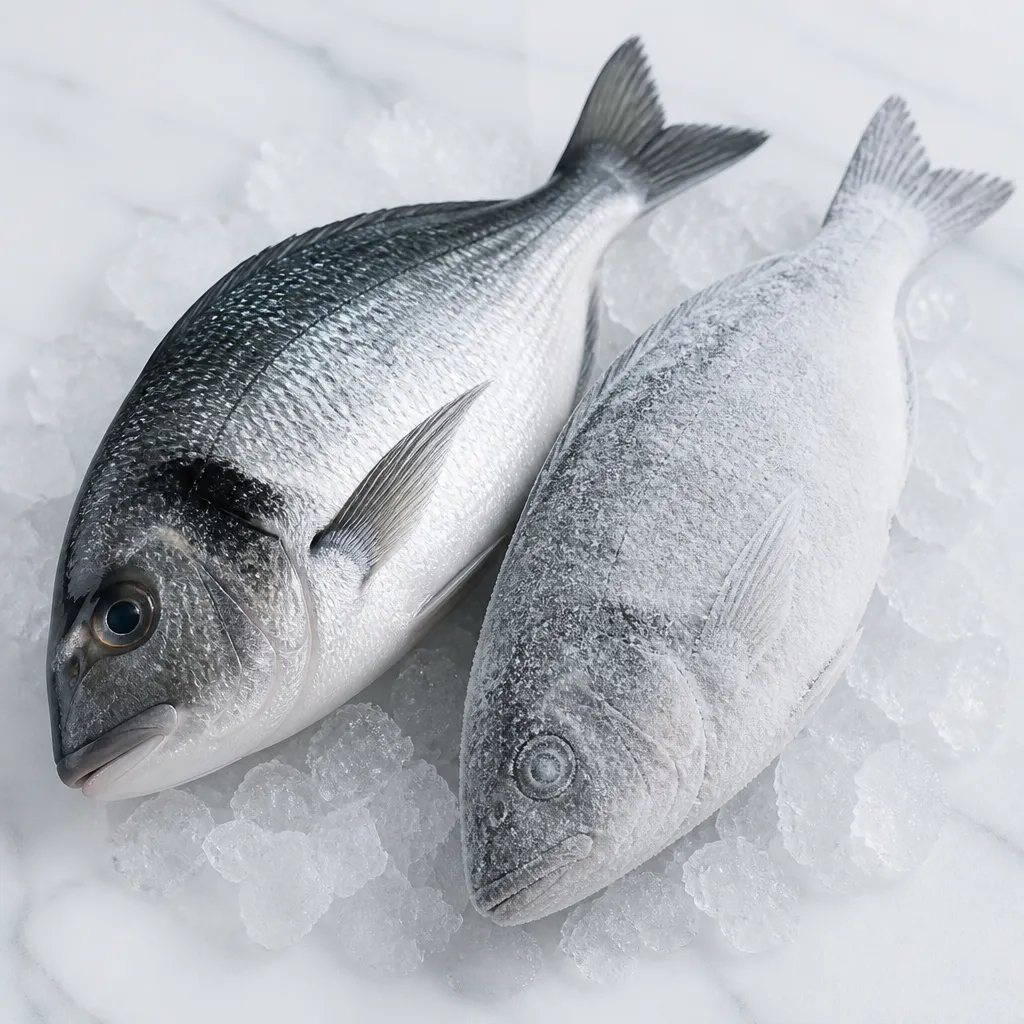
Wondering if frozen fish is as nutritious as fresh? Here's what the science actually says about protein, omega-3s, and when frozen might even win.
Omega-3 in Fish: Best Sources in India
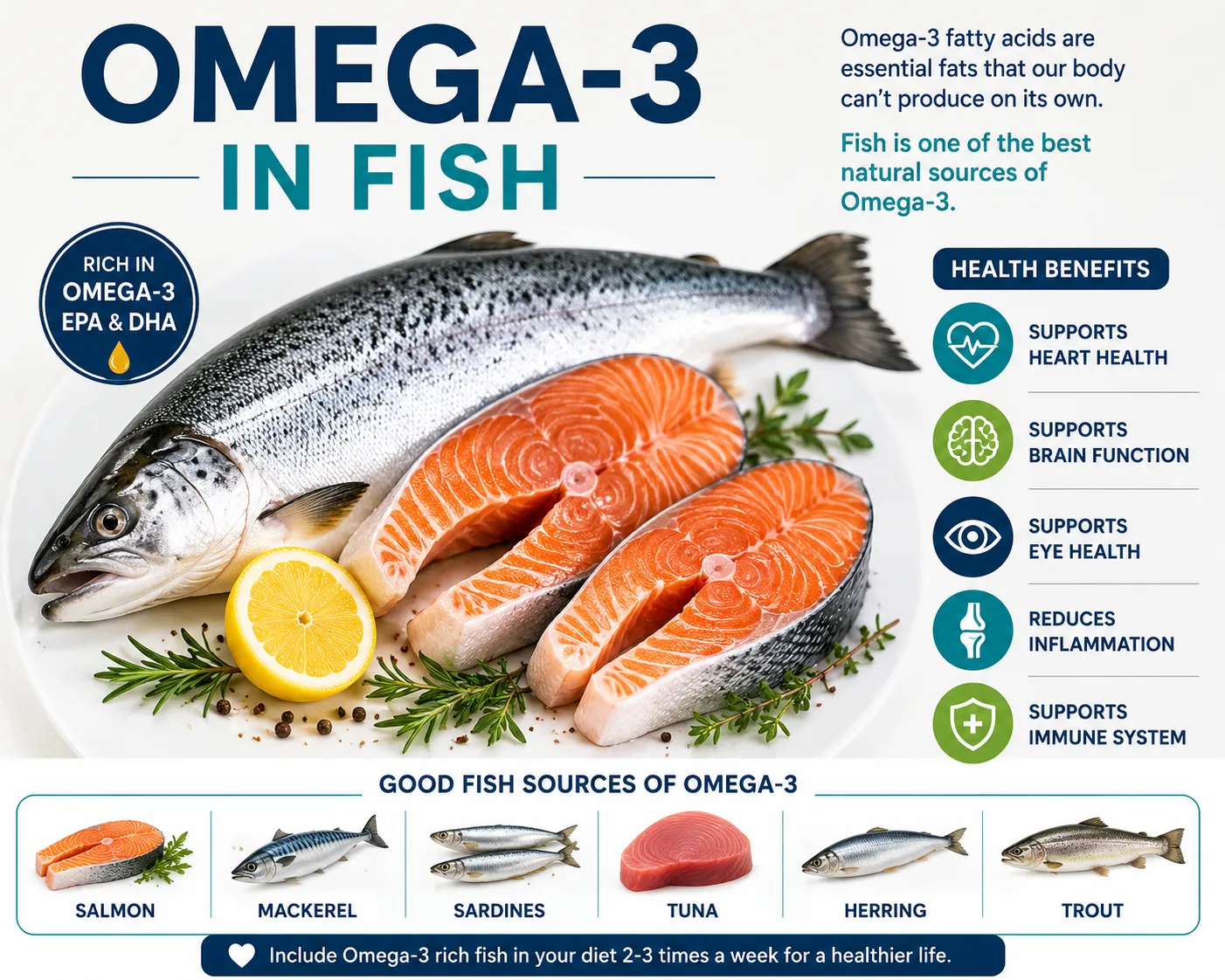
Looking for omega-3-rich fish available in India? Compare the best local and coastal options, how they stack up, and how to eat them right.
Rohu Fish Benefits for Health You Should Know
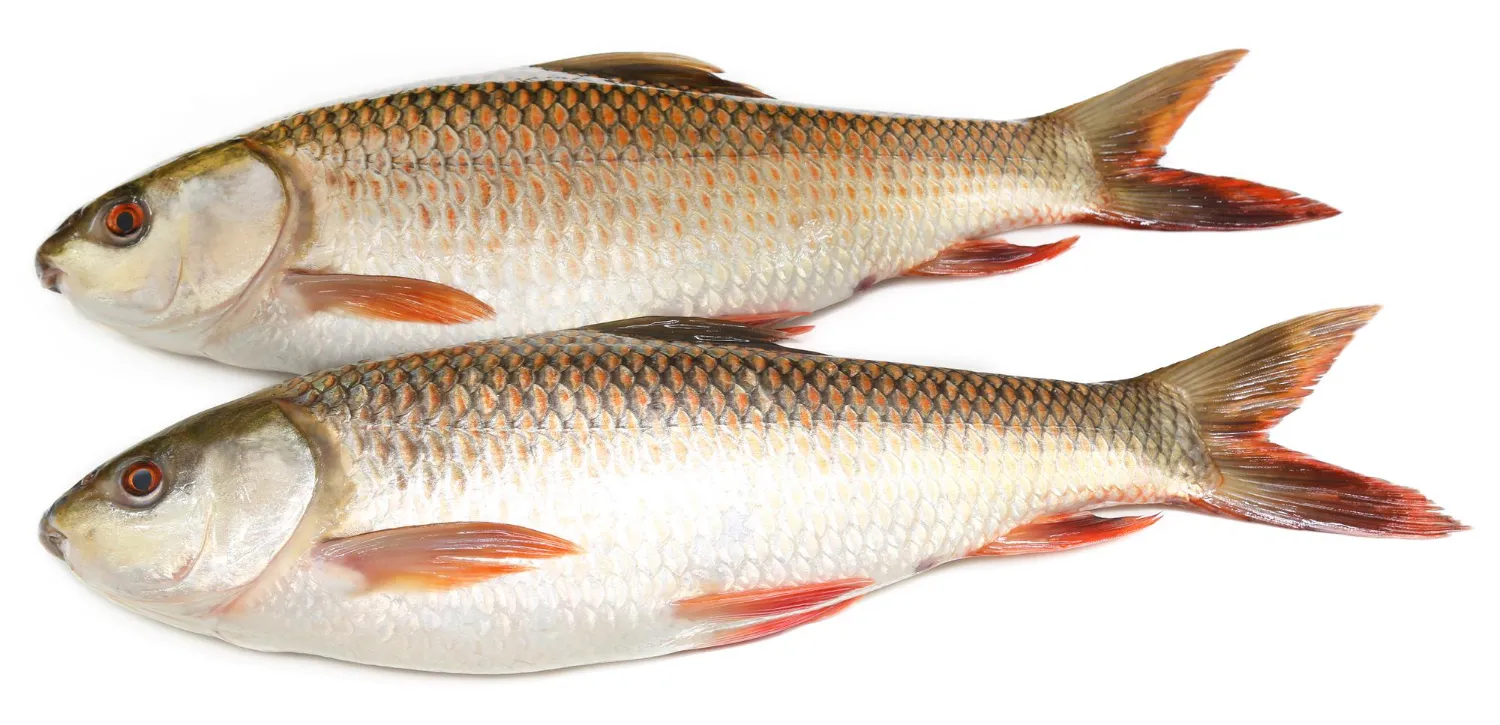
Discover the real health benefits of Rohu fish — from protein and omega-3s to heart and brain health. A must-read for Indian seafood lovers.
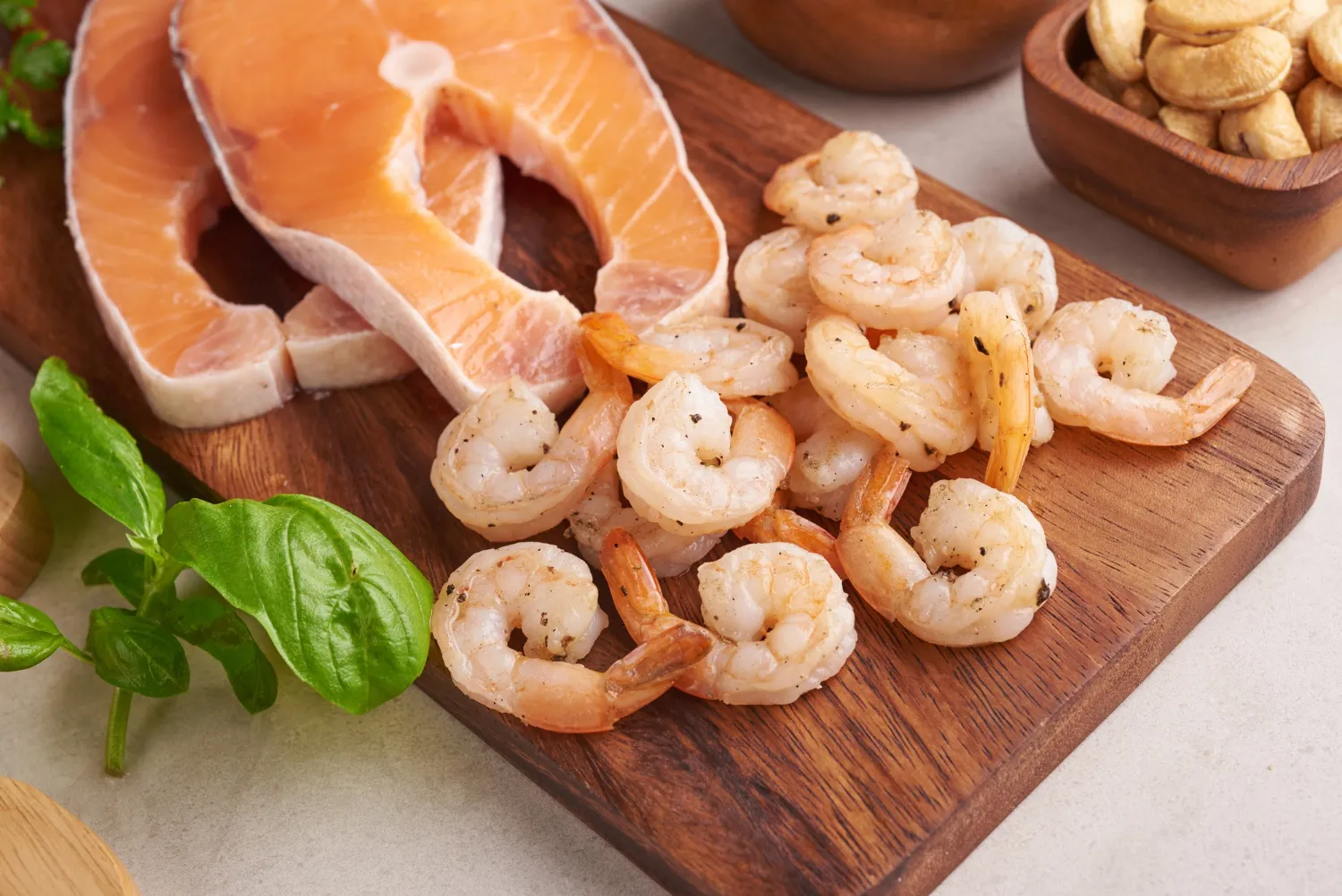
Prawns vs Fish: Which Is Better for Protein?
Prawns or fish — which gives you more protein? Compare nutrition, amino acids, calories, and real-world eating tips to pick the best option for your goals.

How to Use Ashwagandha for Stress and Energy
Learn how to use ashwagandha for stress relief and better energy — right dose, best timing, and practical tips backed by Ayurvedic and modern science.
Frequently Asked Questions
⚕️ Medical Disclaimer
This article is for informational and educational purposes only and is not a substitute for professional medical advice, diagnosis, or treatment. Always consult a qualified healthcare provider with any questions about a medical condition. Read full disclaimer.
Editorial note: This article was researched and written with the assistance of AI tools and reviewed by the Nutrikoo editorial team for accuracy and clarity. It is for general information only and is not medical advice. See our editorial policy.
Get healthy tips in your inbox
Join the Nutrikoo newsletter for science-backed nutrition, recipes and wellness — no spam, unsubscribe anytime.