

Is Frozen Fish as Healthy as Fresh Fish?

By A Reza, Health & Nutrition Writer
6 July 2026 · 6 min read · 42 views
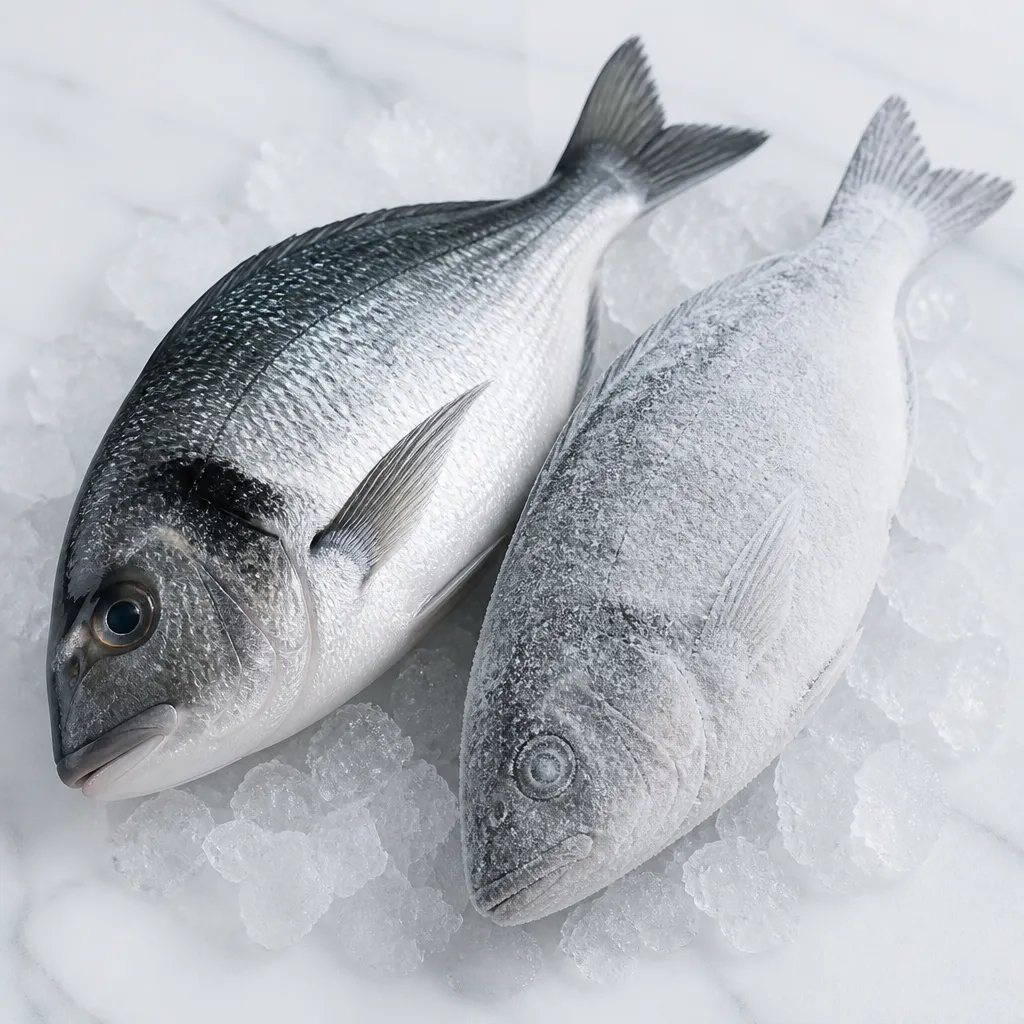
Wondering if frozen fish is as nutritious as fresh? Here's what the science actually says about protein, omega-3s, and when frozen might even win.
Is Frozen Fish as Healthy as Fresh Fish?
Picture this: it's a Tuesday evening, you're at the supermarket after work, and you're standing in front of a freezer aisle stacked with vacuum-packed fish fillets. Two aisles away, the "fresh" fish counter smells a little too pungent, and you can't quite tell when it arrived. You grab the frozen pack, then spend the drive home quietly wondering — did I just pick the less healthy option?
It's a question a lot of us have. And the answer is more reassuring than you might expect.
What "Fresh" Fish Actually Means
Here's something worth knowing: that glistening fish on ice at the wet market or supermarket counter isn't always what it seems. "Fresh" in the seafood world often means previously frozen, thawed, and displayed. Fish caught offshore can take days to reach your plate — especially in inland Indian cities like Delhi, Pune, or Hyderabad.
During that time, natural enzymes and bacteria get to work. Texture changes. Fatty acids can begin to oxidise. The fish you're calling "fresh" may actually be several days past its prime.
Truly fresh fish — bought the same morning at a coastal market, say in Chennai or Kochi — is absolutely excellent. But that's not most people's reality most of the time.
How Freezing Actually Affects Fish Nutrients
Modern commercial freezing, especially flash freezing (where fish is frozen rapidly at very low temperatures right after the catch), is remarkably good at locking in nutrition. Here's what research consistently shows:
- Protein: Largely unaffected by freezing. The amino acid profile you get from a frozen fillet is essentially the same as a fresh one.
- Omega-3 fatty acids: Well preserved in flash-frozen fish. Some studies have found minimal difference between fresh and frozen omega-3 content — good news if you're eating fish specifically for heart or brain health. (More on the best sources of these fats here.)
- Vitamins and minerals: Most are well retained. Some water-soluble B vitamins may be marginally reduced, but the loss is generally small.
The one downside? Texture can suffer slightly after freezing, particularly in delicate fish. Ice crystals form in the muscle tissue and can make the flesh a little softer after thawing. It's more of a cooking consideration than a health one.
When Frozen Fish Can Actually Be Better
There are a few scenarios where frozen fish genuinely has the upper hand:
1. Distance from the coast If you're in a landlocked city, frozen fish has often travelled in better condition than "fresh" fish that sat in transit for two or three days.
2. Safety Freezing kills certain parasites that can occasionally be present in raw fish. For anyone who eats lightly cooked or marinated fish, this matters.
3. Availability of variety Frozen aisles often carry species — salmon, basa, bream — that aren't available fresh at local markets. If variety is part of your goal, frozen gives you more options.


4. Reducing waste You use what you need, freeze the rest. No racing to cook fish before it turns.
Does It Matter Which Fish You Choose?
More than fresh vs. frozen, the species you pick has a bigger impact on nutritional value. Fatty fish like salmon, mackerel (Rastrelliger kanagurta), and sardines are rich in long-chain omega-3s regardless of whether they're fresh or frozen. Leaner white fish like tilapia or basa are lower in omega-3s in either form.
If you love Indian freshwater fish, the good news carries forward too — rohu (Labeo rohita) is nutritious and widely available both fresh and frozen across India.
When comparing fish to other protein sources, it tends to come out well — if you're curious how it stacks up, the comparison between prawns and fish for protein is worth reading.
What to Look for When Buying Frozen Fish
Not all frozen fish is created equal. A few things to check:
- No added water or brine: Some frozen fish is injected with water (listed as "retained water" on the label) to bulk up the weight. Look for products where fish is the only ingredient.
- Tight, unbroken packaging: Any tears or frost crystals inside the bag suggest temperature fluctuations during storage — a sign of poor handling.
- Clear labelling: Good frozen fish will tell you the species, country of origin, and catch method. Vague labelling is a red flag.
- Flash-frozen indication: Not always listed, but if it is, that's a quality signal.
Thawing and Cooking: Getting It Right
How you thaw frozen fish affects both safety and texture. The best method is overnight in the refrigerator — slow and controlled. If you're short on time, keep the fish sealed in its packaging and place it in a bowl of cold water for 30–60 minutes.
Avoid thawing at room temperature. It's a food safety issue, not just a quality one. Once thawed, cook the fish promptly and don't refreeze it.
For cooking, most methods work well — grilling, steaming, pan-frying. Just pat the fish dry before cooking to remove any excess moisture from thawing, especially if you want a nice sear.
A Word on Mercury and Contaminants
One concern people raise about fish — fresh or frozen — is mercury. Freezing does not remove mercury or other heavy metals. The mercury content is a function of species and where the fish was caught, not how it was stored.
Large, predatory fish like shark, swordfish, and king mackerel tend to accumulate more mercury. Smaller fish — sardines, anchovies, rohu, catla — are generally lower risk and fine to eat several times a week.
Latest Articles
Benefits of Eating Fish Twice a Week
Wondering if eating fish twice a week is really worth it? Here's what science and nutrition say about the real benefits for your heart, brain, and body.
Is It Safe to Eat Fish in Monsoon?
Wondering if fish is safe to eat during monsoon? Here's what actually changes — and how to enjoy seafood without the risk this rainy season.
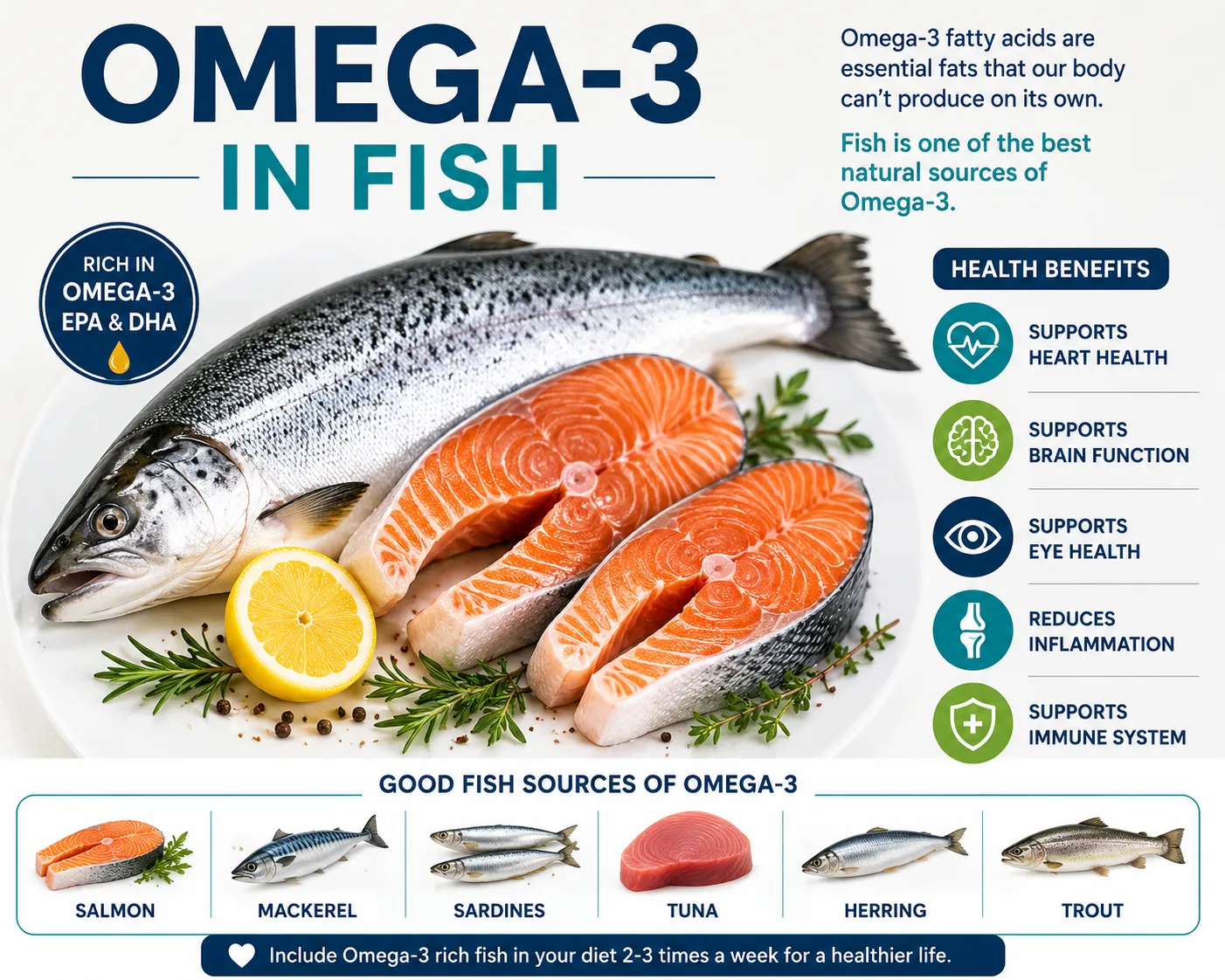
Omega-3 in Fish: Best Sources in India
Looking for omega-3-rich fish available in India? Compare the best local and coastal options, how they stack up, and how to eat them right.
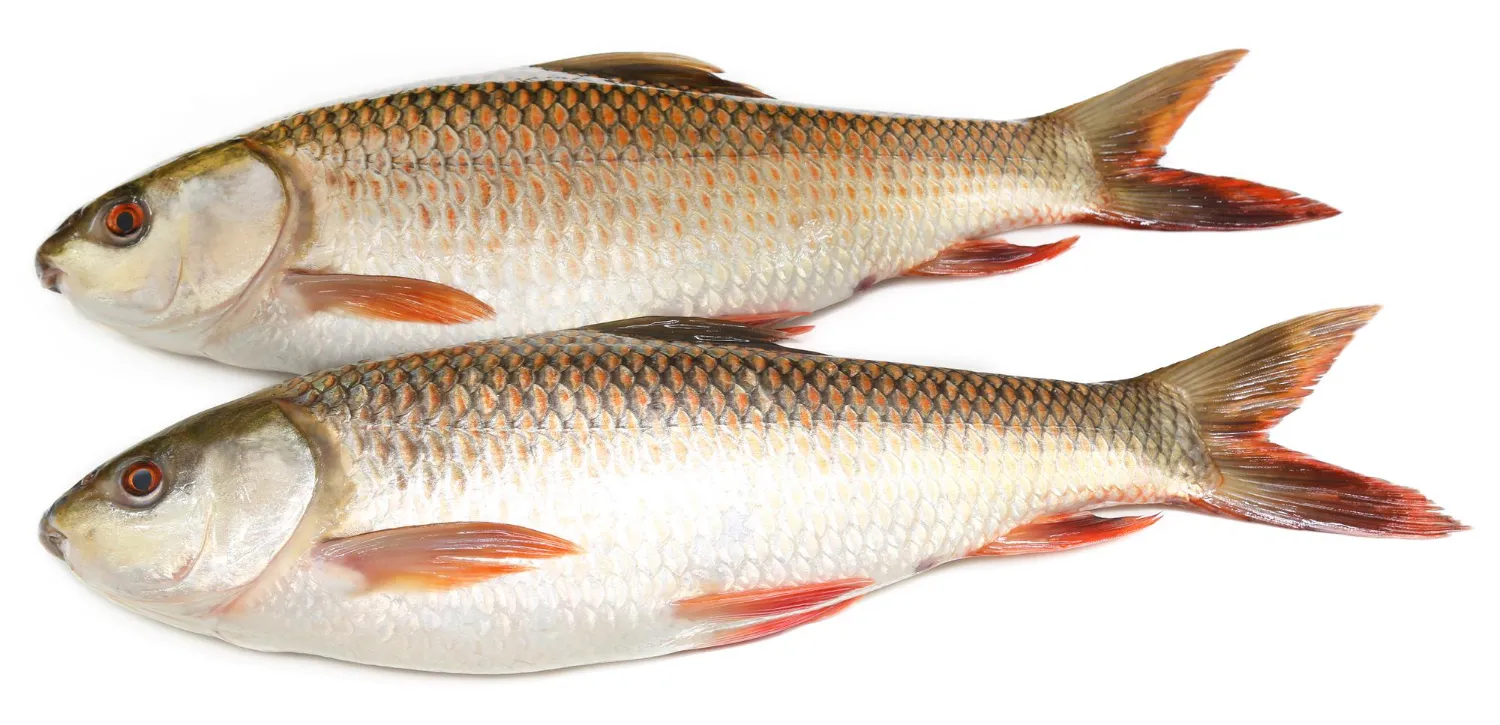
Rohu Fish Benefits for Health You Should Know
Discover the real health benefits of Rohu fish — from protein and omega-3s to heart and brain health. A must-read for Indian seafood lovers.
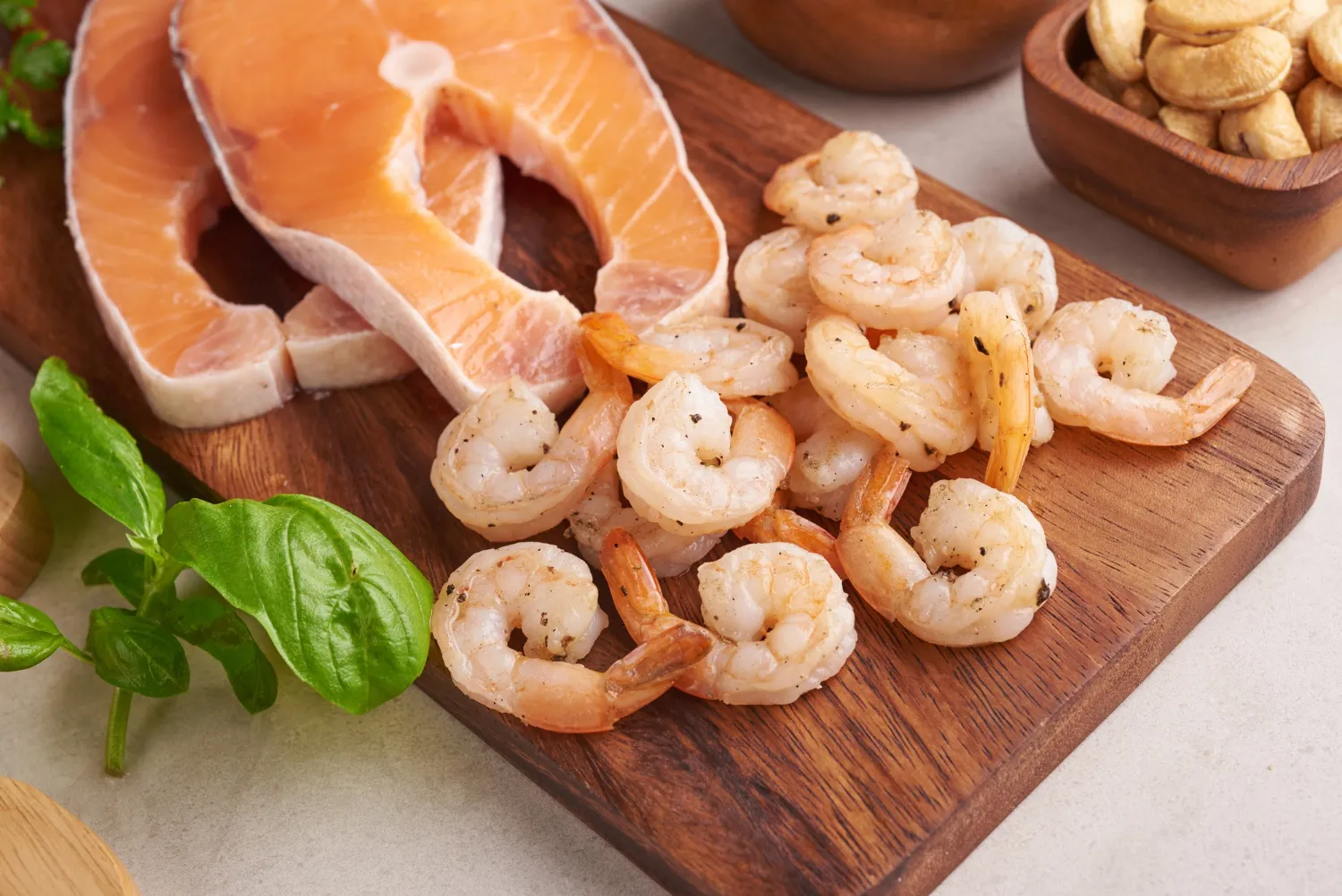
Prawns vs Fish: Which Is Better for Protein?
Prawns or fish — which gives you more protein? Compare nutrition, amino acids, calories, and real-world eating tips to pick the best option for your goals.
How to Use Ashwagandha for Stress and Energy
Learn how to use ashwagandha for stress relief and better energy — right dose, best timing, and practical tips backed by Ayurvedic and modern science.
Frequently Asked Questions
⚕️ Medical Disclaimer
This article is for informational and educational purposes only and is not a substitute for professional medical advice, diagnosis, or treatment. Always consult a qualified healthcare provider with any questions about a medical condition. Read full disclaimer.
Editorial note: This article was researched and written with the assistance of AI tools and reviewed by the Nutrikoo editorial team for accuracy and clarity. It is for general information only and is not medical advice. See our editorial policy.
Get healthy tips in your inbox
Join the Nutrikoo newsletter for science-backed nutrition, recipes and wellness — no spam, unsubscribe anytime.