

Turmeric vs Ginger for Inflammation: Which Wins?

By Payal, Content Reviewer
5 July 2026 · 6 min read · 0 views
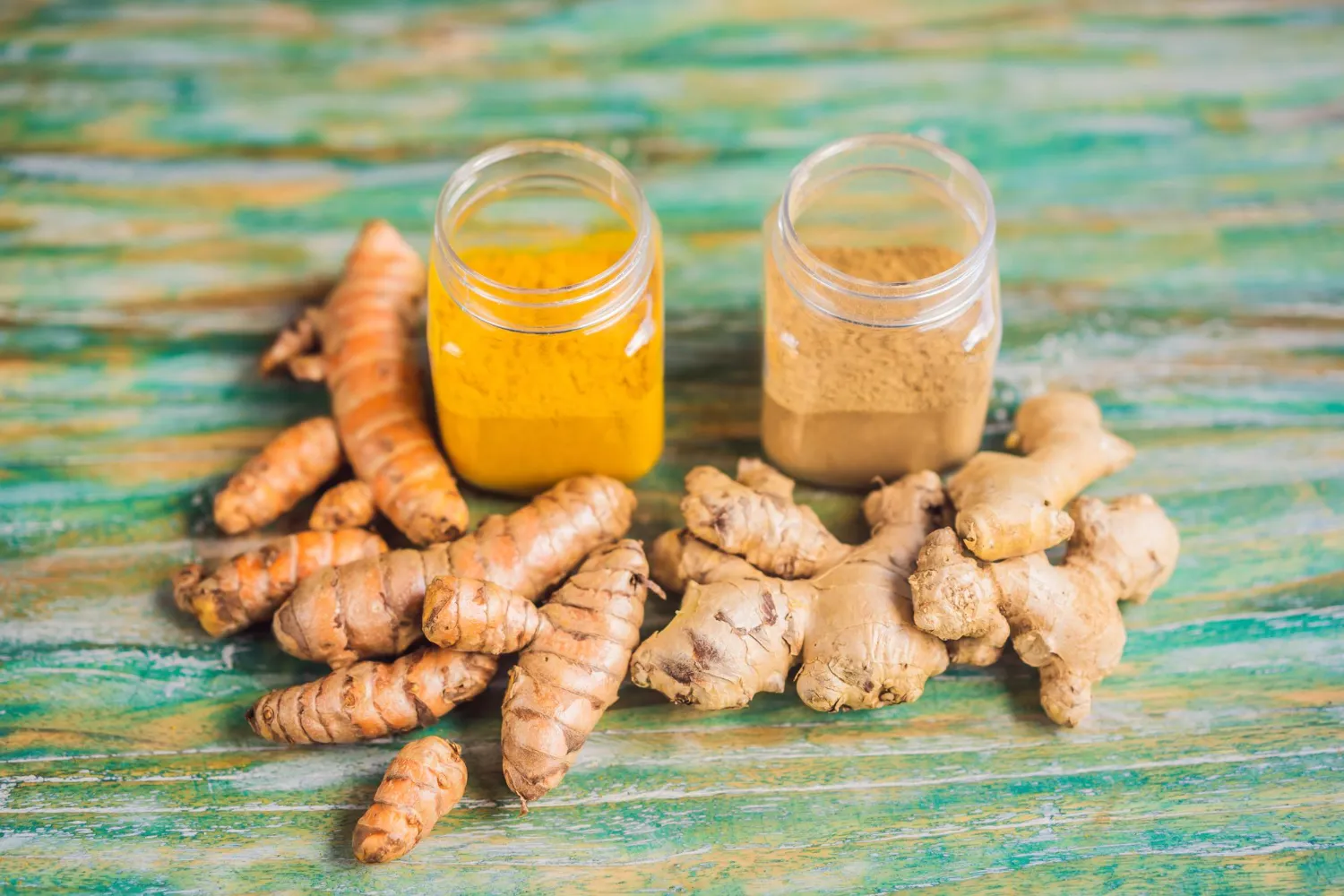
Turmeric or ginger — which spice fights inflammation better? Here's a practical, evidence-based guide to help you choose the right one for your needs.
Turmeric vs Ginger for Inflammation: Which One Should You Choose?
Both sit in almost every Indian kitchen. Both have been used in traditional medicine for centuries. And both are constantly recommended whenever someone mentions joint pain, a flare-up, or just wanting to eat "more anti-inflammatory." But turmeric and ginger are not the same thing — and knowing the difference can actually change how useful they are to you.
Let's walk through this properly, step by step.
Step 1: Understand What Each Spice Actually Does
Turmeric (Curcuma longa)
Turmeric's claim to fame is curcumin, the bright yellow compound responsible for most of its studied benefits. Curcumin works by blocking certain molecular pathways that trigger inflammation in the body — particularly something called NF-kB, a protein complex that plays a central role in the inflammatory response.
Research suggests curcumin may help with chronic, low-grade inflammation — the kind linked to conditions like arthritis, metabolic syndrome, and even gut issues. It's a slow, steady player. Think of it less like a painkiller and more like a long-term modulator.
Ginger (Zingiber officinale)
Ginger contains several active compounds — most notably gingerols (in fresh ginger) and shogaols (in dried ginger). These work differently from curcumin. They inhibit enzymes called COX and LOX, which are the same targets as some common over-the-counter anti-inflammatory medications.
This makes ginger feel more immediately effective for certain things — like muscle soreness after exercise, nausea, or acute joint discomfort. If turmeric is the slow burn, ginger is the quicker responder.
Step 2: Compare Them on Specific Inflammation-Related Concerns
This is where most guides get vague. Let's be specific.
Joint Pain and Arthritis
Both spices have been studied for osteoarthritis and rheumatoid arthritis. Several clinical trials on ginger extract show meaningful reductions in knee pain and stiffness. Curcumin studies show similar results, and some research suggests it may match ibuprofen for mild-to-moderate osteoarthritis pain — though doses used in studies are much higher than what you'd get from cooking.
Practically speaking? Both help. If you had to pick one for joint pain specifically, the evidence for ginger is slightly more consistent in head-to-head trial quality, but turmeric has a larger volume of research overall.
Muscle Soreness After Exercise
Ginger wins here. Studies on delayed onset muscle soreness (DOMS) — that ache you feel 24-48 hours after a hard workout — show that consuming ginger regularly (even just 2g a day) can reduce pain and speed recovery. Turmeric has some evidence here too, but ginger's faster-acting mechanism makes it the better fit.
Gut Inflammation
Interestingly, both help, but through different routes. Ginger is particularly well-studied for its effects on digestion and gut motility — you can read more about that in our detailed look at ginger for digestion. Turmeric has shown promise for inflammatory bowel conditions, though the evidence is still building.
Systemic or Chronic Inflammation
If your goal is addressing long-term, whole-body inflammation — the kind that quietly underlies many lifestyle diseases — turmeric (curcumin) gets the edge, largely because of the sheer volume of research and its direct action on inflammatory gene expression.
Step 3: Know the Catch with Each
The Bioavailability Problem with Turmeric
Here's something most people don't realize: curcumin on its own is poorly absorbed by your body. You eat a teaspoon of turmeric, and most of the curcumin passes right through. The fix? Combine it with black pepper. Piperine, the compound in black pepper, increases curcumin absorption by up to 20 times. A small pinch of pepper alongside your turmeric — in a curry, a warm drink, or a supplement — makes a real difference.
Fat also helps. Curcumin is fat-soluble, so having turmeric with a meal that contains some healthy fat improves uptake.
Ginger Is Gentler on Absorption, But Watch the Dose
Fresh ginger is generally well-tolerated and absorbs reasonably well. Dried ginger (like powder) has higher concentrations of shogaols, which are more potent but can be harsher on an empty stomach for some people. Start with small amounts and build up.
Large doses of either spice — especially in supplement form — can occasionally cause digestive discomfort or interact with blood-thinning medications. That's worth knowing before going heavy on either one.
Step 4: Choose How to Actually Use Them
You don't need to overhaul your diet. Here are realistic, everyday ways to get meaningful amounts of both:
For turmeric:
- Add half a teaspoon to dal, sabzi, or scrambled eggs with a crack of black pepper
- Make haldi doodh (golden milk) with warm milk, turmeric, black pepper, and a little fat like ghee or coconut milk
- Use turmeric-black pepper capsules if you want a more consistent dose
For ginger:
- Fresh ginger grated into chai, soups, or chutneys
- Ginger tea — a few slices steeped in hot water with lemon
- Add dried ginger powder to smoothies or baked goods
The most practical approach for most people: use both regularly in cooking and consider a targeted supplement only if you're addressing a specific condition under guidance.
Step 5: Should You Combine Them?
Yes, and this is actually what most traditional Indian cooking already does. Turmeric and ginger together — in a curry base, a warming tea, or a kadha — cover more ground than either does alone. Their mechanisms are complementary, not redundant.
There's even growing interest in the gut health benefits of combining these spices with other anti-inflammatory foods — something worth keeping in mind if you're also working on improving your gut health overall. Our guide to the best Indian foods for a healthy gut has some good starting points for building that kind of diet.
And if you're exploring other powerful herbs alongside these two, it's worth knowing how other traditional remedies like Tulsi stack up for immunity — because inflammation and immune function are closely connected.
Latest Articles
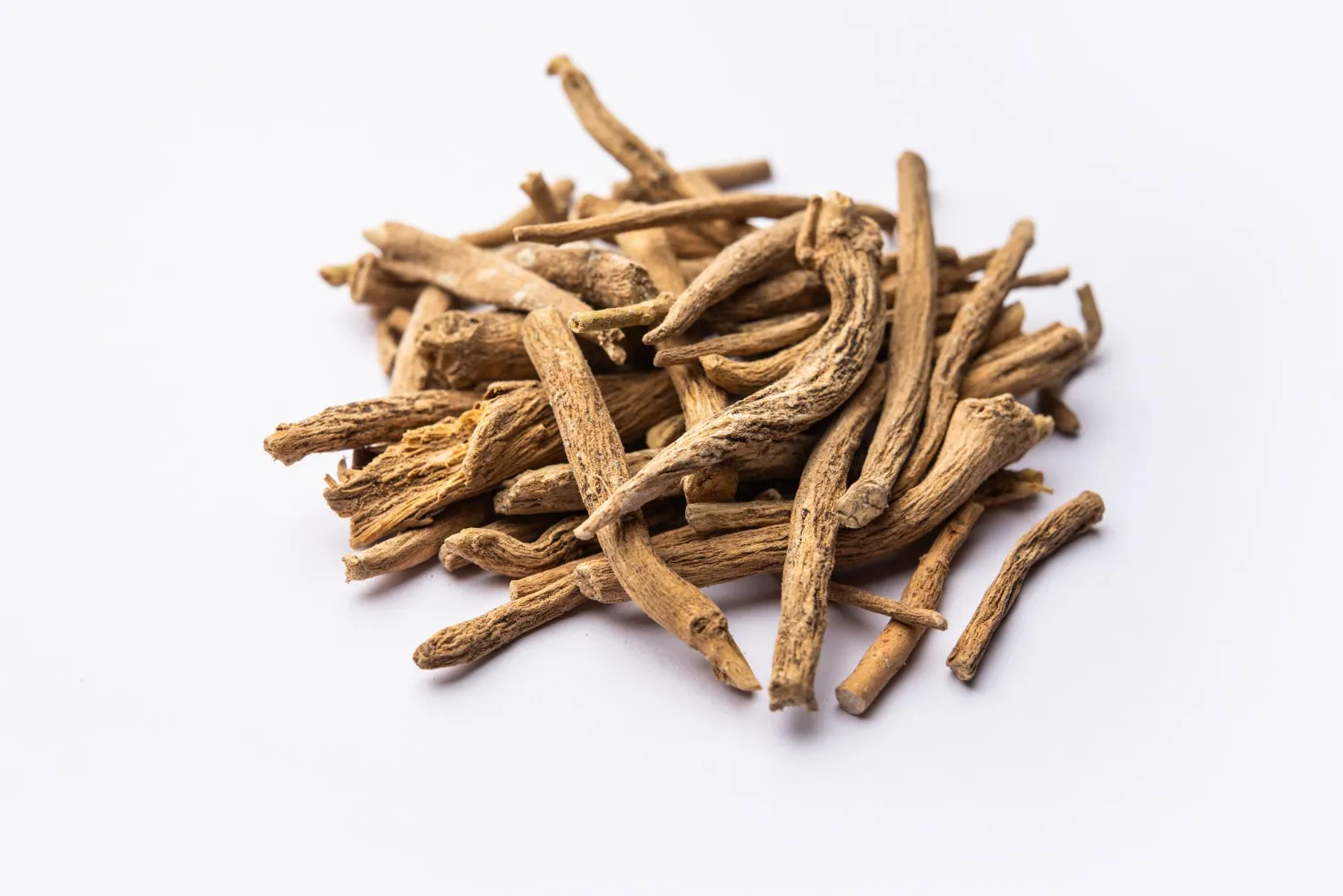
How to Use Ashwagandha for Stress and Energy
Learn how to use ashwagandha for stress relief and better energy — right dose, best timing, and practical tips backed by Ayurvedic and modern science.
Black Pepper for Immunity: Real Benefits Explained
Black pepper does more than season your food. Discover how piperine boosts immunity, fights inflammation, and why this humble spice deserves more credit.
Ginger for Digestion: Does It Really Work?
Bloated after a heavy meal? Ginger has been used for centuries to ease digestion. Here's what science and tradition actually say about how it works.
Tulsi for Monsoon Immunity: Real Benefits
Discover how tulsi boosts immunity during monsoon season, fights infections, and supports respiratory health — with practical ways to use it daily.
Psyllium Husk for Gut Health: Real Benefits
Discover how psyllium husk supports digestion, relieves constipation, and feeds good gut bacteria — plus how to use it safely every day.
How to Improve Gut Health in Monsoon Season
Monsoon plays havoc with digestion. Here's how to protect your gut health this rainy season with smart food choices, hydration tips, and simple habits.
Frequently Asked Questions
⚕️ Medical Disclaimer
This article is for informational and educational purposes only and is not a substitute for professional medical advice, diagnosis, or treatment. Always consult a qualified healthcare provider with any questions about a medical condition. Read full disclaimer.
Editorial note: This article was researched and written with the assistance of AI tools and reviewed by the Nutrikoo editorial team for accuracy and clarity. It is for general information only and is not medical advice. See our editorial policy.
Get healthy tips in your inbox
Join the Nutrikoo newsletter for science-backed nutrition, recipes and wellness — no spam, unsubscribe anytime.