

Is It Safe to Eat Fish in Monsoon?

By A Reza, Health & Nutrition Writer
6 July 2026 · 7 min read · 14 views
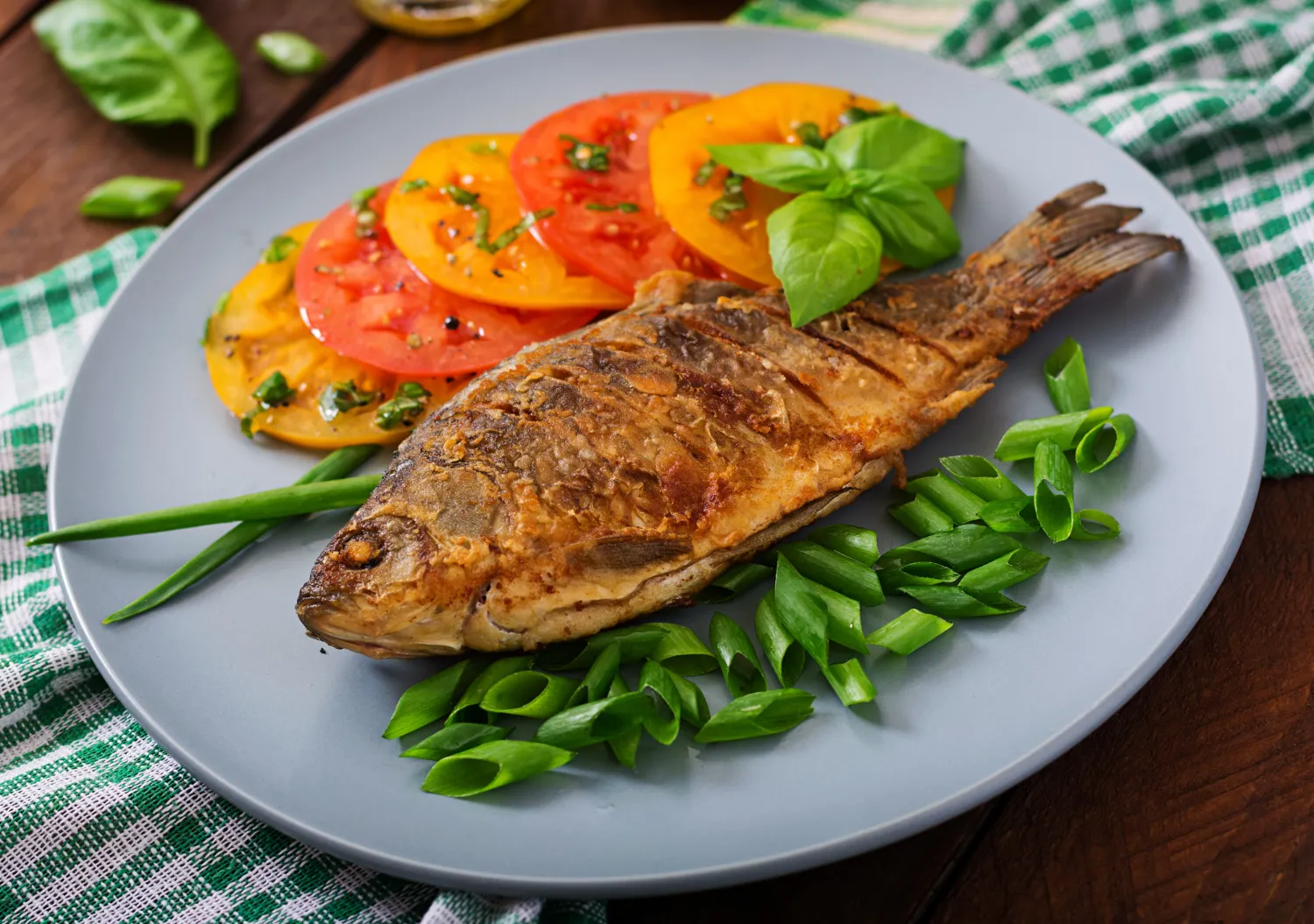
Wondering if fish is safe to eat during monsoon? Here's what actually changes — and how to enjoy seafood without the risk this rainy season.
Is It Safe to Eat Fish in Monsoon?
Every year, as the first rains hit, someone's mother or grandmother announces: "No fish until the monsoon is over." You've probably heard this. Maybe you've ignored it. Maybe you've followed it without quite knowing why. The truth, as usual, sits somewhere between a blanket ban and total indifference — and it's worth understanding properly.
So let's break it down honestly: what actually changes about fish during monsoon, which concerns are real, and which ones are more habit than hard science.
Why Monsoon Changes the Picture for Fish
The short answer is that several things happen simultaneously during the rainy season — to the fish themselves, to the water they live in, and to the supply chain that brings them to your plate. These factors don't always add up to "dangerous," but they do add up to "be more careful than usual."
The Spawning Season Problem
For many popular fish species in India — hilsa (Tenualosa ilisha), rohu (Labeo rohita), and several marine varieties — monsoon is breeding season. Fish are more stressed and physically depleted during spawning, which affects their texture, fat content, and overall quality. A hilsa caught mid-spawn simply doesn't taste or nourish the same way it does in winter.
More practically, catching fish during breeding season depletes fish populations. This is why the Indian government imposes a fishing ban in coastal waters between roughly April and June (timing varies by state and sea). The ban lifts just as the monsoon hits, which means a sudden surge of fish entering the market — sometimes faster than cold storage and transport systems can handle well.
Water Quality Drops Significantly
Heavy rains wash agricultural runoff, sewage, and sediment into rivers, lakes, and coastal waters. Freshwater fish in particular are exposed to higher bacterial loads and potential contaminants during this period. The water they live in is genuinely different — murkier, warmer in some areas, and richer in microorganisms.
Contrast this with the pre-monsoon months of March to May, when rivers run clearer and coastal waters are calmer. The difference in the environment fish live in is real and measurable, not just folklore.
The Supply Chain Gets Complicated
This is honestly the biggest practical concern. Warm, humid monsoon air is the enemy of fresh fish. Fish spoils faster in high humidity and heat. Transportation delays, power cuts affecting cold storage, and waterlogged roads during heavy rains mean that fish sitting in a market stall may have spent longer getting to you than it would in December.
The comparison is stark: a piece of pomfret bought from a well-supplied coastal fish market in January versus the same fish sitting in a non-refrigerated inland market in July are two very different propositions.
Sea Fish vs Freshwater Fish: Which Is Riskier?
This is where the comparison really matters.

Sea fish (pomfret, surmai/kingfish, tuna, mackerel) generally fare a bit better in quality terms during monsoon, especially if you're buying from a coastal city with a functioning cold chain. The post-ban period actually brings a fresh catch. That said, rough seas mean fishing boats go out less frequently, so supply can be patchy and fish may not be as fresh as it appears.
Freshwater fish (rohu, catla, tilapia) face greater risk during monsoon because river water quality drops considerably. Rohu is a nutritious fish with real health benefits year-round, but during monsoon, sourcing matters more than usual. If you're buying rohu from a reliable fish farm (aquaculture) rather than river catch, the risk profile is lower.
Prawns and shellfish are the category to be most cautious with. They are filter feeders, which means they concentrate whatever is in the water — including bacteria and pathogens. If you enjoy comparing prawns and fish for their protein value, note that in monsoon, prawns from uncertain sources carry a higher food safety risk than most finfish.
What the Risks Actually Look Like
Eating poorly handled fish in monsoon doesn't guarantee illness, but it does raise your chances of:
- Bacterial food poisoning — nausea, vomiting, and diarrhoea, typically from Salmonella, Vibrio, or Listeria species
- Anisakiasis — a parasitic infection from undercooked fish (rare but real)
- Gastrointestinal upset — even sub-clinical spoilage can cause digestive distress, especially if your gut is already dealing with the broader challenges of monsoon season
None of these are unique to monsoon, but the conditions that cause them — heat, humidity, compromised cold storage, stressed fish — are all more common during the rains.
So Should You Avoid Fish Entirely?
Not necessarily. The advice isn't "avoid fish" so much as "be selective about which fish and where you buy it."
Here's a practical way to think about it:
- Buy from a trusted, refrigerated source. A fishmonger who keeps fish on ice and has high turnover is a different story from a roadside stall with fish sitting in the open air.
- Opt for farmed fish over wild-caught freshwater fish during peak monsoon months (July and August especially). Aquaculture fish aren't exposed to the same contaminated waterways.
- Cook fish thoroughly. This sounds obvious but bears repeating — properly cooked fish (internal temperature above 63°C / 145°F) eliminates most bacterial risk. Now is not the time for lightly seared or semi-raw preparations.
- Frozen fish is a reasonable option. Frozen fish caught pre-monsoon and stored well retains most of its nutritional value. If you're curious how it compares, frozen fish vs fresh fish in terms of nutrition is a question worth reading up on.
- Skip the smell test alone. Fish can smell acceptable but still harbour bacteria beyond safe levels in warm weather. Look for clear eyes, firm flesh, and moist (not slimy) skin.
The Nutritional Case for Continuing (Carefully)
Here's the thing — fish is genuinely good for you. The omega-3 fatty acids in oily fish support heart health, brain function, and inflammation. Giving up fish entirely for three or four months is a real nutritional trade-off, especially for people who rely on it as their primary protein source.
If you want to keep eating fish through monsoon, the answer isn't a ban — it's better sourcing habits. India has a growing aquaculture sector, and farmed rohu, tilapia, and catfish are widely available and not subject to the same river-water quality concerns as wild catch. You can also look at the best omega-3 fish sources available in India to understand which species give you the most nutritional return regardless of season.
Latest Articles
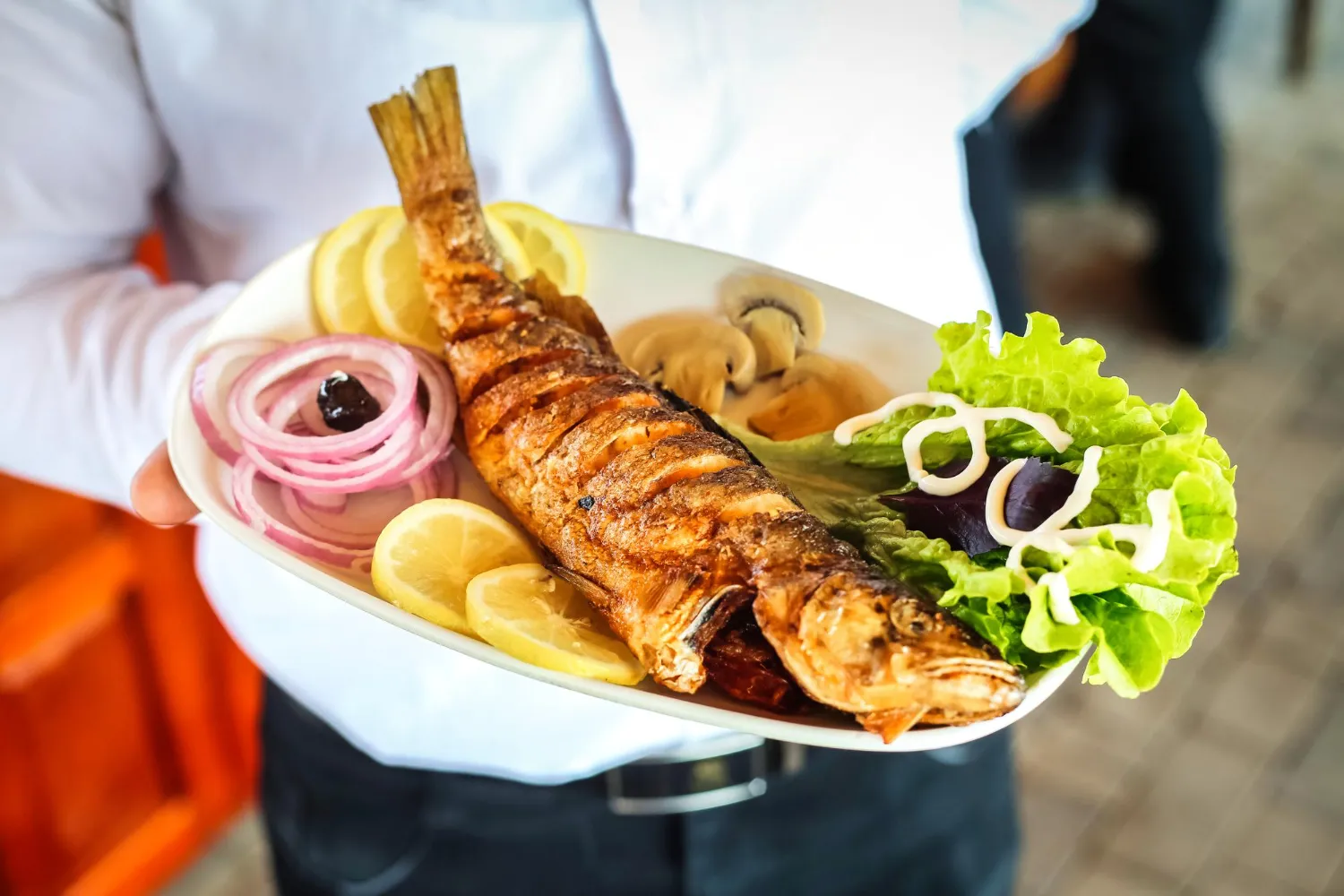
Benefits of Eating Fish Twice a Week
Wondering if eating fish twice a week is really worth it? Here's what science and nutrition say about the real benefits for your heart, brain, and body.
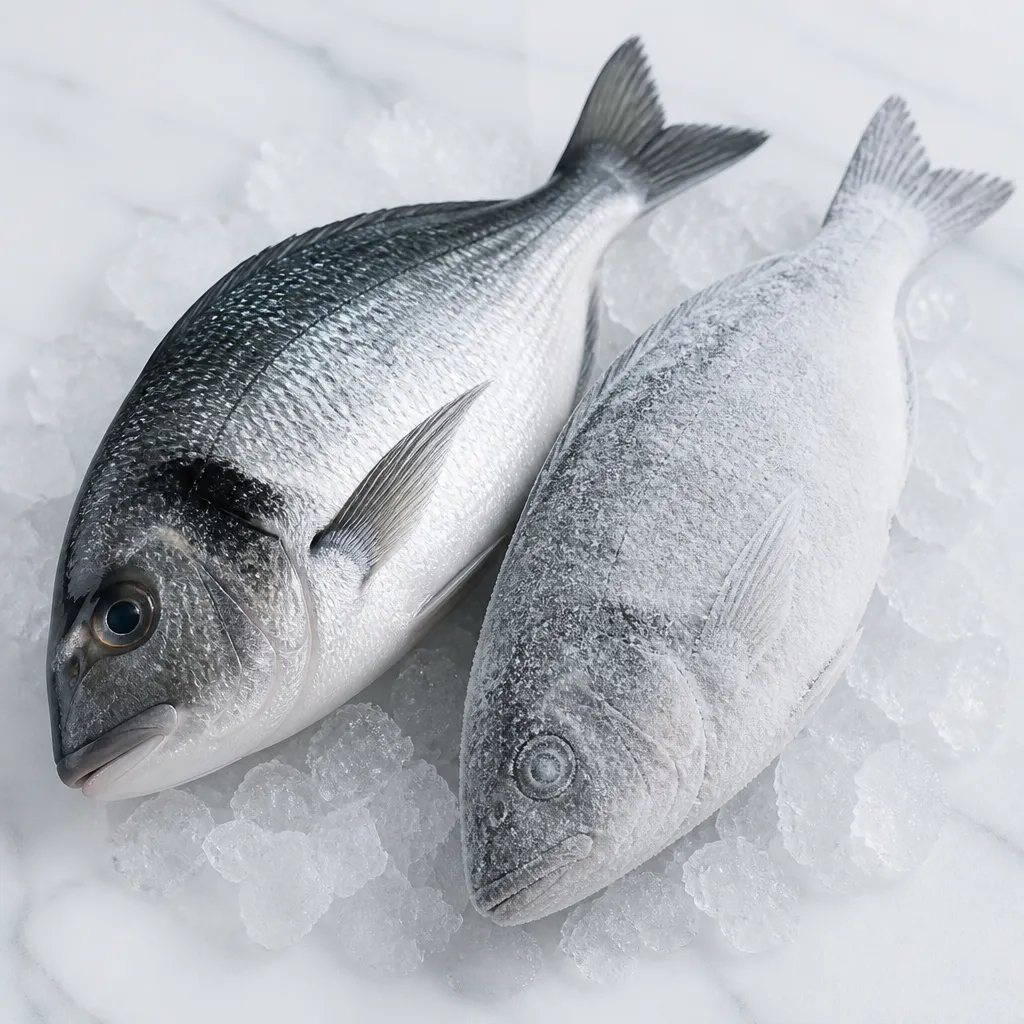
Is Frozen Fish as Healthy as Fresh Fish?
Wondering if frozen fish is as nutritious as fresh? Here's what the science actually says about protein, omega-3s, and when frozen might even win.
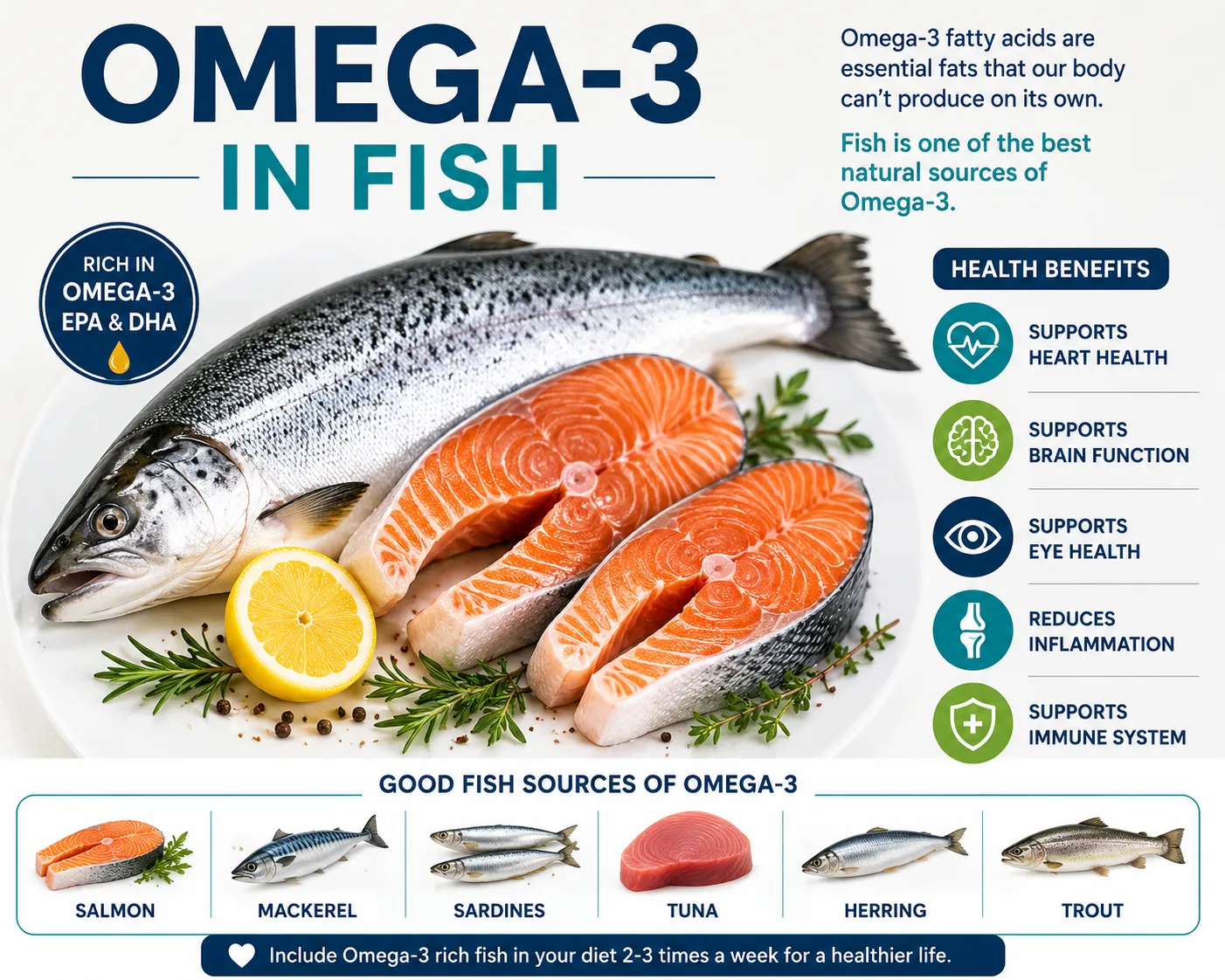
Omega-3 in Fish: Best Sources in India
Looking for omega-3-rich fish available in India? Compare the best local and coastal options, how they stack up, and how to eat them right.
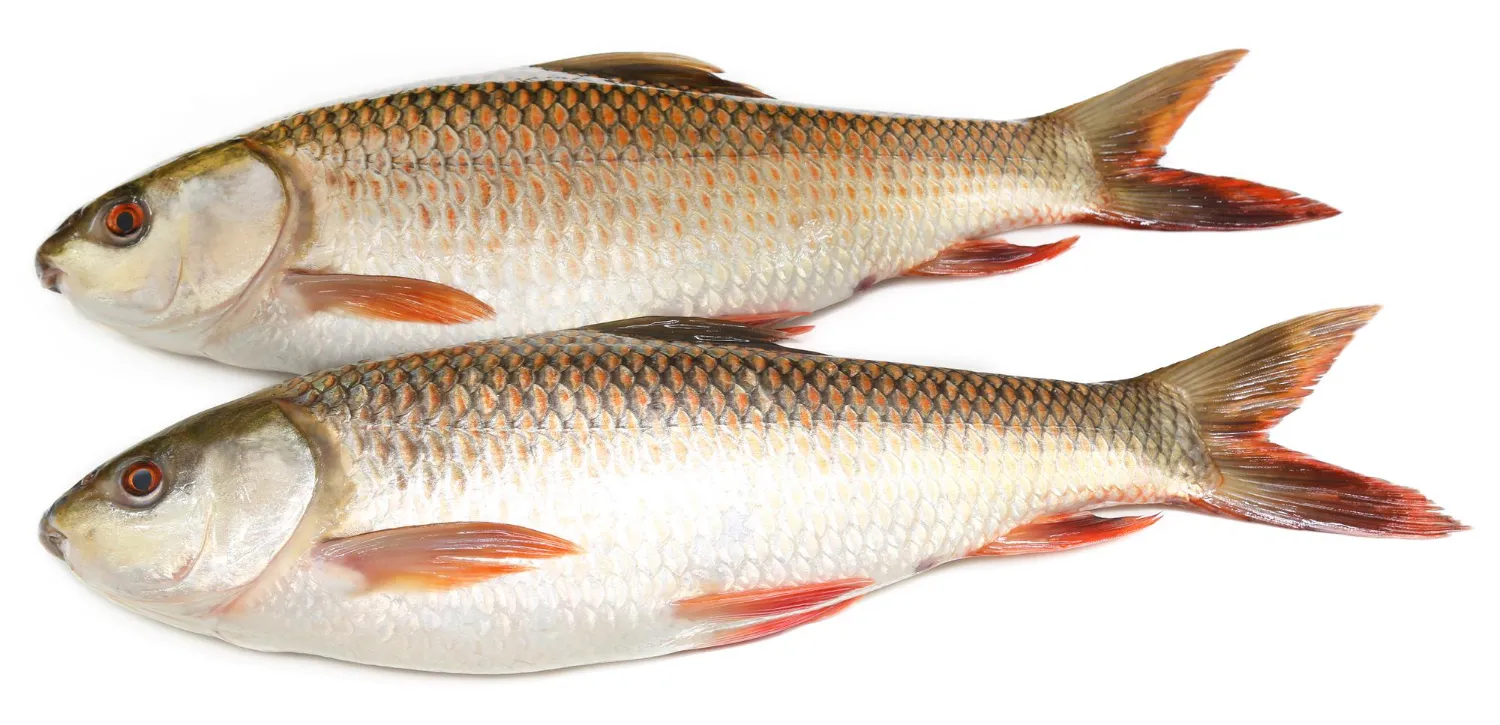
Rohu Fish Benefits for Health You Should Know
Discover the real health benefits of Rohu fish — from protein and omega-3s to heart and brain health. A must-read for Indian seafood lovers.
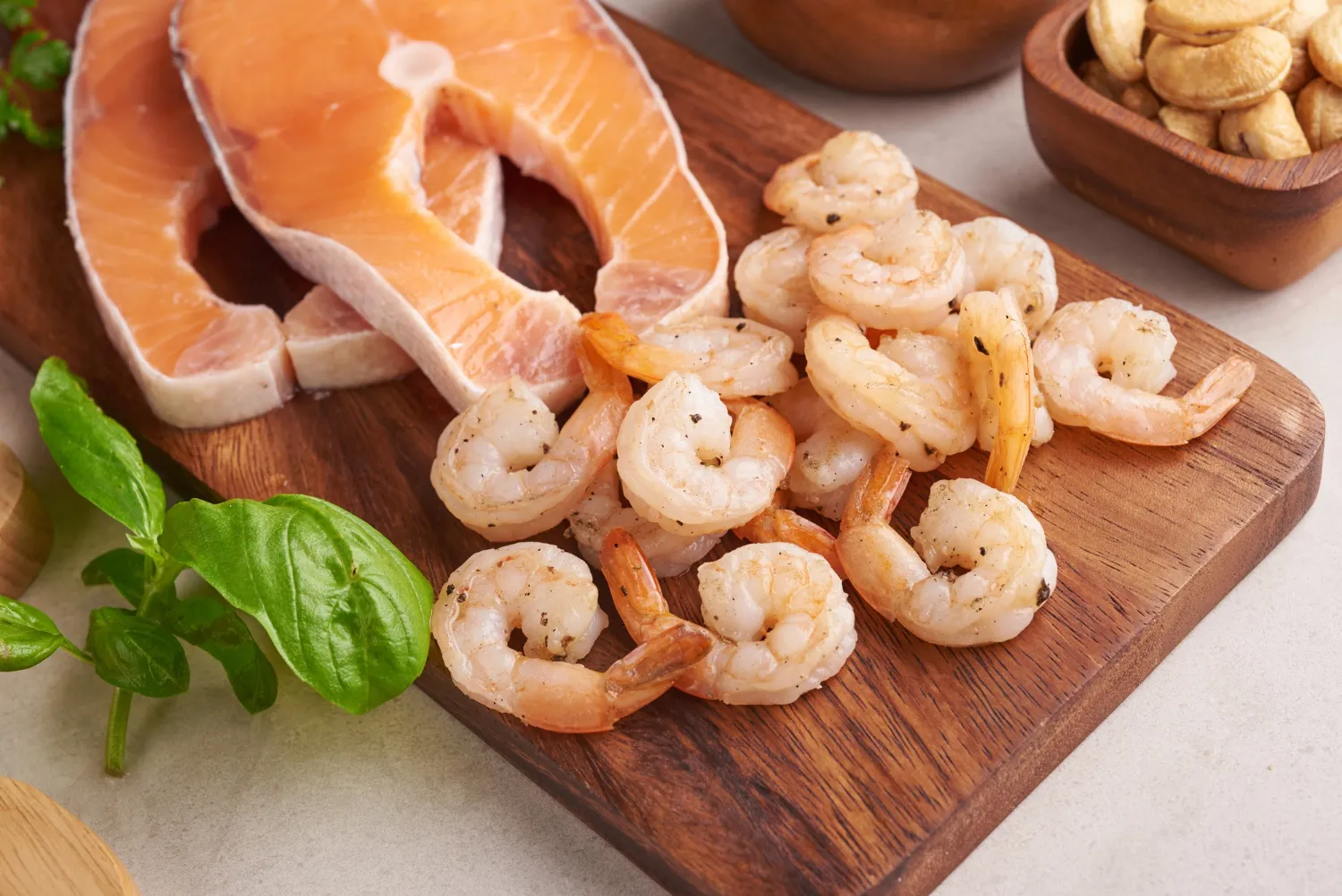
Prawns vs Fish: Which Is Better for Protein?
Prawns or fish — which gives you more protein? Compare nutrition, amino acids, calories, and real-world eating tips to pick the best option for your goals.
How to Use Ashwagandha for Stress and Energy
Learn how to use ashwagandha for stress relief and better energy — right dose, best timing, and practical tips backed by Ayurvedic and modern science.
Frequently Asked Questions
⚕️ Medical Disclaimer
This article is for informational and educational purposes only and is not a substitute for professional medical advice, diagnosis, or treatment. Always consult a qualified healthcare provider with any questions about a medical condition. Read full disclaimer.
Editorial note: This article was researched and written with the assistance of AI tools and reviewed by the Nutrikoo editorial team for accuracy and clarity. It is for general information only and is not medical advice. See our editorial policy.
Get healthy tips in your inbox
Join the Nutrikoo newsletter for science-backed nutrition, recipes and wellness — no spam, unsubscribe anytime.