

Black Pepper for Immunity: Real Benefits Explained

By Payal, Content Reviewer
5 July 2026 · 7 min read · 1 views
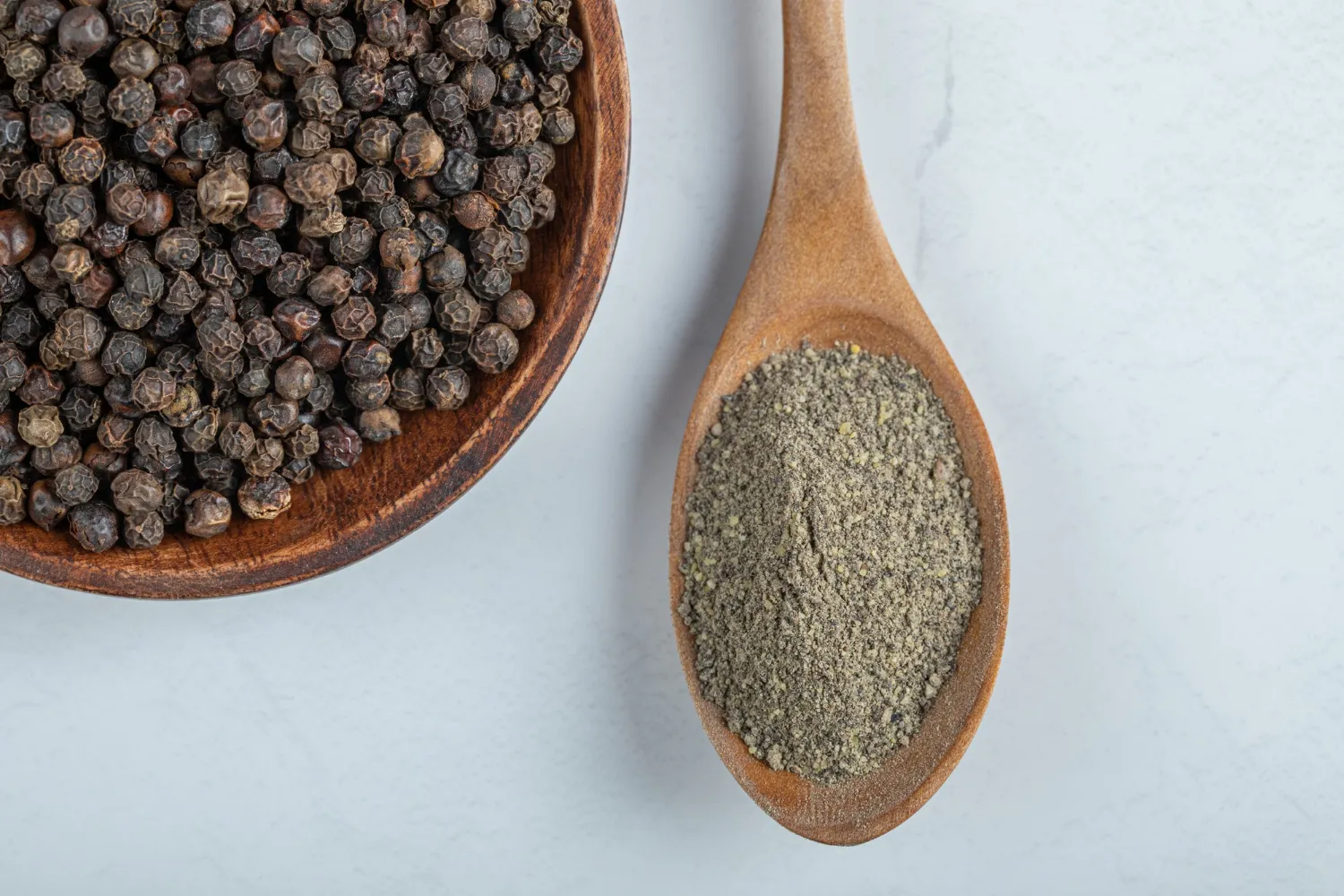
Black pepper does more than season your food. Discover how piperine boosts immunity, fights inflammation, and why this humble spice deserves more credit.
Black Pepper for Immunity: Real Benefits Explained
You probably reach for black pepper every single day — shaking it over eggs, stirring it into dal, grinding it fresh onto a salad. It's so ordinary that most people never stop to ask whether it's actually doing anything for their health. Turns out, it is. Quite a lot, actually.
Black pepper (Piper nigrum), often called the "king of spices," has been used in Ayurvedic and traditional medicine for centuries. But unlike some ancient remedies that crumble under scientific scrutiny, black pepper holds up surprisingly well — especially when it comes to immunity.
What Makes Black Pepper Special? Meet Piperine
The active compound responsible for most of black pepper's health benefits is piperine. It's what gives pepper its characteristic heat (different from the capsaicin burn of chillies), and it's what researchers have been studying most closely.
Piperine works in a few interesting ways. It has antioxidant and anti-inflammatory properties on its own. But its most impressive trick? It dramatically increases how well your body absorbs other nutrients — sometimes by as much as several times over. This is why the classic combination of turmeric and black pepper isn't just culinary tradition; it's biochemically smart. Piperine can significantly enhance the bioavailability of curcumin, turmeric's key compound. If you're curious how turmeric and ginger compare for fighting inflammation, this breakdown of turmeric vs ginger for inflammation is worth a read.
Black Pepper vs Other Common Immunity Spices
Here's where a comparison helps clarify things. Indian kitchens have no shortage of immune-supporting spices — tulsi, ginger, turmeric, cardamom. Each has its strengths. So where does black pepper actually stand?
Black pepper vs turmeric: Turmeric gets far more attention for immunity and inflammation, and for good reason — curcumin is a potent compound. But curcumin is poorly absorbed on its own. Black pepper, by boosting curcumin absorption through piperine, essentially amplifies turmeric's benefits. They work better together than either does alone.
Black pepper vs ginger: Ginger has well-documented digestive and anti-nausea benefits, and some anti-inflammatory action too. Black pepper overlaps with ginger in supporting digestion and reducing inflammation, but piperine's role in nutrient absorption is unique — ginger doesn't do that the same way.
Black pepper vs tulsi: Tulsi (Ocimum tenuiflorum) is probably the strongest standalone immunity herb in the Indian tradition, particularly for respiratory health. Tulsi's benefits during monsoon season are well established. Black pepper complements tulsi rather than competing with it — many traditional kadha (herbal decoction) recipes include both.
The honest picture: black pepper is rarely the headline act, but it's almost always in the supporting cast — and often an essential one.
How Black Pepper Actually Supports Immunity
It's a Meaningful Source of Antioxidants
Free radicals are unstable molecules that can damage cells and gradually wear down immune function. Antioxidants neutralise them. Piperine has demonstrated antioxidant activity in lab studies, helping to reduce oxidative stress. You won't get the antioxidant load from black pepper that you'd get from, say, a bowl of berries — but a consistently antioxidant-rich diet is about many small contributions, and black pepper is a regular, effortless one.
It Has Anti-Inflammatory Properties


Chronic, low-grade inflammation is increasingly understood as a factor that weakens immune responses over time. Piperine has been shown to interfere with certain inflammatory pathways in the body. This doesn't mean grinding extra pepper on your food will resolve inflammation — but it contributes to a dietary pattern that keeps it in check.
It May Support Gut Health — and That Matters for Immunity
Here's something that often surprises people: a large portion of your immune system is located in your gut. The gut microbiome and immune function are closely intertwined. Black pepper has traditionally been used to support digestion, and some research suggests piperine may have a positive effect on gut bacteria balance and the gut lining.
If you're interested in how diet shapes gut health more broadly, the best Indian foods for a healthy gut covers some of the most useful options from an everyday Indian diet perspective.
It Boosts the Effectiveness of Other Immune-Supporting Nutrients
This is arguably piperine's most underrated contribution. Nutrients like vitamin C, vitamin D, selenium, and various plant compounds can be absorbed at low rates depending on the food and the individual. Piperine's ability to increase nutrient bioavailability means that eating black pepper alongside other nutritious foods may make those foods work harder for you.
Respiratory Support — Especially in Cold and Monsoon Seasons
Black pepper has long been a go-to in home remedies for coughs, colds, and congestion. There's a reason Indian grandmothers put kali mirch in everything during winter. While it's not a cure, pepper's mild antimicrobial properties and its ability to stimulate mucous membranes may genuinely offer some relief and support respiratory immunity.
How Much Black Pepper Should You Actually Eat?
You don't need to start swallowing tablespoons of pepper. Most of the traditional uses and the research that exists involve amounts comparable to normal culinary use — roughly half a teaspoon to a full teaspoon per day, split across meals.
A few practical ways to work it in:
- Add freshly ground black pepper to soups, dals, and sabzis
- Stir a pinch into your morning turmeric milk (haldi doodh)
- Include it in your homemade kadha during the monsoon or winter
- Season salads, eggs, or roasted vegetables generously
Fresh grinding matters. Pre-ground pepper loses volatile compounds relatively quickly, so a small pepper grinder is genuinely worth the investment.
Are There Any Downsides?
For most people, culinary amounts of black pepper are completely safe. In large quantities, it can cause digestive discomfort — heartburn or stomach irritation — in people who are already prone to acidity. If you take certain medications, piperine's effect on absorption could theoretically alter how drugs are metabolised, so it's worth mentioning to your doctor if you're on regular medication and planning to take concentrated pepper supplements (not the same as cooking with it normally).
Supplements containing concentrated piperine are a different story from using pepper as a spice. Stick to food-first thinking unless a healthcare provider suggests otherwise.
Latest Articles
How to Use Ashwagandha for Stress and Energy
Learn how to use ashwagandha for stress relief and better energy — right dose, best timing, and practical tips backed by Ayurvedic and modern science.
Turmeric vs Ginger for Inflammation: Which Wins?
Turmeric or ginger — which spice fights inflammation better? Here's a practical, evidence-based guide to help you choose the right one for your needs.
Ginger for Digestion: Does It Really Work?
Bloated after a heavy meal? Ginger has been used for centuries to ease digestion. Here's what science and tradition actually say about how it works.
Tulsi for Monsoon Immunity: Real Benefits
Discover how tulsi boosts immunity during monsoon season, fights infections, and supports respiratory health — with practical ways to use it daily.
Psyllium Husk for Gut Health: Real Benefits
Discover how psyllium husk supports digestion, relieves constipation, and feeds good gut bacteria — plus how to use it safely every day.
How to Improve Gut Health in Monsoon Season
Monsoon plays havoc with digestion. Here's how to protect your gut health this rainy season with smart food choices, hydration tips, and simple habits.
Frequently Asked Questions
⚕️ Medical Disclaimer
This article is for informational and educational purposes only and is not a substitute for professional medical advice, diagnosis, or treatment. Always consult a qualified healthcare provider with any questions about a medical condition. Read full disclaimer.
Editorial note: This article was researched and written with the assistance of AI tools and reviewed by the Nutrikoo editorial team for accuracy and clarity. It is for general information only and is not medical advice. See our editorial policy.
Get healthy tips in your inbox
Join the Nutrikoo newsletter for science-backed nutrition, recipes and wellness — no spam, unsubscribe anytime.