

How to Use Ashwagandha for Stress and Energy

By Payal, Content Reviewer
5 July 2026 · 7 min read · 2 views
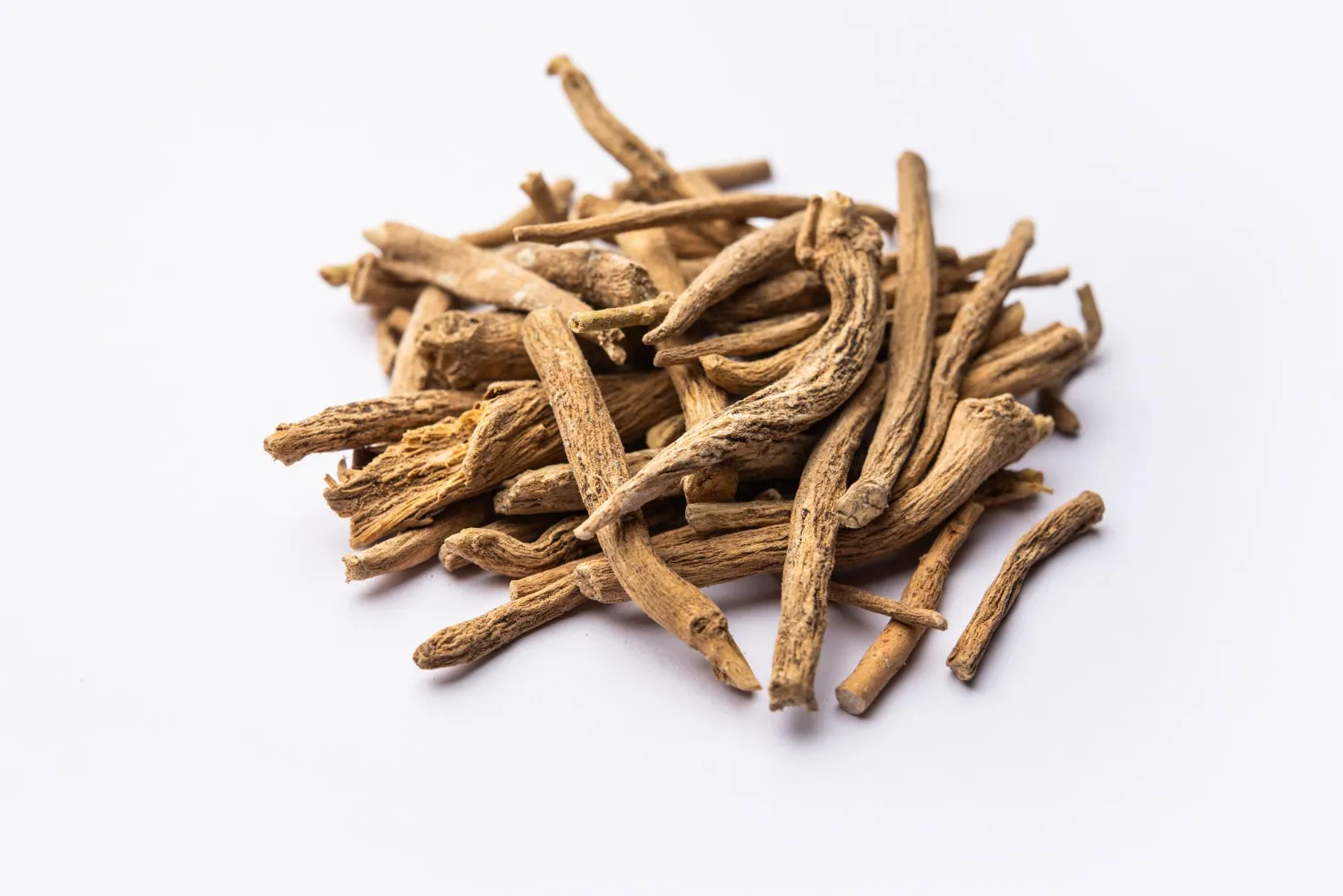
Learn how to use ashwagandha for stress relief and better energy — right dose, best timing, and practical tips backed by Ayurvedic and modern science.
How to Use Ashwagandha for Stress and Energy
Ashwagandha has been sitting quietly in Indian kitchens and Ayurvedic pharmacies for over 3,000 years. Recently, it found its way into the supplement routines of stressed-out professionals in Mumbai, London, and New York — often on the recommendation of a doctor, a yoga teacher, or just a friend who swears by it. But "just take ashwagandha" is not actually useful advice. The how matters a lot.
This guide walks you through exactly how to use it — what form to choose, how much to take, when to take it, and what to realistically expect.
What Makes Ashwagandha Work?
Withania somnifera — commonly called ashwagandha, Indian ginseng, or winter cherry — is classified as an adaptogen. That word gets overused, but it has a specific meaning here: it helps your body adapt to physical and psychological stress by modulating the stress-response system rather than suppressing or stimulating it.
The main active compounds are withanolides, a group of naturally occurring steroids found in the root and leaves. These appear to influence cortisol levels, nervous system activity, and mitochondrial function — which is why people use it for both calming stress and building steady energy. Not a stimulant buzz. More like a slow, stable lift.
Step 1: Choose the Right Form
Walk into any pharmacy or health store and you'll see ashwagandha in at least three formats. Here's how to think about them:
- Root powder (churna): The traditional Ayurvedic form. Slightly bitter, earthy smell (the name literally translates to "smell of horse"). Works well mixed into warm milk or a smoothie. Less standardized, so potency varies by brand.
- Root extract capsules/tablets: More convenient and standardized. Look for extracts standardized to at least 5% withanolides. Branded extracts like KSM-66 or Sensoril have been used in most published clinical studies.
- Liquid extract (tincture): Less common in India but available. Faster absorption, easier to adjust doses. Slightly bitter taste.
Practical tip: If you're new to ashwagandha, start with a standardized capsule extract. It removes the guesswork around dosing and you can switch to powder later if you prefer.
Step 2: Get the Dose Right
This is where most people go wrong — either taking too little and feeling nothing, or jumping to high doses and wondering why they feel groggy.
A practical starting point:
- Root powder: 3–6 grams per day (roughly half to one level teaspoon)
- Root extract (standardized): 300–600 mg per day
Start at the lower end for the first two weeks. Your body needs time to adjust, and the benefits of adaptogens tend to build gradually. There's no point taking double the dose hoping it'll work twice as fast — it doesn't.
If stress and sleep are your primary concerns, 300–400 mg of a good extract once daily is a reasonable, well-studied dose. If you're looking at energy and physical performance, some people find 600 mg split across two doses (morning and evening) works better.
Step 3: Time It Right
Timing matters more than people think.
- For stress and anxiety: Taking it in the evening or before bed tends to work well. Ashwagandha has a mildly calming effect, and taking it at night can improve sleep quality — which itself reduces cortisol the next morning.
- For energy and stamina: A morning dose with breakfast makes more sense. Some people find taking it on an empty stomach causes mild nausea, so pairing it with food is usually better.
- Splitting the dose: If you're taking 600 mg, splitting it — once in the morning, once at night — is a common and effective approach.
There's no one-size-fits-all answer here. Try one timing for two to three weeks before switching, so you can actually tell what's working.
Step 4: Mix It the Traditional Way (If Using Powder)
The classic Ayurvedic preparation is ashwagandha milk — and honestly, it tastes better than it sounds.
Warm a cup of milk (dairy or plant-based), stir in half a teaspoon of ashwagandha powder, a small pinch of cinnamon, and a little honey or jaggery. Drink it before bed. Some people add a pinch of black pepper, which — similar to its role with turmeric — may help with absorption. (For more on how black pepper enhances herbal bioavailability, see our piece on black pepper's immunity benefits.)
This isn't just tradition for tradition's sake. Fats in milk appear to help absorb the fat-soluble withanolides better than water alone.
Step 5: Be Consistent and Patient
Ashwagandha is not a quick fix. That's worth saying plainly, because the supplement industry doesn't always make this clear.
Most people notice a reduction in stress reactivity and better sleep within two to four weeks of consistent daily use. Improved energy and stamina often take four to eight weeks to become obvious. The research broadly supports this timeline — benefits accumulate with regular use, not single doses.
Think of it the way you'd think about exercise. One run doesn't build fitness. But thirty days of consistent effort produces real, measurable change.
Cycling: Should You Take Breaks?
Ayurvedic practice traditionally recommends cycling most herbal supplements — taking them for six to eight weeks, then a one-to-two-week break. This is less about toxicity and more about preventing the body from adapting to the herb and reducing its effectiveness.
There's no strong clinical evidence mandating this, but it's a sensible precaution. A common practical approach: take it for two to three months, then take a two-week break and reassess how you feel.
What Ashwagandha Won't Do
It's worth being honest about the limits. Ashwagandha is not a substitute for sleep, a reasonable diet, or managing root causes of burnout. If you're running on four hours of sleep and three cups of coffee, ashwagandha will take the edge off — but it won't fix the problem.
It also doesn't work well in isolation when other nutritional deficiencies are in play. Mood, focus, and energy are often tangled up with nutrient levels. For example, if anxiety or fatigue is also connected to low B12, it's worth reading about vitamin B12's role in anxiety and mood alongside any herbal approach.
Similarly, overall diet quality shapes how well any herb or supplement works. Looking at broad anti-inflammatory herbs like turmeric and ginger can complement an ashwagandha routine well.
A Note on Safety
Most healthy adults tolerate ashwagandha well. But there are some situations to be careful about — particularly thyroid conditions, autoimmune diseases, and pregnancy. And like any supplement, it can interact with certain medications.
Before starting, it's worth skimming through the documented side effects of ashwagandha so you're going in with eyes open, not just optimism.
Latest Articles
Black Pepper for Immunity: Real Benefits Explained
Black pepper does more than season your food. Discover how piperine boosts immunity, fights inflammation, and why this humble spice deserves more credit.
Turmeric vs Ginger for Inflammation: Which Wins?
Turmeric or ginger — which spice fights inflammation better? Here's a practical, evidence-based guide to help you choose the right one for your needs.
Ginger for Digestion: Does It Really Work?
Bloated after a heavy meal? Ginger has been used for centuries to ease digestion. Here's what science and tradition actually say about how it works.
Tulsi for Monsoon Immunity: Real Benefits
Discover how tulsi boosts immunity during monsoon season, fights infections, and supports respiratory health — with practical ways to use it daily.
Psyllium Husk for Gut Health: Real Benefits
Discover how psyllium husk supports digestion, relieves constipation, and feeds good gut bacteria — plus how to use it safely every day.

How to Improve Gut Health in Monsoon Season
Monsoon plays havoc with digestion. Here's how to protect your gut health this rainy season with smart food choices, hydration tips, and simple habits.
Frequently Asked Questions
⚕️ Medical Disclaimer
This article is for informational and educational purposes only and is not a substitute for professional medical advice, diagnosis, or treatment. Always consult a qualified healthcare provider with any questions about a medical condition. Read full disclaimer.
Editorial note: This article was researched and written with the assistance of AI tools and reviewed by the Nutrikoo editorial team for accuracy and clarity. It is for general information only and is not medical advice. See our editorial policy.
Get healthy tips in your inbox
Join the Nutrikoo newsletter for science-backed nutrition, recipes and wellness — no spam, unsubscribe anytime.