
Prawns vs Fish: Which Is Better for Protein?

By A Reza, Health & Nutrition Writer
6 July 2026 · 7 min read · 22 views
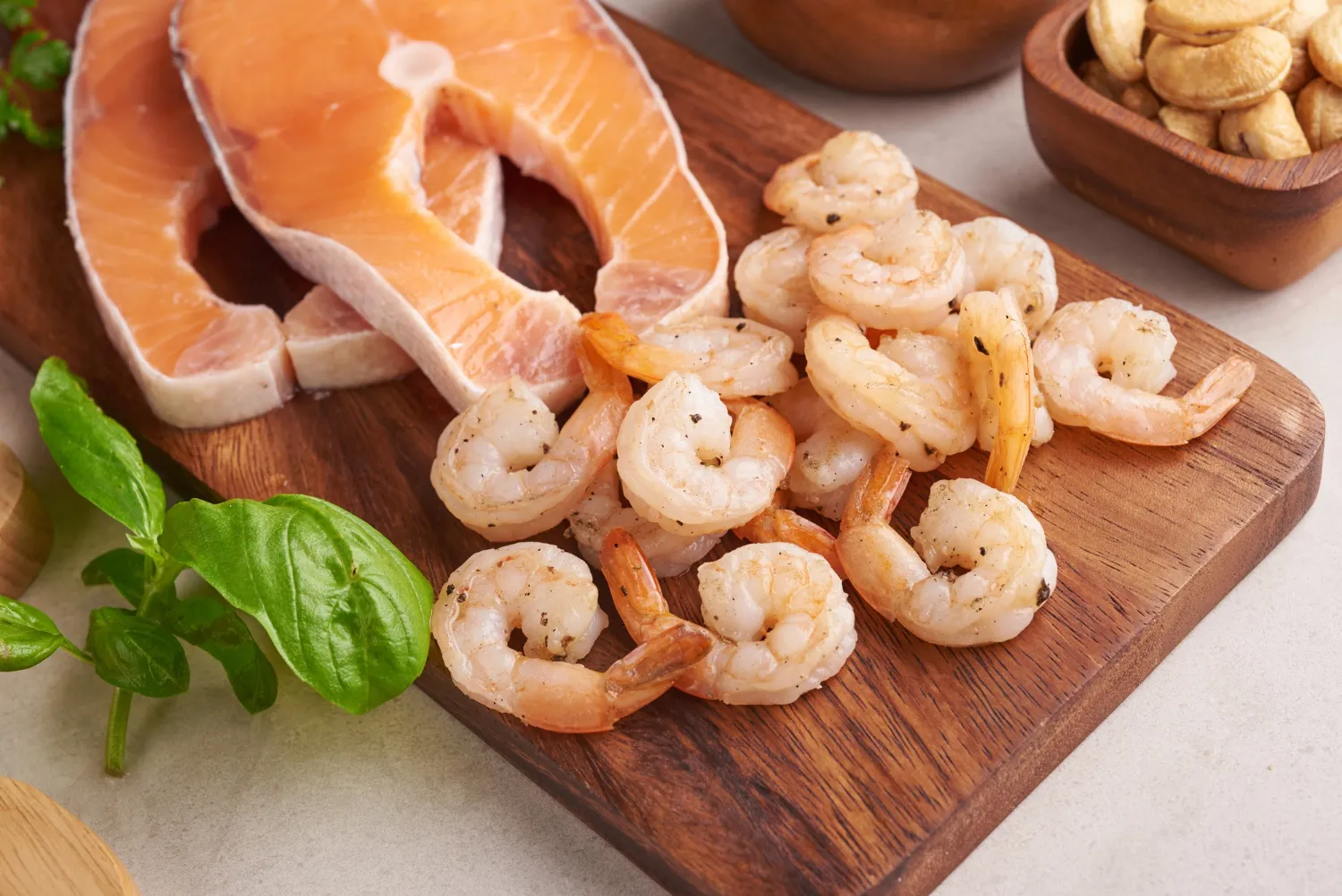
Prawns or fish — which gives you more protein? Compare nutrition, amino acids, calories, and real-world eating tips to pick the best option for your goals.
Prawns vs Fish: Which Is Better for Protein?
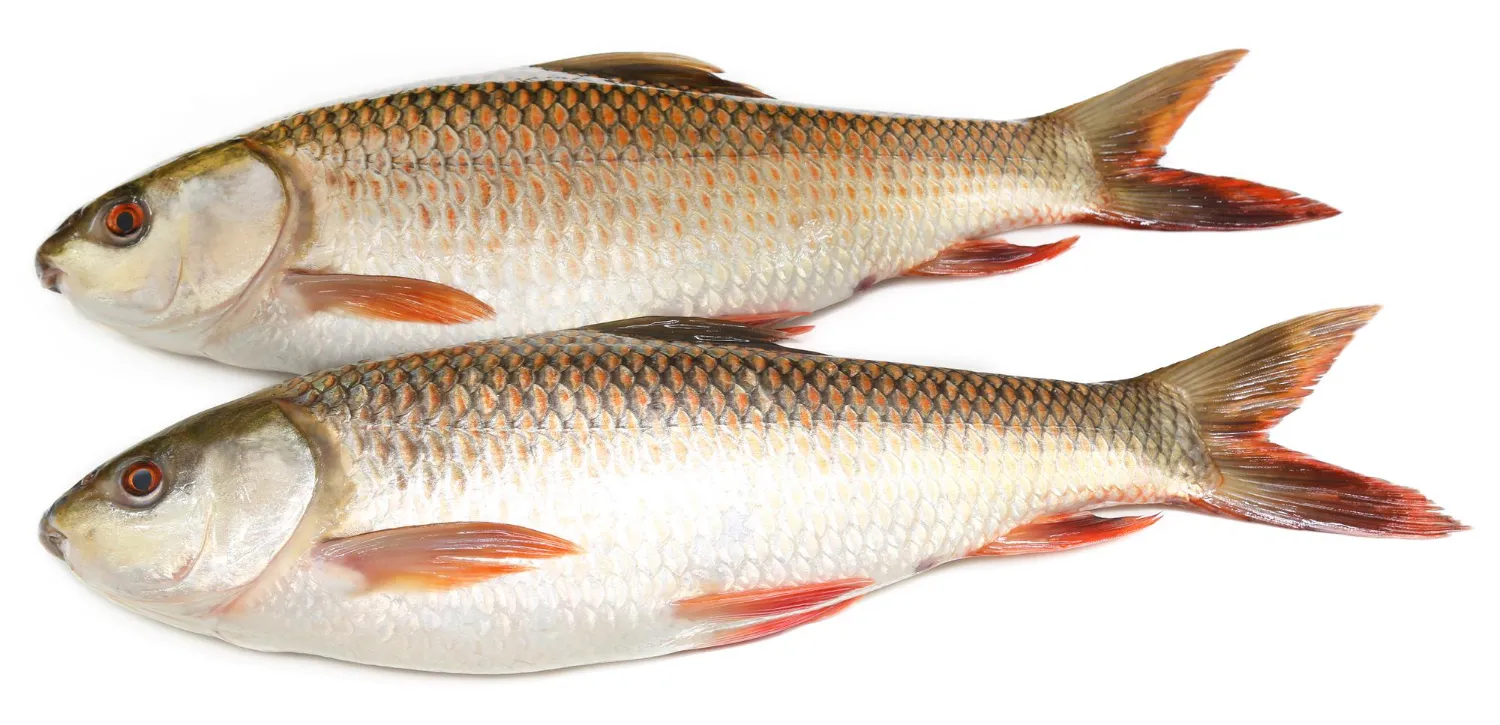
Picture this: you're at a seafood counter, eyes moving between a gleaming fillet of rohu and a pile of fresh tiger prawns. You want to eat well, hit your protein goals, maybe keep calories in check. Both look great. Both smell like dinner. And you genuinely have no idea which one to pick.
It's a question more people are asking, especially as high-protein eating gets more attention. So let's settle it — not with vague nutritional platitudes, but with real numbers and practical sense.
The Protein Numbers, Side by Side
Here's the straightforward part. Both prawns and fish are excellent protein sources. Per 100 grams of cooked weight, most varieties land in a similar range:
- Prawns (tiger/king): roughly 20–24g of protein
- Lean white fish (rohu, tilapia, cod): roughly 20–23g of protein
- Fatty fish (salmon, mackerel): roughly 19–22g of protein
The gap is smaller than most people expect. Prawns often come out slightly ahead gram-for-gram, but the difference in a typical serving is modest. What matters more is how these foods fit into your overall diet — not which one edges the other by 1–2 grams.
Both contain complete protein, meaning they supply all nine essential amino acids your body can't make on its own. This is exactly what you want for muscle repair, immune support, enzyme production, and general maintenance.
Calories and Fat: Where the Real Difference Lies
This is where prawns and fish actually diverge.
Prawns are famously low in fat — typically under 2g per 100g. That makes them one of the leanest protein sources you'll find anywhere, not just in the seafood aisle. If you're watching calories closely or following a low carb diet for belly fat loss, prawns are genuinely hard to beat.
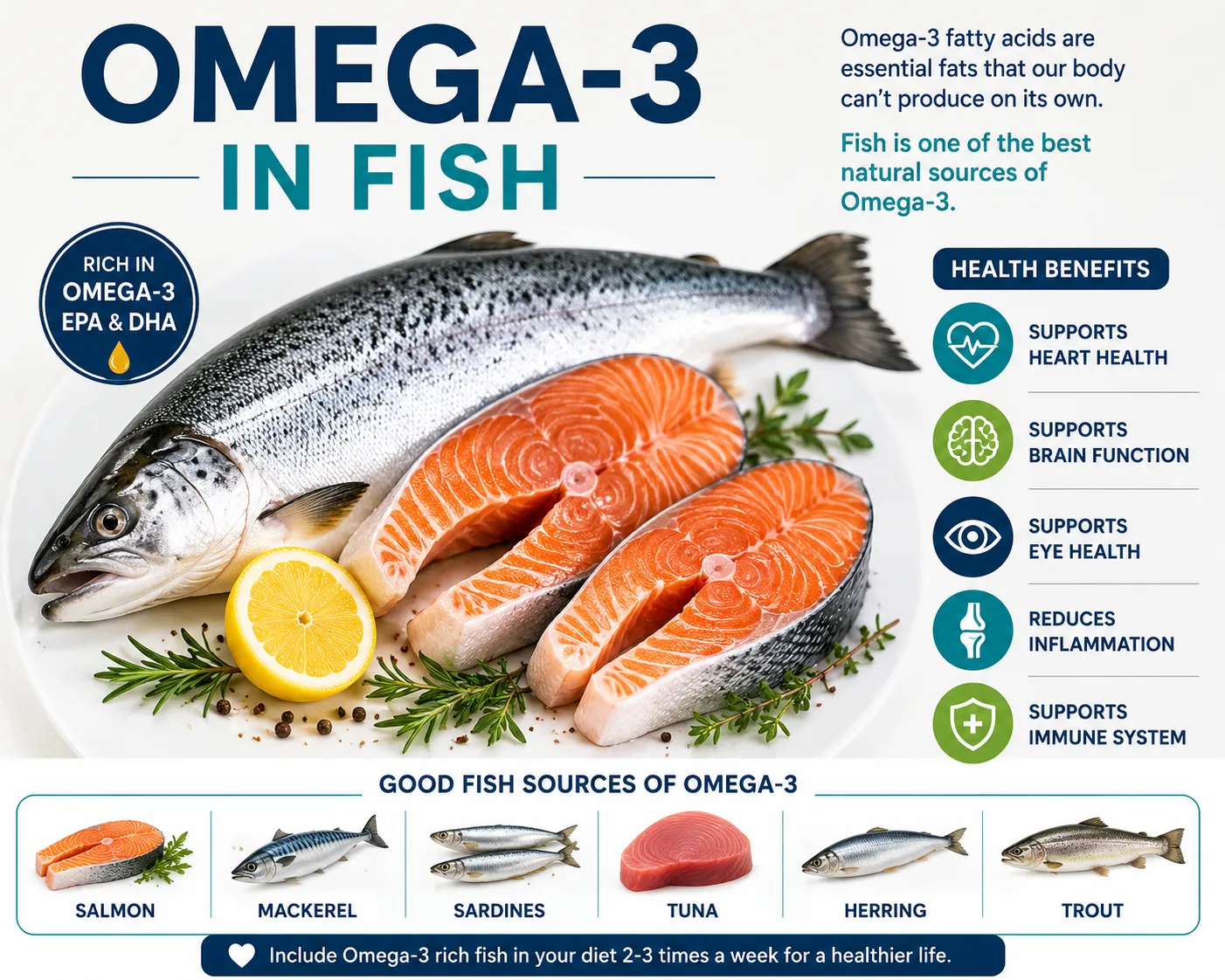
Fatty fish like salmon or mackerel clock in higher on calories but bring something valuable to the table: omega-3 fatty acids (EPA and DHA). These are the long-chain fats linked to heart health, reduced inflammation, and brain function. Lean fish like rohu or pomfret sit somewhere in between — low fat, decent protein, and easier on the wallet.
So the short version:
- Prawns = highest protein-to-calorie ratio, minimal fat
- Fatty fish = slightly more calories, but omega-3 rich
- Lean fish = balanced, affordable, versatile
What About Cholesterol in Prawns?
This comes up a lot. Prawns are higher in dietary cholesterol than most fish — around 150–180mg per 100g. That number sounds alarming, but the current understanding is that dietary cholesterol has a much smaller effect on blood cholesterol levels than saturated fat does. And prawns are very low in saturated fat.
For most healthy people, eating prawns a few times a week is absolutely fine. If you have specific cardiovascular concerns, it's worth a conversation with your doctor — but prawns are not the villain they were once made out to be.
Omega-3: Fish Has the Edge Here
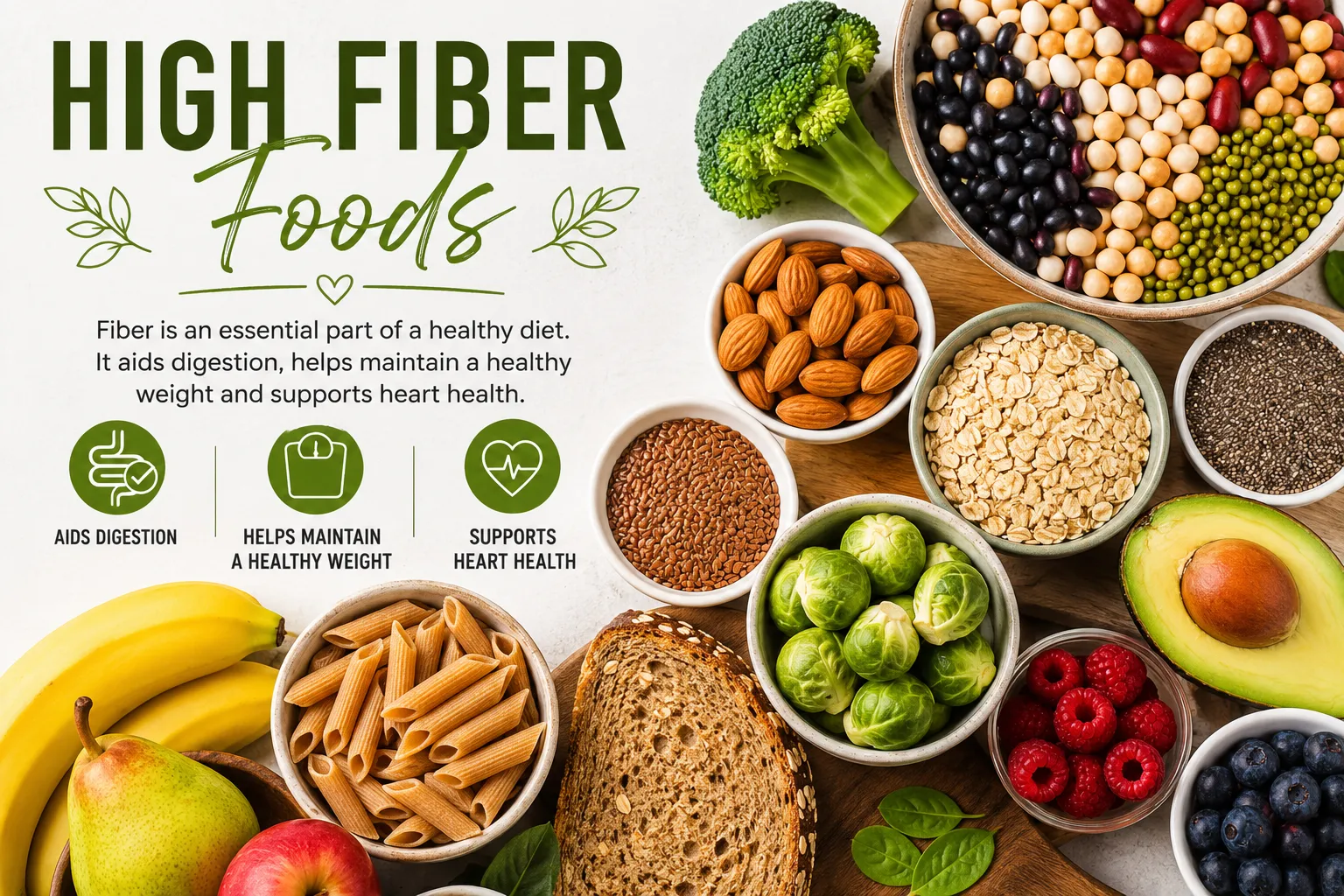
If you're choosing seafood partly for omega-3 fatty acids, fish — especially fatty varieties — wins outright. Mackerel (Scomber scombrus), sardines, salmon, and hilsa (ilish) are among the richest sources of EPA and DHA.
Prawns do contain some omega-3s, but in meaningfully smaller amounts. If omega-3 intake is a priority for you — say, for joint health, mood support, or cardiovascular reasons — fatty fish two to three times a week makes more sense than relying on prawns alone.
Micronutrients Worth Knowing About
Neither prawns nor fish are one-trick ponies. Beyond protein, both offer a solid spread of micronutrients.
Prawns are notably high in:
- Iodine (supports thyroid function)
- Selenium (an antioxidant mineral)
- Vitamin B12
- Zinc and phosphorus
Fish (especially fatty varieties) are rich in:
- Vitamin D (one of the few food sources)
- Vitamin B12
- Iodine
- Niacin and B6
Speaking of B12 — it's a nutrient many Indian diets fall short on, and seafood is one of the best natural sources. If you're curious about why that matters for how you feel mentally, the connection between vitamin B12 for anxiety and mood is worth understanding.
For Muscle Building and Weight Loss: Which Should You Choose?
For muscle building: Both work well. What matters most is total daily protein intake across all meals. If you're already eating enough protein from other sources, the prawn-vs-fish debate is almost academic. Pick what you enjoy cooking and eating — consistency beats micro-optimising.
For weight loss: Prawns have a slight practical advantage. Their very low calorie and fat content means you can eat a satisfying portion without burning through your calorie budget. A 150g serving of sautéed prawns gives you roughly 30g of protein for about 130–150 calories. That's genuinely efficient. Pairing it with vegetables and a modest amount of rice is a solid, filling meal.
For anyone building varied, protein-rich meals, it's worth exploring options beyond seafood too — high protein sabzi for weight loss covers some plant-based options that pair wonderfully with either fish or prawns.
How You Cook It Matters Enormously
Grilled or lightly pan-cooked in a bit of oil? You're keeping all the nutritional benefits intact. Deep-fried in batter? You've added significant calories, saturated fat, and dramatically reduced the protein-to-calorie ratio — whether we're talking fish fingers or fried prawns.
Indian preparations like a light masala with minimal oil, steamed fish with turmeric, or prawn curry with a tomato base are all reasonable choices. The moment prawns or fish land in a deep fryer, the protein comparison becomes almost irrelevant.
Practical Tips for Everyday Eating
- Rotate both. Prawns and different fish species offer slightly different micronutrient profiles. Eating a variety through the week is better than committing to just one.
- Fresh or well-sourced frozen are both fine. Frozen prawns and fish retain their nutrition well when properly handled.
- Watch the accompaniments. Creamy sauces and excessive oil are where the calorie math goes sideways — not the seafood itself.
- For budget-conscious eating, lean fish like rohu, catla, or tilapia are economical, protein-rich, and easy to prepare in everyday Indian cooking.
Latest Articles
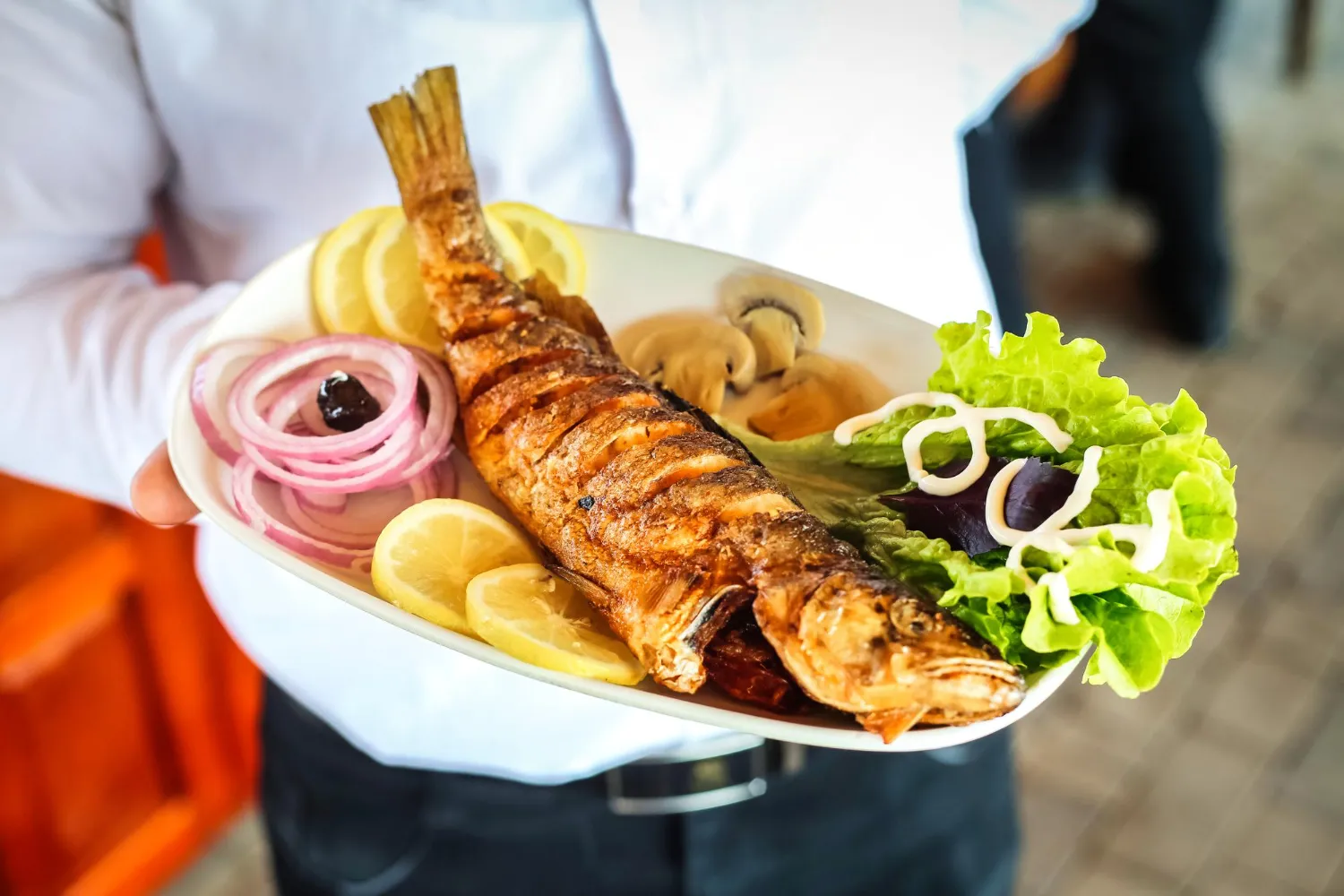
Benefits of Eating Fish Twice a Week
Wondering if eating fish twice a week is really worth it? Here's what science and nutrition say about the real benefits for your heart, brain, and body.
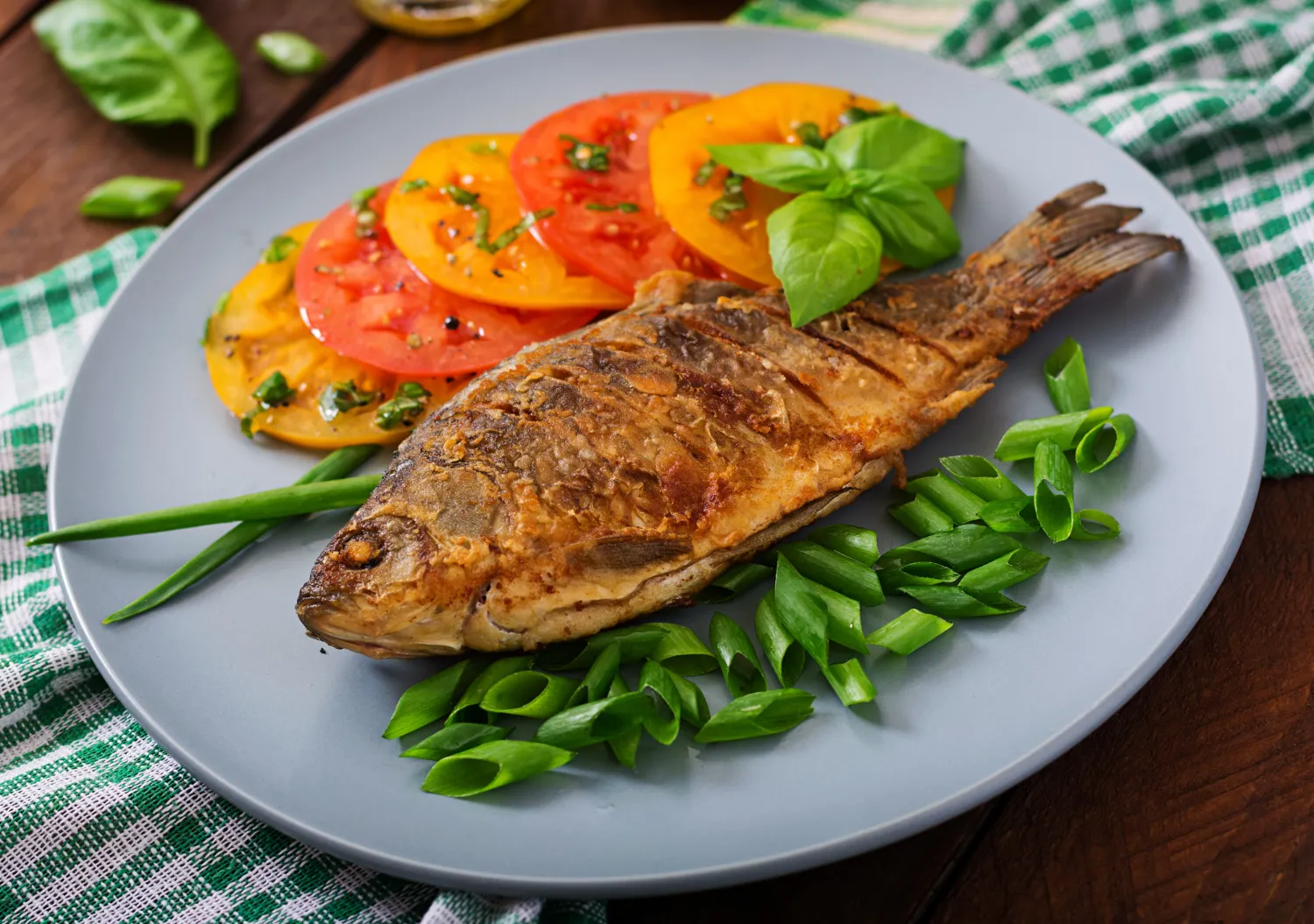
Is It Safe to Eat Fish in Monsoon?
Wondering if fish is safe to eat during monsoon? Here's what actually changes — and how to enjoy seafood without the risk this rainy season.
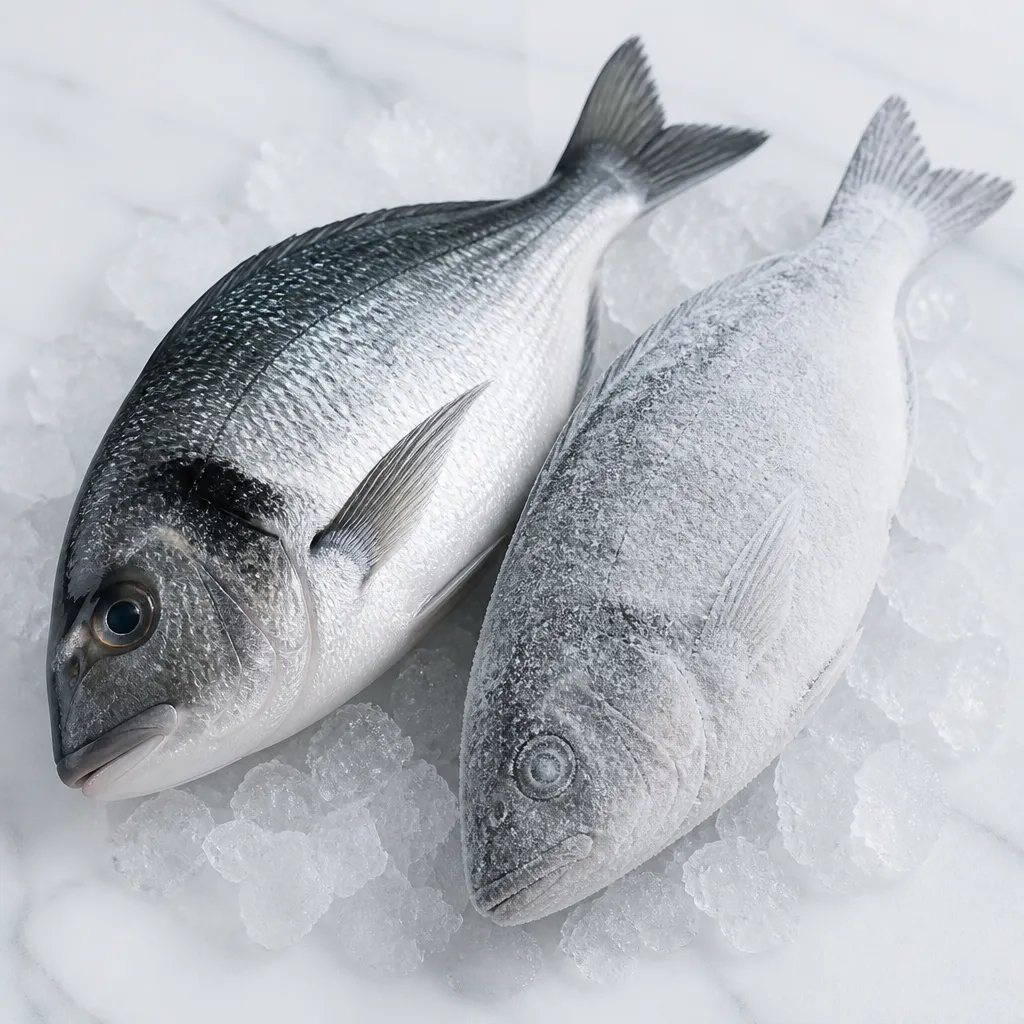
Is Frozen Fish as Healthy as Fresh Fish?
Wondering if frozen fish is as nutritious as fresh? Here's what the science actually says about protein, omega-3s, and when frozen might even win.
Omega-3 in Fish: Best Sources in India
Looking for omega-3-rich fish available in India? Compare the best local and coastal options, how they stack up, and how to eat them right.
Rohu Fish Benefits for Health You Should Know
Discover the real health benefits of Rohu fish — from protein and omega-3s to heart and brain health. A must-read for Indian seafood lovers.
How to Use Ashwagandha for Stress and Energy
Learn how to use ashwagandha for stress relief and better energy — right dose, best timing, and practical tips backed by Ayurvedic and modern science.
Frequently Asked Questions
⚕️ Medical Disclaimer
This article is for informational and educational purposes only and is not a substitute for professional medical advice, diagnosis, or treatment. Always consult a qualified healthcare provider with any questions about a medical condition. Read full disclaimer.
Editorial note: This article was researched and written with the assistance of AI tools and reviewed by the Nutrikoo editorial team for accuracy and clarity. It is for general information only and is not medical advice. See our editorial policy.
Get healthy tips in your inbox
Join the Nutrikoo newsletter for science-backed nutrition, recipes and wellness — no spam, unsubscribe anytime.