
Best Nuts for Heart Health: A Simple Guide

By A Reza, Health & Nutrition Writer
9 June 2026 · 7 min read · 1 views
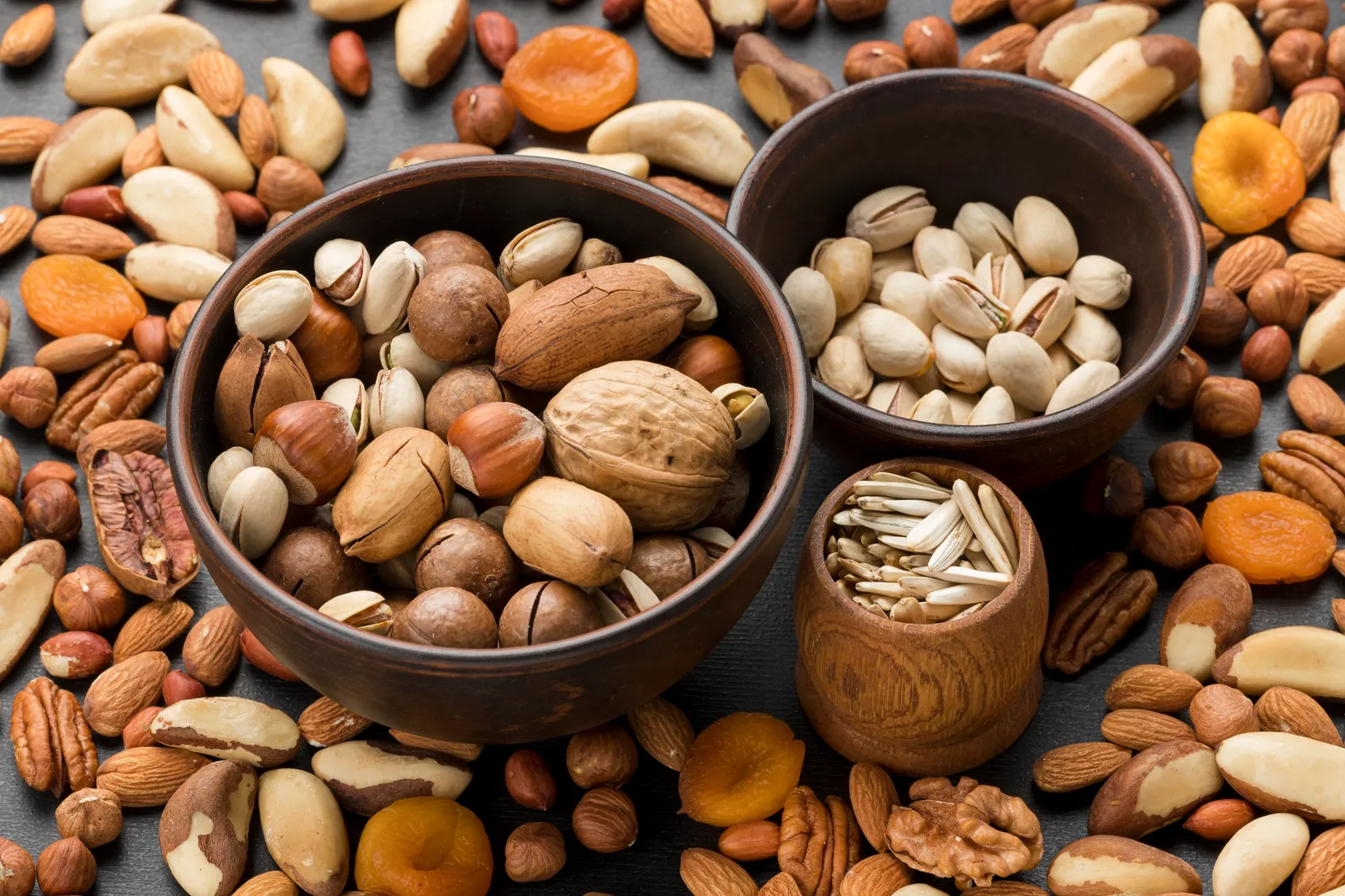
Wondering which nuts are actually good for your heart? Discover the best nuts for heart health, how much to eat, and the science behind the benefits.
Best Nuts for Heart Health: A Simple Guide
You know you should eat better for your heart. But the advice can feel overwhelming — low fat, low carb, no red meat, more fibre... where do nuts even fit in? They're fatty, aren't they?
Here's the thing: the fat in most nuts is exactly what your heart wants more of. And a growing body of research consistently links regular nut consumption to better cholesterol profiles, lower inflammation, and a reduced risk of cardiovascular disease. These aren't miracle foods, but they're about as close to a daily heart-protective snack as you're going to find.
Let's break down which nuts deserve a spot in your diet, why they work, and how much is actually helpful.
Why Nuts Are Good for Your Heart
Most nuts are rich in unsaturated fats — the monounsaturated and polyunsaturated kinds that help nudge your LDL (the "bad" cholesterol) down while keeping or lifting your HDL (the "good" kind). They also contain fibre, plant sterols, magnesium, and antioxidants, all of which play a role in keeping your arteries and blood pressure in check.
Think of it this way: your cardiovascular system is like plumbing. Saturated and trans fats are the gunk that builds up over time. Unsaturated fats from nuts help keep things flowing. That's an oversimplification, of course — but it captures the general direction.
One useful thing to know: nuts are calorie-dense. A small palmful (about 28–30g) is plenty. You're not meant to eat a bowlful in one go. That said, research consistently shows that people who eat a small serving of nuts daily do NOT gain more weight — possibly because nuts are filling and actually reduce snacking on other things.
The Best Nuts for Heart Health
Walnuts (Juglans regia)
If you could only pick one nut for heart health, walnuts would be a strong candidate. They're one of the few plant sources of ALA (alpha-linolenic acid), a type of omega-3 fatty acid that helps reduce inflammation and support healthy triglyceride levels.
Walnuts also contain ellagitannins — antioxidants that have been linked to reduced oxidative stress in blood vessels. A handful a day (about 7 whole walnuts) is the amount most studies use. They have a slightly bitter edge, but chopped into yoghurt or oatmeal, most people don't mind them at all.
Almonds (Prunus dulcis)
Almonds are arguably the most studied nut for cholesterol management. They're high in monounsaturated fat and Vitamin E — an antioxidant that helps protect LDL particles from oxidation (oxidised LDL is what really causes arterial damage, not LDL on its own).
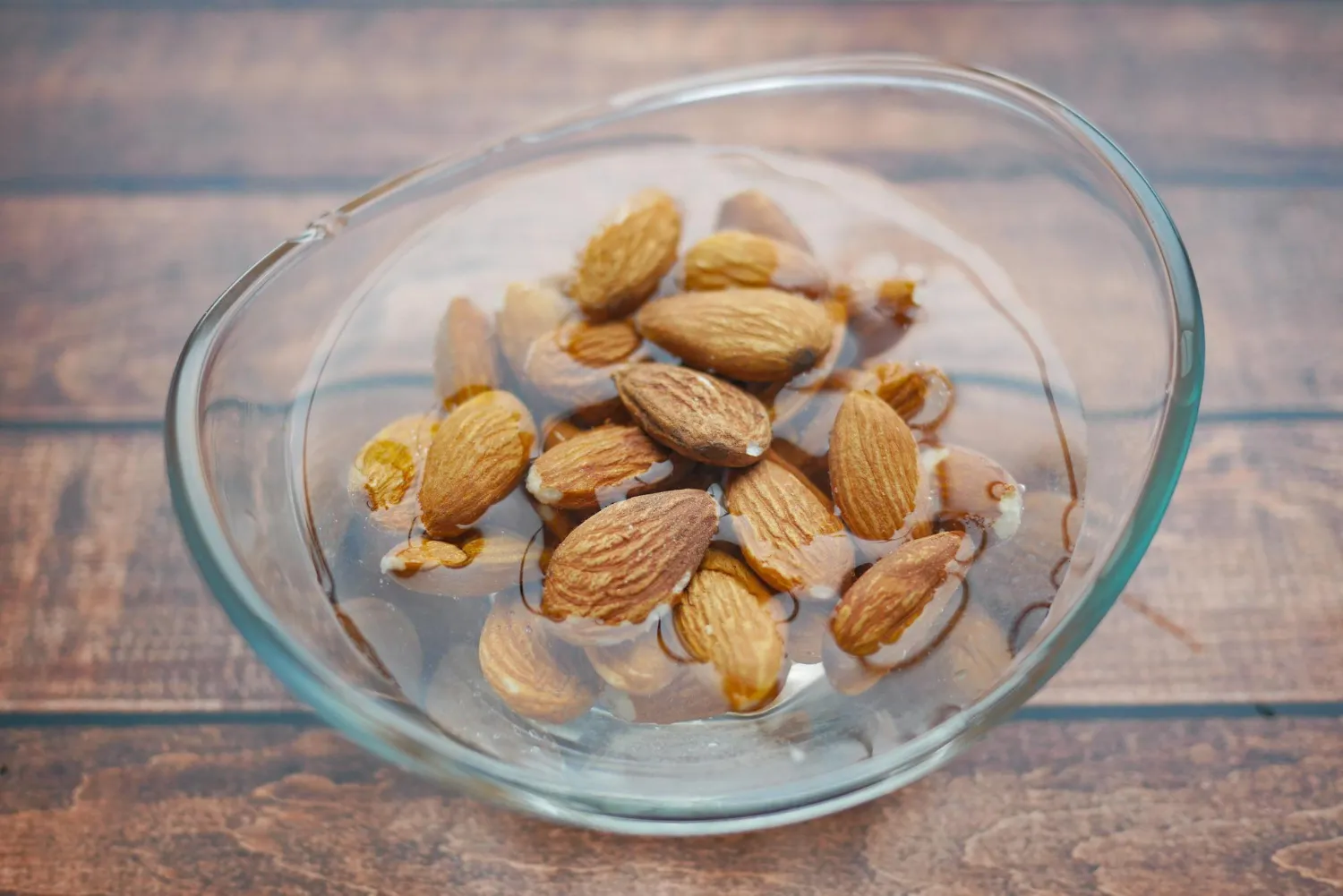
Regular almond eaters tend to show modest but meaningful reductions in LDL cholesterol. If you've been soaking almonds overnight and eating them in the morning, you're already on the right track — for more on that practice, see Soaked Almonds in the Morning: Are They Worth It?.
Pistachios (Pistacia vera)
Pistachios are interesting because they contain plant sterols — compounds structurally similar to cholesterol that actually compete with cholesterol for absorption in the gut. Less cholesterol absorbed means lower blood cholesterol levels.
They're also among the highest-protein nuts, which helps with satiety. And unlike most nuts, you have to shell them one at a time, which naturally slows your eating down. That's not a bad side effect.
Hazelnuts (Corylus avellana)
Less talked about but genuinely useful. Hazelnuts are rich in monounsaturated fat, folate, and proanthocyanidins — a class of antioxidants that support blood vessel flexibility. They also taste good straight out of the bag, which matters for consistency.
Brazil Nuts (Bertholletia excelsa)
These are the outlier on this list — you only need two a day, and you really shouldn't eat more than four or five. Why? Because Brazil nuts are extraordinarily high in selenium, a trace mineral that supports antioxidant enzymes in the body. Too much selenium over time can actually be harmful. Two nuts gives you your daily selenium target. Simple.
Peanuts (Arachis hypogaea)
Technically a legume, but nutritionally they behave like a nut. Peanuts are high in monounsaturated fat, niacin, magnesium, and resveratrol — the same antioxidant found in red wine. They're also one of the most affordable options, which matters if you're trying to make this a daily habit.
Stick to plain or dry-roasted peanuts without added salt or oil for the best heart benefit.
What About Cashews and Macadamias?
Cashews (Anacardium occidentale) are lower in fat than most nuts and contain monounsaturated fat and magnesium, which supports blood pressure regulation. They're fine, just not as research-backed for heart health as walnuts or almonds.
Macadamias (Macadamia integrifolia) are the fattiest nut on the list — over 75% fat — but most of it is monounsaturated. Small studies suggest they can improve cholesterol ratios. They're delicious but expensive, so probably not your everyday option.
How to Actually Eat More Nuts (Without Overthinking It)
- Keep a small container of mixed nuts on your desk or in your bag — out of sight really does mean out of mind for most people.
- Add walnuts or almonds to your morning poha, upma, or smoothie bowl.
- Use nut butters wisely — natural almond or peanut butter (no added sugar or palm oil) on whole grain toast is a heart-friendly breakfast.
- Watch the salt. Heavily salted roasted nuts negate some of the blood pressure benefits. Opt for unsalted or lightly salted.
If you're trying to build a more heart-supportive diet overall, pairing nuts with other smart food choices helps. For example, dark chocolate contains flavonoids that also support cardiovascular function. And chia seeds offer another plant-based source of omega-3s that complements what nuts provide.
It's also worth thinking about what you're replacing when you add nuts. Swapping a packet of biscuits or namkeen for a small handful of walnuts isn't just adding something good — you're removing something that was working against your heart. That double effect is part of why the research on nuts looks so positive.
For anyone watching blood sugar alongside heart health, the same mindful snacking approach applies — jamun is another food worth knowing about if you're managing both concerns.
Latest Articles
How to Eat Soaked Almonds Daily for Best Results
Soaked almonds pack more nutrition than raw ones. Here's exactly how to eat them daily — the right time, quantity, and simple habits that actually work.

How to Feed Goats During Monsoon Season
Monsoon changes everything for goat farmers. Learn exactly what to feed your goats during the rainy season to keep them healthy, productive, and disease-free.

Best Feed for Goats in Summer Heat
Struggling to keep your goats healthy in hot weather? Discover the best summer feed for goats to maintain weight, milk, and energy when temperatures soar.

Goat Milk for Lactose Intolerance: Does It Help?
Think goat milk is lactose-free? It's not — but it may still be easier to digest. Here's what the science actually says about goat milk and lactose intolerance.
Is Goat Meat Good for Weight Loss?
Wondering if goat meat fits into a weight loss diet? Here's what its nutrition profile really means for your goals — no fluff, just facts.

Goat Milk vs Cow Milk: Which Is Better for You?
Goat milk vs cow milk — which should you choose? Compare nutrition, digestion, taste, and health benefits to find the best fit for your diet.
Frequently Asked Questions
⚕️ Medical Disclaimer
This article is for informational and educational purposes only and is not a substitute for professional medical advice, diagnosis, or treatment. Always consult a qualified healthcare provider with any questions about a medical condition. Read full disclaimer.
Get healthy tips in your inbox
Join the Nutrikoo newsletter for science-backed nutrition, recipes and wellness — no spam, unsubscribe anytime.