

Bhindi Benefits for Diabetes: What You Should Know

By Payal, Content Reviewer
7 July 2026 · 7 min read · 28 views

Can bhindi really help manage blood sugar? Discover the science-backed benefits of okra for diabetes, how to eat it, and what to watch out for.
Bhindi Benefits for Diabetes: What You Should Know
Picture this: you've just been told your blood sugar is creeping up. The doctor hands you a list of lifestyle changes, and you're staring at it wondering — do I have to completely overhaul everything I eat? The good news is, some of the most helpful foods for managing blood sugar are already sitting in your kitchen or at the local sabzi mandi. Bhindi, or okra (Abelmoschus esculentus), is one of them.
It's humble, affordable, and easy to cook. But is there actual science behind the claim that bhindi helps with diabetes, or is it just another piece of well-meaning advice passed down through generations? Let's look at what's really going on.
Why Bhindi Deserves Attention for Blood Sugar Management
Bhindi is not a medicine. It won't replace your metformin or insulin. But used consistently as part of a balanced diet, it can genuinely support better blood sugar control — and here's why.
The Fiber Connection
One of the biggest reasons bhindi is helpful for diabetics is its soluble fiber content. When you eat bhindi, you've probably noticed that sticky, slightly slimy texture — that's mucilage, a form of soluble fiber. It sounds unappetizing, but it does something quite useful: it slows the absorption of sugar in your gut.
Think of it like adding a speed bump on a highway. Instead of glucose rushing into your bloodstream all at once after a meal, it enters more gradually. This helps prevent the sharp post-meal blood sugar spikes that are so problematic for people with type 2 diabetes.
If you're already trying to add more fiber to your meals, bhindi pairs well with other smart choices — check out this list of high fiber vegetables for weight loss that also support metabolic health.
Polyphenols and Antioxidants
Bhindi contains polyphenols, including flavonoids and quercetin, which have shown promise in research for reducing oxidative stress. This matters because chronic high blood sugar triggers inflammation and oxidative damage in the body — two things that make diabetes harder to manage over time.
These compounds aren't magic, but they do add up when you're eating a varied diet full of colourful vegetables regularly.
May Support Insulin Sensitivity
Some animal studies have looked at certain compounds in bhindi seeds and peel that appear to improve how the body responds to insulin. Human research is still limited, so we shouldn't overstate this. But it's an interesting area, and it adds to the overall picture of bhindi as a diabetic-friendly vegetable.
Bhindi's Nutritional Profile at a Glance
Per 100g of raw bhindi, you're roughly looking at:
- Calories: ~30–35 kcal (very low)
- Carbohydrates: ~7g
- Dietary fiber: ~3g
- Protein: ~2g
- Vitamin C: good source
- Folate: notably high
- Magnesium: present in useful amounts (magnesium deficiency is linked to insulin resistance)
The glycemic index of bhindi is low — generally estimated around 20, which is excellent. Low-GI foods cause a slower, gentler rise in blood sugar compared to high-GI foods like white rice or bread.
The Okra Water Trend: Hype or Help?
You may have seen the viral tip about soaking bhindi in water overnight and drinking it in the morning. The idea is that the soluble fiber and antioxidants leach into the water and give you a concentrated dose of the good stuff.

There's a grain of truth here — some polyphenols and mucilage do transfer to water. A few small studies have reported modest blood sugar improvements from this method. But honestly, eating bhindi as a vegetable gives you the full package — fiber, micronutrients, and bulk — in a way that a glass of okra water just doesn't match.
If okra water appeals to you, it probably won't hurt. But don't skip the actual vegetable in favour of the water alone.
How to Eat Bhindi for Maximum Benefit
Don't Over-Fry It
Bhindi fry made in generous amounts of oil is delicious, but it's not doing your blood sugar any favours. The extra fat and calories can blunt the vegetable's benefits. Better options:
- Lightly sautéed bhindi with minimal oil, jeera, and spices
- Bhindi in a tomato-onion gravy (sabzi-style, not deep fried)
- Stuffed bhindi baked or shallow fried — still tasty but lighter
- Air-fried bhindi chips as a snack alternative to processed snacks
Pair It Wisely
Pairing bhindi with a high-GI food like plain white rice doesn't make the meal "diabetic safe" — the overall glycemic load still matters. Try pairing it with roti made from multigrain or whole wheat flour, or dal, which provides protein to further slow glucose absorption.
Don't Cook Out All the Goodness
Overcooking destroys some of the heat-sensitive vitamins. A medium-heat cook for 8–12 minutes keeps most of the nutrients intact while still making bhindi palatable.
Bhindi vs. Other Blood Sugar-Friendly Vegetables
Bhindi is a great addition, but it works best as part of a broader vegetable-rich diet. Karela for blood sugar is another popular Indian vegetable with solid evidence behind it — bitter gourd contains compounds that mimic insulin activity to some degree. Together, bhindi and karela are two of the most researched Indian vegetables for glucose management.
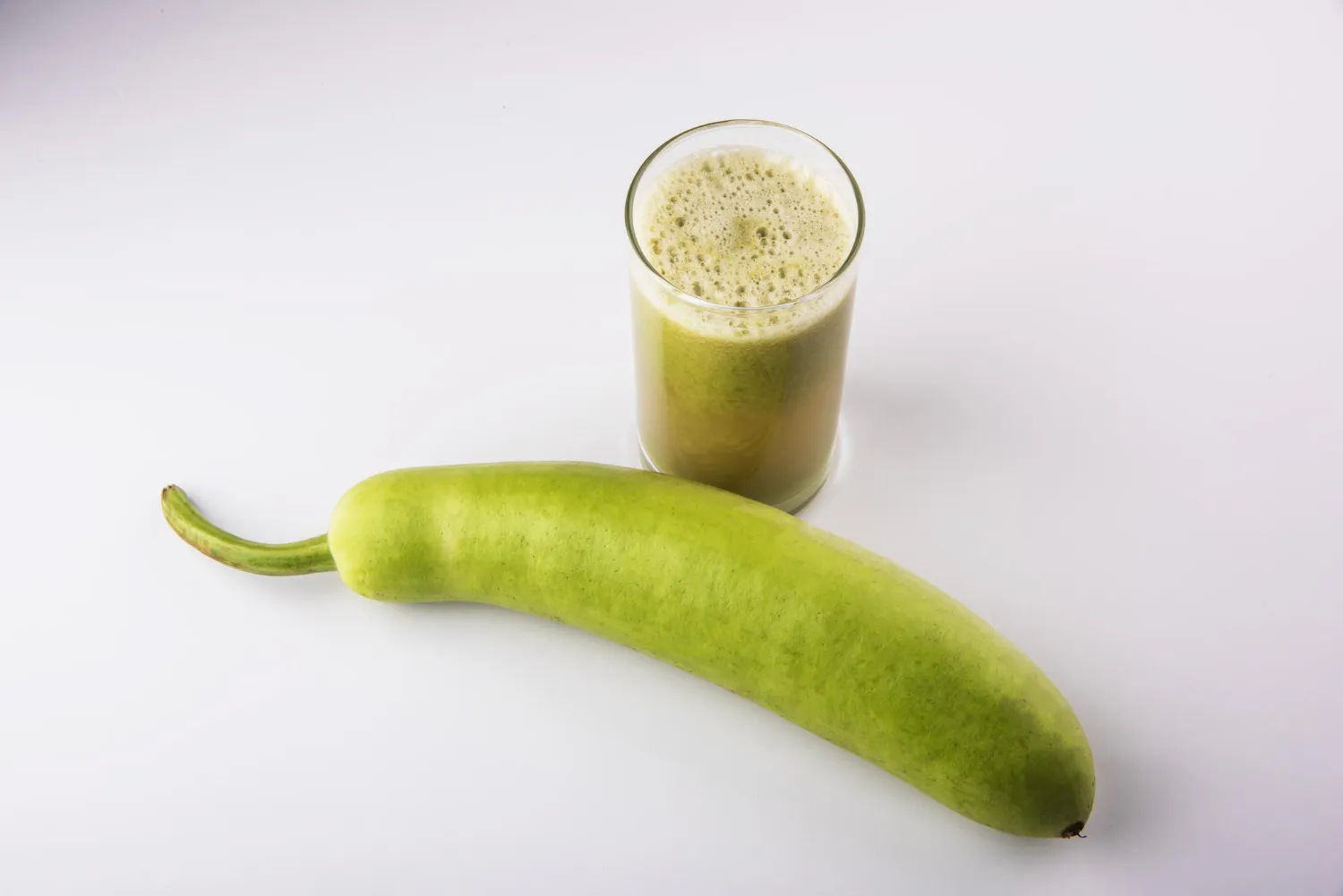
Lauki (bottle gourd) is another option worth including — low in calories, easy to digest, and gentle on blood sugar levels.
The broader point: no single vegetable is a silver bullet. Variety is the real strategy.
A Word on Gut Health
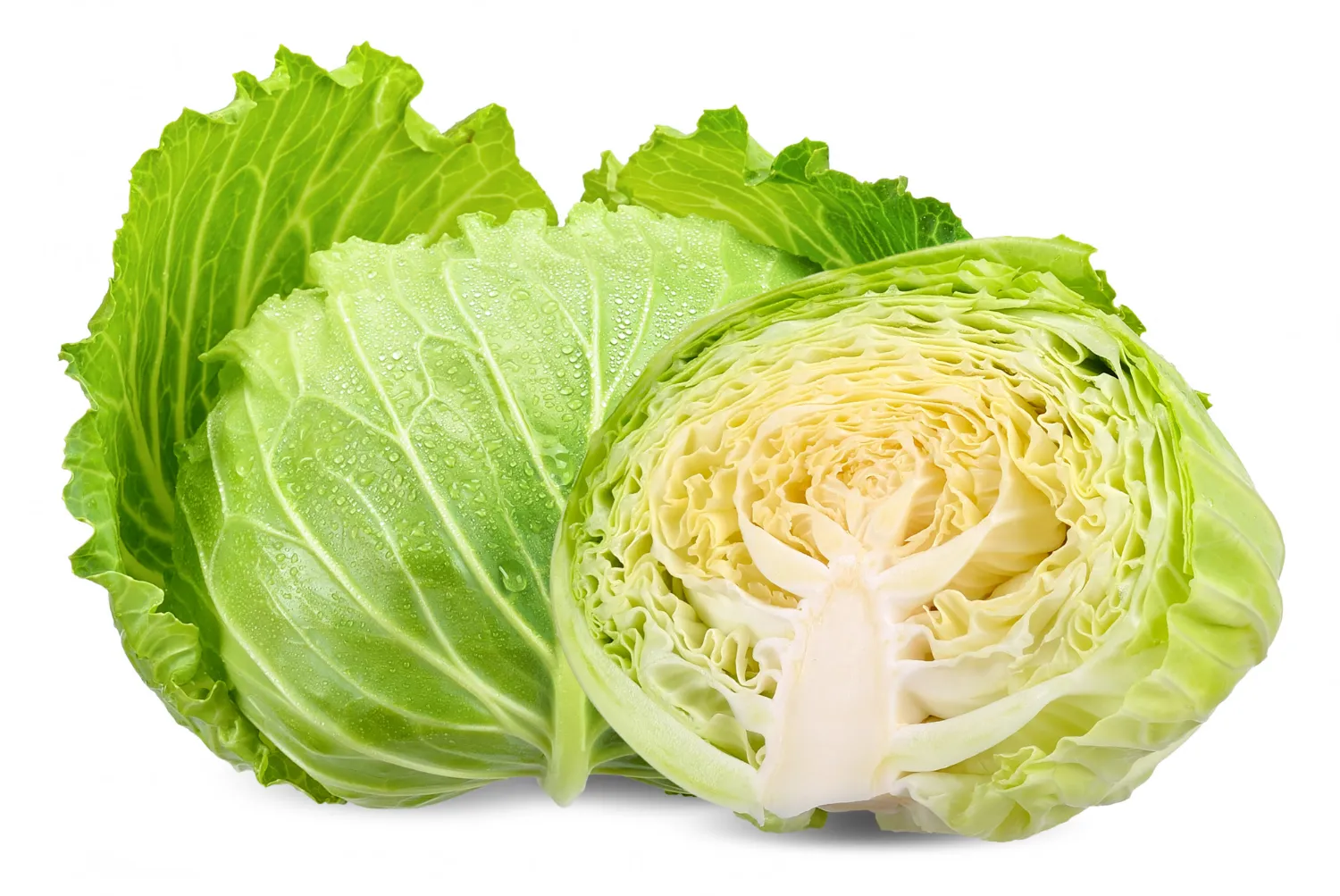
Bhindi's soluble fiber doesn't just slow sugar absorption — it also feeds beneficial gut bacteria. A healthier gut microbiome is increasingly being linked to better insulin sensitivity and metabolic health. It's a connected system. If you want to understand this link better, cabbage for gut health is another vegetable worth reading about, because gut health and blood sugar regulation are more intertwined than most people realise.
Things to Keep in Mind
- Kidney stones: Bhindi is moderately high in oxalates. If you've had kidney stones, speak to your doctor about how much is appropriate.
- Drug interactions: There's some evidence that bhindi may interfere with metformin absorption if eaten in very large amounts. This doesn't mean avoid it — just don't eat it in extreme quantities, and take your medication as directed.
- Blood thinners: Bhindi is rich in vitamin K, which affects clotting. If you're on warfarin or similar medication, keep your bhindi intake consistent rather than wildly variable.
Latest Articles
Leafy Greens in Monsoon: Safe to Eat or Not?
Should you avoid leafy greens in monsoon? Here's what's actually risky, what's safe, and how to eat them without getting sick this rainy season.
Best Vegetables to Eat in Monsoon Season
Think you should avoid all veggies in monsoon? Think again. Here are the safest, healthiest vegetables to eat during the rainy season in India.
High Fiber Vegetables for Weight Loss
Want to lose weight without starving? These high fiber vegetables keep you full, support digestion, and make weight loss more sustainable and satisfying.
Cabbage for Gut Health: Benefits You Should Know
Cabbage is more than a budget veggie. Discover how it feeds good gut bacteria, eases digestion, and supports a healthier stomach naturally.
Spinach for Iron: How Much Should You Really Eat?
Spinach is famous as an iron superfood — but the reality is more nuanced. Here's how much spinach you actually need, and how to absorb its iron properly.
Is Lauki Good for Weight Loss? The Truth
Lauki is often dismissed as bland diet food. But is it actually good for weight loss? Here's what the nutrition science really says about bottle gourd.
Frequently Asked Questions
⚕️ Medical Disclaimer
This article is for informational and educational purposes only and is not a substitute for professional medical advice, diagnosis, or treatment. Always consult a qualified healthcare provider with any questions about a medical condition. Read full disclaimer.
Editorial note: This article was researched and written with the assistance of AI tools and reviewed by the Nutrikoo editorial team for accuracy and clarity. It is for general information only and is not medical advice. See our editorial policy.
Get healthy tips in your inbox
Join the Nutrikoo newsletter for science-backed nutrition, recipes and wellness — no spam, unsubscribe anytime.