

Best Vegetables to Eat in Monsoon Season

By Payal, Content Reviewer
7 July 2026 · 6 min read · 36 views
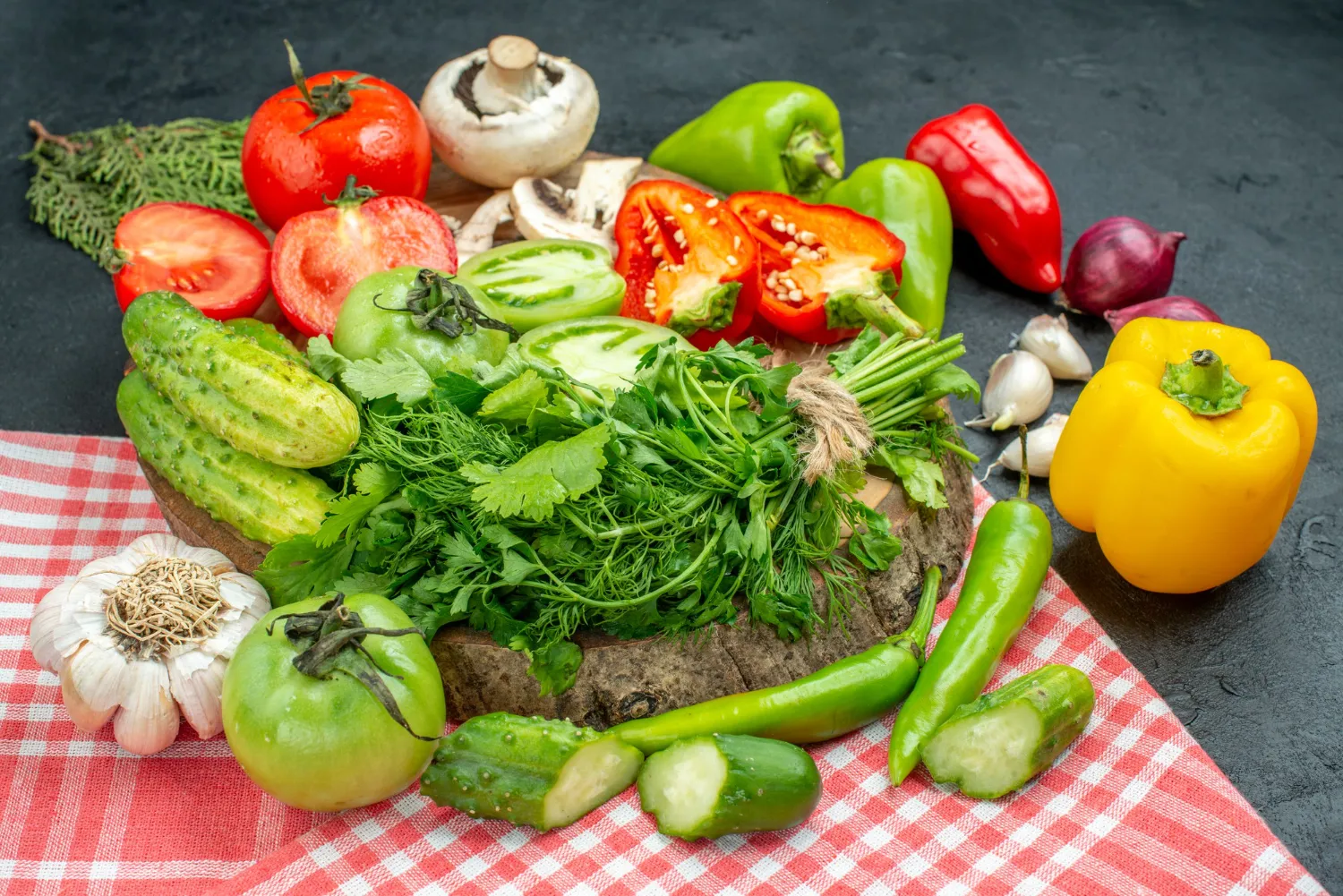
Think you should avoid all veggies in monsoon? Think again. Here are the safest, healthiest vegetables to eat during the rainy season in India.
Best Vegetables to Eat in Monsoon Season
Here's a myth that does the rounds every July without fail: avoid all vegetables during monsoon because they carry germs, worms, and bacteria that will make you sick.
Sound familiar? If you've ever had a well-meaning aunt warn you off salads the moment the first rain hits, you're not alone. But here's the thing — this advice is only partly right, and taken too far, it ends up stripping your diet of exactly the nutrition your body needs when the weather turns wet and your immunity takes a quiet dip.
The truth is more nuanced. Some vegetables genuinely do pose higher contamination risks in the rainy season. Others are not only safe but are practically built for this time of year. The key is knowing which is which — and how to prepare them properly.
Why Monsoon Changes the Vegetable Game
Humidity and stagnant water create ideal conditions for bacteria and fungi to thrive — both in the soil and on leafy surfaces. Waterlogged fields mean that raw, leafy greens sitting on market shelves may carry more microbial load than usual. Digestion also tends to be sluggish in monsoon; the body's digestive fire (as Ayurveda calls it) weakens, making heavy or hard-to-digest foods a poor choice.
That doesn't mean you ditch vegetables. It means you choose wisely and cook smart. If you're already thinking about how to improve gut health in monsoon season, your vegetable choices are one of the biggest levers you can pull.
Vegetables You Can Eat Freely in Monsoon
Bitter Gourd (Karela) — Momordica charantia
Bitter gourd is practically a monsoon hero. It has well-documented antimicrobial and immunity-supporting properties, and it's relatively low-risk when it comes to contamination because you always peel and cook it. It's also particularly useful for blood sugar management — if that's a concern, it's worth reading more about karela for blood sugar. A simple stir-fry with onions and a squeeze of lemon is all you need.
Bottle Gourd (Lauki) — Lagenaria siceraria
Lauki is a quietly brilliant monsoon vegetable. It's easy to digest, light on the stomach, and almost entirely cooked before eating — which takes care of most microbial concerns. It also has a high water content, which helps you stay hydrated on days when you feel too sluggish to drink enough. Lauki is genuinely good for weight management too, not just a bland diet food as people assume.
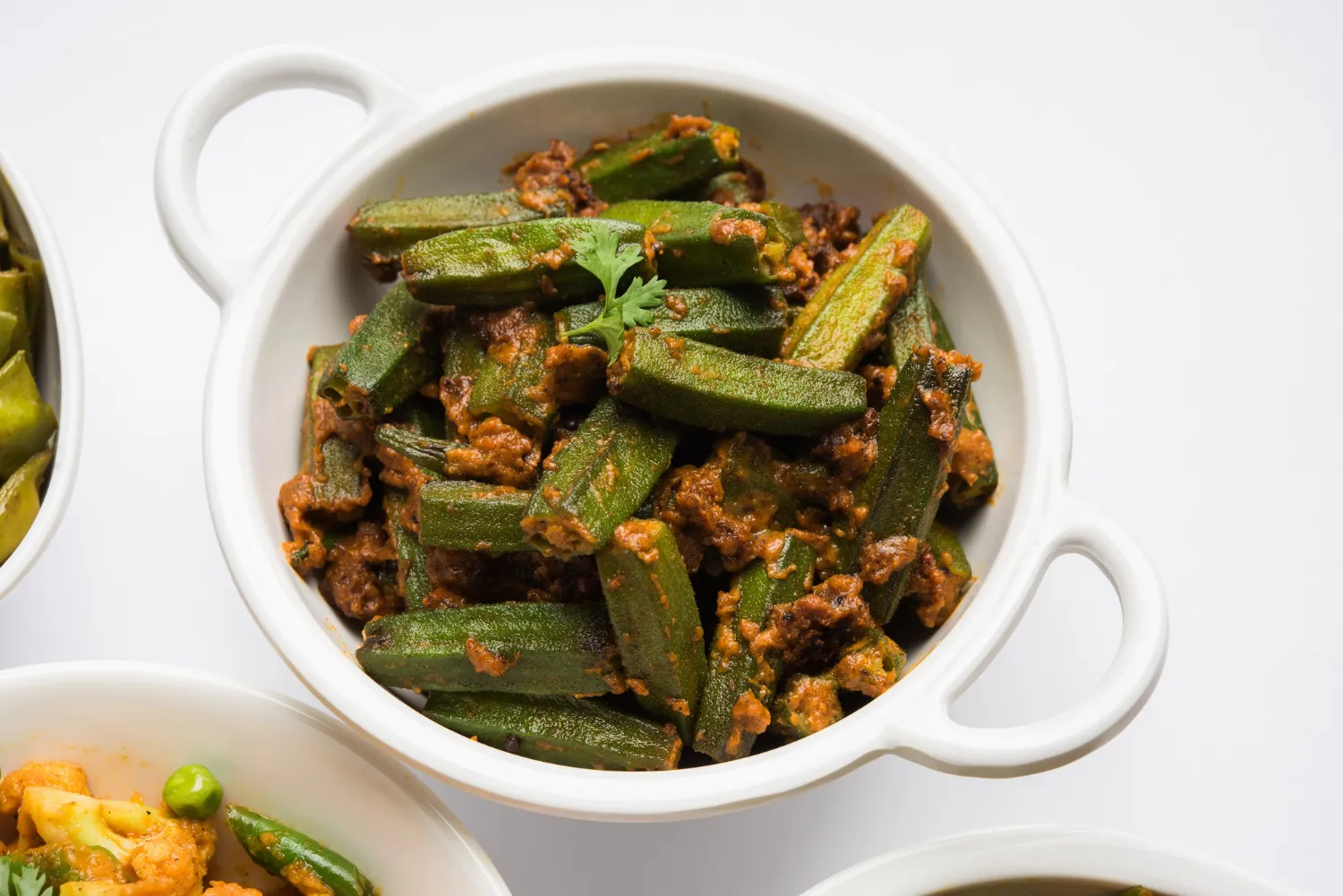
Lady's Finger (Bhindi / Okra) — Abelmoschus esculentus
Bhindi is one of those vegetables that does well in the monsoon both agronomically and nutritionally. It's a good source of soluble fiber, which supports digestion when the gut is feeling a little off. People managing blood sugar will be glad to know that bhindi has specific benefits for diabetes that make it a smart everyday choice. Wash it well, dry it before cutting (this actually improves texture too), and cook it through.
Ridge Gourd (Turai) and Snake Gourd (Chichinda)
These belong to the gourd family and share lauki's lightness and digestibility. They're rarely eaten raw, they cook quickly, and they're gentle on a monsoon-slowed digestive system. Turai sabzi with a bit of mustard and turmeric is a comforting, low-effort monsoon lunch.

Drumstick (Moringa) — Moringa oleifera
The drumstick plant is almost absurdly nutritious for something that grows freely across India. It's rich in vitamin C, iron, and antioxidants — exactly what you want when monsoon bugs are circling. Add the pods to dal or sambar and you get both nutrition and immunity support in a single bowl.
Cabbage — Brassica oleracea
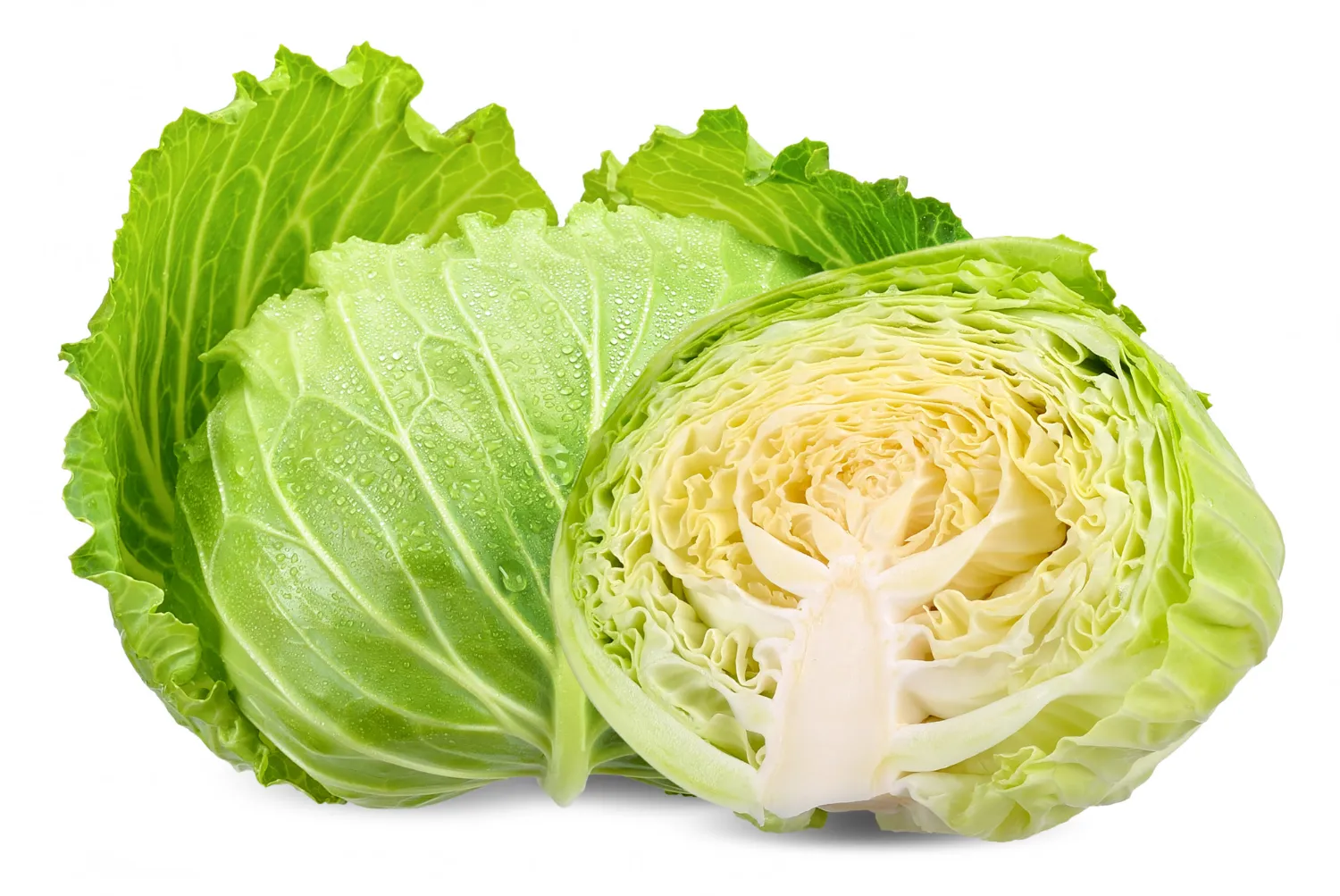
Cabbage gets unfairly written off in monsoon. Yes, raw cabbage in a roadside salad is a bad idea in July. But lightly stir-fried or added to soups, cabbage is excellent for gut health and digestion. It's also high in vitamin K and folate. If you want to understand how it specifically helps the gut, cabbage for gut health covers that well.
Vegetables to Treat With Extra Care (or Avoid Raw)
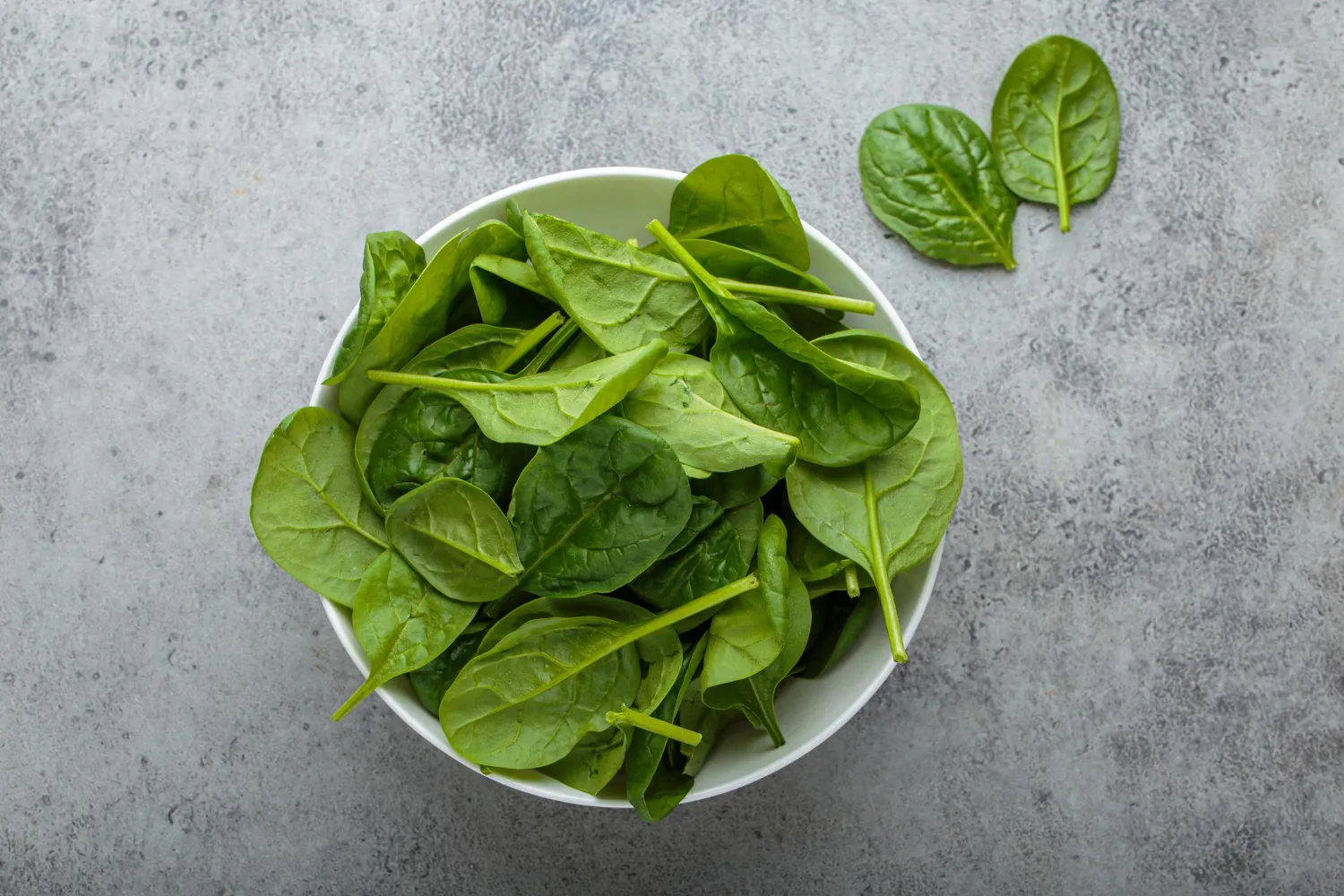
Leafy greens like spinach, methi, and palak are incredibly nutritious — but in monsoon, they're more susceptible to contamination because of how they grow close to the ground and carry more surface area for bacteria and insects. This doesn't mean you stop eating them entirely; it means you cook them thoroughly and wash them in salted water before cooking. Raw salads using these greens are best skipped for a couple of months.
Cauliflower and broccoli have tight florets that can trap water, insects, and dirt — harder to clean than they look. If you love them, blanch well before cooking.
Sprouts are another one to be careful with. The warm, moist conditions needed to sprout legumes are also perfect for bacterial growth. Best to pause on raw sprouts during peak monsoon months.
How to Prepare Monsoon Vegetables Safely
The "how" matters as much as the "what." A few simple habits make a real difference:
- Wash all vegetables in clean running water before cooking, not after cutting.
- Soak leafy greens briefly in lightly salted water to dislodge insects and surface bacteria.
- Cook vegetables through — lightly stir-fried or added to dal works better than raw or barely wilted.
- Buy fresh, local, seasonal produce rather than vegetables that have been sitting in humid storage.
- Avoid pre-cut vegetables from markets in monsoon — the cut surfaces are more vulnerable.
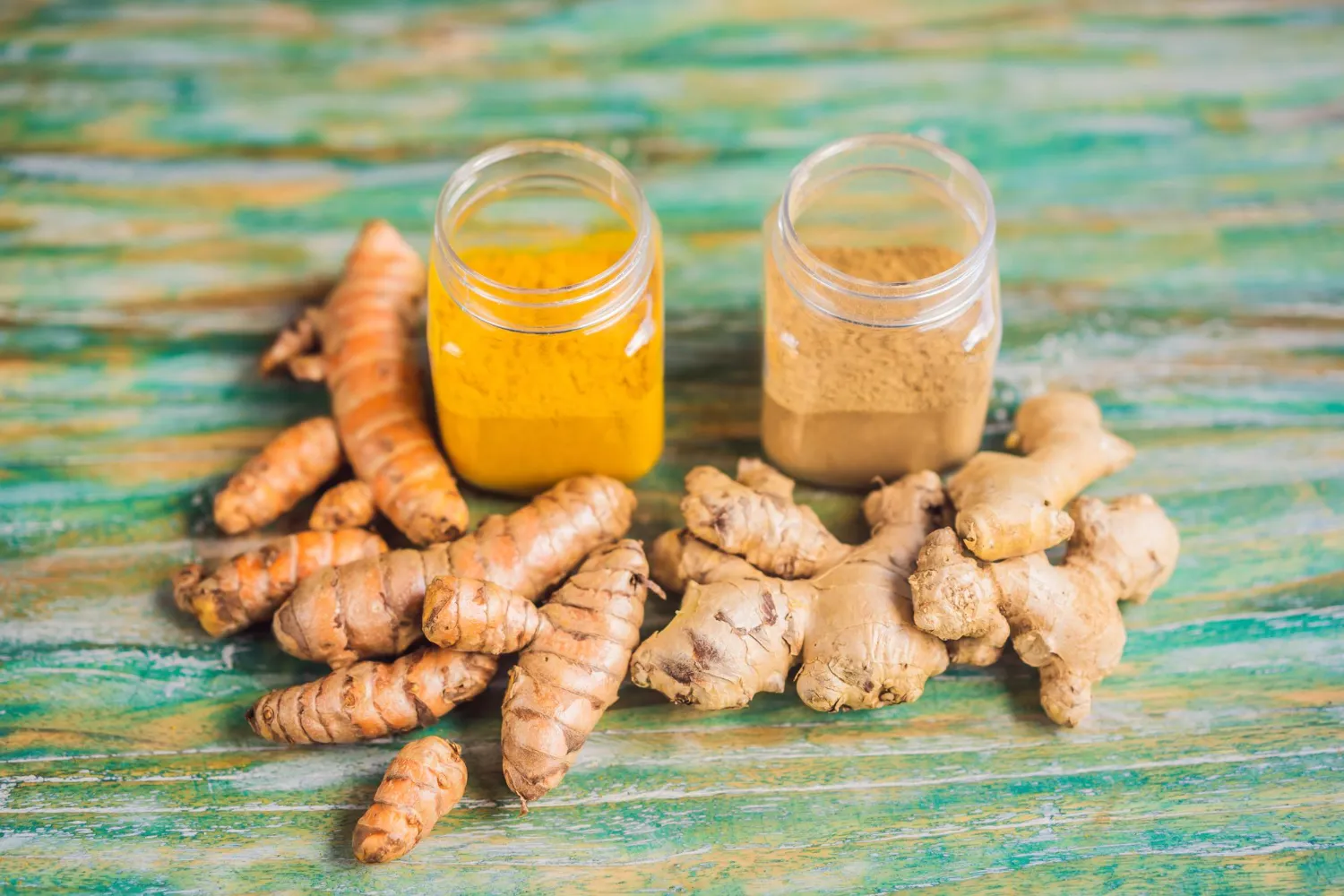
Cooking with turmeric, ginger, and black pepper isn't just tradition; all three have genuine antimicrobial and anti-inflammatory properties that support digestion and immunity. If you're curious, ginger for digestion is a good read for understanding how this works.
The Fiber Angle You Shouldn't Miss
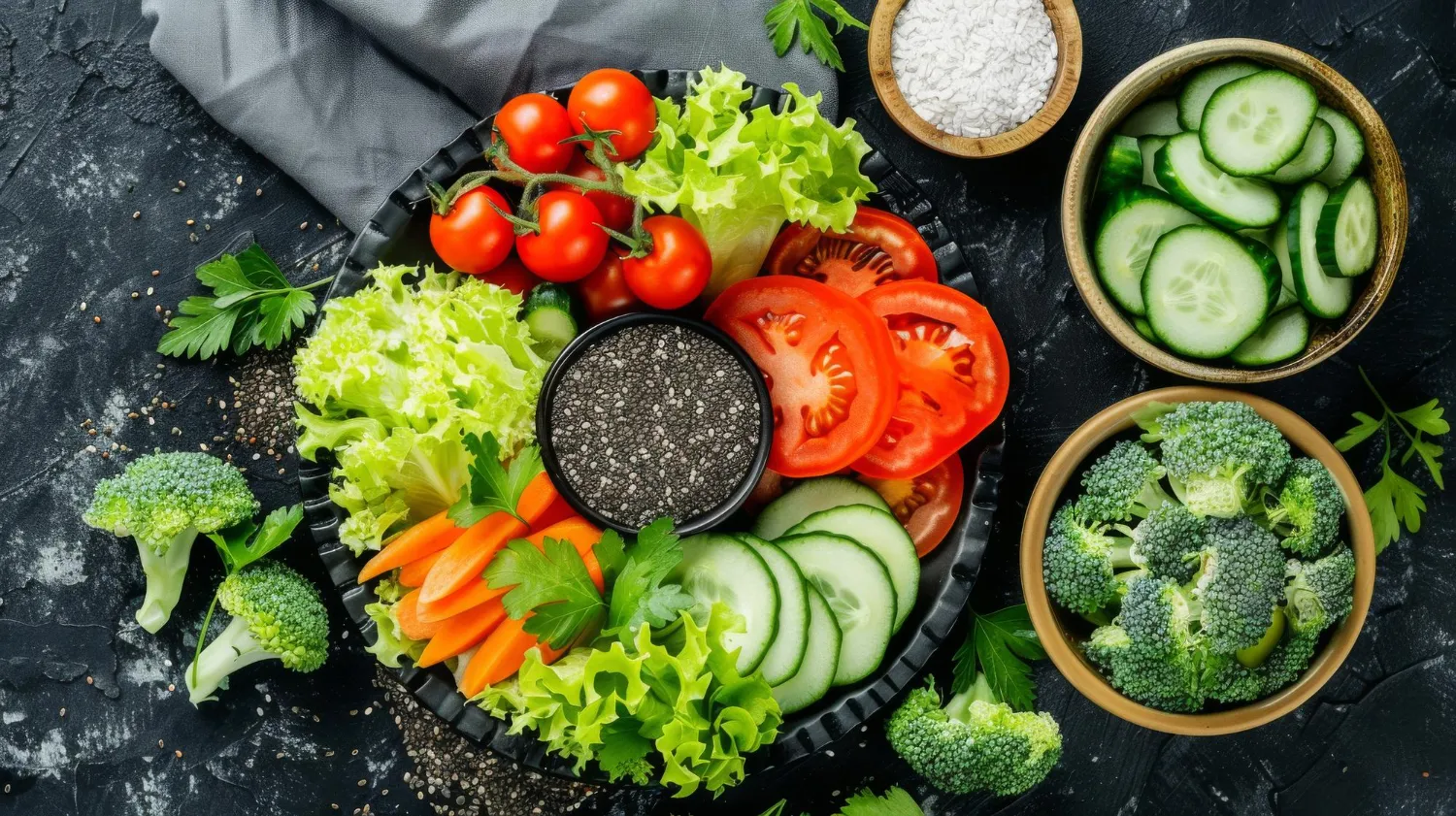
Monsoon or not, fiber-rich vegetables do important work — they feed the good bacteria in your gut, keep digestion moving, and support steady energy levels. Choosing high-fiber vegetables like bhindi, lauki, and ridge gourd during monsoon is a way to keep your gut in good shape precisely when it's most vulnerable.
Latest Articles
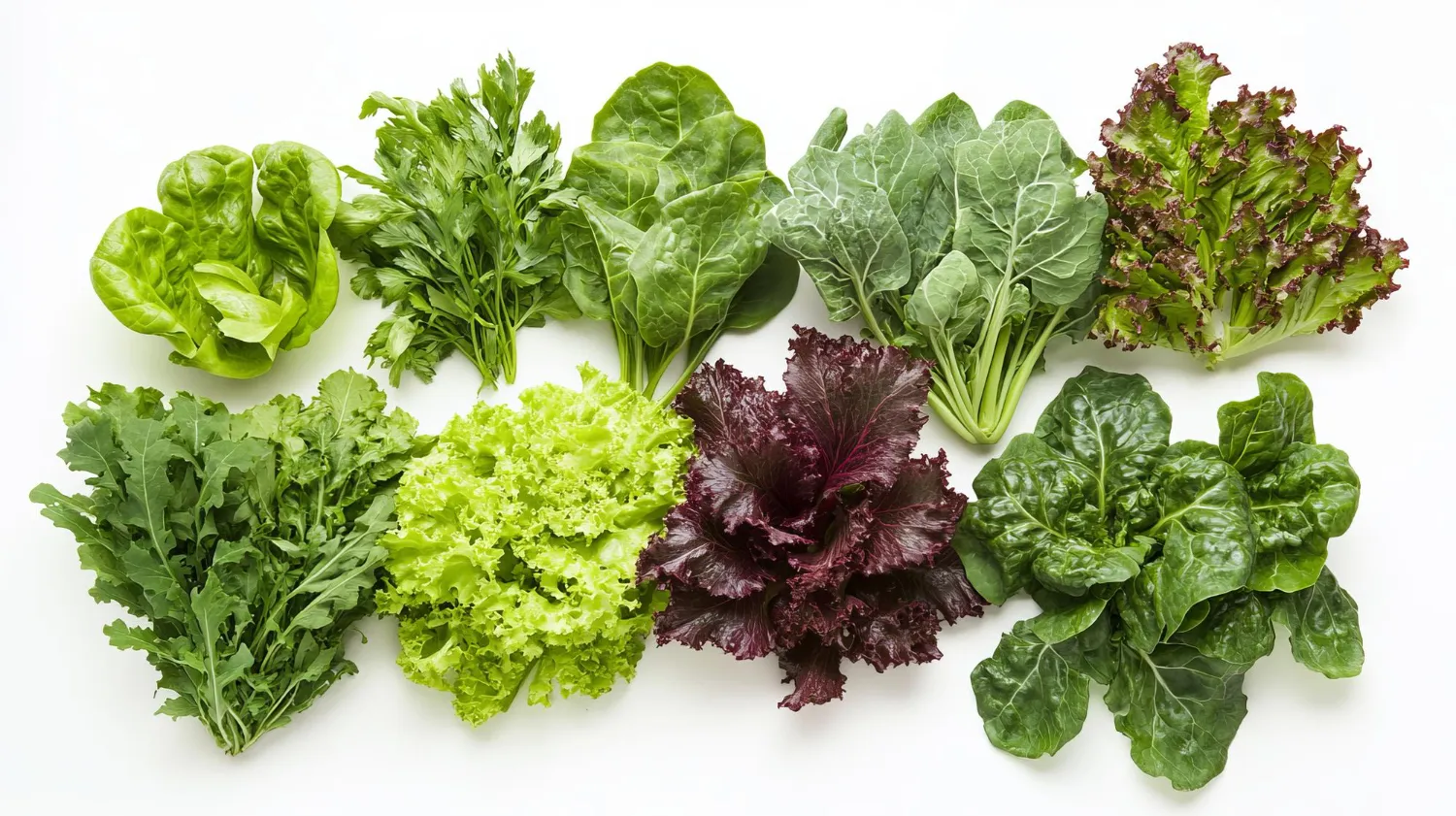
Leafy Greens in Monsoon: Safe to Eat or Not?
Should you avoid leafy greens in monsoon? Here's what's actually risky, what's safe, and how to eat them without getting sick this rainy season.
Bhindi Benefits for Diabetes: What You Should Know
Can bhindi really help manage blood sugar? Discover the science-backed benefits of okra for diabetes, how to eat it, and what to watch out for.
High Fiber Vegetables for Weight Loss
Want to lose weight without starving? These high fiber vegetables keep you full, support digestion, and make weight loss more sustainable and satisfying.
Cabbage for Gut Health: Benefits You Should Know
Cabbage is more than a budget veggie. Discover how it feeds good gut bacteria, eases digestion, and supports a healthier stomach naturally.
Spinach for Iron: How Much Should You Really Eat?
Spinach is famous as an iron superfood — but the reality is more nuanced. Here's how much spinach you actually need, and how to absorb its iron properly.
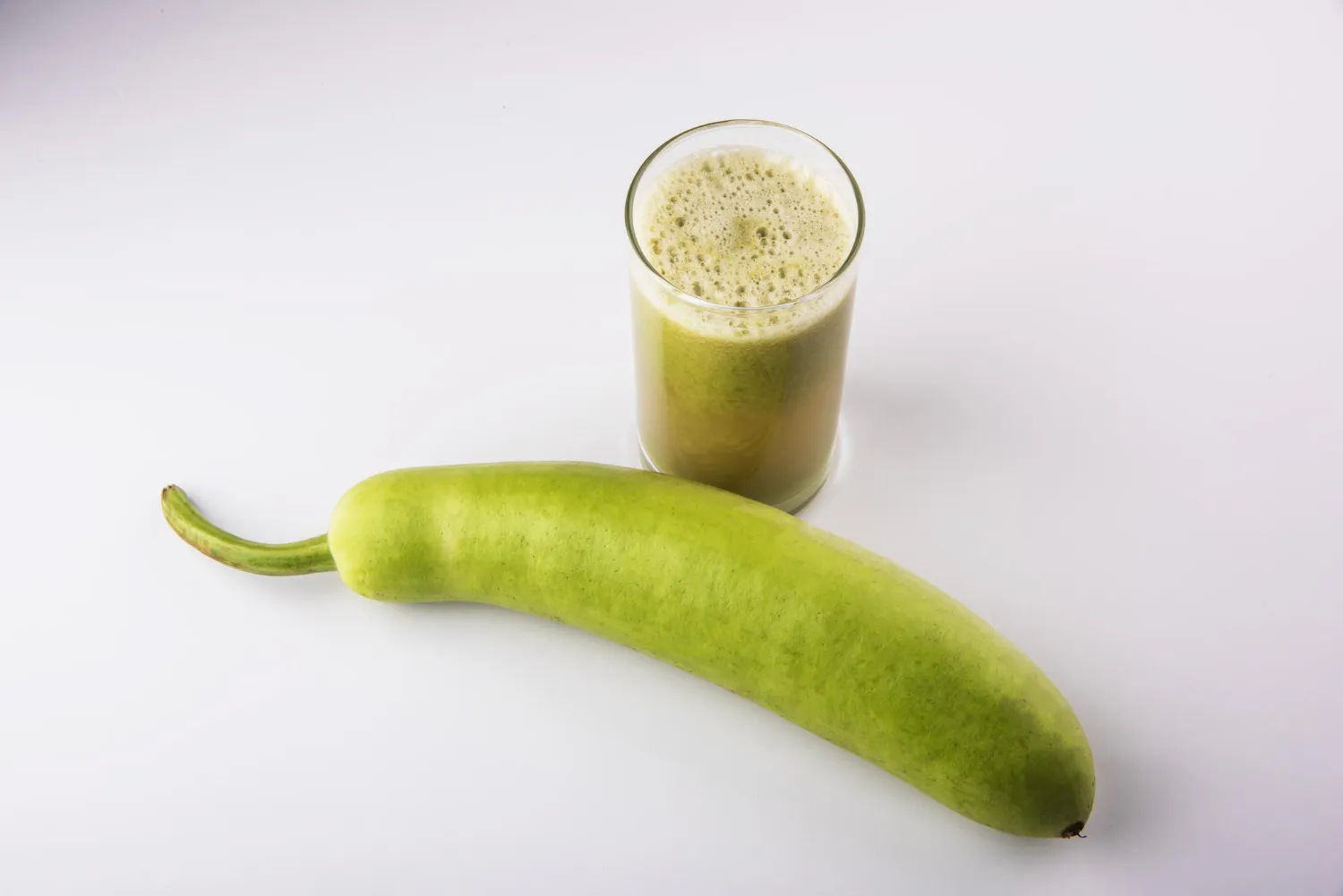
Is Lauki Good for Weight Loss? The Truth
Lauki is often dismissed as bland diet food. But is it actually good for weight loss? Here's what the nutrition science really says about bottle gourd.
Frequently Asked Questions
⚕️ Medical Disclaimer
This article is for informational and educational purposes only and is not a substitute for professional medical advice, diagnosis, or treatment. Always consult a qualified healthcare provider with any questions about a medical condition. Read full disclaimer.
Editorial note: This article was researched and written with the assistance of AI tools and reviewed by the Nutrikoo editorial team for accuracy and clarity. It is for general information only and is not medical advice. See our editorial policy.
Get healthy tips in your inbox
Join the Nutrikoo newsletter for science-backed nutrition, recipes and wellness — no spam, unsubscribe anytime.