

Leafy Greens in Monsoon: Safe to Eat or Not?

By Payal, Content Reviewer
7 July 2026 · 7 min read · 7 views
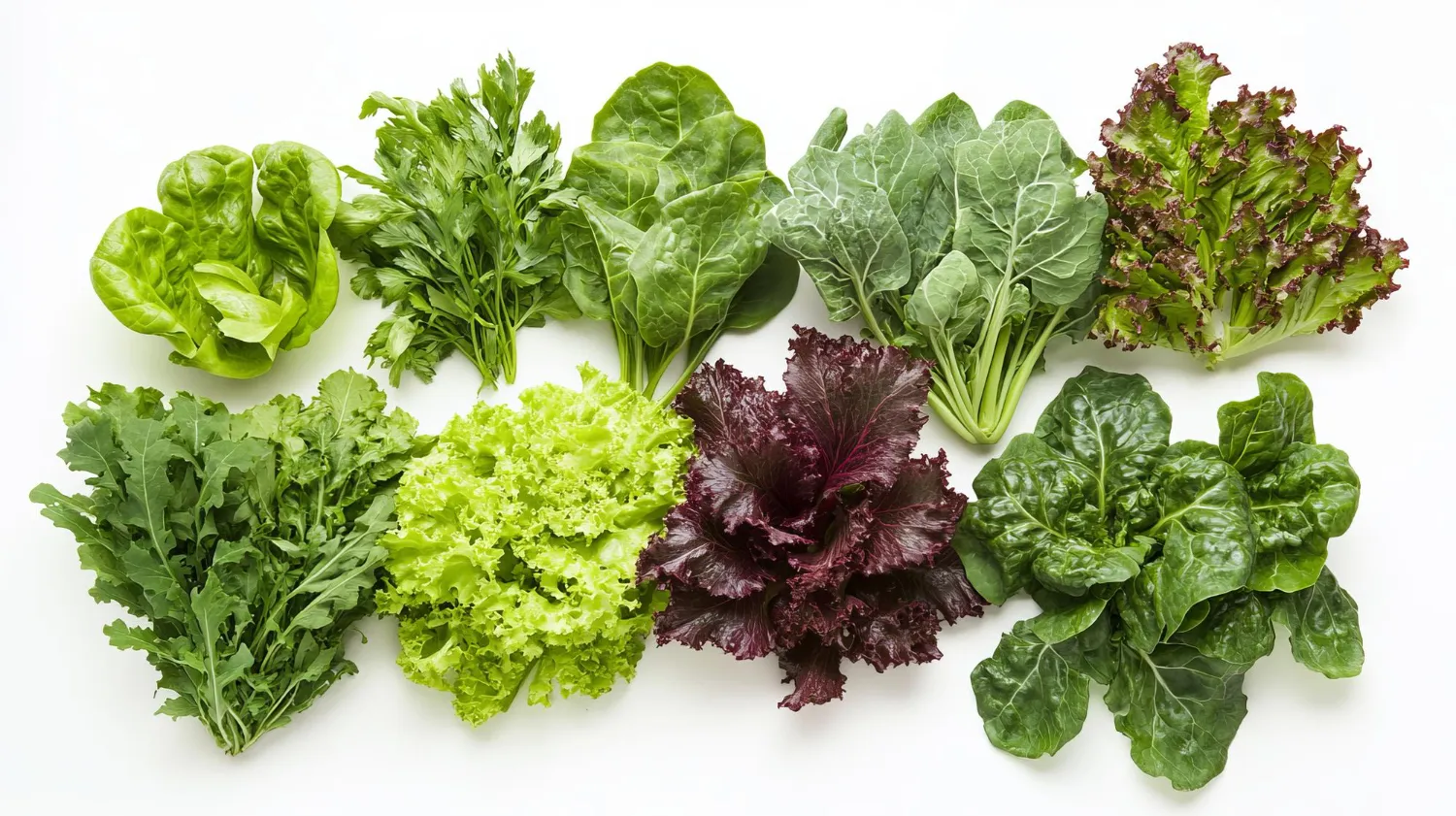
Should you avoid leafy greens in monsoon? Here's what's actually risky, what's safe, and how to eat them without getting sick this rainy season.
Leafy Greens in Monsoon: Safe to Eat or Not?
Every July, the same debate starts in Indian kitchens. Your mother says skip the palak. Your nutritionist says greens are non-negotiable. And somewhere in between, you're staring at a bunch of coriander wondering if it's going to land you in bed for three days.
So what's the actual truth about eating leafy greens during monsoon? Let's go question by question.
Why Do People Avoid Leafy Greens in Monsoon?
The concern isn't baseless. During the rainy season, the warm, humid conditions that make monsoon so lush also make it perfect for bacterial and fungal growth. Leafy vegetables have large surface areas, lots of folds and crevices, and they're often grown close to the ground — meaning they can pick up contaminated soil, stagnant water runoff, and microorganisms much more easily than, say, a tomato with a thick skin.
Markets also become a problem. Greens get wet repeatedly during transport and storage, then sit in humid conditions that accelerate spoilage. By the time palak or methi reaches your kitchen, it may have already started degrading in ways you can't always see or smell.
Waterborne pathogens — including bacteria like Escherichia coli and parasites like Giardia lamblia — are more prevalent during heavy rains when drainage systems overflow and contaminate groundwater and irrigation sources. Leafy greens irrigated with this water carry the risk right into your home.
Are All Leafy Greens Equally Risky?
No, and this is where most advice oversimplifies things.
Some greens are higher-risk during monsoon:
- Spinach (palak) — flat, soft leaves that trap soil and moisture
- Fenugreek leaves (methi) — small, clustered leaves that are hard to wash thoroughly
- Coriander (dhania) — feathery leaves with dozens of tiny surfaces
- Lettuce — especially in raw salads, essentially a moisture trap
Others are comparatively lower-risk, largely because they're sturdier or more commonly cooked at high heat:
- Cabbage — compact head, outer leaves removed before cooking
- Drumstick leaves (moringa) — usually cooked well before eating
- Curry leaves — used in small quantities, almost always in hot oil
The pattern here is simple: the more delicate and leafy, the more surface area for contamination. The more thoroughly you cook it, the safer it becomes.
Should You Cut Out Leafy Greens Entirely During Monsoon?
Honestly? That's an overreaction. Cutting out leafy greens for three to four months means missing out on iron, folate, magnesium, vitamin K, and fibre — nutrients that are genuinely hard to replace in adequate quantities from other food groups alone. If you're someone already tracking iron intake, you'll want to read more about how much spinach you actually need before eliminating it entirely.
The smarter approach is not avoidance — it's adjustment. You change how you eat them, not whether you eat them.
This is also a good time to lean into vegetables that thrive in monsoon and carry fewer risks, like the ones covered in this guide on the best vegetables to eat in monsoon season.
How Do You Clean Leafy Greens Properly in Monsoon?
This step matters more in July than it does in February. Here's a practical routine that actually works:
- Pick and discard immediately. Remove yellowed, slimy, or damaged leaves before washing. Don't try to salvage them.
- Soak in salt water. Fill a large bowl with water, add a generous pinch of salt, and soak your greens for 10-15 minutes. Salt helps loosen dirt and surface contaminants.
- Rinse under running water. Swish and rinse each batch at least two to three times. Bunched greens like methi need extra attention between the stems.
- Consider a vinegar rinse. A diluted solution of white vinegar and water (about 1 part vinegar to 3 parts water) for a few minutes, followed by a plain water rinse, can help reduce surface bacteria.
- Dry before storing. Wet greens stored in a container go bad quickly. Spread them on a clean cloth or use a salad spinner before refrigerating.
One practical tip: buy smaller quantities more frequently during monsoon rather than stocking up. Fresh is safer, full stop.
Is Raw or Cooked Better During Monsoon?
Cooked, without question. Heat kills most pathogens that washing alone might not eliminate. A well-cooked sabzi, dal with greens, or a stir-fry offers the nutritional benefits with significantly lower risk than a raw salad.
Raw salads with lettuce or coriander, especially eaten at restaurants or street food stalls where you can't control how well the greens were washed, are the highest-risk scenario during monsoon. This isn't about being paranoid — it's just that food poisoning during monsoon is genuinely more common, and the gut is already working harder this season.
If you're interested in keeping your digestive system strong through the rains, the tips in how to improve gut health in monsoon season are worth a read.
Which Leafy Greens Are Actually Good to Eat in Monsoon?
Here are greens worth including in your monsoon diet, with a sensible approach:
- Moringa (drumstick leaves) — Packed with calcium and iron, and almost always cooked thoroughly in dal or curries. A genuinely good monsoon green.
- Cabbage — When cooked, it's one of the more gut-friendly vegetables around. Cabbage has real benefits for gut health that make it a solid monsoon choice.
- Curry leaves — Small amounts, but nutritionally potent and used in hot oil — effectively sterilised in the cooking process.
- Cooked methi (fenugreek) — Methi sabzi or methi paratha is fine when prepared with properly washed and well-cooked leaves.
- Cooked palak — Palak dal, palak paneer, palak khichdi. All perfectly reasonable if the leaves were cleaned carefully before cooking.
The thread connecting all of these? They're cooked. That's really the whole trick.
What About Monsoon Immunity — Do Greens Still Help?
Yes, and this is actually more reason to not abandon them entirely. Leafy greens are rich in vitamin C, beta-carotene, and folate — all of which support immune function. Monsoon brings with it a higher load of infections, and you need your defences up.
Pair your cooked greens with spices like turmeric and ginger, which have their own well-established role in managing inflammation and supporting digestion. The combination of well-cooked methi sabzi with a pinch of turmeric and ginger isn't just traditional — it's genuinely practical for this time of year. You can also look at how ginger supports digestion for more context on why that combination works.
Latest Articles
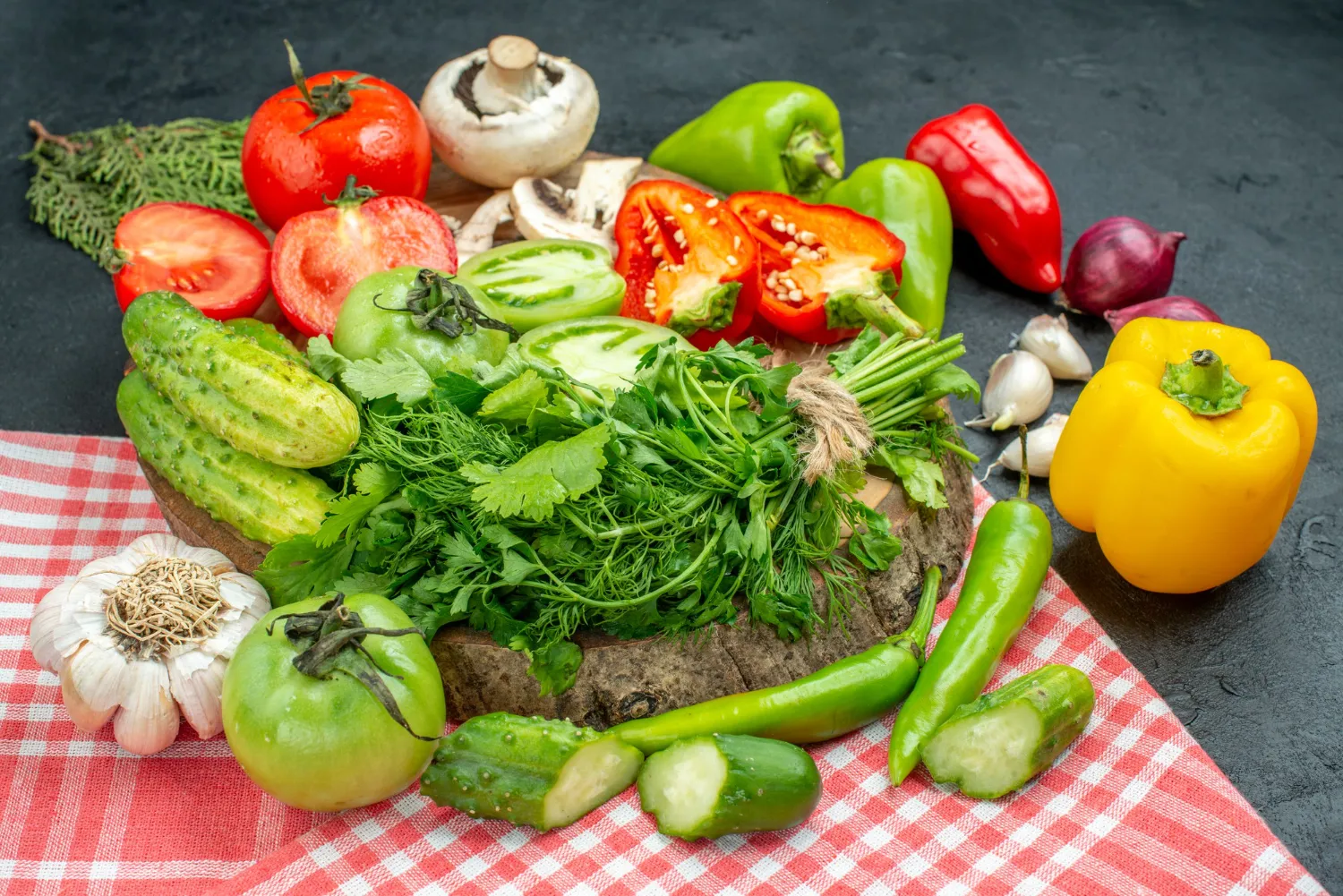
Best Vegetables to Eat in Monsoon Season
Think you should avoid all veggies in monsoon? Think again. Here are the safest, healthiest vegetables to eat during the rainy season in India.
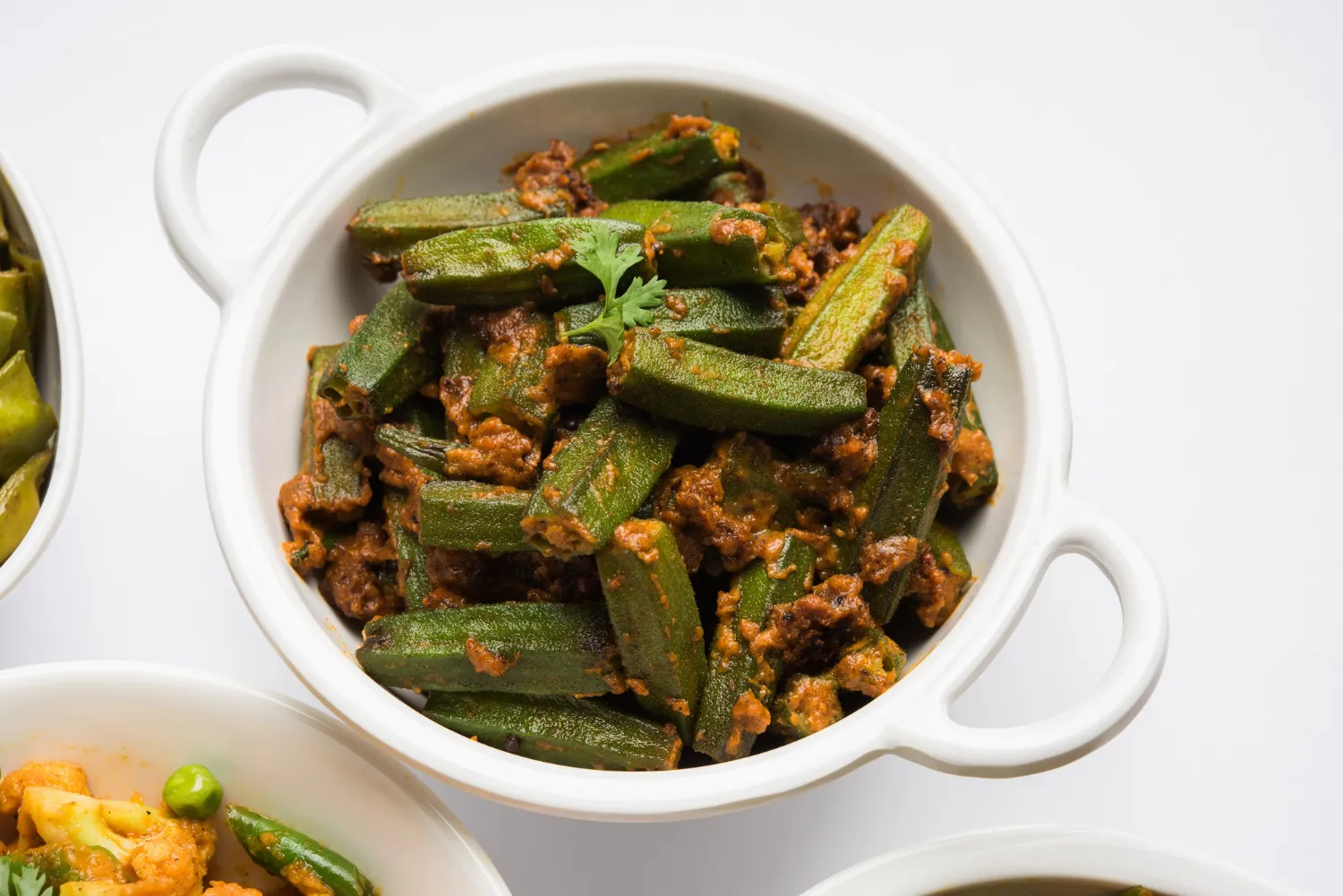
Bhindi Benefits for Diabetes: What You Should Know
Can bhindi really help manage blood sugar? Discover the science-backed benefits of okra for diabetes, how to eat it, and what to watch out for.
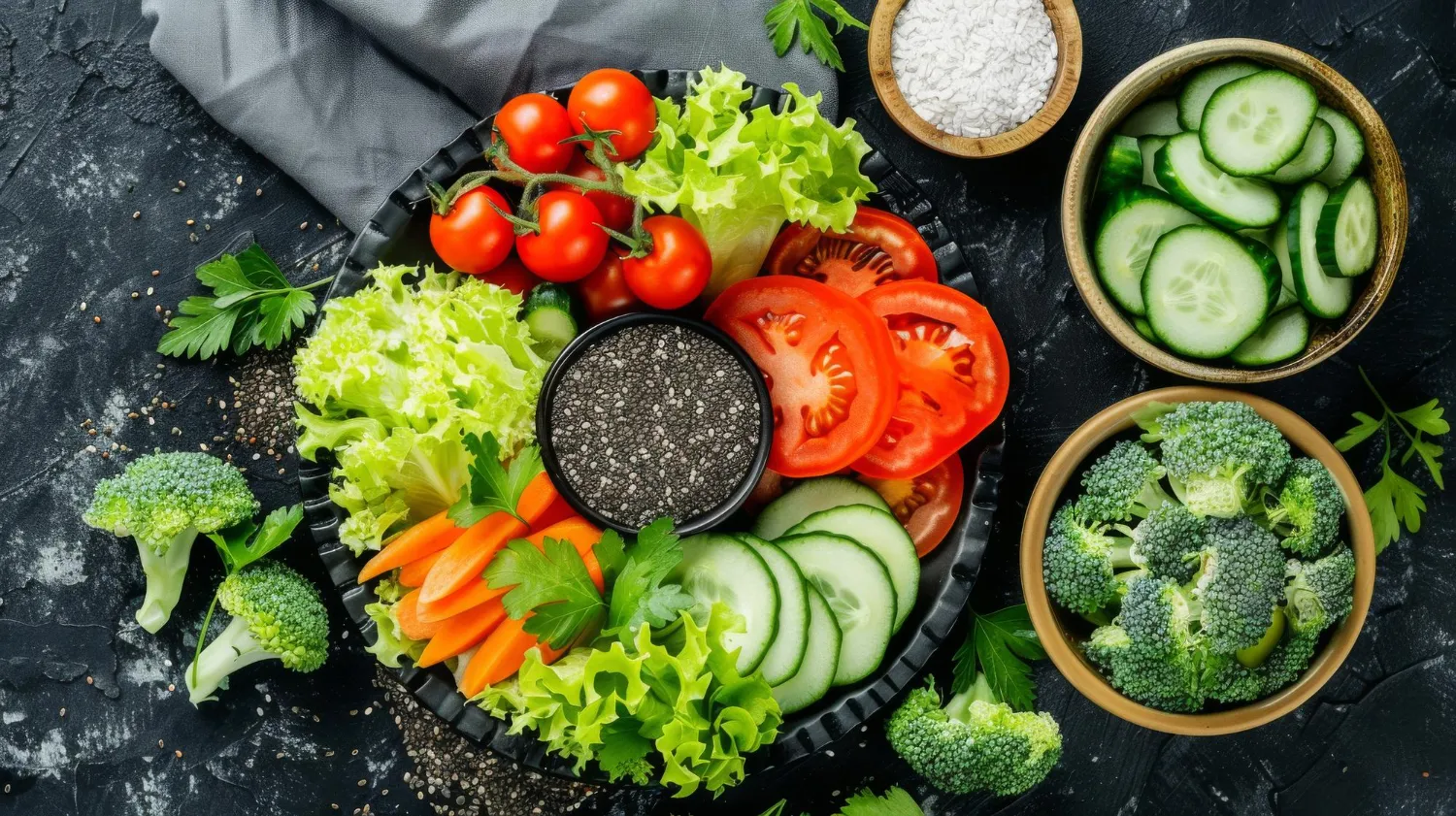
High Fiber Vegetables for Weight Loss
Want to lose weight without starving? These high fiber vegetables keep you full, support digestion, and make weight loss more sustainable and satisfying.
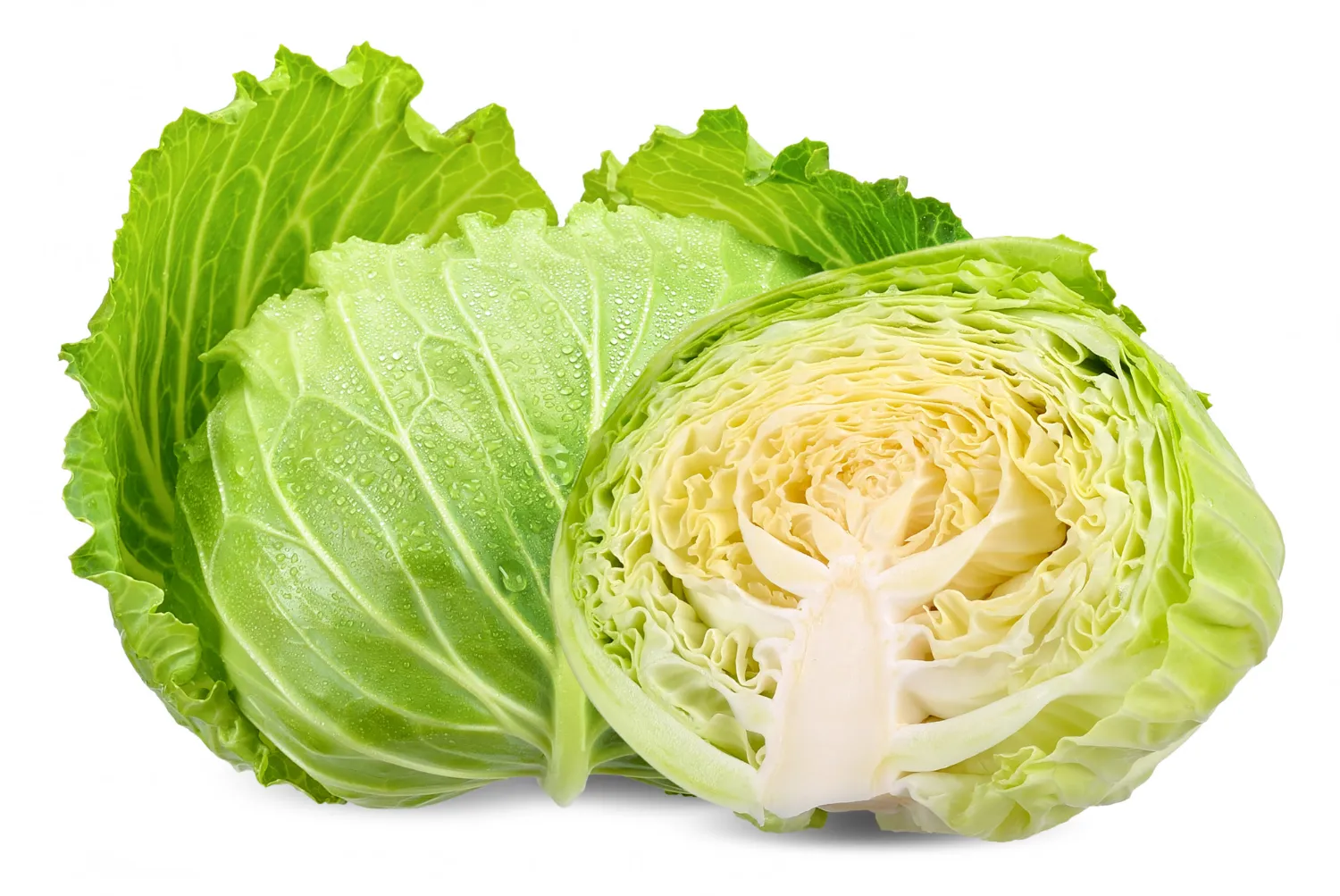
Cabbage for Gut Health: Benefits You Should Know
Cabbage is more than a budget veggie. Discover how it feeds good gut bacteria, eases digestion, and supports a healthier stomach naturally.
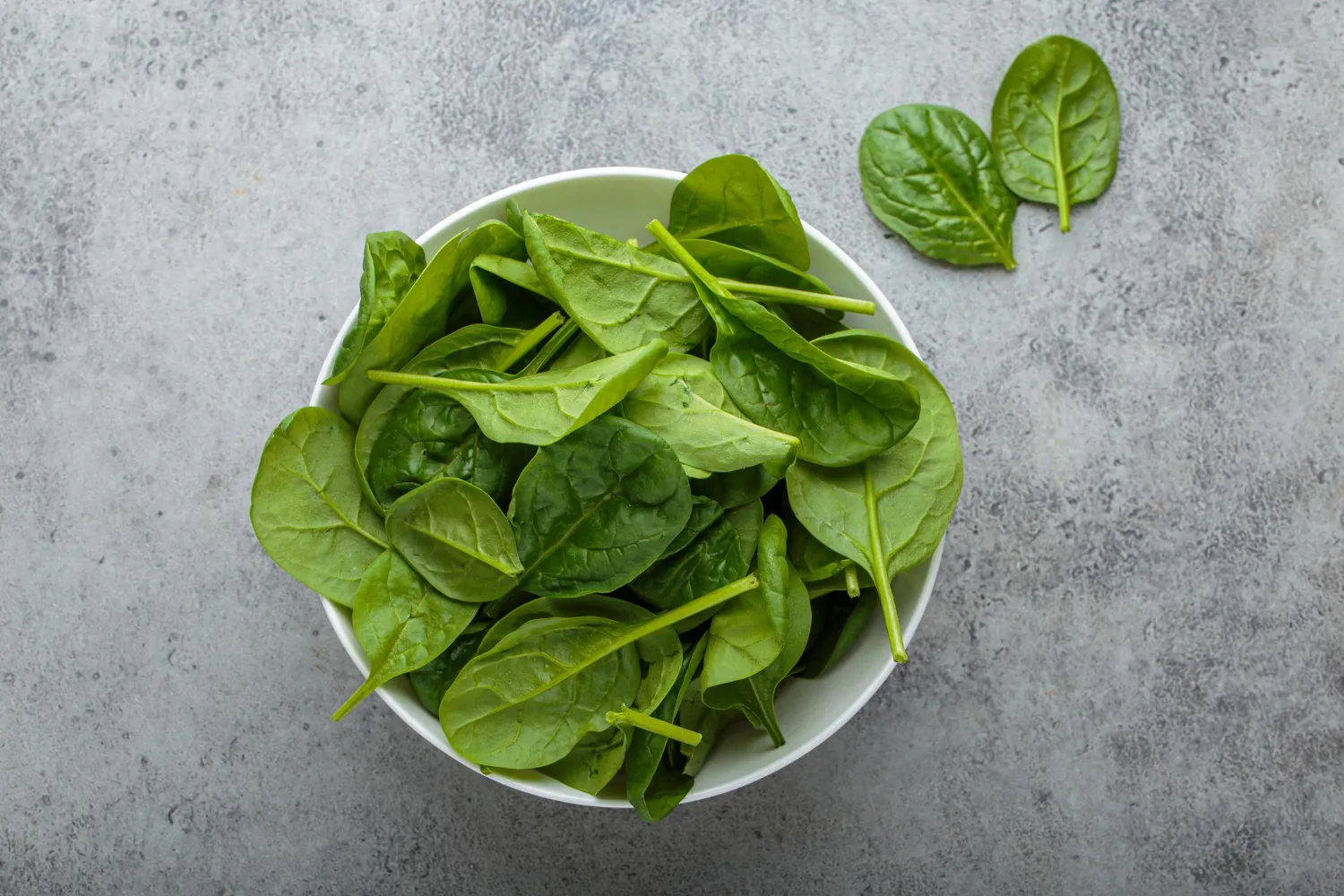
Spinach for Iron: How Much Should You Really Eat?
Spinach is famous as an iron superfood — but the reality is more nuanced. Here's how much spinach you actually need, and how to absorb its iron properly.
Is Lauki Good for Weight Loss? The Truth
Lauki is often dismissed as bland diet food. But is it actually good for weight loss? Here's what the nutrition science really says about bottle gourd.
Frequently Asked Questions
⚕️ Medical Disclaimer
This article is for informational and educational purposes only and is not a substitute for professional medical advice, diagnosis, or treatment. Always consult a qualified healthcare provider with any questions about a medical condition. Read full disclaimer.
Editorial note: This article was researched and written with the assistance of AI tools and reviewed by the Nutrikoo editorial team for accuracy and clarity. It is for general information only and is not medical advice. See our editorial policy.
Get healthy tips in your inbox
Join the Nutrikoo newsletter for science-backed nutrition, recipes and wellness — no spam, unsubscribe anytime.