

Karela for Blood Sugar: Benefits That Actually Work

By Payal, Content Reviewer
7 July 2026 · 7 min read · 25 views
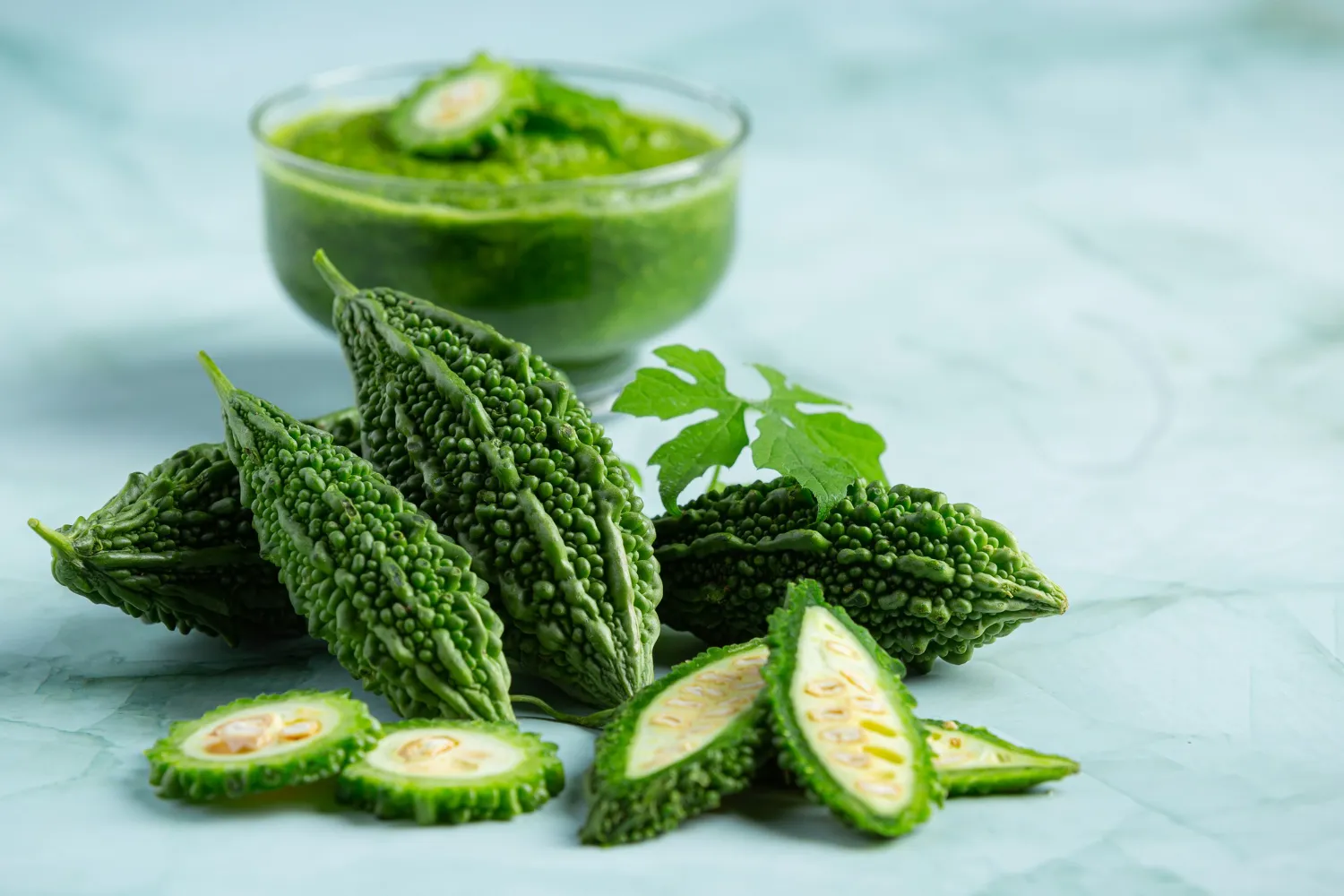
Bitter gourd (karela) has long been used to manage blood sugar in India. Here's what the science says about its real benefits and how to use it.
Karela for Blood Sugar: Benefits That Actually Work
Picture this: your doctor just told you your fasting blood sugar is "borderline." You're not yet diabetic, but you're close enough that it's rattling around in your head at 2 a.m. You start googling, and somewhere between chromium supplements and cinnamon tea, karela keeps showing up. Your grandmother has been saying it for years. But does it actually work, or is this just one of those things Indian families swear by because someone's uncle once felt better?
Turns out, there's genuine science behind this deeply unpopular vegetable.
What Is Karela and Why Does It Taste So Awful?
Karela (Momordica charantia), commonly known as bitter gourd or bitter melon, is a green, warty vegetable grown widely across India, Southeast Asia, and parts of Africa. The bitterness comes from compounds called momordicins and cucurbitacins — and those very compounds are partly responsible for its health effects.
It's one of those foods that nobody really wants to eat, but millions of people eat anyway because they know it's good for them. That alone says something.
The Active Compounds Behind Karela's Blood Sugar Effects
Karela isn't just bitter and vaguely virtuous. It contains several bioactive compounds that researchers have been studying for decades:
- Charantin: A mix of steroidal saponins shown to have blood glucose-lowering properties in animal and early human studies.
- Polypeptide-p (plant insulin): A plant-derived compound that mimics the action of insulin in the body.
- Vicine: A glycoside that may trigger insulin secretion from the pancreas.
- Antioxidants and flavonoids: These help reduce oxidative stress, which is higher in people with diabetes and contributes to complications over time.
Together, these compounds appear to work on multiple fronts — improving glucose uptake by cells, slowing carbohydrate digestion, and supporting the pancreas. Think of it as a small team of helpers rather than one magic bullet.
What Research Actually Shows
Human clinical trials on karela are smaller and less definitive than what we'd ideally want. But the evidence that exists is encouraging, not dismissive.
Several studies have found that bitter melon extract or juice can meaningfully reduce fasting blood sugar and post-meal glucose spikes in people with type 2 diabetes or prediabetes. Some research suggests it may improve HbA1c (the three-month average blood sugar marker) when taken consistently.
It's not as potent as metformin or other diabetes medications. Nobody credible is suggesting you replace your prescription with karela juice. But as a dietary strategy — especially for people managing blood sugar through food, exercise, and lifestyle — it genuinely earns its place.
Karela also contains decent dietary fiber, which slows glucose absorption in the gut. If you're already reading about high fiber foods for better digestion in India, karela fits right into that picture.
How to Actually Use Karela for Blood Sugar
This is where most articles wave their hands and say "consume regularly." Let's be more specific.
Karela Juice (Most Common Method)
- Take one medium karela, remove the seeds, and blend with a little water.
- Drink about 50–100 ml on an empty stomach in the morning.
- Some people add a pinch of black pepper, which may aid absorption — similar to how it helps with other plant compounds. If you're curious about that, black pepper for immunity and absorption is worth a read.
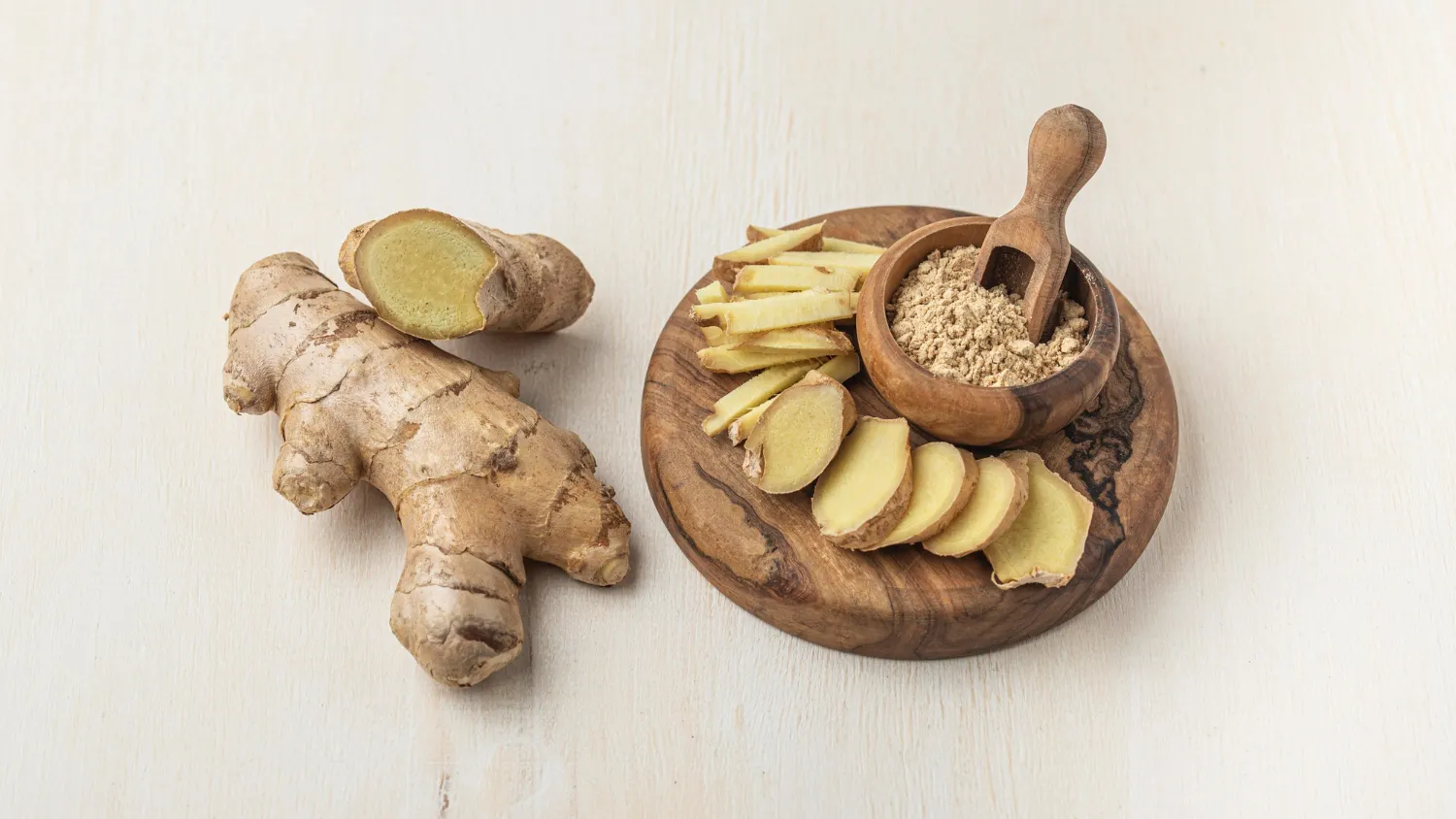
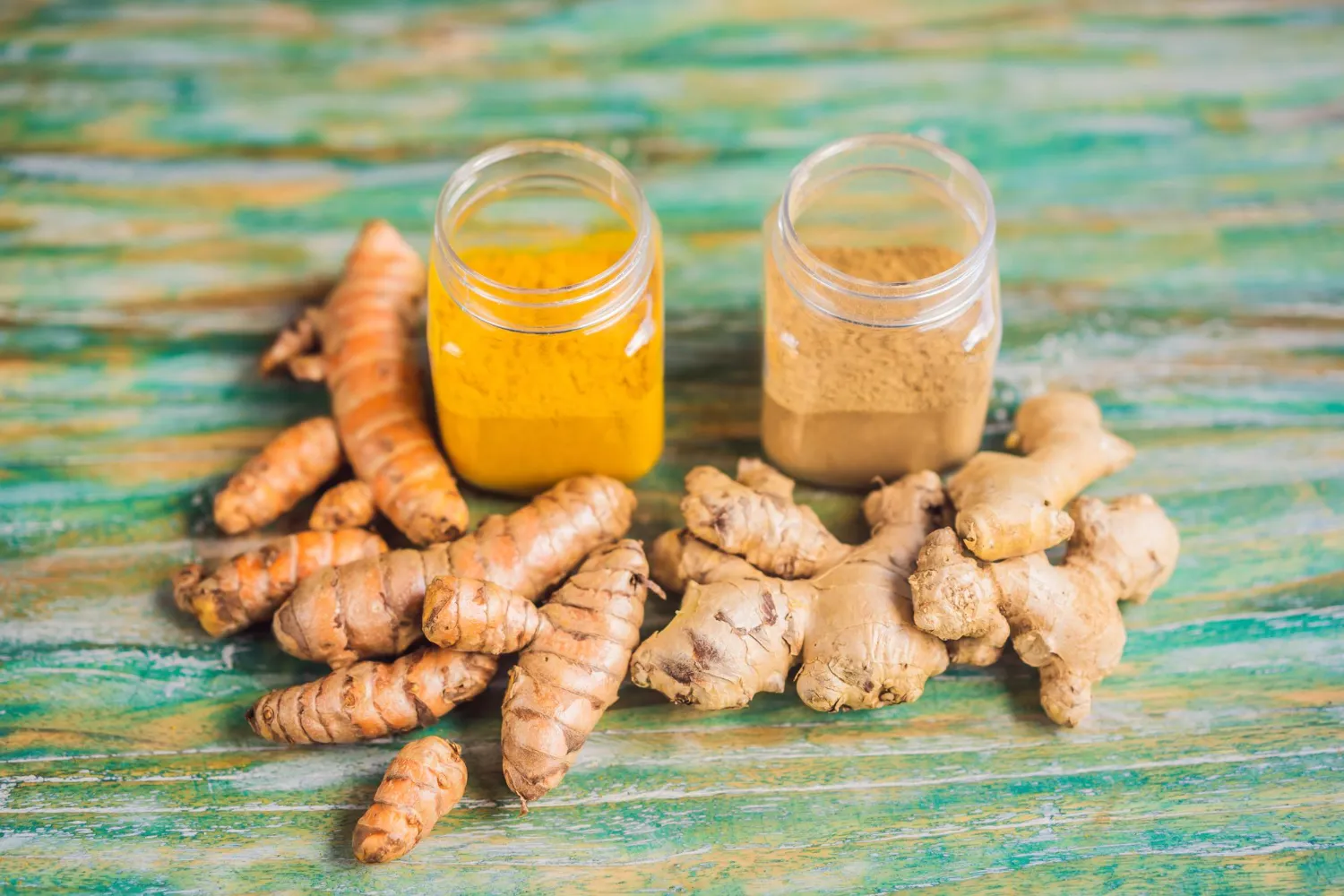
The juice is intensely bitter. Rolling the cut karela in salt and letting it sit for 15–20 minutes before blending reduces bitterness somewhat without eliminating all the beneficial compounds.
Cooked Karela (Easier to Tolerate)
Stir-frying karela with onions and spices — the classic karela sabzi — is a perfectly valid way to eat it. You lose a small amount of heat-sensitive nutrients, but you still get the fiber, charantin, and much of the polypeptide-p content.
Karela Capsules or Powder
Bitter melon supplements are widely available. They're convenient, but stick to reputable brands and check that the dosage matches what was used in research (typically 500 mg to 2 g of extract daily). Don't exceed recommended doses casually.
How Often?
Most traditional use and research points to daily consumption for at least 4–8 weeks before expecting measurable changes in blood sugar. It's not an acute remedy like taking a painkiller. Think of it more like the way psyllium husk benefits gut health and glucose regulation — consistent, gradual, cumulative.
Karela's Other Health Benefits Worth Knowing
Since we're already drinking the bitter stuff, it's worth noting what else you get:
- Liver support: Karela has traditionally been used to support liver function and may help with fatty liver concerns associated with insulin resistance.
- Immunity: Rich in vitamin C and antioxidants, it contributes to immune defense.
- Weight management: Low in calories, high in fiber, and it may help reduce appetite. Fiber's broader role in weight is well-documented — does fiber help with weight loss? answers that in detail.
- Skin health: Traditionally used in Ayurveda for conditions like psoriasis, possibly linked to its anti-inflammatory compounds.
Who Should Be Careful With Karela?
Karela is generally safe when eaten as a vegetable. Concentrated juice or supplements require a bit more caution:
- People on diabetes medication: Karela can add to the glucose-lowering effect of drugs like metformin or insulin, potentially causing hypoglycemia (blood sugar dropping too low). Monitor your levels closely and talk to your doctor.
- Pregnant women: High doses of karela have been associated with uterine contractions in animal studies. Eating it as a vegetable is typically fine; supplements are not recommended during pregnancy.
- People with G6PD deficiency: Vicine in karela can trigger hemolytic anemia in people with this genetic condition. It's relatively rare but worth checking.
If you're managing blood sugar through traditional remedies and wondering about other Ayurvedic options too, how to use ashwagandha for stress and energy covers another well-studied Indian herb with indirect benefits for blood sugar via cortisol regulation.
A Practical Note on Consistency
The people who report real benefits from karela are almost always those who built it into a routine — not the ones who drank it twice after a big meal and gave up. It pairs best with other blood sugar-friendly habits: reducing refined carbohydrates, walking after meals, managing stress, and sleeping enough.
Karela isn't going to cancel out a diet of white rice and mithai. But as part of a thoughtful, whole-food approach, it's one of the most evidence-backed vegetables in the traditional Indian pharmacopeia.
Latest Articles
Leafy Greens in Monsoon: Safe to Eat or Not?
Should you avoid leafy greens in monsoon? Here's what's actually risky, what's safe, and how to eat them without getting sick this rainy season.
Best Vegetables to Eat in Monsoon Season
Think you should avoid all veggies in monsoon? Think again. Here are the safest, healthiest vegetables to eat during the rainy season in India.

Bhindi Benefits for Diabetes: What You Should Know
Can bhindi really help manage blood sugar? Discover the science-backed benefits of okra for diabetes, how to eat it, and what to watch out for.
High Fiber Vegetables for Weight Loss
Want to lose weight without starving? These high fiber vegetables keep you full, support digestion, and make weight loss more sustainable and satisfying.

Cabbage for Gut Health: Benefits You Should Know
Cabbage is more than a budget veggie. Discover how it feeds good gut bacteria, eases digestion, and supports a healthier stomach naturally.
Spinach for Iron: How Much Should You Really Eat?
Spinach is famous as an iron superfood — but the reality is more nuanced. Here's how much spinach you actually need, and how to absorb its iron properly.
Frequently Asked Questions
⚕️ Medical Disclaimer
This article is for informational and educational purposes only and is not a substitute for professional medical advice, diagnosis, or treatment. Always consult a qualified healthcare provider with any questions about a medical condition. Read full disclaimer.
Editorial note: This article was researched and written with the assistance of AI tools and reviewed by the Nutrikoo editorial team for accuracy and clarity. It is for general information only and is not medical advice. See our editorial policy.
Get healthy tips in your inbox
Join the Nutrikoo newsletter for science-backed nutrition, recipes and wellness — no spam, unsubscribe anytime.