
Spinach for Iron: How Much Should You Really Eat?

By Payal, Content Reviewer
7 July 2026 · 7 min read · 29 views
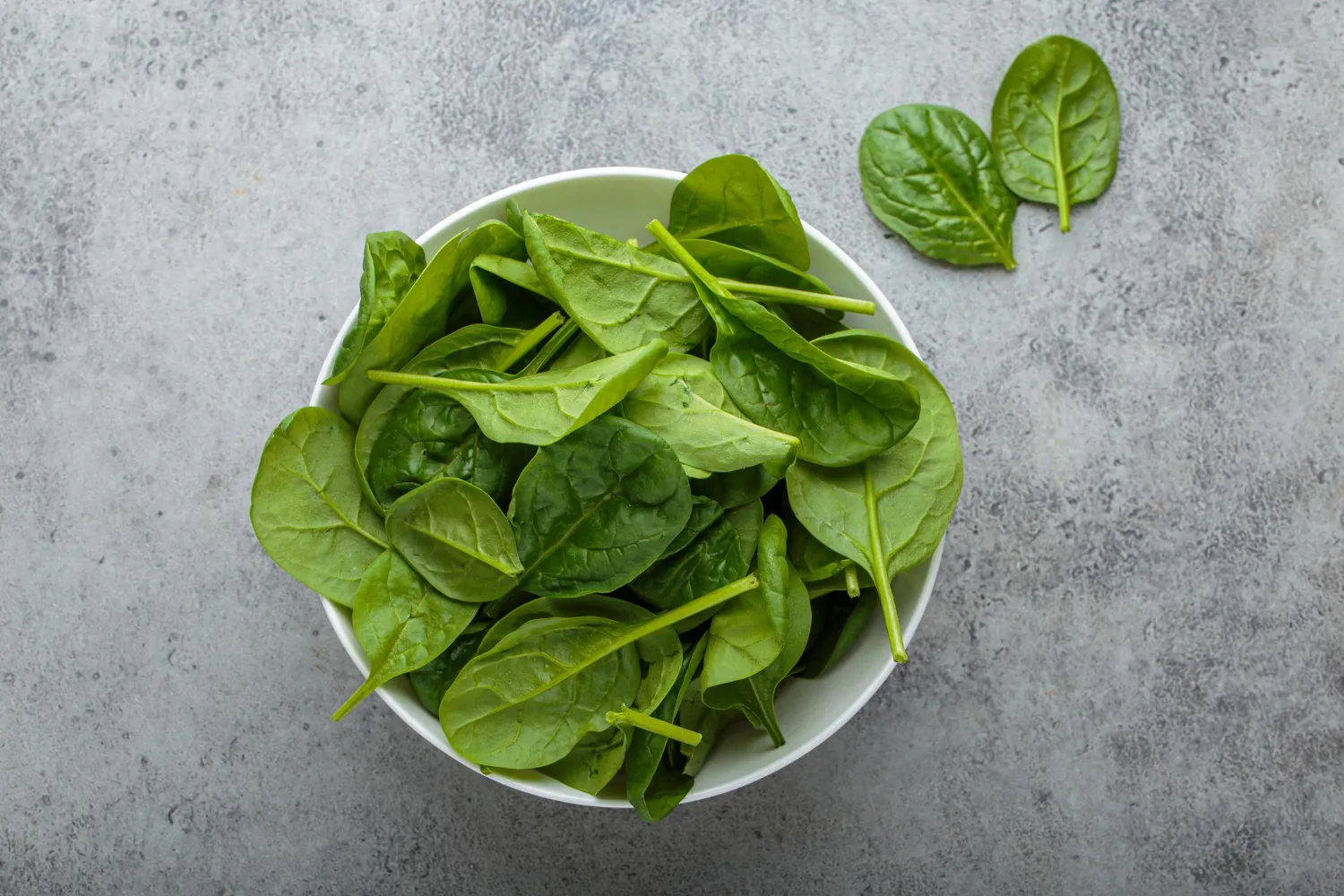
Spinach is famous as an iron superfood — but the reality is more nuanced. Here's how much spinach you actually need, and how to absorb its iron properly.
Spinach Is an Iron Superfood — Or Is It?
Popeye made spinach (Spinacia oleracea) famous for a reason. The image of those bulging muscles after chugging a can of the stuff lodged itself into popular imagination — and into the minds of parents everywhere trying to get kids to eat their greens. Ask most people what food they'd eat for iron, and "spinach" is usually the first answer.
Here's the thing, though: spinach is not quite the iron powerhouse we've been led to believe. That doesn't mean it's useless — far from it. But if you're eating fistfuls of palak expecting your iron levels to shoot up, you might be in for a surprise. Let's set the record straight.
The Myth vs. The Reality
The myth actually has a weird origin. A 19th-century German scientist reportedly misplaced a decimal point when recording spinach's iron content, inflating it tenfold. This error circulated for decades before being corrected. By then, the spinach-equals-iron idea had already become cultural fact.
Modern measurements tell a more modest story. Raw spinach contains roughly 2.7 mg of iron per 100 g — not bad for a vegetable, but not dramatically more than other greens like fenugreek leaves (methi) or garden cress seeds (halim). And quantity is only half the story.
The Real Problem: Bioavailability
Iron comes in two forms: heme iron (from animal sources) and non-heme iron (from plants). Spinach gives you non-heme iron, which the body absorbs far less efficiently — typically 2–20% of what you eat, compared to 15–35% for heme iron from meat or fish.
Spinach also contains oxalic acid, a naturally occurring compound that binds to iron in the gut and makes it harder to absorb. So even that 2.7 mg per 100 g doesn't all reach your bloodstream. Your body may only actually use a small fraction of it.
This isn't a reason to ditch spinach — it's just context. Knowing the limitation helps you eat smarter.
Raw vs. Cooked Spinach: Which Has More Iron?
This is where things get a little counterintuitive. Raw spinach technically has iron, but a cup of raw spinach is mostly air and water — it compresses dramatically when cooked. One cup of cooked spinach (roughly 180 g) gives you around 6 mg of iron, compared to about 0.8 mg in a single cup of raw leaves.
So from a sheer iron-quantity perspective, cooked spinach wins easily. You'd have to eat a very large salad bowl of raw spinach to match what a small bowl of saag delivers.
That said, cooking doesn't eliminate the oxalic acid problem entirely, though blanching and discarding the water does reduce oxalate content somewhat.
How Much Spinach Do You Actually Need?
Daily iron requirements vary:
- Adult men and post-menopausal women: around 8 mg/day
- Adult women (19–50 years): around 18 mg/day
- Pregnant women: up to 27 mg/day
Now, if you're relying primarily on spinach as your iron source, the math gets tricky. Even eating 200 g of cooked spinach (a generous portion), you'd be getting roughly 7–8 mg of iron on paper — but absorbing meaningfully less than that, thanks to the oxalate factor.
A practical daily target for spinach: Around 150–200 g cooked (or 1–2 cups), eaten as part of a broader iron-rich diet, not as the sole solution to iron deficiency.
The Fix: Pair Spinach with Vitamin C
Here's the good news: you can significantly boost non-heme iron absorption by eating spinach alongside a source of vitamin C. Ascorbic acid actively counters the inhibiting effect of oxalates and enhances how much iron your gut can take up.
Simple ways to do this in everyday Indian cooking:
- Squeeze lemon juice over palak sabzi just before serving
- Add chopped tomatoes to your spinach dal or soup
- Pair a spinach meal with a small glass of nimbu pani (without sugar, ideally)
- Add amla (Indian gooseberry) chutney on the side — amla is one of the richest vitamin C sources available
It's a small habit with a real payoff.
What to Avoid Eating Alongside Spinach
Just as vitamin C helps, certain foods block iron absorption. Try to avoid having these at the same meal as your spinach:
- Tea and coffee — the tannins significantly reduce non-heme iron uptake. Have your chai an hour before or after your iron-rich meal.
- Calcium-rich foods — milk, paneer, and yogurt compete with iron for absorption. Again, timing matters more than elimination.
- Whole grains with phytic acid — like unsoaked whole wheat or raw oats, which can also bind iron.
This isn't about eating these foods less — just about timing them separately from your iron-focused meals.
Other Leafy Greens That Also Deliver Iron
Spinach is a great starting point, but relying on one vegetable for any nutrient is rarely a smart move. Other Indian greens worth adding to your rotation:
- Methi (fenugreek leaves): roughly 1.9 mg iron per 100 g, with a slightly lower oxalate content
- Amaranth leaves (chaulai): a solid iron source and widely available across India
- Drumstick leaves (moringa): often cited for their impressive mineral content
- Bathua (chenopodium): a seasonal winter green popular in North India, also a reasonable iron source
Rotating these through your week gives your body more chances to accumulate iron across different food matrices. You can also check out karela, which supports blood sugar balance — another underrated vegetable worth keeping in your weekly meal plan alongside iron-rich greens.
Does Cooking Method Matter?
Yes, a little. Steaming or lightly sautéing spinach retains more nutrients than boiling it to mush. Blanching briefly and draining away the water reduces oxalates but also loses some water-soluble nutrients. For iron specifically, a quick sauté in a cast-iron pan is actually a useful trick — small amounts of iron leach from the pan into the food.
If you're managing iron deficiency, talk to your doctor about whether dietary changes alone are sufficient, or whether a supplement is needed. Food sources are always preferable for long-term nutrition, but clinical deficiency usually needs a faster fix.
What About Non-Vegetarians?
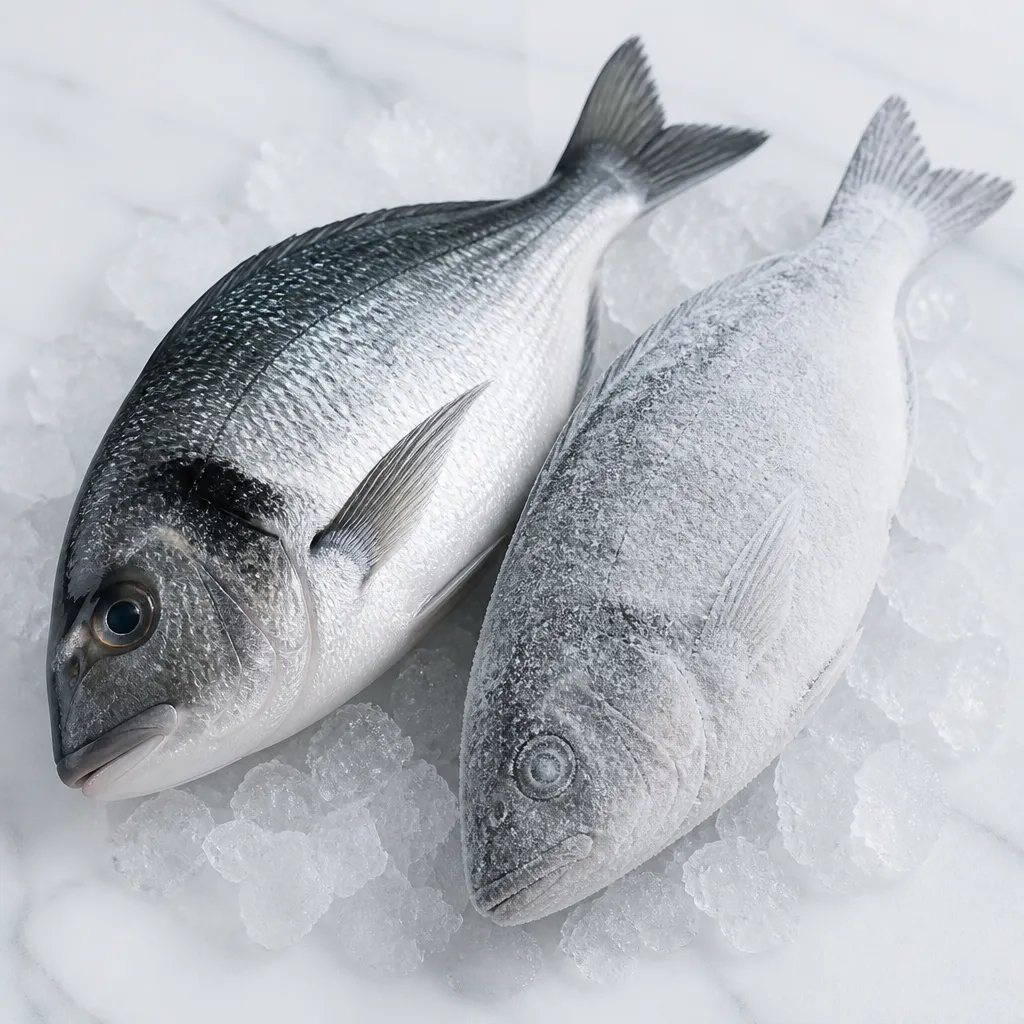
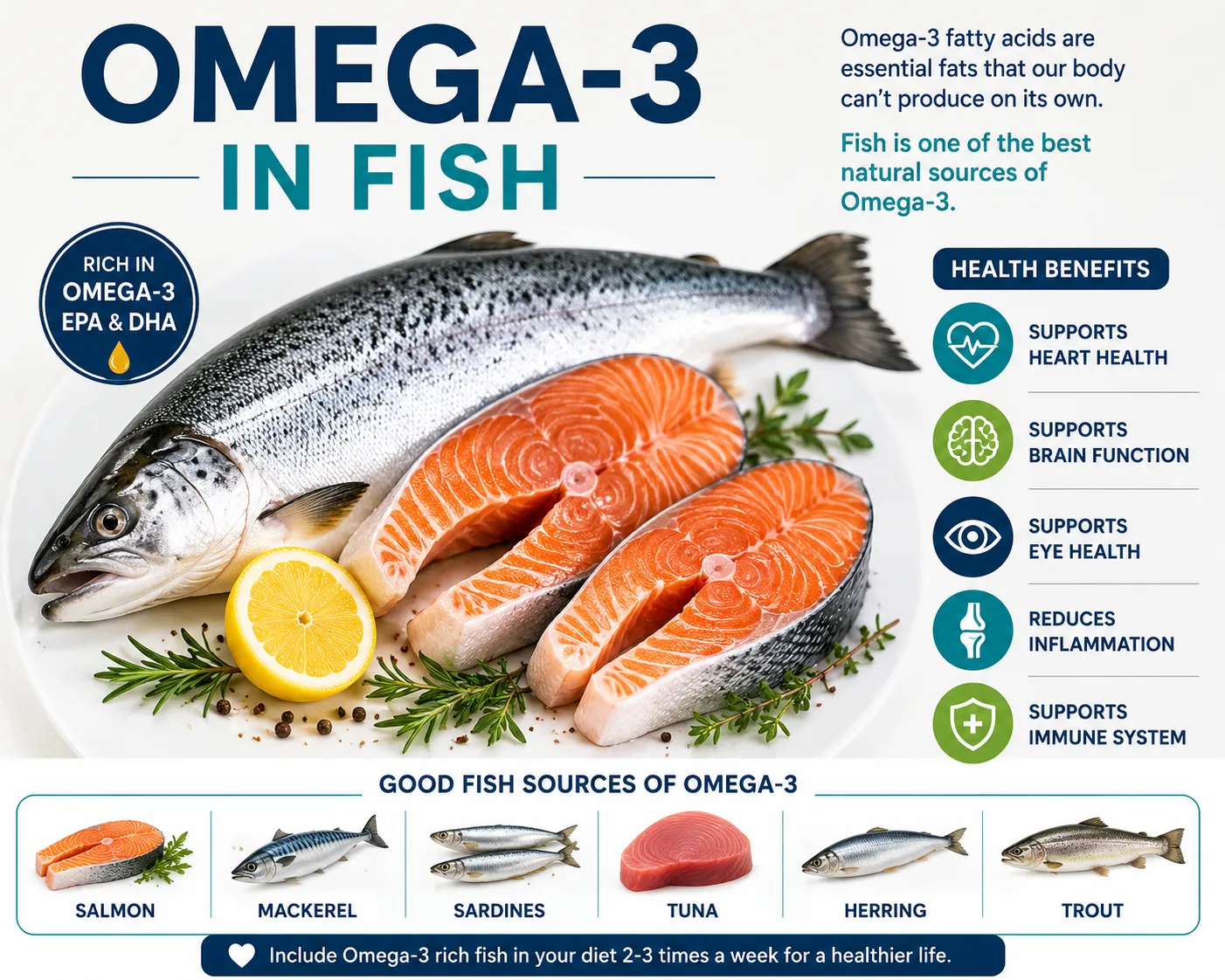
If you eat meat or fish, combining your palak dishes with heme-iron sources makes iron absorption significantly more efficient. Even a small amount of animal protein in a meal boosts the absorption of non-heme iron alongside it. If fish is part of your diet, eating fish twice a week can make a meaningful difference to your overall iron and protein intake.
For vegetarians who also want to address weight and gut health alongside iron, high fiber foods for digestion and the role of fiber in weight management are worth reading — spinach itself contributes to fiber intake, adding another reason to keep it on your plate.
Latest Articles
Leafy Greens in Monsoon: Safe to Eat or Not?
Should you avoid leafy greens in monsoon? Here's what's actually risky, what's safe, and how to eat them without getting sick this rainy season.
Best Vegetables to Eat in Monsoon Season
Think you should avoid all veggies in monsoon? Think again. Here are the safest, healthiest vegetables to eat during the rainy season in India.
Bhindi Benefits for Diabetes: What You Should Know
Can bhindi really help manage blood sugar? Discover the science-backed benefits of okra for diabetes, how to eat it, and what to watch out for.
High Fiber Vegetables for Weight Loss
Want to lose weight without starving? These high fiber vegetables keep you full, support digestion, and make weight loss more sustainable and satisfying.
Cabbage for Gut Health: Benefits You Should Know
Cabbage is more than a budget veggie. Discover how it feeds good gut bacteria, eases digestion, and supports a healthier stomach naturally.
Is Lauki Good for Weight Loss? The Truth
Lauki is often dismissed as bland diet food. But is it actually good for weight loss? Here's what the nutrition science really says about bottle gourd.
Frequently Asked Questions
⚕️ Medical Disclaimer
This article is for informational and educational purposes only and is not a substitute for professional medical advice, diagnosis, or treatment. Always consult a qualified healthcare provider with any questions about a medical condition. Read full disclaimer.
Editorial note: This article was researched and written with the assistance of AI tools and reviewed by the Nutrikoo editorial team for accuracy and clarity. It is for general information only and is not medical advice. See our editorial policy.
Get healthy tips in your inbox
Join the Nutrikoo newsletter for science-backed nutrition, recipes and wellness — no spam, unsubscribe anytime.