

Cabbage for Gut Health: Benefits You Should Know

By Payal, Content Reviewer
7 July 2026 · 7 min read · 41 views
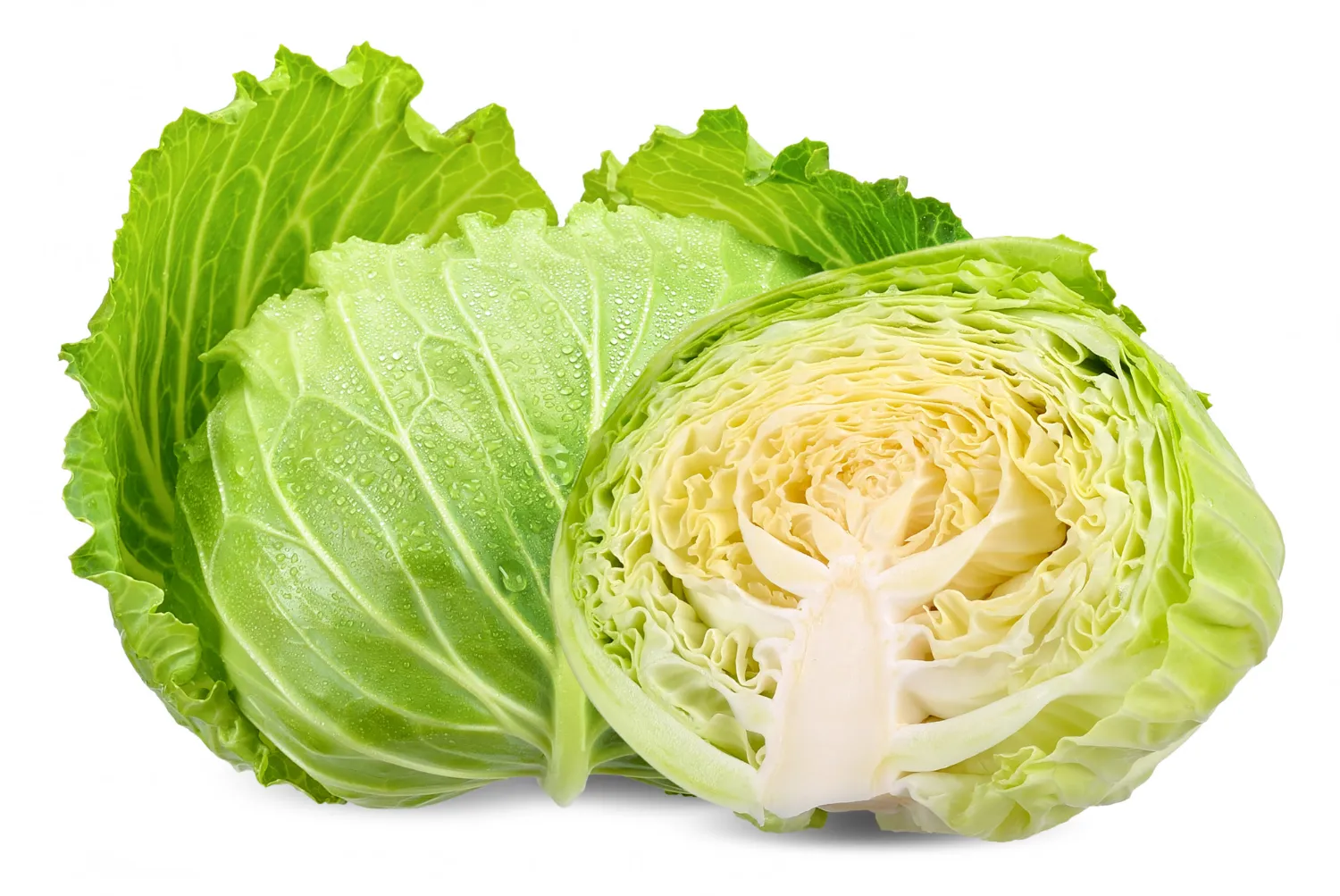
Cabbage is more than a budget veggie. Discover how it feeds good gut bacteria, eases digestion, and supports a healthier stomach naturally.
Cabbage for Gut Health: Benefits You Should Know
Picture a typical Indian kitchen on a weeknight. A head of cabbage sits on the counter, slightly overlooked next to the shinier bottle gourd and the brightly coloured capsicum. Someone picks it up, pulls off a few leaves for a quick sabzi, and puts the rest back. It gets the job done — cheap, cheerful, no fuss.
But here's the thing: that humble cabbage (Brassica oleracea var. capitata) might be one of the most underrated vegetables for your gut. If you have been dealing with sluggish digestion, bloating, or just want to feed the good bacteria in your stomach, cabbage deserves a much closer look.
What Makes Cabbage So Good for Your Gut?
Cabbage is not flashy. It does not come with exotic branding or a steep price tag. What it does carry is a solid package of dietary fibre, natural compounds called glucosinolates, and gut-friendly micronutrients — all working quietly together to support your digestive system.
A single cup of raw, shredded cabbage gives you:
- Dietary fibre (both soluble and insoluble) to keep things moving
- Vitamin C — more than people usually expect from a pale-looking vegetable
- Vitamin K and folate
- Sulphur compounds linked to gut lining repair and anti-inflammatory effects
It is low in calories, high in water content, and filling enough to help you eat sensibly — something worth noting if you are also keeping an eye on your weight, similar to what makes lauki such a useful vegetable for weight management.
How Cabbage Feeds Your Gut Bacteria
Your gut microbiome — the trillions of bacteria living in your intestines — needs to be fed. Not just any food, but prebiotic fibre: the kind of carbohydrate your gut bacteria can ferment and thrive on. Cabbage provides exactly this.
The insoluble fibre in cabbage acts as a prebiotic, meaning it passes through your small intestine mostly intact and reaches the colon, where beneficial bacteria like Lactobacillus and Bifidobacterium break it down. This fermentation process produces short-chain fatty acids, which are basically fuel for your colon cells and help keep inflammation in check.
If you are serious about improving your gut microbiome, pairing cabbage with other fibre-rich foods can make a real difference. The article on best Indian foods for a healthy gut has some solid combinations worth trying.
Fermented Cabbage: The Probiotic Boost
This is where cabbage genuinely stands apart from most other vegetables. When you ferment cabbage — either as sauerkraut (the European version) or a simple home brine — you are not just preserving it. You are creating a live, probiotic-rich food teeming with beneficial bacteria.
Fermented cabbage has been used for centuries across cultures. Even in India, some regional pickles and kanji preparations use fermented cabbage or similar brassicas. The fermentation process lowers the pH, creates lactic acid bacteria, and turns an ordinary vegetable into a gut health powerhouse.
Why does this matter? While prebiotic fibre feeds existing good bacteria, probiotics from fermented foods actually add new friendly bacteria to your gut. The two together — prebiotic and probiotic — form a synbiotic combination that research increasingly links to better gut barrier function, reduced bloating, and more regular digestion.
Cabbage and Digestive Discomfort: The Gas Question
Let's be honest — cabbage has a bit of a reputation for causing gas. And that is not entirely unfair. Cabbage contains raffinose, a complex sugar that humans cannot fully digest on their own. When it reaches the large intestine, bacteria ferment it, producing gas as a byproduct.
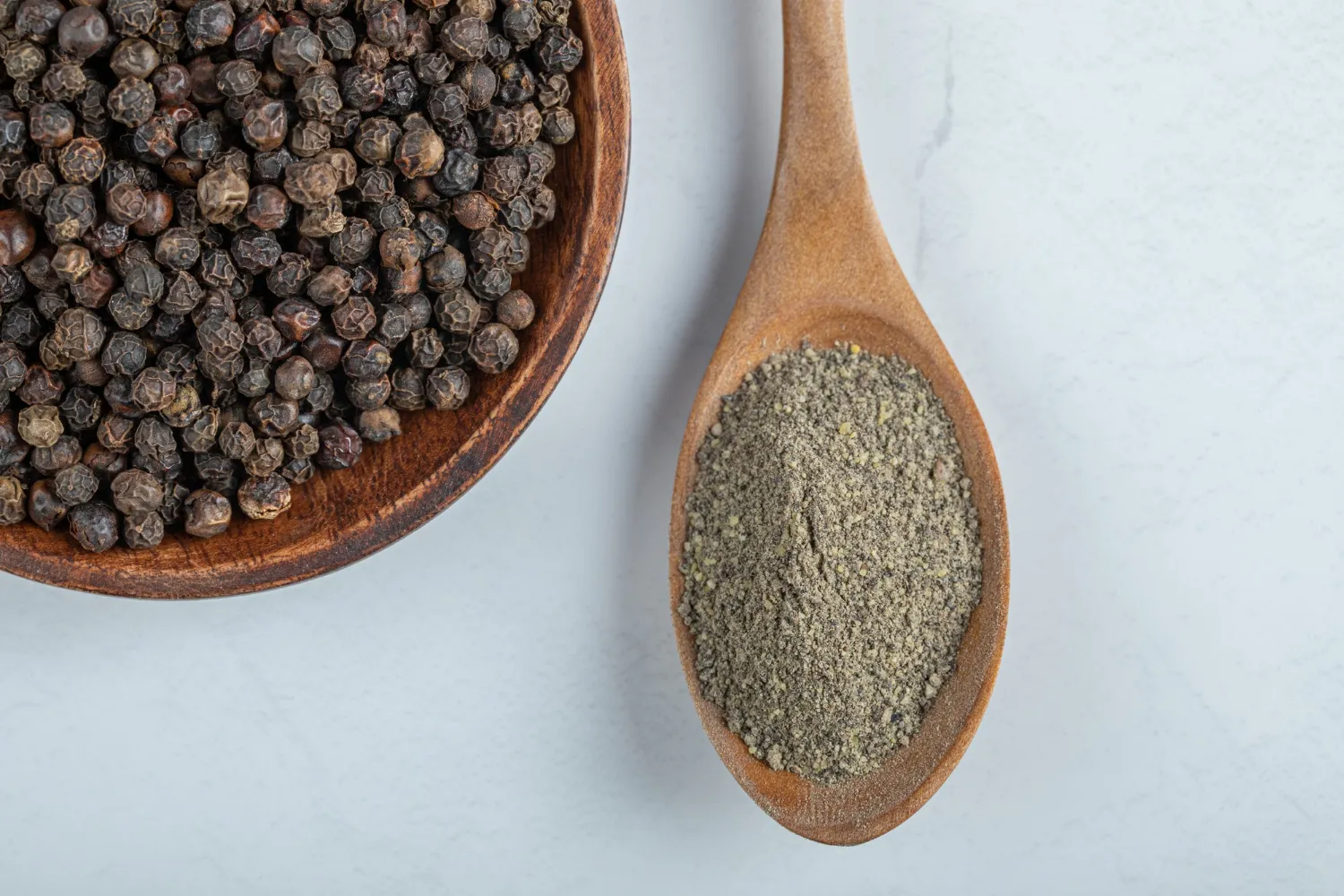

Does this mean you should avoid cabbage? Not at all — but a few practical adjustments help:
- Cook it. Cooking breaks down some of the raffinose and makes cabbage easier to digest. A simple stir-fry or lightly sautéed sabzi is gentler on the stomach than a big bowl of raw coleslaw.
- Start slow. If your gut is not used to high-fibre vegetables, introduce cabbage gradually over a week or two.
- Add cumin or ajwain. In Indian cooking, these spices are traditionally added to gas-causing vegetables for good reason — they genuinely help with bloating.
- Chew thoroughly. Sounds obvious, but rushing meals is one of the most common causes of digestive discomfort.
If you have a sensitive gut or IBS, speak with a doctor before significantly increasing your cabbage intake.
Glucosinolates: The Gut-Protective Compounds
Cabbage belongs to the cruciferous family, which includes broccoli, cauliflower, and kale. These vegetables are rich in glucosinolates — sulphur-containing compounds that convert into biologically active forms like indoles and isothiocyanates when you chew or cook them.
What do these compounds do for your gut? Research suggests they may help protect the gut lining, support detoxification processes in the colon, and reduce oxidative stress in intestinal cells. They are not magic bullets, but as part of a varied diet, they contribute meaningfully to gut health over time.
Think of glucosinolates as the long game players — not dramatic, but consistently beneficial when cabbage is eaten regularly.
Red Cabbage vs Green Cabbage: Does It Matter?
Both are excellent, but red cabbage (Brassica oleracea var. capitata f. rubra) has a nutritional edge in one area: anthocyanins. These are the pigments that give red cabbage its deep purple-red colour, and they are also potent antioxidants with demonstrated anti-inflammatory properties in the gut.
If you can get red cabbage at your local sabziwala, it is worth picking up occasionally. It is slightly firmer when raw, works beautifully in slaws, and gives your gut an extra hit of plant polyphenols alongside the standard fibre and glucosinolate package.
Simple Ways to Eat More Cabbage
You do not need complicated recipes. Here are a few practical ideas for Indian kitchens:
- Patta gobhi ki sabzi with jeera and mustard seeds — the classic, reliable option
- Cabbage in dal or mixed-vegetable dishes for extra bulk and fibre
- Cabbage and carrot salad with lemon, salt, and a pinch of chilli
- Cabbage parathas — finely shredded cabbage mixed into the dough works surprisingly well
- Homemade fermented cabbage — just shredded cabbage, salt, and patience (3-5 days in a clean jar)
For more ideas on boosting your digestive fibre intake, the guide on high fiber foods for better digestion in India is a helpful read. And if you are curious about how different fibres interact with digestion, psyllium husk and its gut health benefits makes for a good companion article.
How Cabbage Fits Into a Broader Gut Health Diet
Cabbage works best when it is one piece of a varied, plant-rich diet. Pair it with other gut-friendly foods — ginger, for instance, which has its own well-documented digestive benefits (read more in this piece on ginger for digestion) — and you are building a diet that genuinely supports your gut, not just ticking a health box.
No single food fixes gut health. But cabbage is one of those quiet, consistent performers that earns its place on the plate every week.
Latest Articles
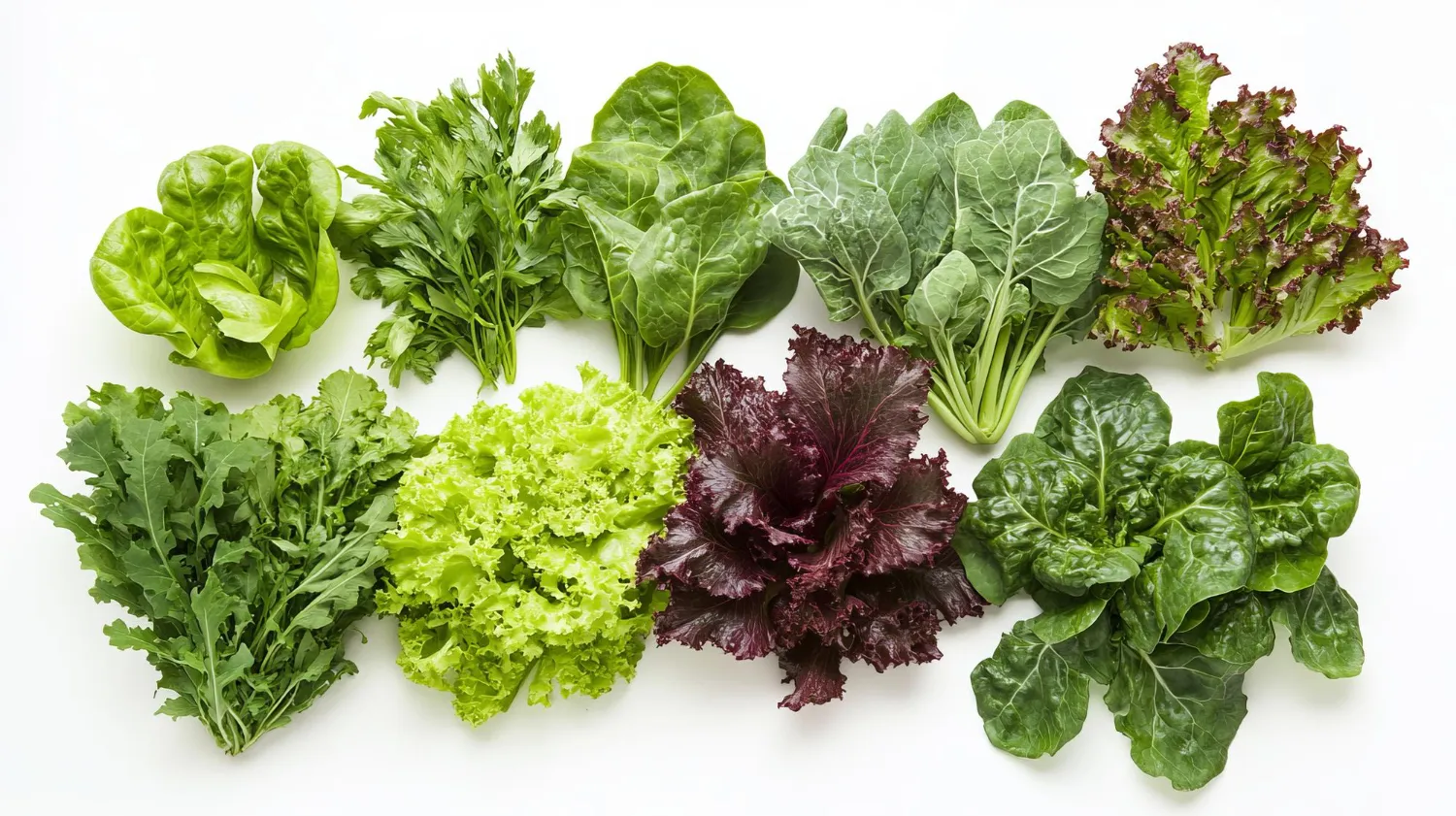
Leafy Greens in Monsoon: Safe to Eat or Not?
Should you avoid leafy greens in monsoon? Here's what's actually risky, what's safe, and how to eat them without getting sick this rainy season.
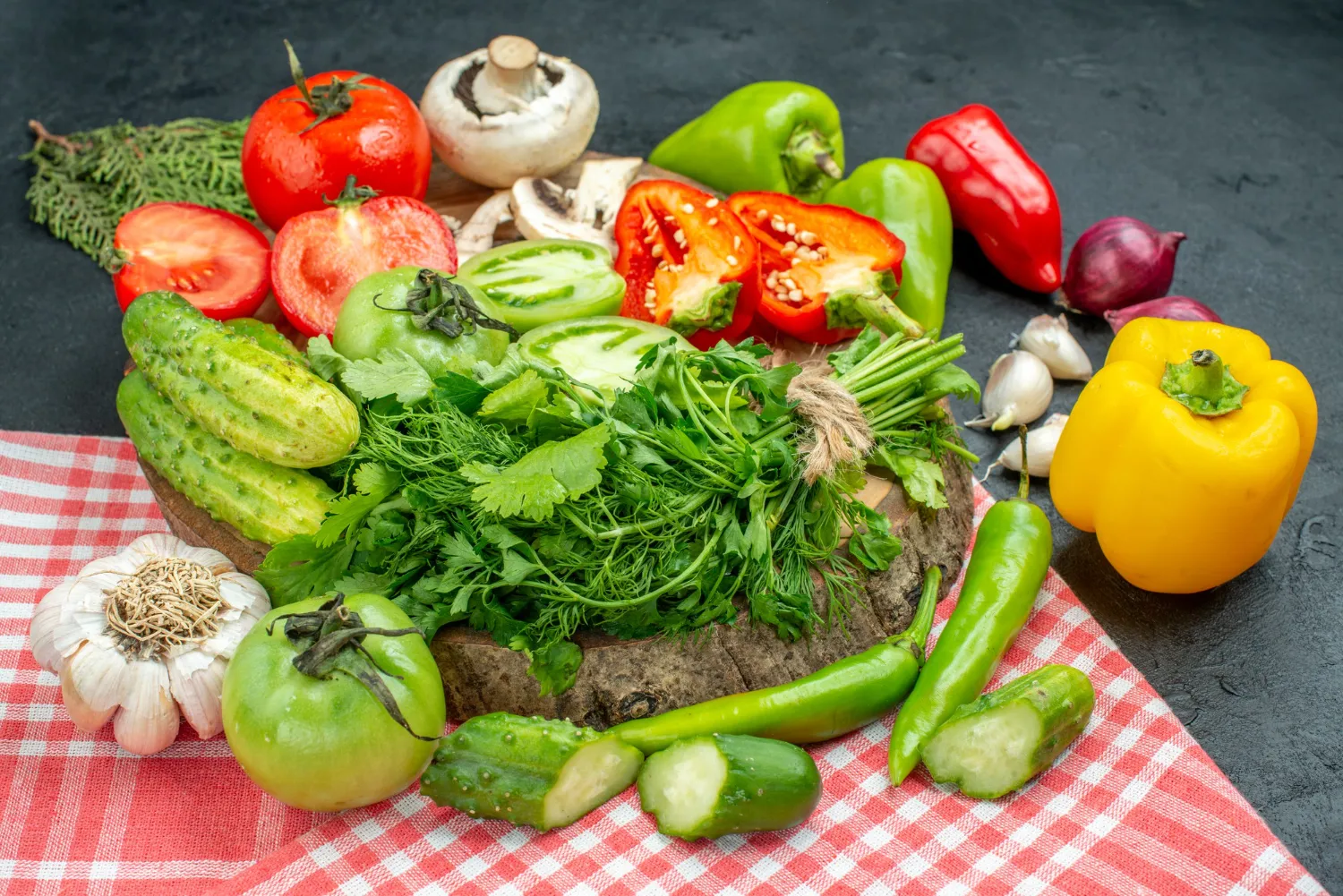
Best Vegetables to Eat in Monsoon Season
Think you should avoid all veggies in monsoon? Think again. Here are the safest, healthiest vegetables to eat during the rainy season in India.
Bhindi Benefits for Diabetes: What You Should Know
Can bhindi really help manage blood sugar? Discover the science-backed benefits of okra for diabetes, how to eat it, and what to watch out for.
High Fiber Vegetables for Weight Loss
Want to lose weight without starving? These high fiber vegetables keep you full, support digestion, and make weight loss more sustainable and satisfying.
Spinach for Iron: How Much Should You Really Eat?
Spinach is famous as an iron superfood — but the reality is more nuanced. Here's how much spinach you actually need, and how to absorb its iron properly.
Is Lauki Good for Weight Loss? The Truth
Lauki is often dismissed as bland diet food. But is it actually good for weight loss? Here's what the nutrition science really says about bottle gourd.
Frequently Asked Questions
⚕️ Medical Disclaimer
This article is for informational and educational purposes only and is not a substitute for professional medical advice, diagnosis, or treatment. Always consult a qualified healthcare provider with any questions about a medical condition. Read full disclaimer.
Editorial note: This article was researched and written with the assistance of AI tools and reviewed by the Nutrikoo editorial team for accuracy and clarity. It is for general information only and is not medical advice. See our editorial policy.
Get healthy tips in your inbox
Join the Nutrikoo newsletter for science-backed nutrition, recipes and wellness — no spam, unsubscribe anytime.