
Is Lauki Good for Weight Loss? The Truth

By Payal, Content Reviewer
7 July 2026 · 7 min read · 30 views
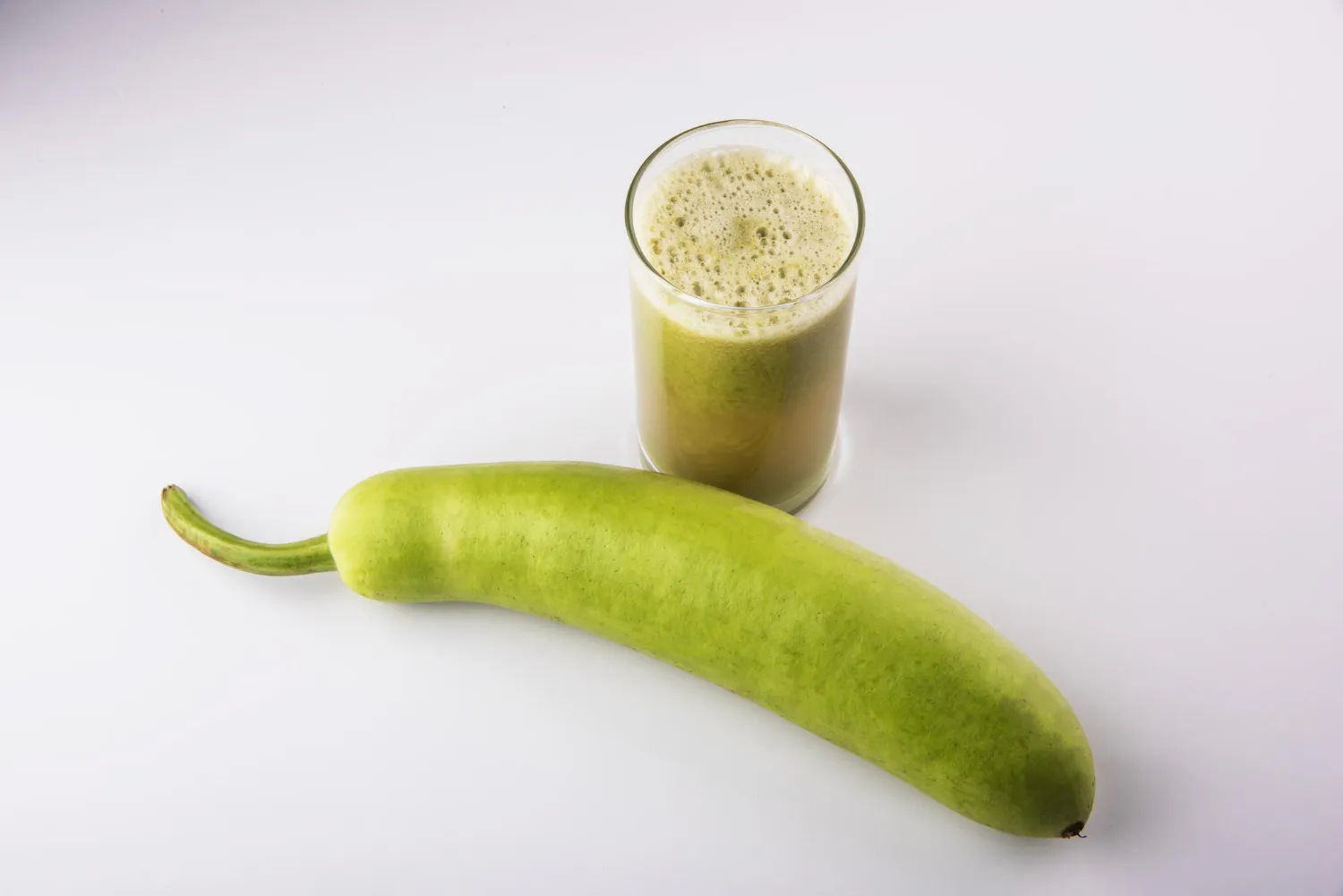
Lauki is often dismissed as bland diet food. But is it actually good for weight loss? Here's what the nutrition science really says about bottle gourd.
Is Lauki Good for Weight Loss? The Truth
Here's something you've probably heard from a well-meaning aunt or a fitness-obsessed colleague: "Just drink lauki juice every morning and the weight will fall off." It sounds almost too simple — and honestly, that's because it is. Lauki (Lagenaria siceraria), also known as bottle gourd, ghia, or dudhi, is not a magic weight-loss drink. But that doesn't mean it isn't genuinely useful for managing your weight. Let's separate the hype from what actually holds up.
The Myth: Lauki Juice Burns Fat
The idea that lauki juice "burns fat" or "detoxes" the body has been circulating in Indian wellness circles for decades. Social media hasn't helped — dramatic before-and-after stories tied to daily lauki juice routines make it seem like this humble vegetable has some special fat-melting property. It doesn't. No single food or juice can target fat stores in your body. Weight loss is fundamentally about what you eat overall, how much you move, how well you sleep, and dozens of other factors.
So no, lauki doesn't burn fat. But here's what it does do — and it's actually quite useful.
What Lauki Is Made Of (And Why That Matters)
Lauki is about 92–95% water. That alone makes it one of the most low-calorie vegetables you'll find in any Indian market. A 100g serving of cooked lauki typically contains:
- Calories: 12–15 kcal
- Carbohydrates: 2–3g
- Protein: 0.5–0.6g
- Fat: Trace amounts
- Dietary fibre: About 0.5g
- Key nutrients: Vitamin C, B vitamins, calcium, potassium, magnesium
This nutritional profile means you can eat a generous portion of lauki sabzi and barely make a dent in your daily calorie budget. That's genuinely helpful when you're trying to eat satisfying meals without overshooting your energy intake.
How Lauki Actually Supports Weight Loss
It Keeps You Full Without Loading Up on Calories
The high water content in lauki adds volume to your meals. Think of it like this: a bowl of lauki curry fills up physical space in your stomach, triggering stretch receptors that signal fullness. You feel satisfied, but you've eaten very little in terms of energy. This is called the "volumetric" effect, and it's a real, evidence-supported concept in dietary science.
Eating vegetables that have a high water-to-calorie ratio — lauki is a prime example — is one of the more practical, sustainable ways to reduce overall calorie intake without constantly feeling hungry or deprived.
It Supports Digestive Health
Lauki has a mild, easy-to-digest quality that makes it a go-to in Indian homes whenever someone has an upset stomach. While its fibre content isn't as high as something like psyllium husk, the soluble fibre it does contain helps maintain bowel regularity. A well-functioning gut supports better nutrient absorption and may indirectly help with weight management. If you're interested in how fibre specifically affects weight, it's worth reading about whether fibre actually helps with weight loss — the relationship is more nuanced than most people think.
It Helps You Stay Hydrated
Many Indians are mildly dehydrated through the day without realising it — and thirst is often misread as hunger. Eating water-rich foods like lauki contributes to your total fluid intake. Staying well-hydrated supports your metabolism, reduces false hunger cues, and helps your body function optimally.
Low Glycaemic Load
Lauki has a very low glycaemic load, which means eating it doesn't cause sharp spikes in blood sugar. This is particularly useful for people with insulin resistance or type 2 diabetes, where blood sugar management is closely tied to weight. Interestingly, karela has been studied quite a bit for blood sugar benefits — and lauki, while less researched in this area, shares some of that low-glycaemic advantage.
How to Eat Lauki for Weight Loss
Lauki is versatile enough to use in several ways, and how you prepare it matters quite a bit.
Preparation methods that work well:
- Lauki sabzi cooked with minimal oil and spices — keeps it low-calorie and satisfying
- Lauki dal — pairs the vegetable with protein from lentils, making for a more balanced, filling meal
- Lauki soup — a simple, warming option that's filling and easy to make
- Lauki raita — grated lauki mixed into curd with cumin and coriander; cooling and light
What to avoid:
- Deep-fried lauki preparations or those cooked in excessive oil — you'd be adding far more calories than the vegetable itself contains
- Heavily sweetened lauki-based desserts (yes, halwa counts)
- Pairing with calorie-dense gravies just because the vegetable itself is low-calorie
If you're eating a weight-loss-focused diet built around high-fibre Indian foods, lauki fits in naturally. It pairs well with other vegetables, legumes, and whole grains.
Is Lauki Juice Worth Drinking?
This deserves its own section because the juice trend is so widespread. Freshly made lauki juice, consumed in moderation, is safe for most people and does provide hydration and a small amount of nutrients. However, there are a few things to know:
-
Don't drink bitter lauki juice. This is not a minor caution — bitter bottle gourd contains toxic compounds called cucurbitacins, which can cause serious gastrointestinal distress and in rare cases, more severe reactions. Always taste a small piece of lauki before juicing. If it's bitter, discard it entirely.
-
Juice removes most of the fibre. Eating whole lauki is more filling and nutritionally complete than drinking the juice.
-
It won't accelerate fat loss. As covered earlier — no juice does that.
If you enjoy lauki juice as part of your morning routine and it helps you eat lighter through the day, that's a perfectly reasonable habit. Just don't expect miracles from it.
A Realistic Place for Lauki in Your Diet
Lauki is an honest, underrated vegetable. It's cheap, widely available year-round across India, quick to cook, and genuinely useful if your goal is eating more food for fewer calories. Including it a few times a week as part of a varied diet — alongside other vegetables, quality protein, and whole grains — can absolutely support your weight management efforts.
It won't replace exercise, sleep, or consistent eating habits. But it's a reliable, fuss-free vegetable that earns its place on the plate. Sometimes the most useful things are also the least dramatic.
Latest Articles
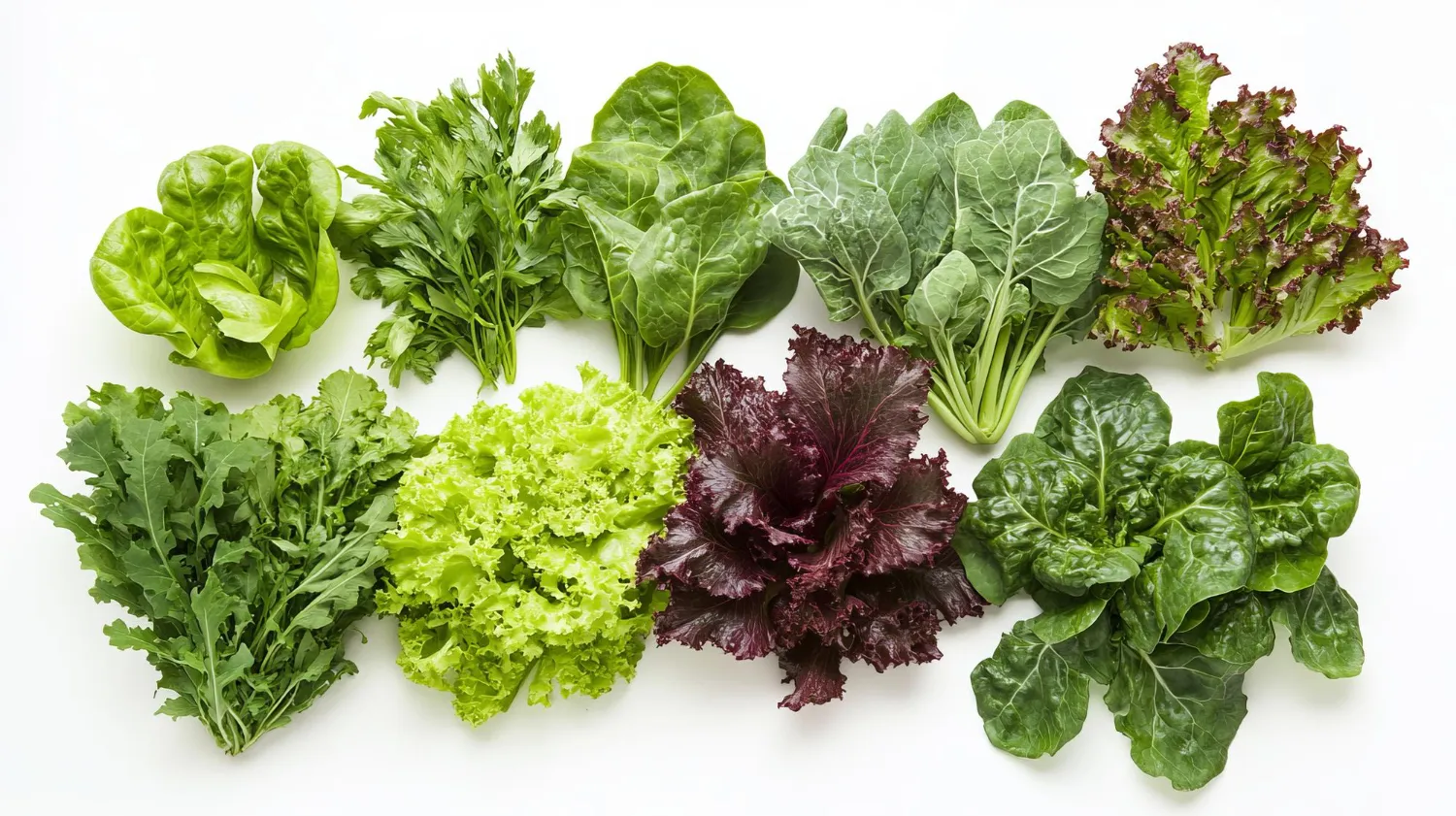
Leafy Greens in Monsoon: Safe to Eat or Not?
Should you avoid leafy greens in monsoon? Here's what's actually risky, what's safe, and how to eat them without getting sick this rainy season.
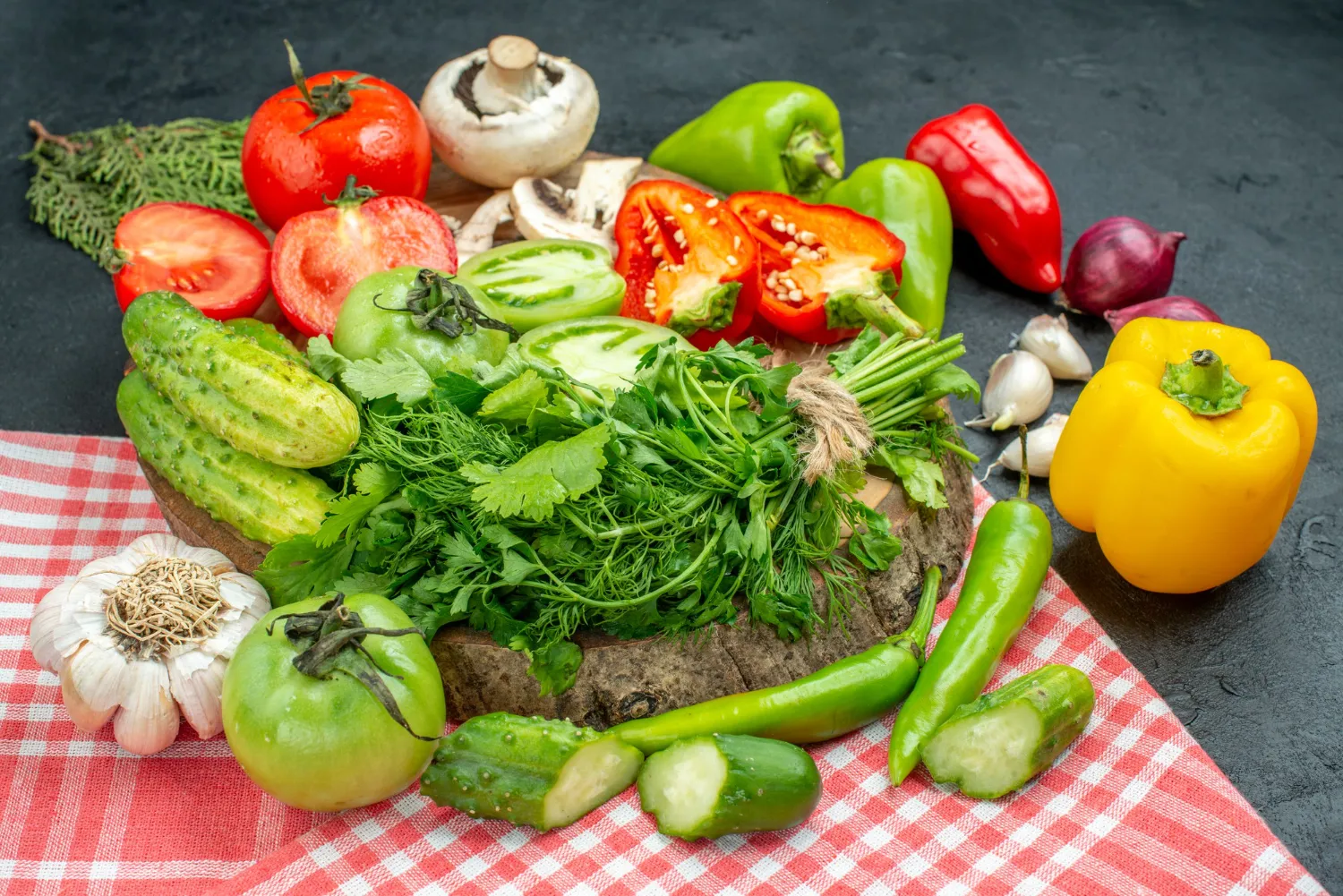
Best Vegetables to Eat in Monsoon Season
Think you should avoid all veggies in monsoon? Think again. Here are the safest, healthiest vegetables to eat during the rainy season in India.
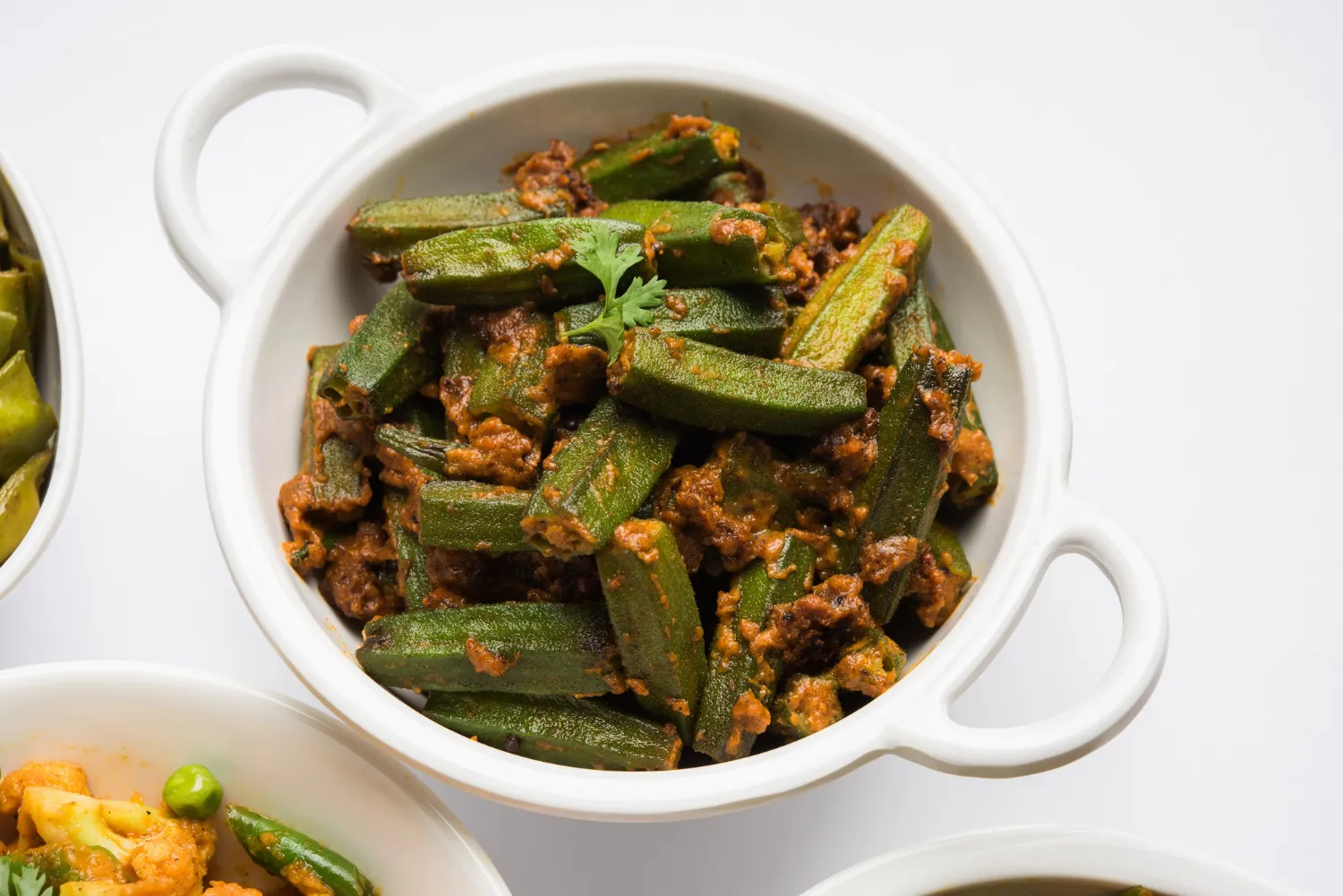
Bhindi Benefits for Diabetes: What You Should Know
Can bhindi really help manage blood sugar? Discover the science-backed benefits of okra for diabetes, how to eat it, and what to watch out for.
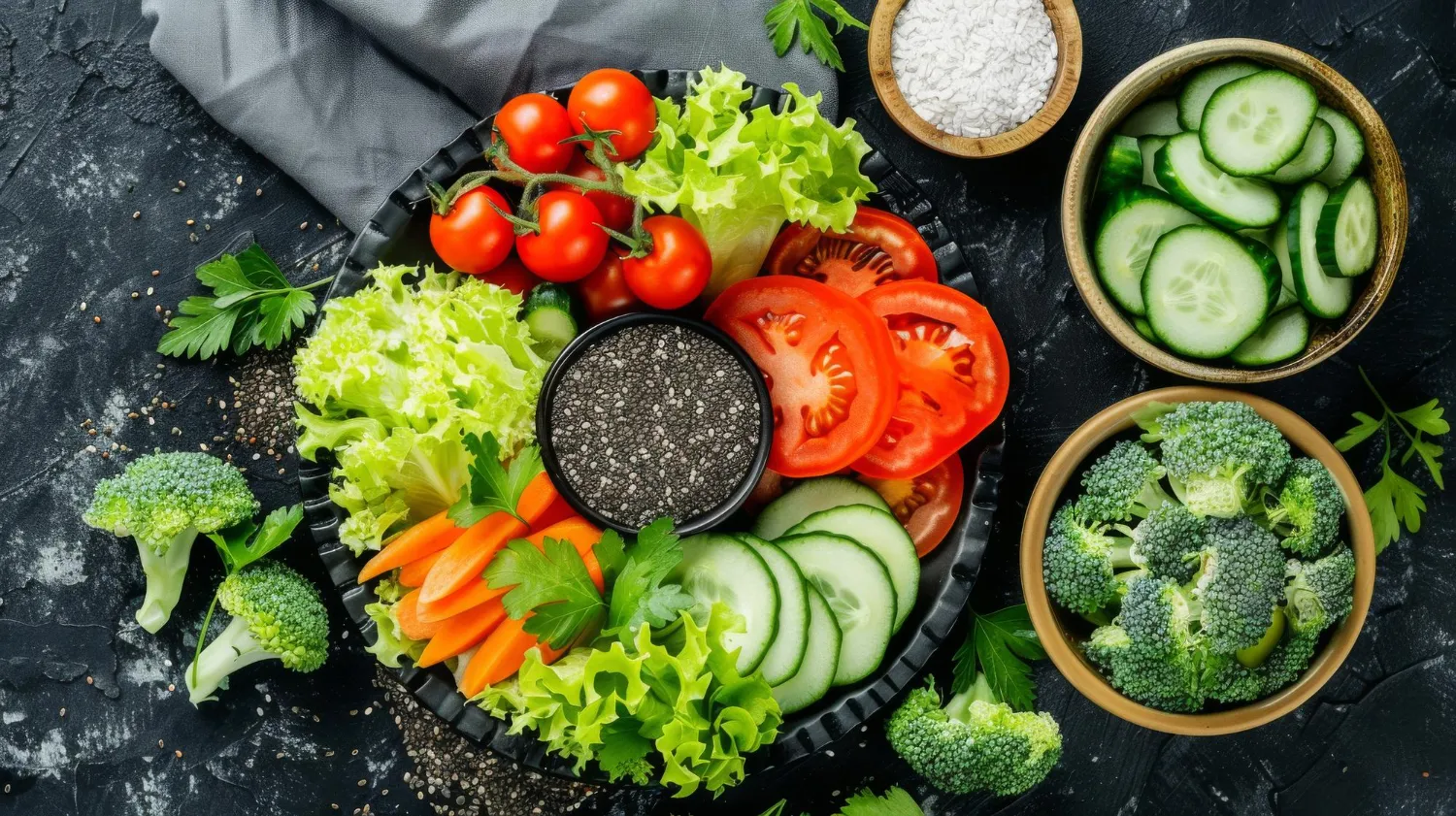
High Fiber Vegetables for Weight Loss
Want to lose weight without starving? These high fiber vegetables keep you full, support digestion, and make weight loss more sustainable and satisfying.
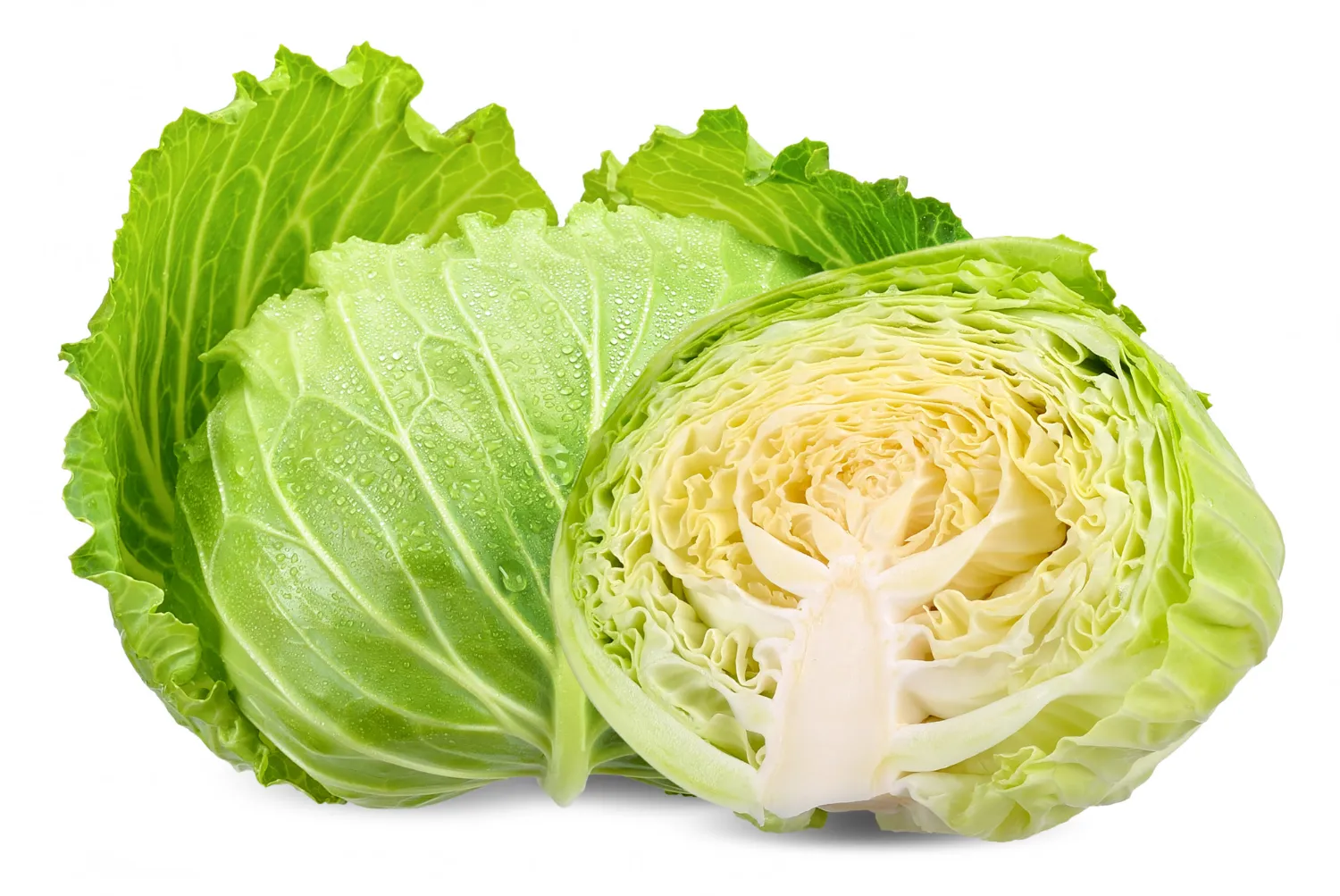
Cabbage for Gut Health: Benefits You Should Know
Cabbage is more than a budget veggie. Discover how it feeds good gut bacteria, eases digestion, and supports a healthier stomach naturally.
Spinach for Iron: How Much Should You Really Eat?
Spinach is famous as an iron superfood — but the reality is more nuanced. Here's how much spinach you actually need, and how to absorb its iron properly.
Frequently Asked Questions
⚕️ Medical Disclaimer
This article is for informational and educational purposes only and is not a substitute for professional medical advice, diagnosis, or treatment. Always consult a qualified healthcare provider with any questions about a medical condition. Read full disclaimer.
Editorial note: This article was researched and written with the assistance of AI tools and reviewed by the Nutrikoo editorial team for accuracy and clarity. It is for general information only and is not medical advice. See our editorial policy.
Get healthy tips in your inbox
Join the Nutrikoo newsletter for science-backed nutrition, recipes and wellness — no spam, unsubscribe anytime.