

High Fiber Vegetables for Weight Loss

By Payal, Content Reviewer
7 July 2026 · 7 min read · 30 views
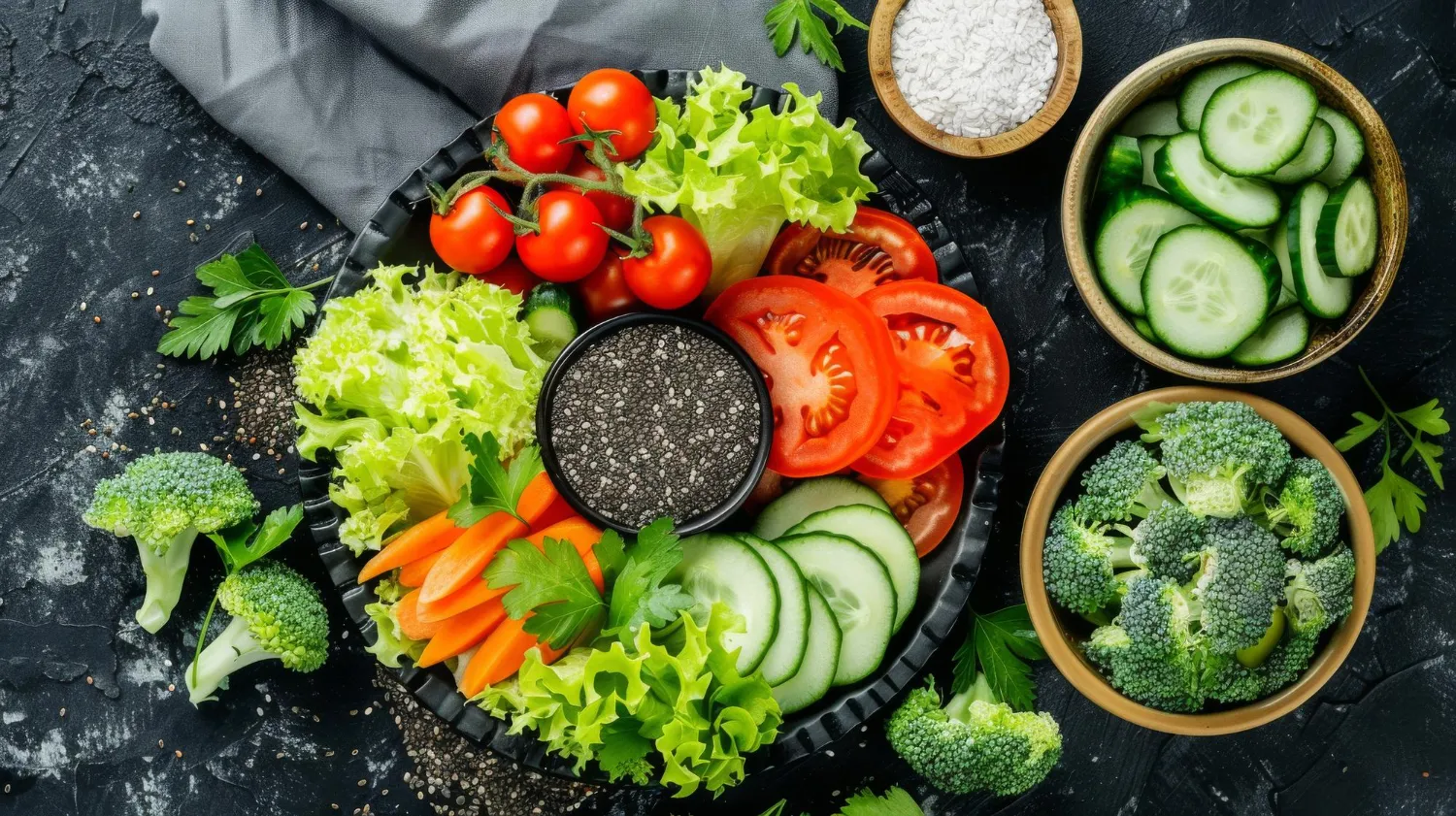
Want to lose weight without starving? These high fiber vegetables keep you full, support digestion, and make weight loss more sustainable and satisfying.
High Fiber Vegetables for Weight Loss
Hunger is the reason most diets fail. Not lack of willpower — just plain, persistent hunger. That's exactly where fiber-rich vegetables earn their place. They take up space in your stomach, slow digestion, and keep you feeling satisfied for longer, all without piling on the calories.
If you've been wondering which vegetables actually pull their weight (pun intended) in a weight loss plan, this guide breaks it down question by question.
What Makes a Vegetable Good for Weight Loss?
Not all vegetables are created equal when it comes to shedding kilos. The ones that genuinely help tend to share a few traits:
- High fiber content — both soluble and insoluble
- Low calorie density — you get volume without the calories
- High water content — adds bulk, aids digestion
- Slow digestion — blunts blood sugar spikes and prolongs fullness
Fiber is the real hero here. Soluble fiber (found in things like carrots and beans) forms a gel in your gut that slows digestion and reduces appetite. Insoluble fiber (think leafy greens and cabbage) adds bulk and keeps things moving. For a deeper look at how this works, Does Fiber Help with Weight Loss? Here's the Truth covers the science clearly.
Which High Fiber Vegetables Should You Actually Eat?
Here are some of the best options — many of which are easy to find in Indian markets and kitchens.
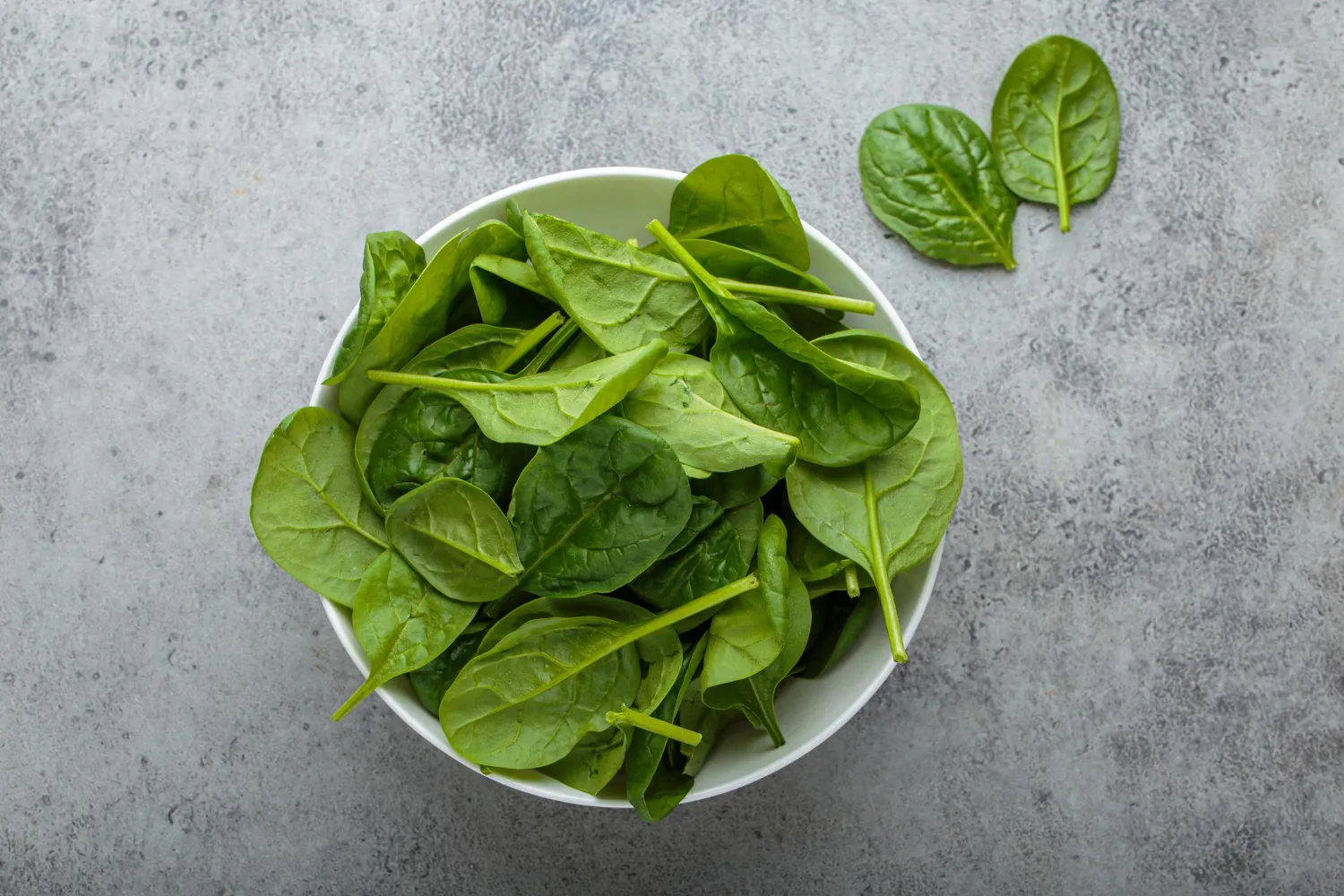
Spinach (Spinacia oleracea)
Spinach is practically weightless in calories — about 23 kcal per 100g — but it's loaded with fiber, magnesium, and iron. A big bowl of palak doesn't set you back much calorically, but it does keep you full. It's also versatile: dal palak, smoothies, salads, sautéed with garlic. The options are endless.
If you eat a lot of spinach or rely on it as a daily staple, it's worth reading Spinach for Iron: How Much Should You Really Eat? — there's a bit more nuance to how much is optimal.
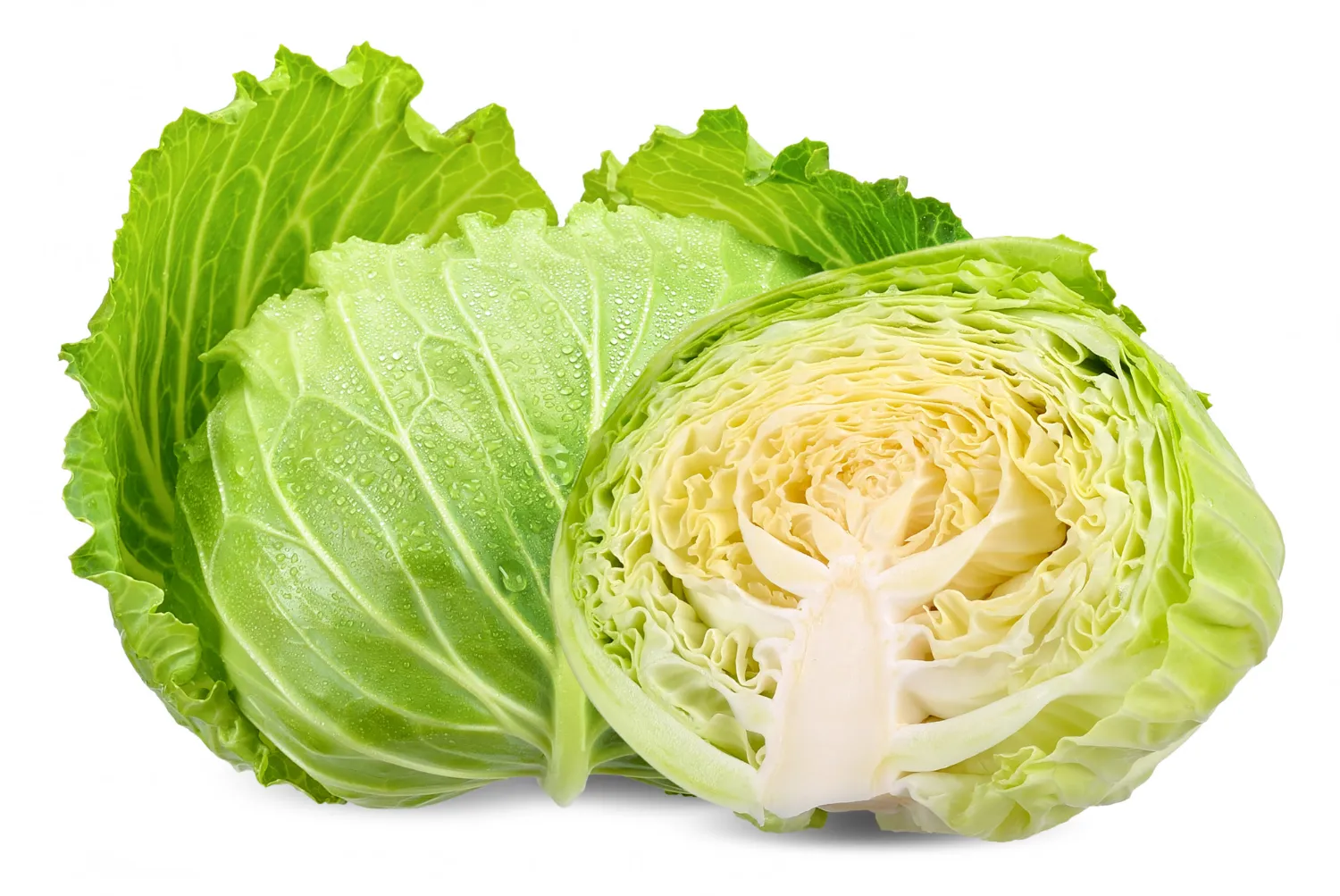
Cabbage (Brassica oleracea var. capitata)
Cabbage is one of the most underrated weight loss vegetables in Indian cooking. It's extremely low in calories, high in water, and provides a good mix of fiber. Raw in a salad, stir-fried lightly, or added to soups — it keeps your stomach occupied without doing much damage to your calorie budget.
There's also a bonus: cabbage is genuinely good for your gut. Cabbage for Gut Health: Benefits You Should Know explains this in detail. A healthy gut and a healthy weight are more connected than most people realise.
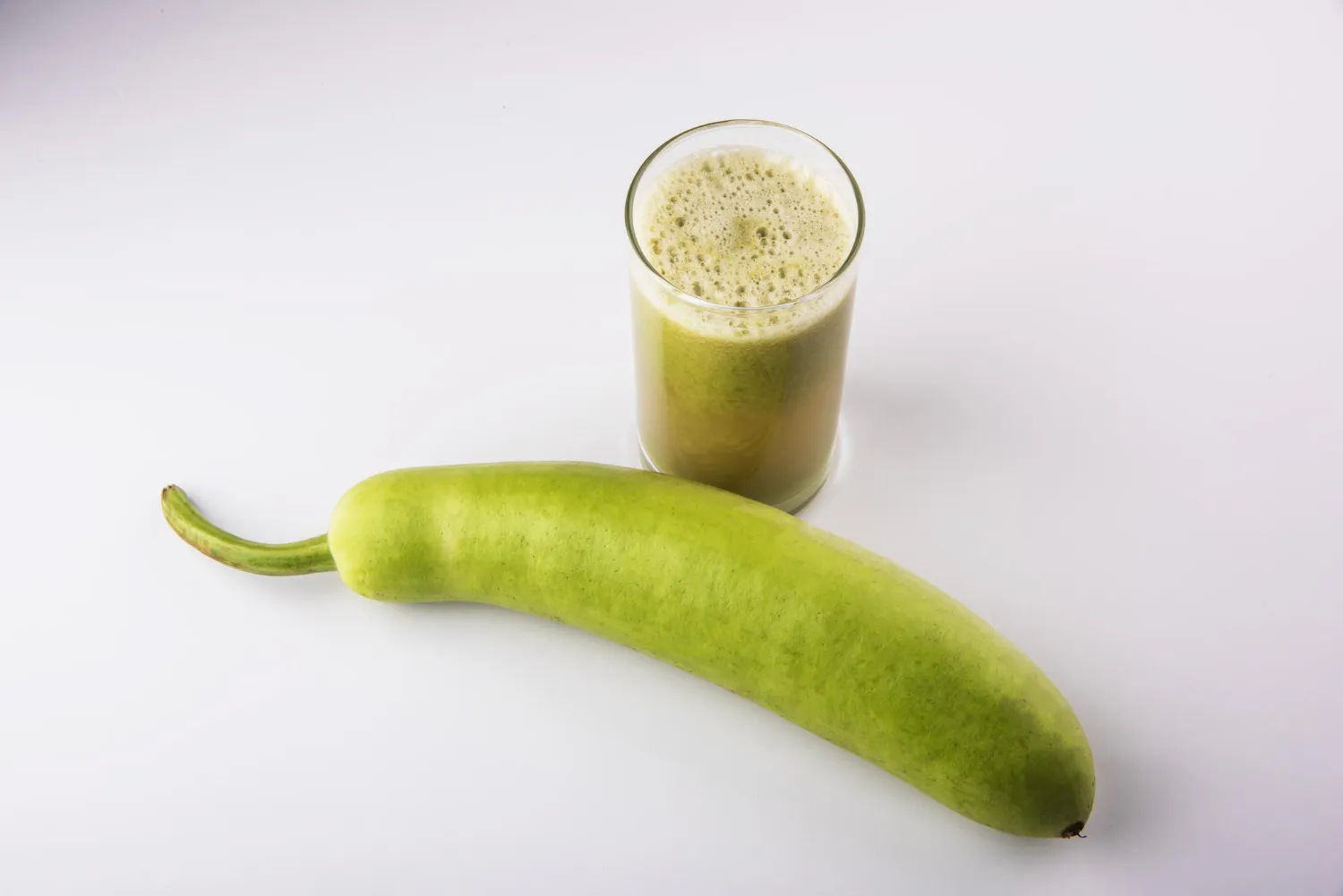
Lauki / Bottle Gourd (Lagenaria siceraria)
Lauki is about 96% water. It's one of those vegetables that feels almost too light to be doing anything — but it genuinely fills you up. Low in calories, mild in taste, and easy on the digestive system, it's a staple in many traditional Indian weight management diets for good reason.
It pairs well with dal, can be turned into a light sabzi, or even blended into a soup. Curious whether it actually works? Is Lauki Good for Weight Loss? The Truth answers that question directly.

Broccoli (Brassica oleracea var. italica)
Broccoli gives you about 2.6g of fiber per 100g, along with decent amounts of protein for a vegetable, and a solid range of vitamins. It's filling, it's nutritious, and it's become reasonably accessible in Indian cities. Roasted with a little olive oil and chilli flakes, it's actually delicious — nothing like the soggy broccoli of canteen memories.
Carrots (Daucus carota)
Raw carrots are a great snacking vegetable precisely because they take time to chew. That chewing process itself sends fullness signals to your brain before you've even eaten much. They're also rich in soluble fiber and have a naturally sweet taste that can curb a craving for something sugary.
Beans and Legumes
Okay, technically some of these are legumes rather than vegetables in the strict botanical sense — but in the context of Indian cooking, they belong in this conversation. Rajma, chana, moong, and lobiya are high in both fiber and protein, which is a particularly powerful combination for weight loss. Protein and fiber together are about as filling as it gets.
How Much Fiber Do You Actually Need Per Day?
Most adults need roughly 25–30g of fiber daily. Most people get significantly less than that. The good news is that if your meals are built around vegetables, legumes, and whole grains, hitting that target becomes more a matter of habit than counting grams.
A practical approach: fill half your plate with vegetables at every meal. It sounds simple because it is. A katori of sabzi, a side salad, some raw carrot with your dal — it adds up faster than you'd think. For a broader list of fiber-rich foods beyond just vegetables, High Fiber Foods for Better Digestion in India is a useful reference.
Can Eating More Vegetables Actually Replace Snacking?
Yes — this is one of the most practical swaps you can make. Replacing a packet of biscuits with raw cucumber, carrot sticks, or a small bowl of sprouts doesn't feel as satisfying in the first week. But your appetite does adjust. After a few weeks, your body stops expecting the sugar hit and starts responding to volume instead.
The key is to make the vegetable snack convenient. Pre-cut carrots in the fridge, a bowl of sliced cucumber on the counter, a small bag of steamed edamame if you like something warm — remove the friction and you'll actually eat them.
Are There Any Vegetables That Are Surprisingly High in Fiber?
A few that often surprise people:
- Peas — about 5g of fiber per 100g, much higher than most vegetables
- Karela / Bitter Gourd (Momordica charantia) — fibrous, low calorie, and also studied for its effect on blood sugar (see Karela for Blood Sugar: Benefits That Actually Work)
- Sweet potato — technically a root vegetable, but fiber content is respectable and the satisfaction factor is high
- Drumstick / Moringa (Moringa oleifera) — popular in South Indian cooking, decent fiber, and nutritionally dense
Latest Articles
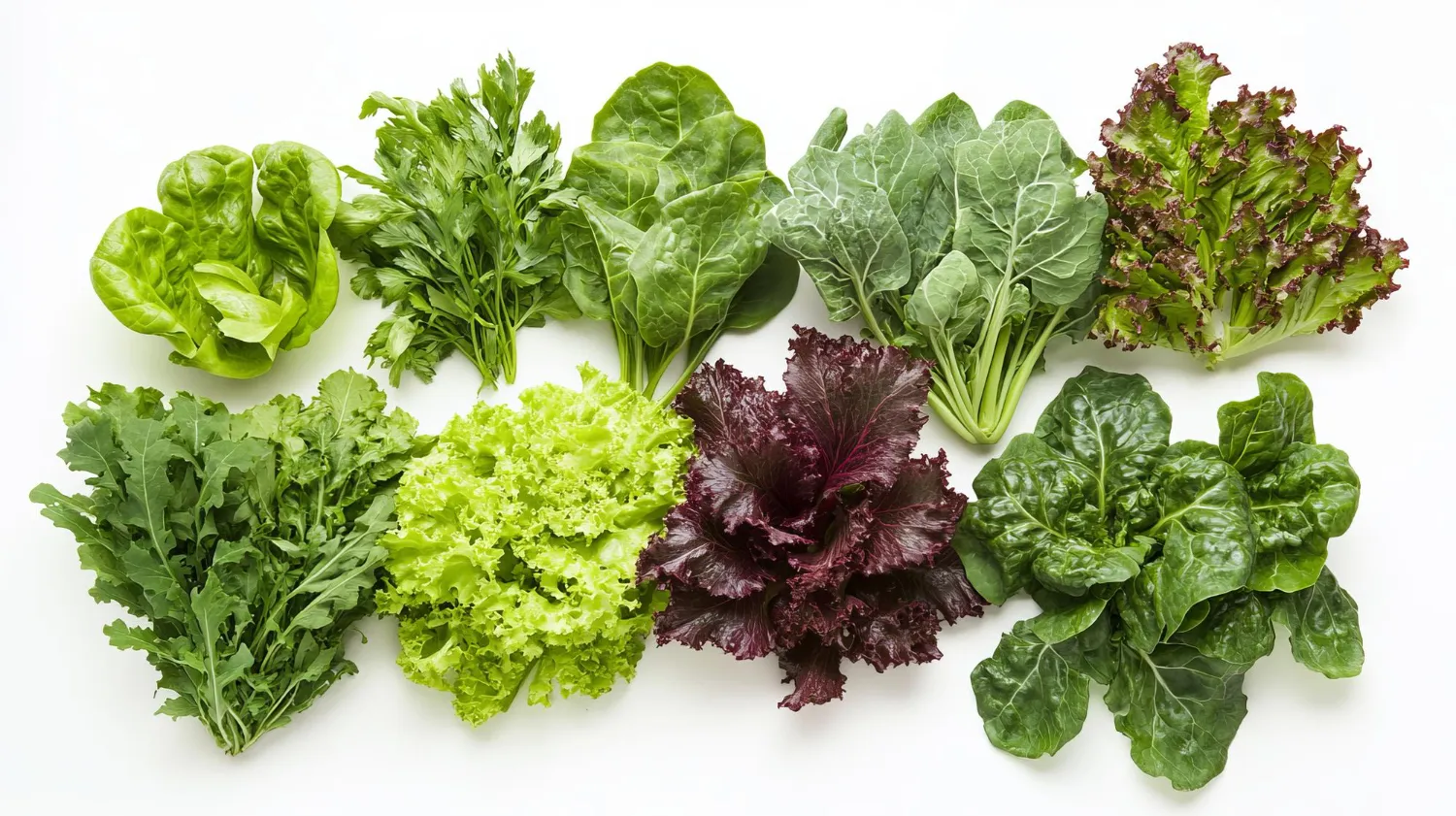
Leafy Greens in Monsoon: Safe to Eat or Not?
Should you avoid leafy greens in monsoon? Here's what's actually risky, what's safe, and how to eat them without getting sick this rainy season.
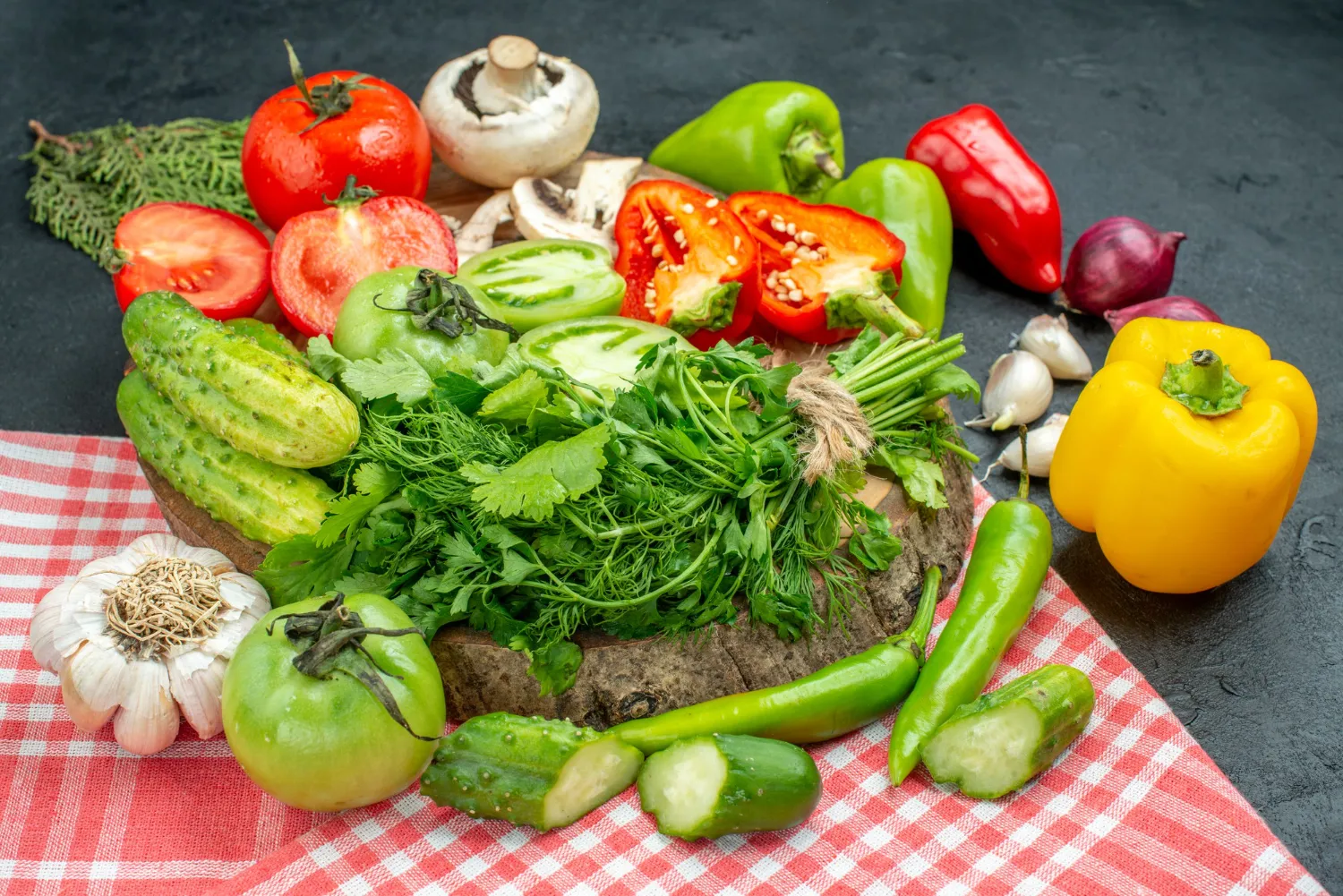
Best Vegetables to Eat in Monsoon Season
Think you should avoid all veggies in monsoon? Think again. Here are the safest, healthiest vegetables to eat during the rainy season in India.
Bhindi Benefits for Diabetes: What You Should Know
Can bhindi really help manage blood sugar? Discover the science-backed benefits of okra for diabetes, how to eat it, and what to watch out for.
Cabbage for Gut Health: Benefits You Should Know
Cabbage is more than a budget veggie. Discover how it feeds good gut bacteria, eases digestion, and supports a healthier stomach naturally.
Spinach for Iron: How Much Should You Really Eat?
Spinach is famous as an iron superfood — but the reality is more nuanced. Here's how much spinach you actually need, and how to absorb its iron properly.
Is Lauki Good for Weight Loss? The Truth
Lauki is often dismissed as bland diet food. But is it actually good for weight loss? Here's what the nutrition science really says about bottle gourd.
Frequently Asked Questions
⚕️ Medical Disclaimer
This article is for informational and educational purposes only and is not a substitute for professional medical advice, diagnosis, or treatment. Always consult a qualified healthcare provider with any questions about a medical condition. Read full disclaimer.
Editorial note: This article was researched and written with the assistance of AI tools and reviewed by the Nutrikoo editorial team for accuracy and clarity. It is for general information only and is not medical advice. See our editorial policy.
Get healthy tips in your inbox
Join the Nutrikoo newsletter for science-backed nutrition, recipes and wellness — no spam, unsubscribe anytime.