
Dark Cocoa and Heart Health: What It Really Does

By A Reza, Health & Nutrition Writer
11 June 2026 · 7 min read · 1 views
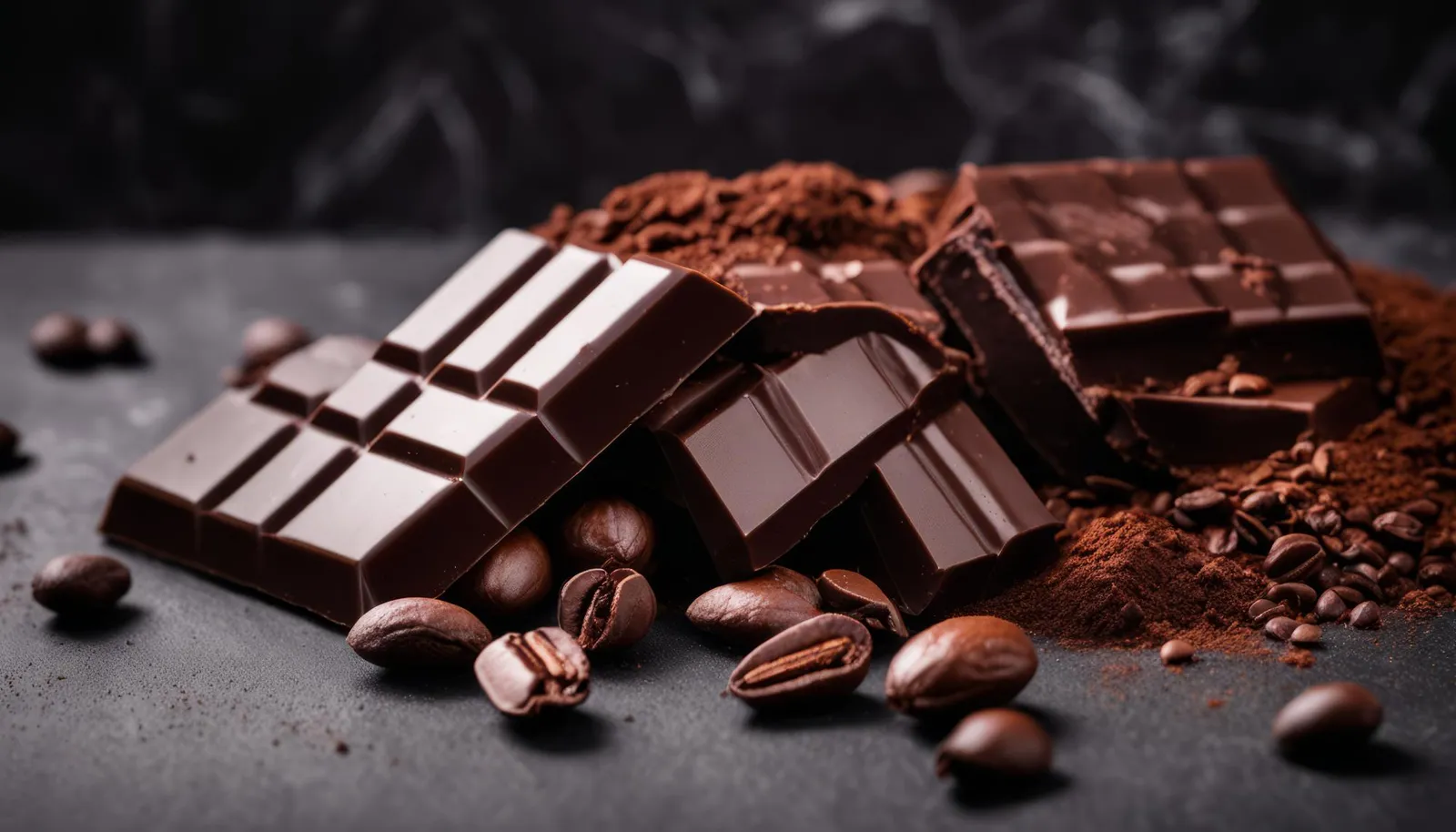
Dark cocoa is packed with flavanols that may genuinely support heart health. Here's what the science says and how to get the benefits without the sugar.
Dark Cocoa and Heart Health: What It Really Does
Most of us have heard that dark chocolate is "good for the heart." But that claim has been stretched so far by marketing that it's hard to know what's actually true. Is it the chocolate itself? The cocoa in it? Or just wishful thinking by people who love dessert?
The short answer: it's the cocoa — specifically its concentration of plant compounds called flavanols — and the evidence is more solid than you might expect. But context matters a lot here, and there's a meaningful difference between eating a sugar-loaded chocolate bar and genuinely benefiting from dark cocoa.
What Makes Dark Cocoa Different From Regular Chocolate
Think of cocoa as the raw ingredient and chocolate as what happens after you add sugar, dairy, and processing to it. The bean from Theobroma cacao (literally "food of the gods" — the Mayans were onto something) is where all the beneficial compounds live.
Dark cocoa powder and minimally processed dark chocolate retain the highest levels of flavanols. Milk chocolate, by contrast, is diluted with milk solids and sugar, and the added dairy may actually interfere with how your body absorbs the antioxidants. White chocolate contains no cocoa solids at all — so from a cardiovascular standpoint, it's just fat and sugar.
The key compound to know is epicatechin, a flavanol that has been studied specifically for its effects on blood vessels. It's also found in green tea and red wine, but cocoa is one of the richest sources, especially when it hasn't been heavily processed.
How Cocoa Flavanols Actually Affect the Heart
Here's where it gets interesting. The benefits of dark cocoa for heart health aren't vague or theoretical — there are several specific mechanisms that researchers have identified.
It Helps Relax and Widen Blood Vessels
Cocoa flavanols stimulate the production of nitric oxide in the lining of your blood vessels (the endothelium). Nitric oxide acts like a natural signal telling your arteries to relax and dilate. Better dilation means blood flows more easily, which can reduce blood pressure and lower the workload on your heart.
Think of it like a garden hose: if the hose is stiff and narrow, you need more pressure to push water through. Relax the hose, and the same amount of water flows through with less force.
It May Modestly Lower Blood Pressure
Several well-designed trials have shown that regular consumption of cocoa flavanols can lead to small but meaningful reductions in blood pressure — particularly in people who already have elevated readings. The effect isn't dramatic (we're not talking about replacing medication), but for blood pressure, even a modest reduction sustained over time matters for long-term risk.
It Supports Healthier Cholesterol Levels
Dark cocoa appears to have a favorable effect on LDL ("bad") cholesterol — specifically by reducing its oxidation. Oxidized LDL is more likely to contribute to plaque buildup in arteries. Cocoa also contains stearic acid, a saturated fat that behaves unusually: unlike other saturated fats, it doesn't raise LDL levels.
HDL ("good") cholesterol levels may also get a small boost, though this effect is more variable across studies.
It Reduces Inflammation Markers

Chronic low-grade inflammation is now understood to be a major driver of heart disease. Cocoa's polyphenols have shown anti-inflammatory activity in research, with some studies noting reductions in markers like C-reactive protein (CRP) with regular cocoa intake.
Dark Cocoa vs. Other Heart-Healthy Foods: A Realistic Comparison
It helps to put dark cocoa in context alongside other foods known to support cardiovascular health.
Compared to the best nuts for heart health like walnuts and almonds, dark cocoa has a narrower benefit profile — it's particularly strong on vascular function and antioxidant activity, but nuts offer broader benefits including healthy fats, fiber, and plant sterols. If you had to choose one, nuts probably win for overall cardiovascular nutrition. But dark cocoa is an excellent addition alongside them.
Compared to green tea and black tea (which also contain flavanols and catechins), dark cocoa is more calorie-dense but more concentrated in epicatechin specifically. The two work through overlapping pathways — so if you already drink green tea daily, dark cocoa is a complementary choice rather than a replacement.
And while dark chocolate has also been studied for its effects on stress hormones and cortisol, the heart benefits come specifically from the cocoa content — which is why cocoa powder is arguably a smarter route than a chocolate bar.
Cocoa Powder vs. Dark Chocolate Bar: Which Is Better?
This is the comparison most people should actually be making. Here's the honest breakdown:
Unsweetened dark cocoa powder:
- Higher flavanol concentration per calorie
- No added sugar
- Versatile — you can add it to smoothies, warm milk, oats, or Indian-style drinks
- Cheaper and easier to control dosage
Dark chocolate bar (70% cocoa or above):
- More enjoyable to eat as a snack
- Contains some sugar and fat
- Easier to overeat
- Flavanol content varies widely depending on processing
If heart health is your primary goal, a tablespoon or two of good-quality unsweetened cocoa powder in warm milk or a smoothie is more reliable than a chocolate bar. If you're going the chocolate route, look for 70% or higher cocoa content, and keep portions small — one to two squares a day is a reasonable amount.
One thing to watch: many commercial cocoa powders are "Dutch-processed" (alkalized), which improves flavor and color but significantly reduces flavanol content. For maximum benefit, look for natural (non-alkalized) cocoa powder or raw cacao powder.
Practical Ways to Add Dark Cocoa to Your Diet
You don't need to overhaul your eating habits to get the benefits. A few simple additions work well:
- Cocoa in warm milk: A traditional approach — just swap sugary drinking chocolate for unsweetened cocoa powder with minimal sweetener
- Smoothies: Blend with banana, almond milk, and a handful of oats for a filling breakfast
- Cocoa oats: Stir a teaspoon into your morning porridge
- Cocoa with nuts: A small square of dark chocolate alongside walnuts or almonds is a legitimately heart-supportive snack
- Mole-style cooking: Dark cocoa is used in some savoury Indian and Mexican recipes — it adds depth without sweetness
The key is keeping added sugar low. Many of the studies that showed cardiovascular benefits used cocoa products with minimal sugar. If you're adding three spoons of sugar to your cocoa drink, you're partially cancelling out the benefits.
This also ties into a broader point about diet quality — understanding hidden sugars in everyday products makes it easier to see where cocoa fits (or doesn't) in what you're already eating.
Latest Articles
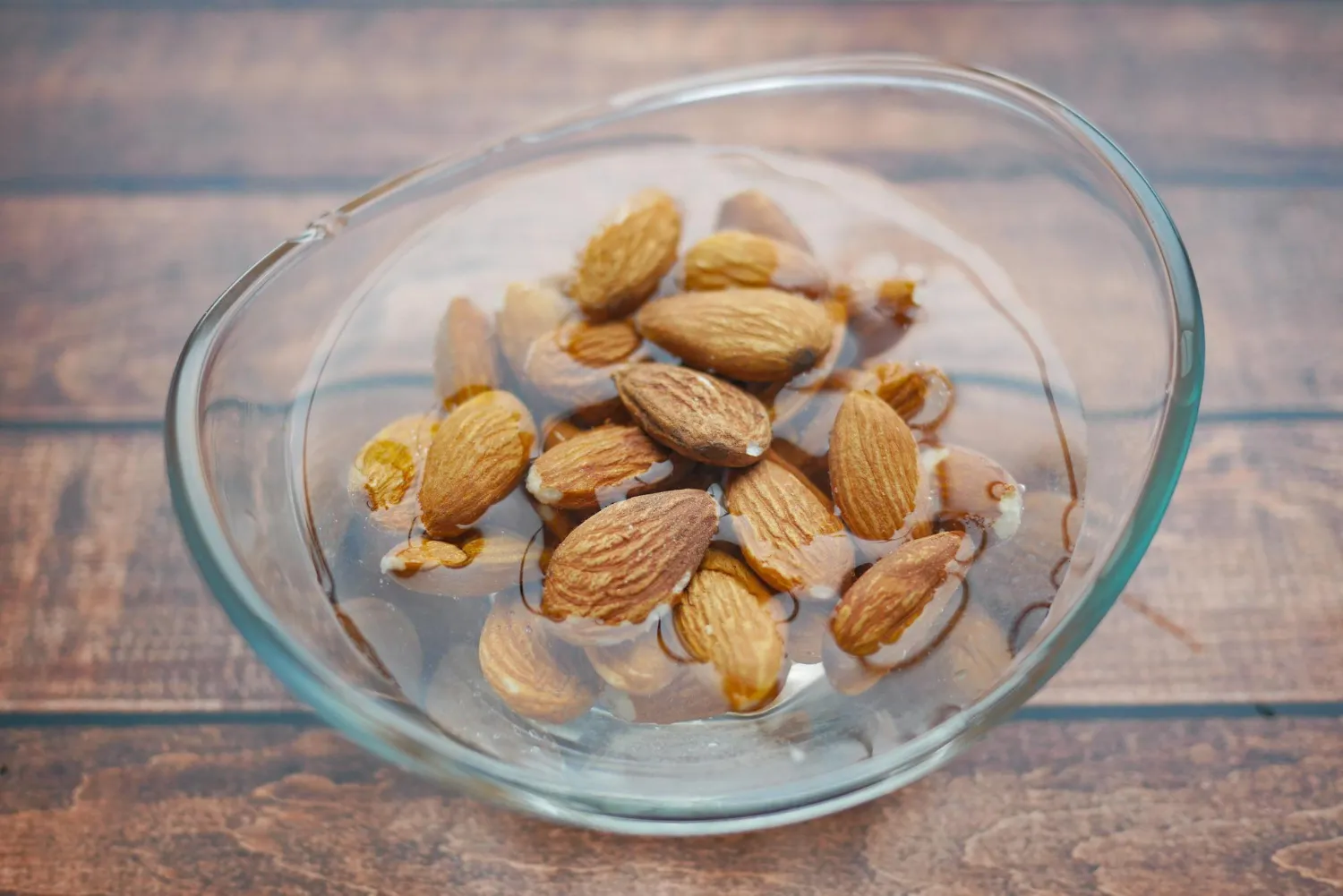
How to Eat Soaked Almonds Daily for Best Results
Soaked almonds pack more nutrition than raw ones. Here's exactly how to eat them daily — the right time, quantity, and simple habits that actually work.

How to Feed Goats During Monsoon Season
Monsoon changes everything for goat farmers. Learn exactly what to feed your goats during the rainy season to keep them healthy, productive, and disease-free.

Best Feed for Goats in Summer Heat
Struggling to keep your goats healthy in hot weather? Discover the best summer feed for goats to maintain weight, milk, and energy when temperatures soar.

Goat Milk for Lactose Intolerance: Does It Help?
Think goat milk is lactose-free? It's not — but it may still be easier to digest. Here's what the science actually says about goat milk and lactose intolerance.

Is Goat Meat Good for Weight Loss?
Wondering if goat meat fits into a weight loss diet? Here's what its nutrition profile really means for your goals — no fluff, just facts.

Goat Milk vs Cow Milk: Which Is Better for You?
Goat milk vs cow milk — which should you choose? Compare nutrition, digestion, taste, and health benefits to find the best fit for your diet.
Frequently Asked Questions
⚕️ Medical Disclaimer
This article is for informational and educational purposes only and is not a substitute for professional medical advice, diagnosis, or treatment. Always consult a qualified healthcare provider with any questions about a medical condition. Read full disclaimer.
Editorial note: This article was researched and written with the assistance of AI tools and reviewed by the Nutrikoo editorial team for accuracy and clarity. It is for general information only and is not medical advice. See our editorial policy.
Get healthy tips in your inbox
Join the Nutrikoo newsletter for science-backed nutrition, recipes and wellness — no spam, unsubscribe anytime.