
Walnuts vs Almonds: Which Nut Is Healthier?

By A Reza, Health & Nutrition Writer
11 June 2026 · 7 min read · 2 views
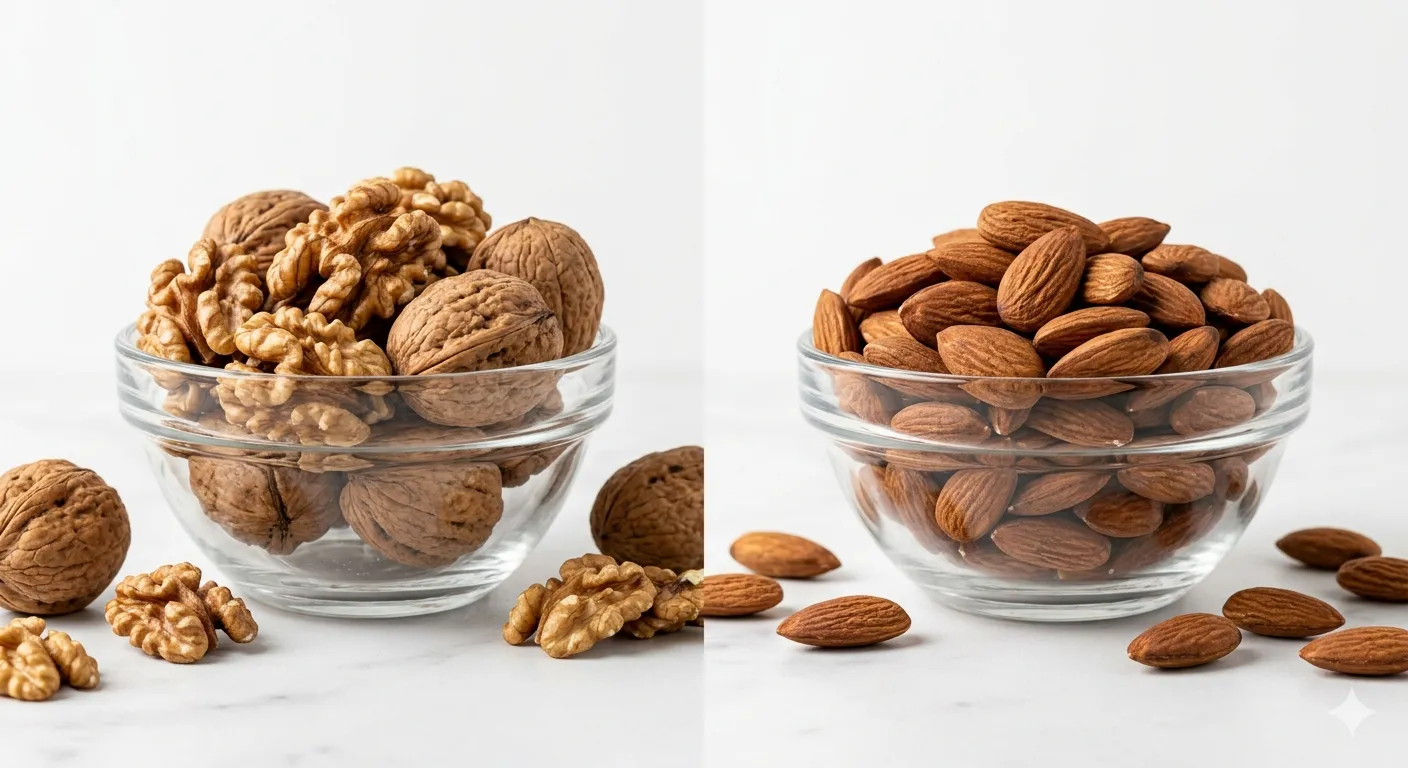
Walnuts or almonds — which nut should you eat daily? We compare nutrition, heart health, brain benefits, and more to help you choose wisely.
The Myth That One Nut Beats All Others
Here's something you've probably heard: "Almonds are the healthiest nut — eat a handful every day." It's repeated so often, in diet charts, by nutritionists on Instagram, by your grandmother, that it feels like settled science. But the truth is a little more interesting than that.
Both walnuts (Juglans regia) and almonds (Prunus dulcis) are nutritional powerhouses — just in different ways. Calling one universally "better" misses the point. The real question is: better for what? Once you understand what each nut actually does in your body, you can make a smarter choice — or honestly, just eat both.
Let's get into it.
Nutrition at a Glance: How They Actually Compare
A standard serving for both nuts is roughly 28 grams (about a small handful — 7 whole walnuts or 23 almonds).
Almonds (28g, raw):
- Calories: ~164
- Protein: ~6g
- Fat: ~14g (mostly monounsaturated)
- Fibre: ~3.5g
- Vitamin E: ~37% of Daily Value
- Magnesium: ~19% of Daily Value
Walnuts (28g, raw):
- Calories: ~185
- Protein: ~4.3g
- Fat: ~18.5g (high in polyunsaturated fat, including omega-3s)
- Fibre: ~1.9g
- ALA (plant omega-3): ~2.5g
- Manganese: ~42% of Daily Value
Almonds win on protein, fibre, and vitamin E. Walnuts win — decisively — on omega-3 fatty acids. Both contain healthy fats, but they're different types.
The Omega-3 Factor: Where Walnuts Pull Ahead
This is the biggest nutritional story with walnuts, and it's worth pausing on.
Walnuts are one of the very few plant foods with a meaningful amount of alpha-linolenic acid (ALA), a type of omega-3 fatty acid. One serving provides about 2.5g of ALA — more than you'd get from most other nuts combined.
Why does that matter? Omega-3s are linked to lower inflammation, better cardiovascular health, and — perhaps most famously — brain function. The brain is about 60% fat, and omega-3s are key building blocks for neural tissue. There's a reason walnuts have been studied specifically for cognitive health.
If you're not eating fatty fish regularly (and many Indians aren't, especially vegetarians), walnuts are one of the best dietary sources of plant-based omega-3s you can add to your daily routine.
Heart Health: Both Are Good, But Differently
When it comes to protecting your heart, both nuts have strong credentials. Almonds are rich in monounsaturated fats and vitamin E, both of which are associated with lower LDL ("bad") cholesterol and reduced oxidative stress. Regular almond consumption has been linked to improved lipid profiles in multiple studies.
Walnuts, on the other hand, bring that omega-3 advantage into play. ALA helps reduce inflammation and may support healthy blood pressure and arterial function. For a deeper look at how different nuts stack up for cardiovascular health, this guide on best nuts for heart health is worth reading.
Honestly, if heart health is your main concern, you'd be hard-pressed to go wrong with either.
Brain Benefits: Walnuts Take the Lead
If you had to pick one nut for brain health specifically, most nutrition researchers would point to walnuts — and not just because they look like tiny brains (which is either a coincidence or the universe being poetic).
The combination of omega-3 fatty acids, polyphenols, and vitamin E in walnuts appears to support memory, reduce oxidative stress in brain tissue, and may slow cognitive decline with age. Some research suggests that regular walnut consumption is associated with better cognitive performance in older adults, though this is an active area of study.

Almonds aren't bad for the brain either — vitamin E is genuinely neuroprotective — but the omega-3 profile of walnuts gives them a clearer edge here.
Weight Management: A Nuanced Picture
Both nuts are calorie-dense, which makes some people nervous about eating them while trying to manage weight. That concern is understandable, but largely misplaced.
The fat, fibre, and protein in nuts promote satiety — you feel fuller for longer, which means you're less likely to reach for a biscuit an hour later. Almonds have a slight edge here because of their higher fibre and protein content, both of which slow digestion and blunt hunger signals.
That said, walnuts aren't far behind, and the quality of their fats makes them highly satisfying. The key with either nut is portion size. A small handful is genuinely enough — you don't need to eat them by the cupful.
If you're curious how other filling, low-calorie snacks compare, the article on makhana benefits for weight loss covers a popular Indian alternative.
Skin, Bones, and Blood Sugar
For skin: Almonds are the clear winner. Their exceptionally high vitamin E content helps protect skin cells from oxidative damage and supports skin elasticity. If glowing skin is a priority, almonds deserve a daily spot in your diet.
For bones: Almonds again — they're higher in calcium and phosphorus, both of which support bone density. This is particularly relevant for women, older adults, and anyone who doesn't consume much dairy.
For blood sugar: Both nuts have a low glycemic index and can help moderate blood sugar spikes when eaten alongside a meal. Some studies suggest almonds may be slightly more effective at blunting post-meal glucose rises, possibly due to their fibre content.
If you're interested in how other foods affect blood sugar, this piece on why jamun beats most berries for blood sugar control has some surprising findings.
Soaked vs Raw: Does It Change Anything?
You've almost certainly come across the advice to soak almonds overnight before eating them. There's a real reason behind it — soaking removes some of the tannins in the skin and may improve digestibility and nutrient absorption. It also makes them easier to chew, which matters more than it sounds.
For more on this, soaked almonds in the morning: are they worth it? breaks down the evidence properly.
Walnuts can also be soaked (4-6 hours) to reduce tannins and slightly mellow their bitterness. It's not essential, but some people find soaked walnuts easier on the stomach.
So Which Should You Actually Eat?
Here's the honest answer: you don't have to choose.
- Eat walnuts if you want omega-3 support, brain health benefits, or anti-inflammatory effects — especially if you eat little to no fish.
- Eat almonds if you want more protein, fibre, skin benefits, bone support, or a lighter calorie load per serving.
- Eat both — 4-5 almonds and 2-3 walnuts daily is a practical, nutritionally balanced combination that most people can fit into their diet without overthinking it.
Neither nut is a cure-all. But as whole foods go, both are genuinely worth eating regularly.
Latest Articles
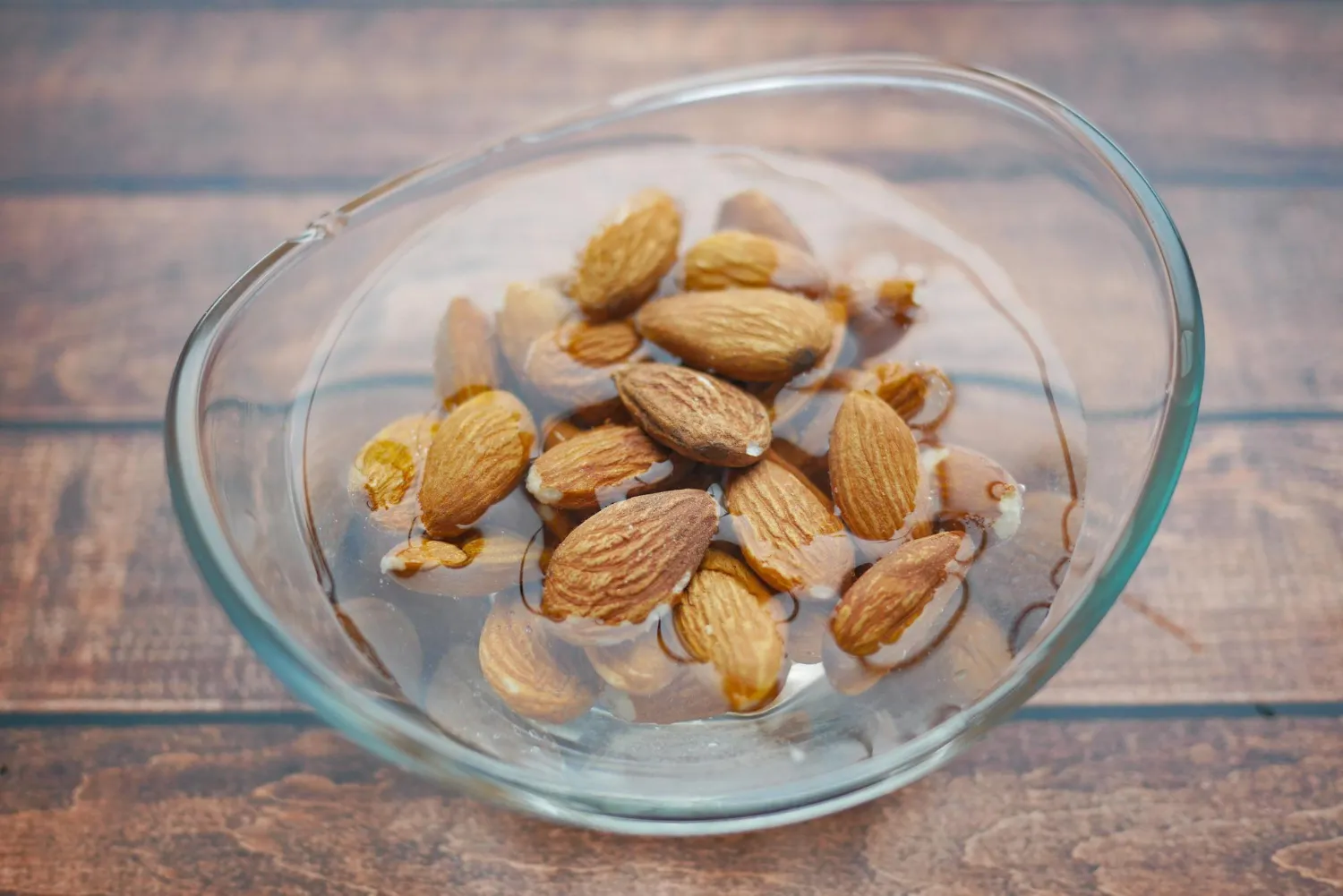
How to Eat Soaked Almonds Daily for Best Results
Soaked almonds pack more nutrition than raw ones. Here's exactly how to eat them daily — the right time, quantity, and simple habits that actually work.

How to Feed Goats During Monsoon Season
Monsoon changes everything for goat farmers. Learn exactly what to feed your goats during the rainy season to keep them healthy, productive, and disease-free.

Best Feed for Goats in Summer Heat
Struggling to keep your goats healthy in hot weather? Discover the best summer feed for goats to maintain weight, milk, and energy when temperatures soar.

Goat Milk for Lactose Intolerance: Does It Help?
Think goat milk is lactose-free? It's not — but it may still be easier to digest. Here's what the science actually says about goat milk and lactose intolerance.

Is Goat Meat Good for Weight Loss?
Wondering if goat meat fits into a weight loss diet? Here's what its nutrition profile really means for your goals — no fluff, just facts.

Goat Milk vs Cow Milk: Which Is Better for You?
Goat milk vs cow milk — which should you choose? Compare nutrition, digestion, taste, and health benefits to find the best fit for your diet.
Frequently Asked Questions
⚕️ Medical Disclaimer
This article is for informational and educational purposes only and is not a substitute for professional medical advice, diagnosis, or treatment. Always consult a qualified healthcare provider with any questions about a medical condition. Read full disclaimer.
Get healthy tips in your inbox
Join the Nutrikoo newsletter for science-backed nutrition, recipes and wellness — no spam, unsubscribe anytime.